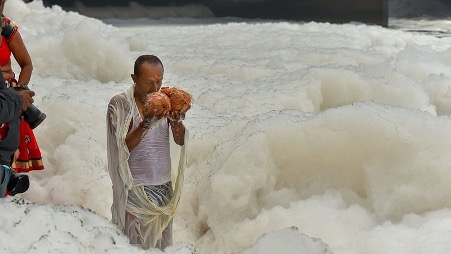
It was great to see that river figured prominently in the just concluded Delhi Assembly Elections where BJP has come to power in the state after 27 years. Prime Minister Narendra Modi assured Delhi that the BJP government will make every effort to clean Yamuna. “It may be a long haul but Mother Yamuna will surely bless our efforts,” he said. Will this help the cause of the River?
Continue reading “An Action Plan for Yamuna in Delhi”Tag: CETP
DRP 150124: The Catchment degradation in Cauvery Basin
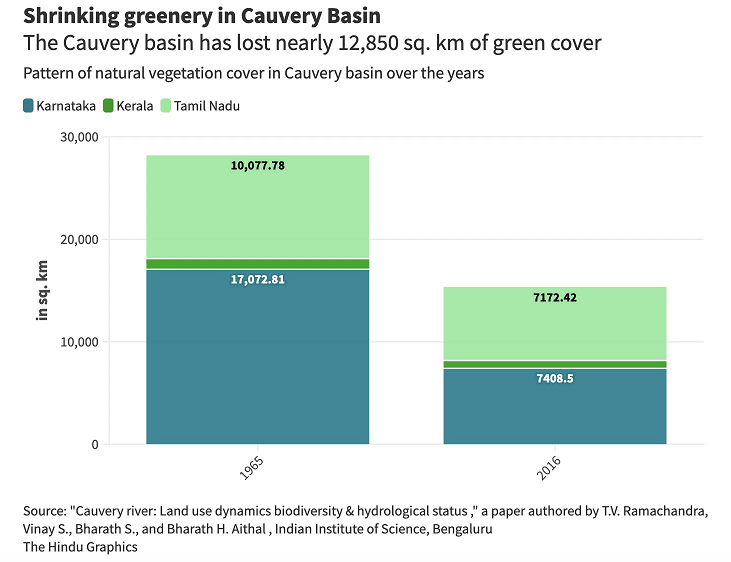
The study by Indian Institute of Science (IISc), Bangalore has brought to light one of the key reasons for the water problems of Cauvery basin: 12850 Sq km of Cauvery basin has lost natural vegetation over the fifty years between 1965 and 2016. The trend is likely to have continued, possibly at an accelerated pace in the eight years since 2016. It may be useful to assess the hydrological implications of this massive destruction of the Cauvery basin.
SANDRP has been highlighting that the reason for the more frequent floods and followed by water scarcity and drought, in spite of somewhat increased rainfall under changing climate is exactly this, the degradation of the Cauvery catchment, including destruction of local water bodies, groundwater recharging mechanisms and natural vegetation.
Continue reading “DRP 150124: The Catchment degradation in Cauvery Basin”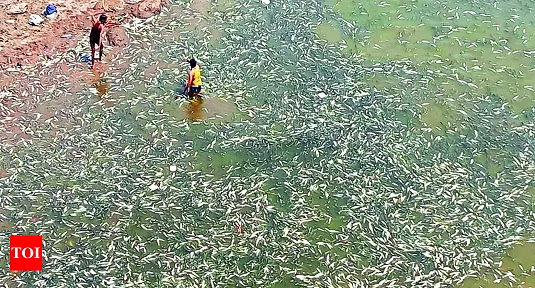
WFD 2023: Untreated Effluents with Non-existent Regulation Killing Inland Fish En-Masse
(Fish in large number killed in Krishna river in Sangli in March 2023 due to untreated industrial effluents discharge. Image Source: ToI)
On occasion of World Fisheries Day 2023, incidents of mass fish death in rivers and water bodies in India during past one year are compiled here. The report highlights how untreated effluents from industrial and domestic sources with non-existent regulation have been primarily responsible for most of the en masse fish kill incidents across the country. In the first part of the series, we have covered the positive developments related to fish, fisherfolks and fisheries. And in the second part, we have covered the ongoing resistance and struggles of Indian fishers against developmental projects endangering their survival and livelihoods.
Continue reading “WFD 2023: Untreated Effluents with Non-existent Regulation Killing Inland Fish En-Masse”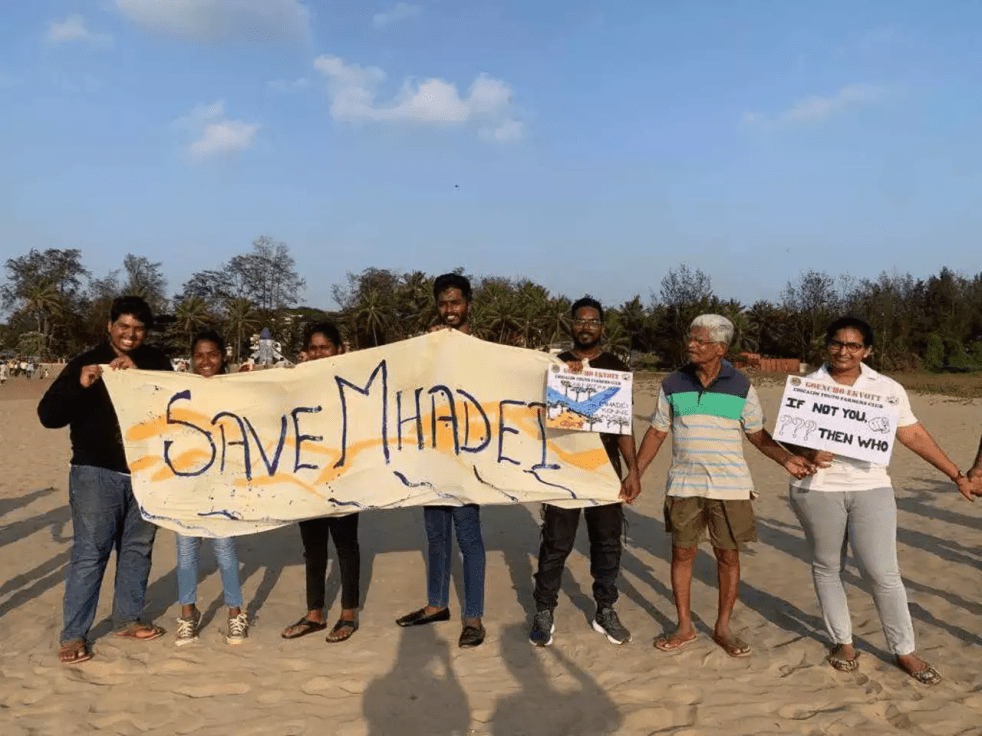
DRP 290523: Goa Fights to save Mahadayi River
(Feature Image: Thousands form human chain along Mhadei river to celebrate #MahadaiAmchiMai festival. Source: ToI)
On May 20, 2023 when thousands of people of Goa, Rakhondars (protectors) came out to form a 7 km long human chain to save Mhadei or Mahadayi river, they were not only celebrating Goa’s unique Mahadayi River festival, but were also coming together to declare their resolve save and rejuvenate the River that is lifeline of Goa.
A large number of organizations came together, including Earthivist Collective, Goa Heritage Action Group, Save Mhadei Save Goa front, among many others. It was a unique attempt to reconnect with the river, its history, its soul. The people from all kinds of art forms and all walks of life came together in a state where the connection with the river has always been strong for the people.
One hopes their tribe multiplies and they succeed in saving the river from dam building plans and other river affecting activities. That success will provide an example and impetus for river conservation activities elsewhere too.
Continue reading “DRP 290523: Goa Fights to save Mahadayi River”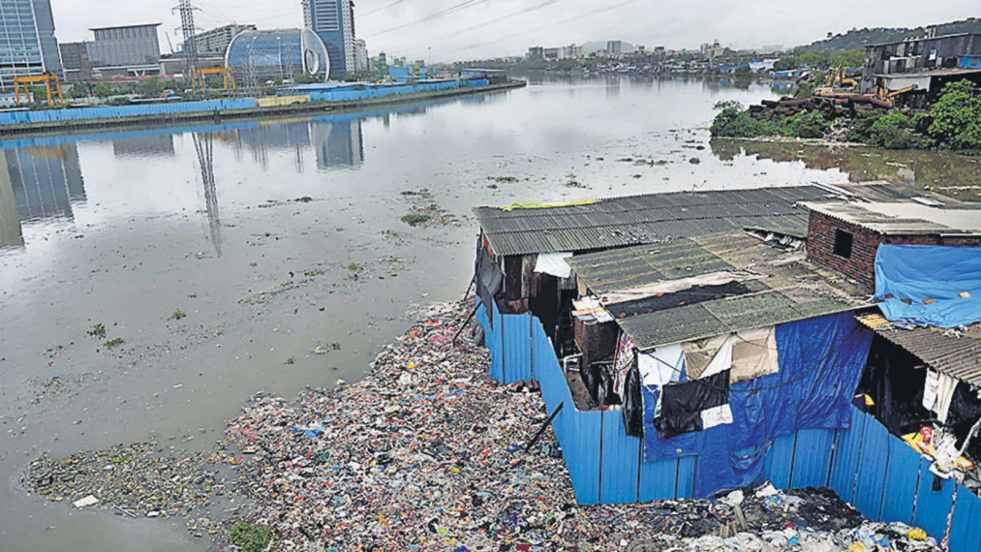
Top Ten Judicial Actions on Urban Rivers 2022: Executors Deliberately Delaying, Diluting, Defying orders
(Feature Image: The order is subject to the orders of the SC which is pending. NGT on Nov. 24, 2021ordered the BMC to deposit within three months an environmental penalty of ₹28.20 crores to the CPCB for discharging raw sewage into the city creeks, rivers and drains. HT Photo)
During past one year, the judicial bodies including National Green Tribunal, Supreme Court, various High Courts have passed several orders and made critical observation while dealing with multiple issues afflicting Urban Rivers in India. This report highlights top ten such judicial interventions across India. The stories underline that the responsible agencies particularly pollution control boards and district, state and union governments have been failing miserably in timely and efficient implementation of these judicial orders, some of which are quite remarkable. If the executive bodies do not show right spirit and seriousness in enforcing the existing rules and court orders the state of India’s urban river only go downhill.
Continue reading “Top Ten Judicial Actions on Urban Rivers 2022: Executors Deliberately Delaying, Diluting, Defying orders”
India’s Urban Rivers in Crisis in 2022: Top Ten Cases
This report highlights top ten cases of the grave crisis faced by India’s Urban Rivers during the past one year.
1. Reality of Sabarmati River in Ahmedabad Effluents from 4 CETPs don’t meet parameters The untreated influent as well treated effluent from 4 CETPs under the Ahmedabad Municipal Corporation jurisdiction do not adhere to prescribed parameters, stated 2 draft reports of CSIR–NEERI. The 2 draft reports submitted to the PCB on March 24, 2022 with respect to functioning of 4 of the total 7 CETPs under AMC jurisdiction — Naroda Enviro Project Ltd (NEPL), Gujarat Vepari Maha Mandal Odhav (GVMM), CETP Green Environment Services Co-op Society Ltd (GESCL) Vatva and CETP Narol Textile Infrastructure & Enviro Management (NTIEM) Narol.
The 2 drafts reports were submitted before the Gujarat HC on March 24 by way of an affidavit by GPCB in relation to a suo motu PIL being heard by the Gujarat HC concerning pollution in Sabarmati river. GPCB in its affidavit submitted that pursuant to the CSIR NEERI analyses of the 4 CETPs, the reports have also been forwarded to the concerned CETPs and have been asked to furnish the timeline of action plan to the GPCB at the earliest. Notably, CM Bhupendra Patel had told the Assembly that Rs 136 crore was spent in 2020 and 2021 to clean up Sabarmati river. https://indianexpress.com/article/cities/ahmedabad/sabarmati-river-pollution-effluents-from-4-cetps-dont-meet-parameters-report-7838085/ (27 March 2022)
Continue reading “India’s Urban Rivers in Crisis in 2022: Top Ten Cases”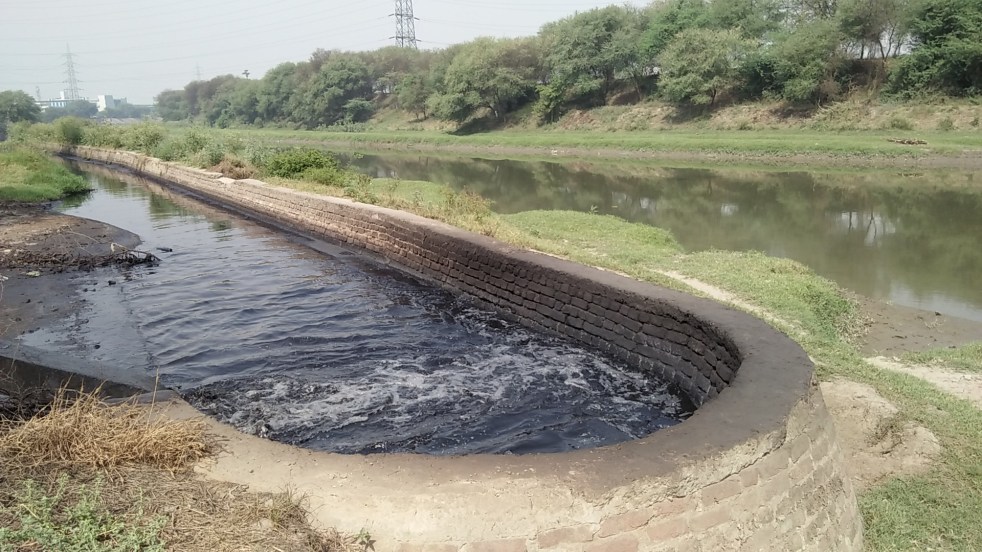
Perennially non functional Common Effluent Treatment Plants in Yamuna Basin
Chances are higher that you find a CETP malfunctioning on repeated visits for same commonly made lame excuses. (Feature image 4 MLD Kundli CETP discharging effluents without any treatment into drain number 6, while drain number 8 flowing next to it. Image taken on May 11, 2019 by author)
“Oh my God, its unbearable” was the first expression came out of my mouth instinctively and instantly, while standing at the outlet of Common Effluent Treatment Plant (CETP) in Sonipat District, Haryana. The plant was located in Kundli Industrial Area along DN (Drain Number) 8 at Delhi Haryana border. It was the morning of May 11, 2019 while observing status of DN 6, along with my friend Yayati Bhardwaj.
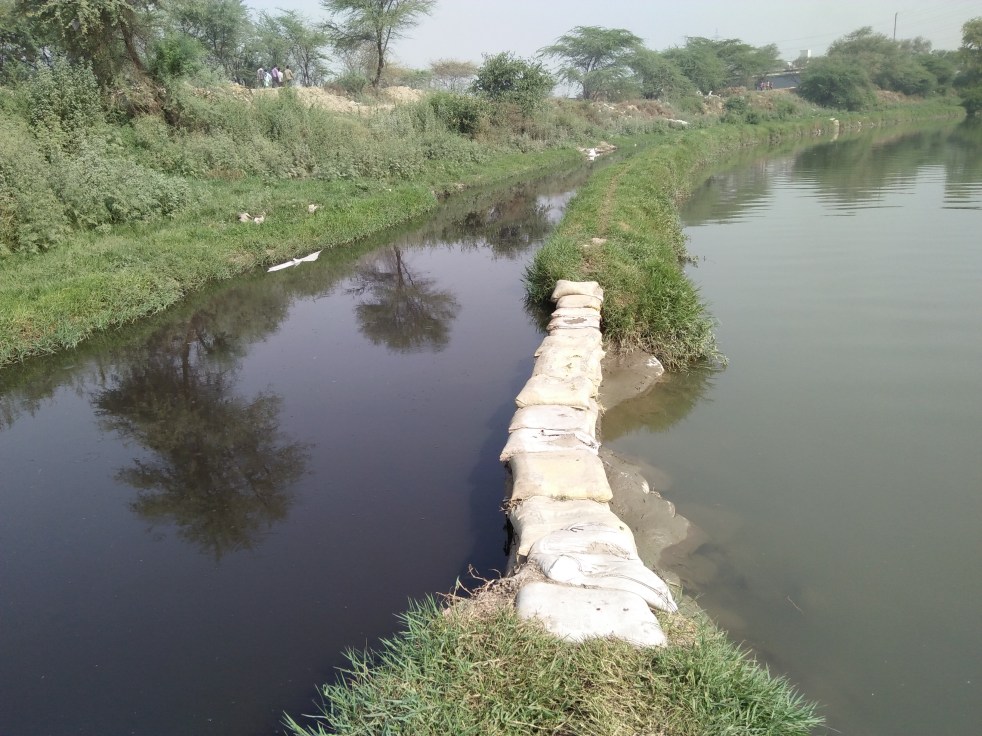
DN 6 carries industrial and domestic effluents from a large area of Panipat and Sonipat districts while DN 8 supplies potable water to Delhi via Yamuna river. Both drains run parallel for a length of 10 km and more than often intermix due to breaches and spill-overs. To know more about this, see: Delhi’s Drinking Water is 9 inch Wall away from Toxic Industrial Effluents & Sewage.
Continue reading “Perennially non functional Common Effluent Treatment Plants in Yamuna Basin”
Delhi’s Drinking Water is 9 inch Wall away from Toxic Industrial Effluents & Sewage
Feature image showing drain number 6 with industrial pollution running along drain number 8 which carries raw water for potable water supply to Delhi. The over spill in drain number 6 is plugged with sand bags. Image by author, May 11, 2019
Role of Drain Number 8
About 300 cusec of water is supplied to Delhi via Drain Number (DN) 8. The drain branches off from Western Yamuna Canal (WYC) near Garhi Bindroli village in Sonipat. The total length of the drain is about 25 km. It carries Delhi’s share of water and discharges it into River Yamuna at Palla, where the river enters Delhi territory.
The water then flows 21 km downstream up to Wazirabad barrage where it is treated at Wazirabad Treatment Plant (WTP). This plant also supplies water to New Delhi Municipal Council (NDMC) areas which includes President House, Parliament areas among other prominent VIP residential units.

DRP: 10 Dec. 2018: Yamuna Pollution; Will NGT Panel Make Any Difference?
Feature image: A Hindu woman worships the sun god in the polluted waters of River Yamuna during Chhath Puja in New Delhi, on Nov. 14. (Image Source: Quartz India.)
In its latest report, the National Green Tribunal (NGT) appointed monitoring committee overseeing Yamuna River cleaning progress in Delhi says that the river is “fighting to stay alive” and it would not be possible to rejuvenate the Yamuna unless minimum environmental flow is provided as it is “virtually reduced to a trickle and remains dry in some stretches for almost nine months of the year”.
In the action plan, it is mentioned that “Although the Yamuna river flows only for 54 kilometres from Palla to Badarpur through Delhi, the 22 km stretch from Wazirabad to Okhla, which is less than 2 per cent of the river length of 1370 km from Yamunotri to Allahabad, accounts for about 76 per cent of the pollution level in the river”.
The committee has suggested that a team of scientists be formed from CPCB, DPCC and other institutions like IIT Delhi or NEERI to carry out inspections and submit reports to it for remedial action. The team can look into the risks and benefits of an alternative way of routing the same quantity of water which can help in reducing the pollution level, it said.
The monitoring committee also raised objection to the capacity utilisation of common effluent treatment plant (CETP) which is as low as 25 per cent. There are 28 industrial clusters in Delhi and 17 of these are connected to 13 CETPs. The remaining 11 clusters are not connected to any CETP. Another area of concern is the direct discharge of completely unregulated waste from industries and residences into the river.
Continue reading “DRP: 10 Dec. 2018: Yamuna Pollution; Will NGT Panel Make Any Difference? “
DRP: 12 Mar 2018 (Swami Gyan Swaroop Sanand To Go On Fast For Ganga)
Swami Gyan Swarup Sanand (Prof G D Agarwal formerly) writes to Prime Minister on Feb 24 with three demands on Ganga and says if these are not satisfied by Ganga Dashera (June 22, 2018), he will go on fast unto death. The three demands are: 1. stop work on Vishnugad Pipalkoti, Singoli Bhawari and Phata Byung HEPs 2. Pass in Parliament the Draft Ganga protection act drafted by Just (retired) Girdhar Malviya headed committee and 3. Create a National Ganga follower committee whose permission will be necessary before taking any decision about Ganga. See the detailed blog by Arun Tiwari ji and link to the letter to PM. http://hindi.indiawaterportal.org/Swami-Sananda-open-letter-pm-modi-clean-ganga
Continue reading “DRP: 12 Mar 2018 (Swami Gyan Swaroop Sanand To Go On Fast For Ganga)” SANDRP