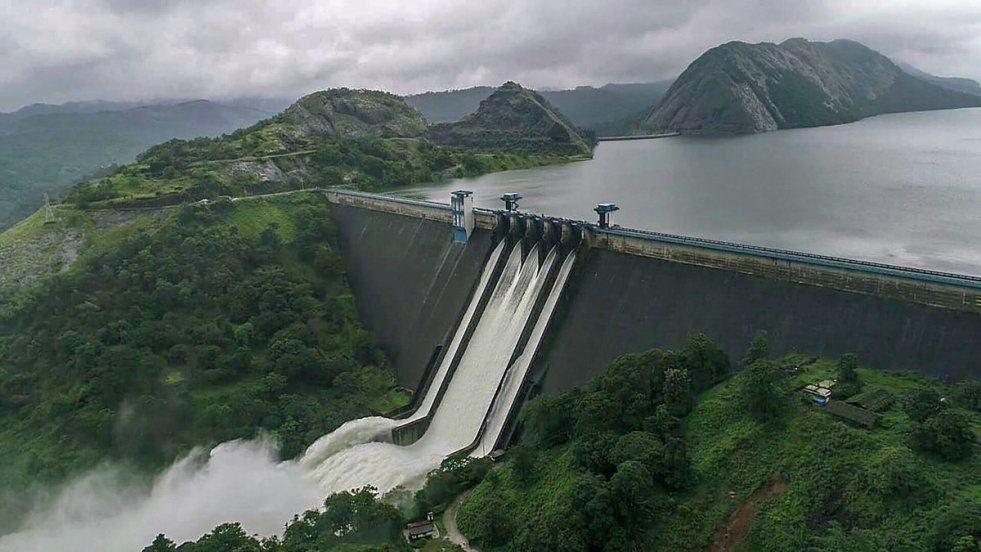
The share of hydro electricity in the energy mix of state of Kerala has come down sharply over the last three summers. Hydro share that used to be around 25-30 percent in previous summers has come down to well below 15 percent on many days. This is despite a sharp rise in electricity demand since 2023.
On 22-23 February, 2025, Ganga Mukti Andolan (GMA) celebrated its 43rd anniversary in Kahalgaon (Bhagalpur, Bihar). In these two days celebration, social activists from different parts of the country participated to underline the problems faced by river Ganga and the fisherfolk community of this region. Its slogan ‘Ganga ko aviral bahne do’ (let the Ganga flow freely) which united the different sections of the society to come together in the 1980s seems to be so relevant even today. For a movement to survive for four decades undoubtedly marks its relevance. However, during this long span of time, the movement has undergone several changes. But at the same time, it also marks a continuity and this essay is an attempt to understand the nuances and significance of this struggle.
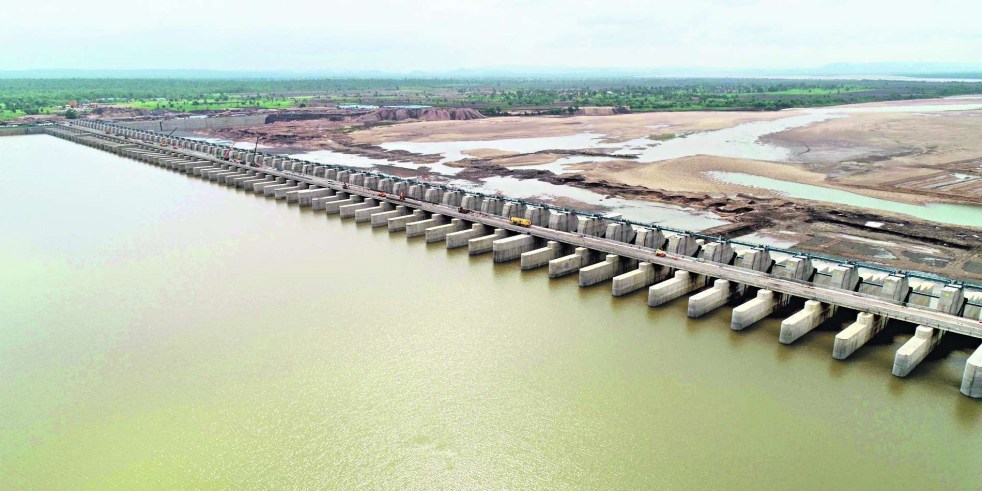
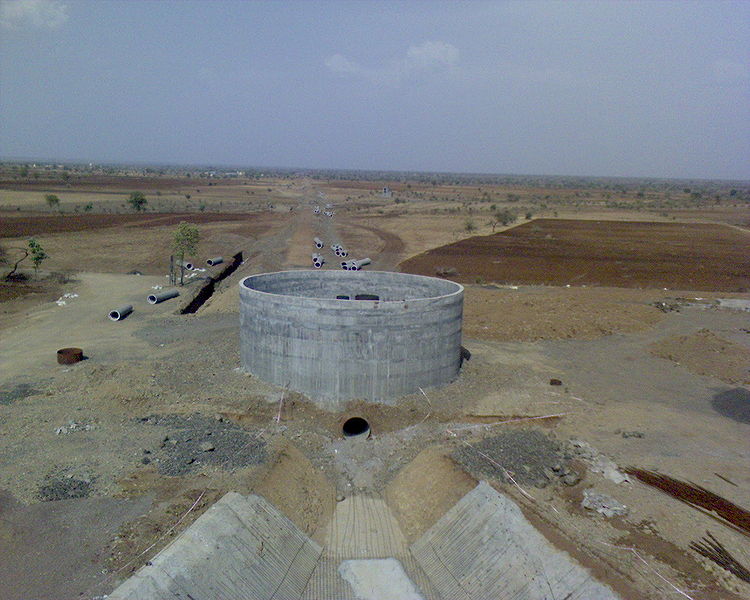
(Feature Image: Medigadda barrage of KLIS. Source: South First)
The National Dam Safety Authority (NDSA) expert committee report under chairman Shri J Chandrashekhar Iyer on the controversial Kaleshwaram project has at long last been submitted this last week to the Telangana govt vide DO letter dated April 24, 2025, from Shri Anil Jain, NDSA chairman. One of the intriguing aspects of this episode is that the NDSA expert committee submitted the report to the Ministry of Jal Shakti in December 2024 and it has taken almost four months for the report to be submitted to the executing authority, the Telangana Govt. Why should it take any time at all for the NDSA expert committee report to reach the state government, leave aside the 4 months it has taken.
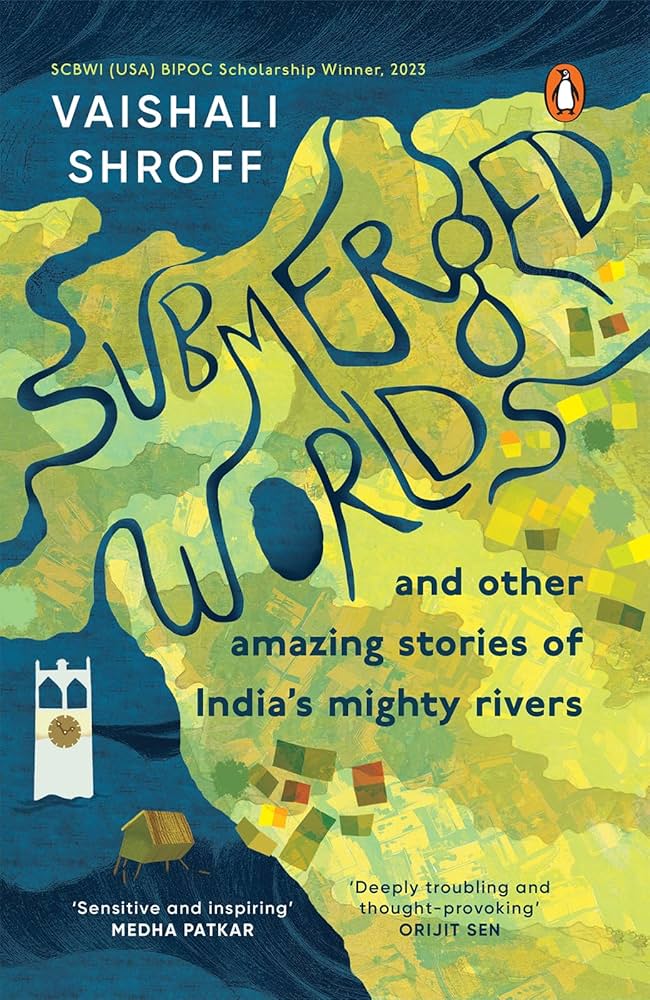
“All rivers are living entities. The job of any river is to flow. And it flows in a most systematic and sophisticated manner. As it flows, it nurtures everything around it, everything within it. A flowing river, whether it’s gurgling, bubbling and frothing on rocks and cobbled valleys or silently meandering along its course on the plains, is a happy and healthy river. Like a lap of a mother, the river allows many living beings to make a home and live together…” These introductory lines from the recently published book “Submerged Worlds and Amazing Stories of India’s Mighty Rivers” highlights the significance of a free-flowing river.
The current developments around Indus Waters Treaty are deeply troubling. Following the heinous attack on tourists in Pehelgam, India has announced that Indus Waters Treaty, the only water sharing mechanism between India and Pakistan put in place in 1960, has been put in abeyance.
A PIL (152 / 2014) has been filed by this author before the Aurangabad bench of Mumbai High Court way back in 2014. Maharashtra Irrigation Act, 1976 (MIA 1976) is not being implemented in letter & spirit, thanks to the absence of Rules of MIA 1976. It is needless to add that Act/Law states the general principles and Rules give the necessary details required for the actual implementation of the Act. For example, Act only says that Water Use Rights may be given to all farmers in the command area as prescribed. Rules of the Act, however, give the details to answer the usual questions like How? How much? When? Where? To whom? Application / Agreement required? Applicable terms & conditions? etc. Rules reduce the scope for discretion and chances to interpret the Act in different manner by different individuals at different times & places. Rules facilitate smooth & uniform implementation of the Act.
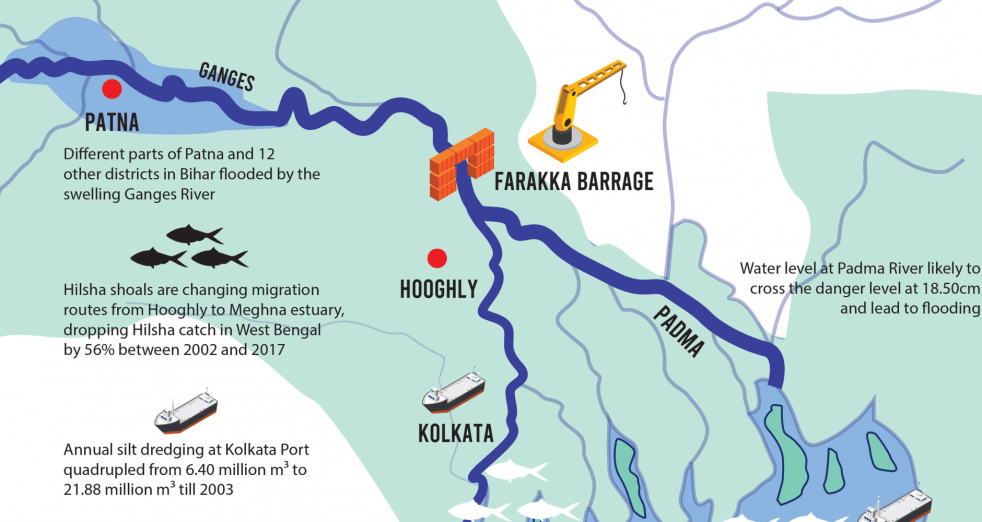
(Feature Image: Infographic taken from Farakka now boomerangs on India: Source: TBS News, Oct. 2019)
The 2304 m long Farakka dam on Ganga in Murshidabad district in W Bengal was commissioned on Apr 21 1975 and completes 50 years today. The dam needs an independent review to assess the costs, benefits and impacts of the dam, both projected and actual and to decide about the need and form of its continued existence.
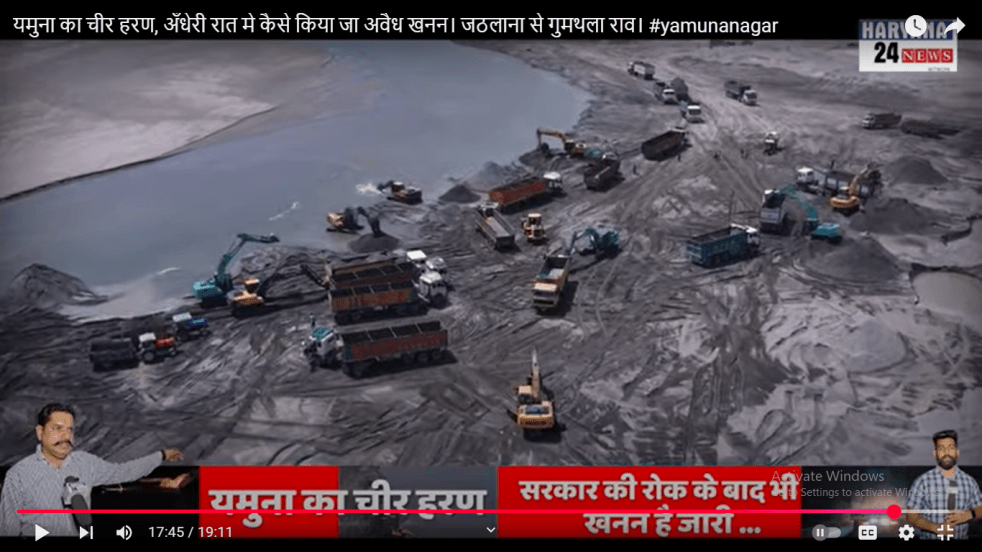
(Feature Image: Screnshot of Haryana 24 News exclusive report on illegal mechanized sand mining in Yamuna river at Gumthala ghat near Yamuna Nagar-Karnal border of Haryana in May. 2024.)
हरियाणा राज्य के करनाल और यमुनानगर जिलों में वरयाम सिंह एक जाना-माना नाम है। आप पेशे से जिला न्यायालय और पंजाब एवं हरियाणा उच्च न्यायालय में अधिवक्ता हैं। आप यमुना नदी के किनारे स्थित गुमथला गांव में रहते हैं जहाँ आपके प्रयासों से इंक़लाब मंदिर स्थापित है जो देश के स्वतंत्रता सेनानियों को समर्पित है और राज्यस्तर पर प्रसिद्ध है। क्षेत्र में विकास कार्यों में पारदर्शिता एवं सरकारी विभागों के कार्यों में सुधार लाने के लिए आपने हरियाणा एंटी करप्शन सोसाइटी की स्थापना भी की है और आप इन उद्देश्यों के लिए जन सूचना अधिकार कानून का बखूबी इस्तेमाल करते हैं।
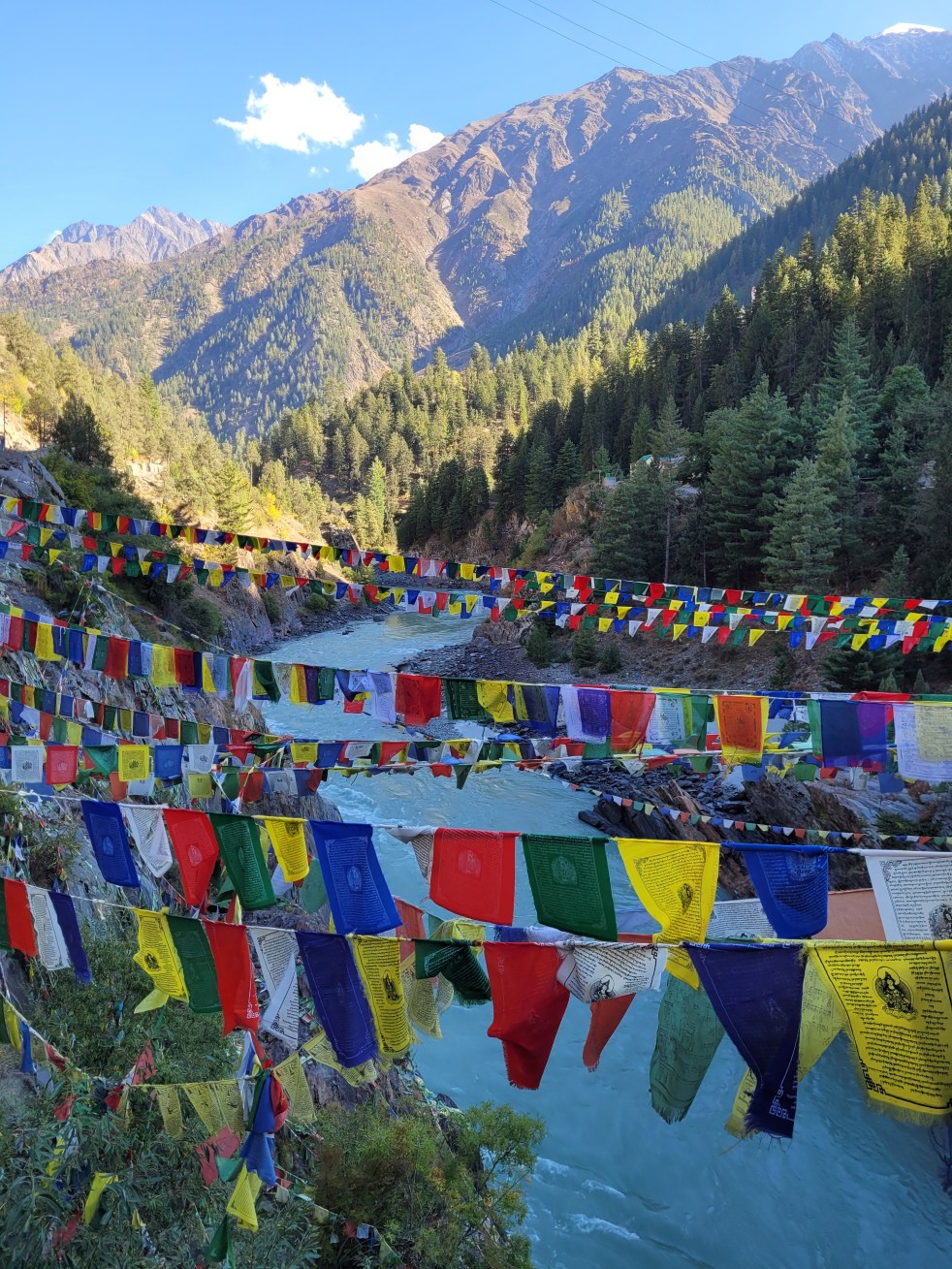
At the village of Jasrath in Lahaul and Spiti, the River Chandrabhaga’s current is swift and strong like a rambunctious toddler. The river is new here, birthed just 16 kms upstream at the confluence of the Rivers Chandra and Bhaga. Chandrabhaga will be named as Chenab only after a journey of about 400 kms downstream. Chenab is one of the largest tributaries of the River Indus whose expansive basin feeds over 250 million people in the heart of Asia.
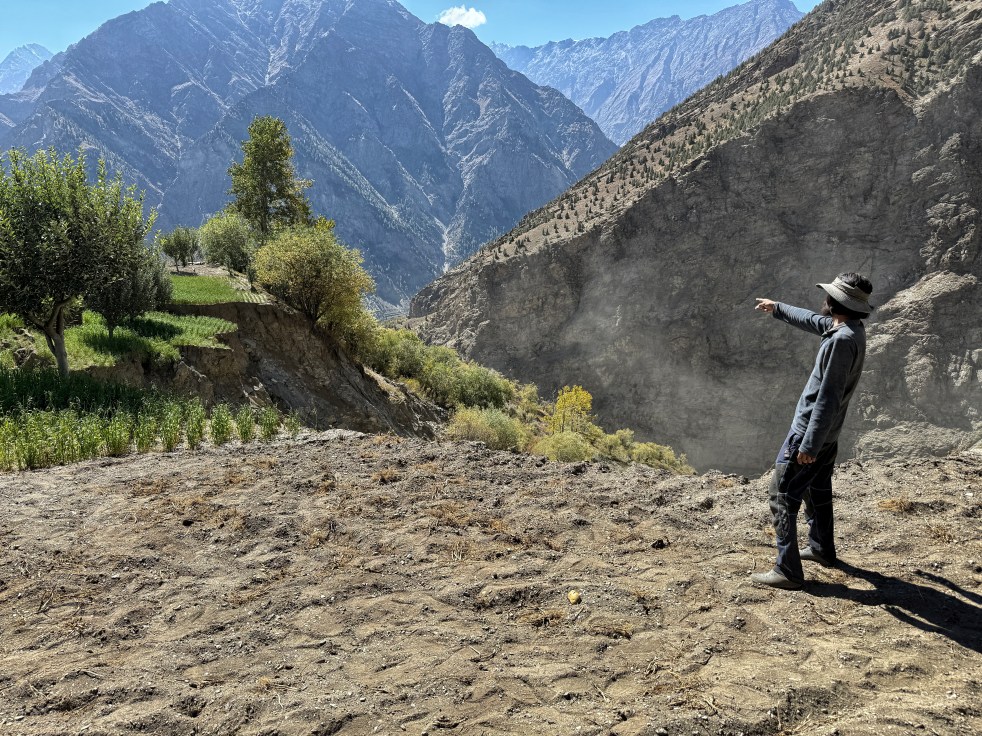
Lahaul and Spiti district in Himachal Pradesh is a cold desert with very little rain, but the narrow ribbons of land along the Chandrabhaga are emerald with willows, apple orchards and cultivated farms. This is precious land.
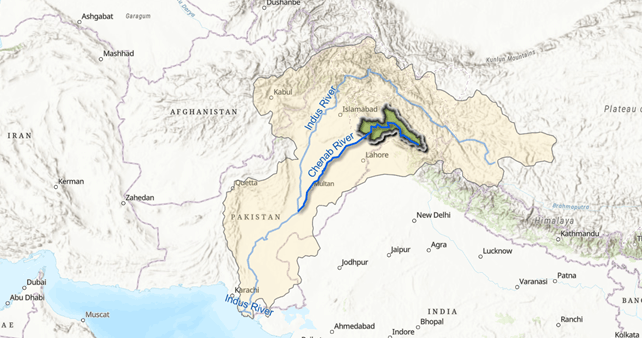
Chenab, which translates as the Moon River is the largest of the five tributaries of River Indus. It flows for about 974 kilometers from the High Himalayas of Lahaul to the forests of Jammu and Kashmir and onto the plains of Pakistan. Its main tributaries in India include Miyar, Marusudhar and Tawi. In the vast plains of Punjab in Pakistan, it is met by Jhelum, Ravi and Sutlej to form the mighty Panjnad before it meets the Indus. Its catchment, spread across 67,430 km2, is shared between the two countries.
Chenab is Chandrabhaga (Crescent Moon) in its headwaters. It was the River Asikni in Rigveda, and the Acesines for the ancient Greek. From sparse mountain settlements of Lahaul to the bustling urban centers of Sialkot, more than 10 million people live and prosper along the Chenab. Hydropower projects operational and under constructions on the river have an installed capacity of more than 5000 MW (Central Electricity Authority 2024), and its canals irrigate hundreds of thousands of acres in Pakistan and India (Shakir et al).
 SANDRP