Dams · Sand Mining

Illegal Sand Mining 2017: Rivers Continue To Lose Mindless Mining Battle

Undoubtedly sand is essential part of river ecosystem. Like flow and fish it helps rivers stay healthy. It’s critical for ground water recharge, replenishes the nutrients in moving water, supplies lean season flow to rivers and provides habitat to numerous forms of aquatic and riparian fauna.

Despite all this, illegal and unsustainable mining of sand and boulders is widespread across the country taking heavy toll on the lifelines of modern civilization. Continuing our effort to assess the scale of threat and level of devastation illegal sand mining is posing to our rivers, SANDRP presents State wise 2017 year end review on the issue. This is third straight year that we are doing this after 2015 and 2016. The subsequent reports would cover Governments’ role and Judicial interventions to reign in the unsustainable, unlawful sand mining activities across India.

Continue reading “Illegal Sand Mining 2017: Rivers Continue To Lose Mindless Mining Battle”
Dams · DRP News Bulletin

DRP: 18 Dec 2017 (Also Needed To Mention This About Turial HEP)

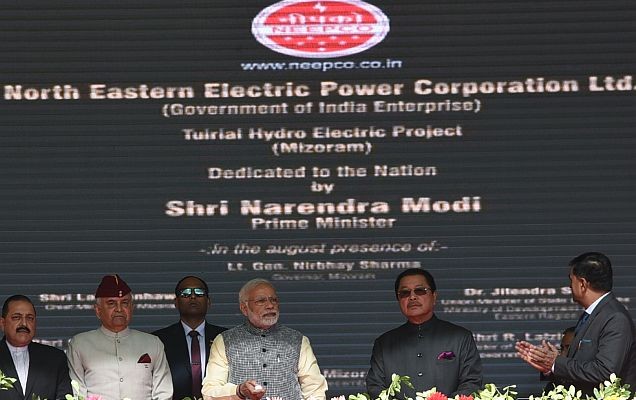
The Prime Minister, on Dec 16, 2017, while dedicating to nation the 60 MW Turial HEP, should have also mentioned:

– PUBLIC PROTESTS: The project faced strong protests from local people, so much so that work had to be stopped for over 7 years from 2004 to 2011. Even a day before PM dedicated the project, people took out a protest march.

– NO PUBLIC CONSULTATION:  One of the reasons people protested was that the project did not have any proper public consultation.

– NO PROPER IMPACT ASSESSMENT: Another reason for people’s anger was no proper environment or social impact assessment, or proper compensation and rehabilitation.

– HIGH COST: The project cost was Rs 368.72 Crores, but now already has gone above Rs 1441 crores officially, likely to go up further. That means per MW cost is already above Rs 24 crores, one of the highest in the country. WHO WILL PAY THE HIGH COST OF ELECTRICITY FROM THE PROJECT?

– HUGE COST ESCALATION from Rs 369 crores to over Rs 1440 crores

– HUGE TIME OVER RUN: The project was supposed to be completed many decades back but  has seen huge time over run, not only because of protests, but also because of inadequate mobilisation by the contractor, poor approach road, power house slope failure, among many other reasons.

This latest project once again shows that big hydro is no longer viable, one wishes, the Prime Minister would also highlight these realities in his speeches.

Continue reading “DRP: 18 Dec 2017 (Also Needed To Mention This About Turial HEP)”
Dams

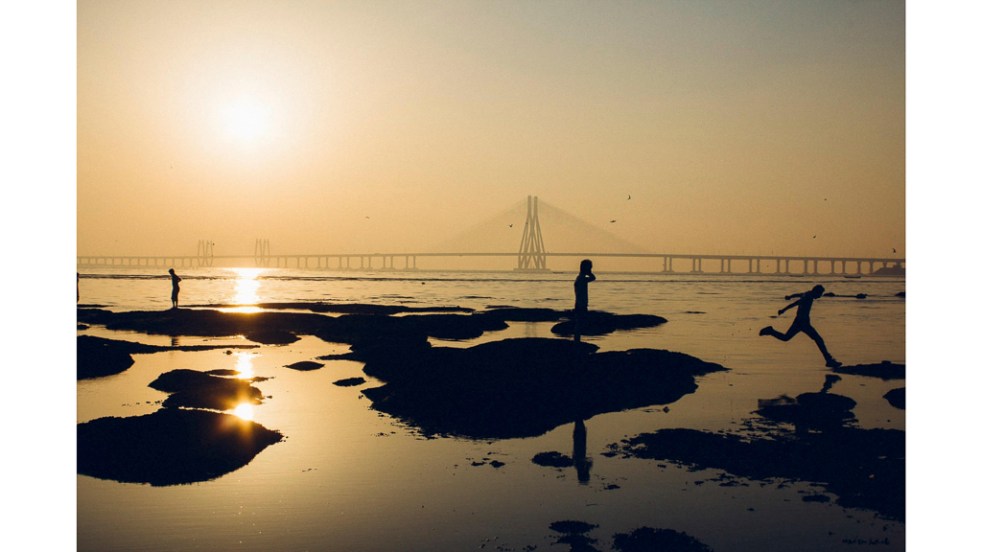
Mithi – Walking Along A Running River

 Guest Blog by Gopal MS aka Slogan Murugan

This story of Mithi River from Mumbai is third in the series of online stories of urban rivers from across India. Please share your feedback and provide us with suggestions (read more in appendix). If you have any urban river stories or images that you might want to share, please send them to ht.sandrp@gmail.com and asid@veditum.org.

PLZ DO WATCH THE AMAZING 43 frame slide show.

Continue reading “Mithi – Walking Along A Running River”

Bhagirath Prayas Samman · Dams · Kerala · Western Ghats

Remembering Latha

It took some time to write. Latha chechi and me talked just 4 days before she passed away on Nov 16, 2017. As usual, it was about when we will meet next and go to Athirappilly Falls and travel to the river together. Her voice was light, it had a surreal gentleness. We agreed on everything, which was rare. After just a few minutes, Unni gently took the phone from her and told me she needed to sleep. It just didn’t feel right.

We first met virtually about 10 years back, discussing rivers and forests and then, through her initiative, came together to organize the first civil society workshop on Environmental Flows in January 2009 with SANDRP.  Since then, Latha Chechi has been a bubbling, enthusiastic and wise constant. We worked on several submissions together, discussed strategies and ideas, eating each other’s heads about what worked and what can work and always, I was always taken aback by her unmatched way of linking issues.

She told me, “You need one particular river. Work on all the rivers of world, but have that one river to go back to.” Continue reading “Remembering Latha”

Dams · Environmental Flow · Fish Sanctuaries · Free flowing rivers · Ganga · Inland Waterways · Interlinking of RIvers · Karnataka · Kerala

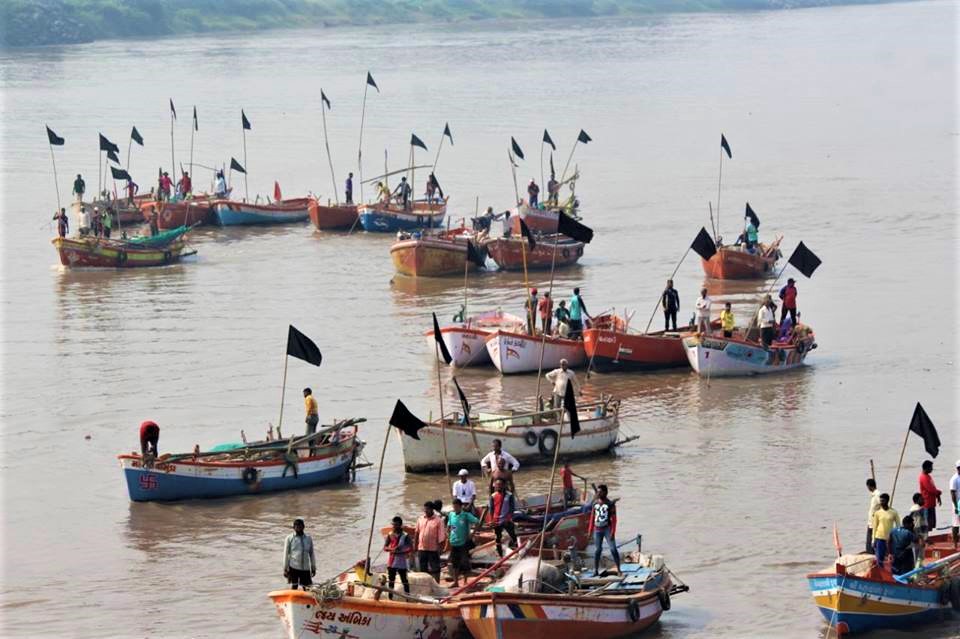
Riverine Fisherfolk as Mascots of flowing rivers and how 4 projects treat them today

When I was documenting a tiny, free-flowing river in Maharashtra Western Ghats named Shastri, the common thread from headwaters to estuary was Fishing! It was everywhere, in all forms, including dozens of fish species and fishing practices, including everyone: men, women, children, otters, crocs, storks. Across the country, buzzing, diversified fisheries with old, complex narratives indicate a rich river. And the palette just gets more vivid, nuanced and colorful with the size of the river.

More than 10 million Indians from some of the most vulnerable groups depend on rivers for their livelihood and nutritional needs. This staggering number can be an underestimate as several riverine fisherfolk do not bring their produce to the market and our livelihood census hardly captures the intricacies of riverine fisheries sector. Despite the huge dependence and critical importance of riverine fisheries, the sector continues being ignored and abused. The reasons behind the exploitation are at the heart of a deeper, more troubling discourse: ownership and appropriation of the river as a natural resource. Continue reading “Riverine Fisherfolk as Mascots of flowing rivers and how 4 projects treat them today”

Dams · DRP News Bulletin

DRP: 11 Dec 2017 (Shoddy EIA, People’s Opposition & Unviable Pancheshwar Project Highlighted In Documentary)

A brilliant coverage by NDTV INDIA at PRIME TIME (08 Dec 2017) on so many issues related to the proposed controversial Pancheshwar Dam, World’s tallest dam in the Himalayas that has neither credible impact assessment nor proper public hearings. Please watch and share.

Meanwhile, residents and various political organizations at Almora, Pithoragarh and Jhulaghat staged a protest against public hearings held for environmental clearance of Pancheshwar projec, saying that the sessions were unfair and flouted procedure. https://timesofindia.indiatimes.com/city/dehradun/pancheshwar-row-residents-protest-against-public-hearings/articleshow/61946615.cms

The wrong process of dam clearance for the Pancheshwar and Rupaligad Dams have been strongly condemned by Mahakali Lok Sangathan, Uttarakhand Parivartan Party, Uttarakhand Kranti Dal, the National Alliance of People’s Movements: Uttarakhand Akta Manch, Delhi Solidarity Group and others. https://www.facebook.com/sandrp.in/posts/1874936619200669

Continue reading “DRP: 11 Dec 2017 (Shoddy EIA, People’s Opposition & Unviable Pancheshwar Project Highlighted In Documentary)”
Dams

NAG – The River That Lends Life And A Name To Nagpur

Guest Blog by by Nivedita Khandekar

This story from Nag River in Nagpur is second in the series of online stories of urban rivers from across India. Please share your feedback and provide us with suggestions (read more in appendix). If you have any urban river stories or images that you might want to share, please send them to ht.sandrp@gmail.com and asid@veditum.org.

With an area of little over 200 sq kms, Nagpur, the geographical centre of India, is a lucky city to have 11 lakes and two rivers within municipal limits. Nag Nadi – which lends its name to the city – is the main river along with the other, Pili Nadi; the two later merge and further join the Kanhan river near the city outskirts.

It has always been believed that the river starts as an outflow from the western weir of Ambazari Lake in west Nagpur. In 1998, a bunch of researchers went to further explore the catchment of the lake and found the actual origin of the river is up north of the lake at a place called Lava, more than 25 kms from this western weir. 

Continue reading “NAG – The River That Lends Life And A Name To Nagpur”

Dams · India Rivers Week

भारतीय नदी दिवस 2017 – नदियों के संरक्षण का अभिनव प्रयास

देश की नदियों की दुर्दशा किसी से छिपी नहीं है। एक ओर नदियों का जलप्रवाह लगातार घट रहा है, दूसरी ओर उनमें प्रदूषण की मात्रा चिंताजनक स्तर पर पहुॅच गई है। बढ़ती बॉध, पनबिजली, सिंचाई परियोजनाओं, भूजल दोहन, वनविनाश, बाढ़ भूमि अतिक्रमण और अवैध खनन से हमारी नदियों की जैवविविधता पर विपरीत प्रभाव सामने आ रहे हैं। साथ में नदियों पर गुजर बसर करने वाले मछवारों, मल्लाहों, किसानों की आजीविका पर गंभीर खतरा मंडरा रहा है।

इन सबके बीच, नदियों को बचाने के सरकारी प्रयास नाकेवल नाकाफी और निष्फल साबित हो रहे है, अपितु अब यह स्पष्ट है कि नदी विरोधी सरकारी योजनाओं के चलते ही छोटी बडी जलधाराएॅ सूख रही है, मैला हो रही है और बाढ़ के समय आपदा का कारण भी बन रही है। वास्तव में नदी संरक्षण संबंधी नियम कानूनों और व्यापक जनभागीदारी के अभाव के चलते आज हमारी जीवनदायनी नदियॉ, खुद के स्वछंद बहते जल को तरस रही है। 

इन्हीं सब महत्वपूर्ण मुद्दों को उजागर करने के लिए 25 नवम्बर 2017 को दिल्ली भारतीय नदी दिवस[1] समारोह आयोजित किया गया। इस बार के एक दिवसीय आयोजन में शहरी नदियों को केंद्र में रखकर मनाया गया। कार्यक्रम में भारत के विभिन्न क्षेत्रों से अस्सी से अधिक सरकारी विभागों -गैरसरकारी संस्थाओं से जुडे़ नदीप्रेमियों, चितंको और विचारकों ने भाग किया। यह कार्यक्रम वर्ष 2014 से निरंतर मनाया जा रहा है। हर साल की तरह, इस बार भी देश में नदियों को बचाने में संघर्षरत व्यक्तियों और नदी संगठनों को ‘भगीरथ प्रयास सम्मान’[2]  से नवाजा गया। प्रभावी नदी लेखन, छायांकन और चित्रण के माध्यम से नदियों की आवाज उठाने वाले मीडियाकर्मी के लिए, इस साल से अनुपम मिश्र[3] मैमोरियल मैडल का शुभांरभ  किया गया।  

Continue reading “भारतीय नदी दिवस 2017 – नदियों के संरक्षण का अभिनव प्रयास”

Dams

Urban Rivers – Moovattupuzha River in Kerala 

– Guest blog by Shri N. Ramdas Iyer

This story from Moovattupuzha Town in Kerala is first in a series of online stories of urban rivers from across India. Please share your feedback and suggestions on the same (Read more in appendix). If you have any urban river stories or images that you might want to share, please send them to ht.sandrp@gmail.com and asid@veditum.org

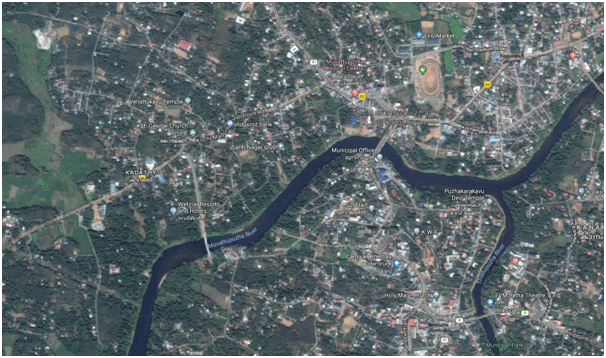
The Moovattupuzha river which literally means the “river made of three streams”,  these being the Thodupuzha river, the Kothamangalam river and the Kaliyar river, ran just through the backyard of my maternal grandparents’ ancestral home. The river lends its name to the town through which it flows. This shows the importance of the river in the life of the people living in the town of Moovattupuzha. Our house was located just on the banks of the confluence. The famous Puzha Kara Kavil Bhagawathi temple (meaning Bhagawathi on the banks of the river) is visited by a lot of people even now.

Continue reading “Urban Rivers – Moovattupuzha River in Kerala “

Dams

पन्ना की पूर्व कलेक्टर ने केन-बेतवा परियोजना को केन बेसिन के लोगों के लिए एक त्रासदी बताई थी

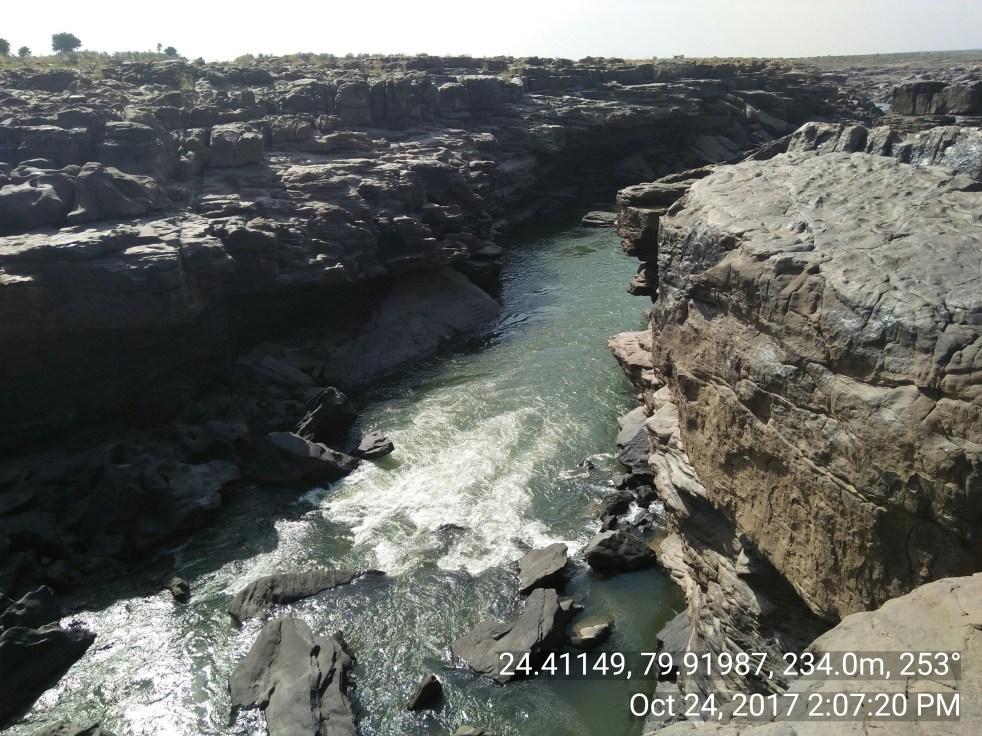
2005 से 2008 के बीच पन्ना जिले की कलेक्टर ने अपने कार्यकाल के दौरान केन-बेतवा परियोजना के बारे में अपने शीर्ष अधिकारियों और विभागों को पत्रों की एक श्रृंखला लिखी थी। इन पत्रों में उन्होंने एक चौंकानेवाला निष्कर्ष दिया था कि यदि केन बेसिन के लोगों की पानी की बुनियादी जरूरतें पूरी की जाए, तो केन नदी में कोई अतिरिक्त पानी ही नहीं बचेगा। उन्होंने यहाँ तक लिखा था कि केन-बेतवा नदी जोड़ो परियोजना केन बेसिन के लोगों के लिए एक त्रासदी होगी।

एसएएनडीआरपी (SANDRP) को मिले दस्तावेजों से यह पता चलता है कि 2005 से 2008 के बीच पन्ना कलेक्टर के रूप में अपने कार्यकाल के दौरान उन्होंने केन बेतवा परियोजना को रोकने के लिए कड़ा संघर्ष किया था। उन्होंने दिखाया था कि यदि मध्य प्रदेश 1983 के अपने जल संसाधन मास्टर प्लान को केन बेसिन में लागू करता, तो बेतवा बेसिन में भेजने के लिए कोई पानी ही नहीं बचता। इसे देखते हुए उन्होंने हताश होकर अंततः यह निष्कर्ष निकाला कि केन-बेतवा परियोजना “पन्ना जिले के निवासियों और केन नदी बेसिन के अन्य जिलों के लिए विनाशकारी दुष्परिणामों वाली होगी।”

Continue reading “पन्ना की पूर्व कलेक्टर ने केन-बेतवा परियोजना को केन बेसिन के लोगों के लिए एक त्रासदी बताई थी”