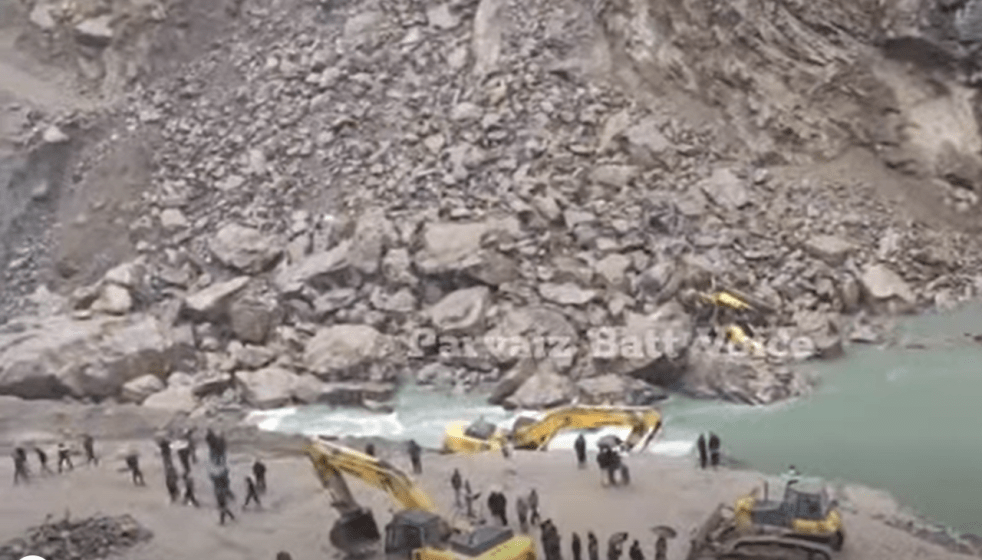
(Feature Image: Search operation being conducted at Pakal Dul HEP dam site. Source: Screengrab of PNA.)
One worker has been killed; one went missing while two others sustained minor injuries following a landslide at the head race tunnel (HRT) site of Pakal Dul Hydro Electric Power (HEP) Project near Drangdhuran village in Dachan tehsil under Kishtwar district of Jammu & Kashmir as per available reports.
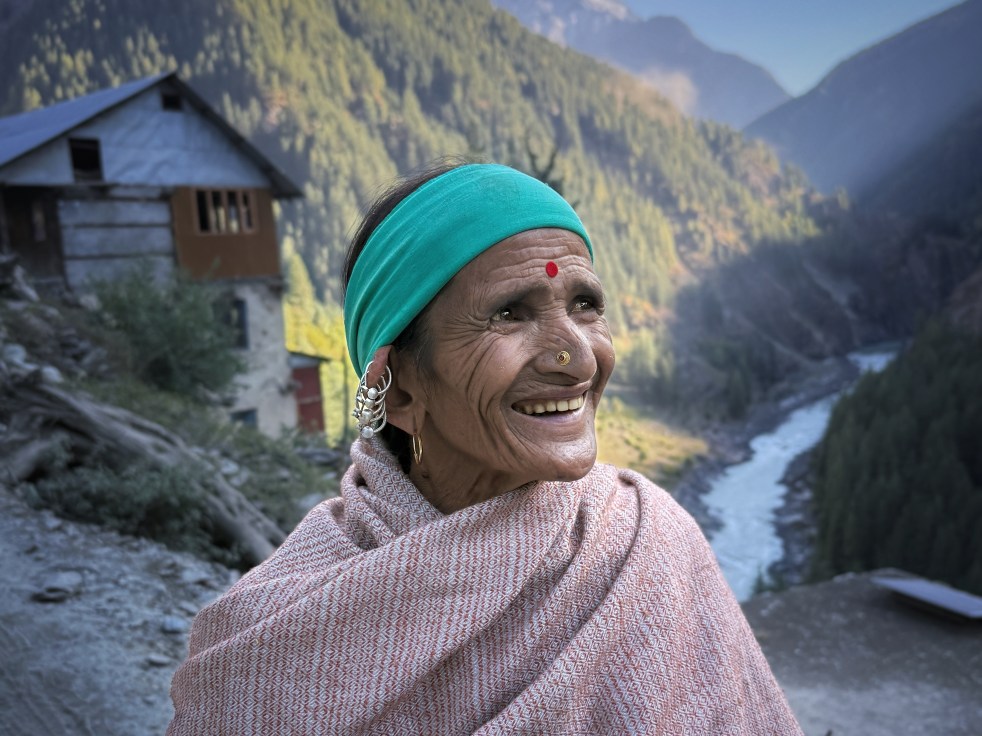
“When Jahlma Nallah starts roaring, we cannot sleep. It has been flooding for the past three years at least” said octogenarian Devi Singhji in October 2024. Jahlma Nallah, which joins the Chenab and blocks it occasionally, flooded again catastrophically in the monsoon of 2025.
Last October, we were about 15 kms from Chasoti in the Paddar valley of Jammu when we met Dular Singh jee, Priest of Machail Mata Temple, accompanied by other members of the Temple Management Board. They were on their way to Mindhal Mata Temple also on the banks of Chenab in the neighboring Pangi Valley. Theirs was a journey upstream and ours was downstream. We talked of Chenab, floods, Mindhal and Machail Mata Yatra (pilgrimage) and beautifully carved wooden temples of this region.
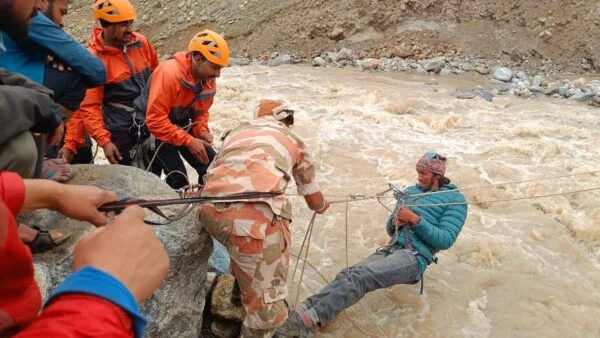
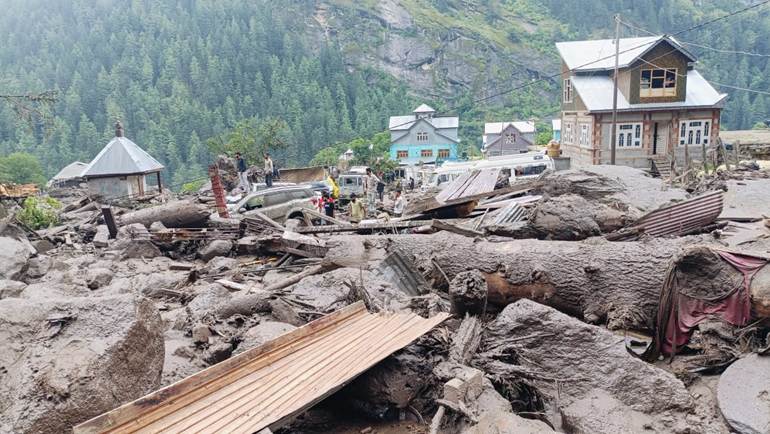
And today, Dular Singh jee, who is just 3kms from Chasoti, tells me in voice choked with emotion, “I have not seen such a catastrophic flashflood in my life.” The flood that started around 12 noon on Aug 14 2025, devastating Machail Mata yatra and pilgrims at Chasoti. “Mata Rani sabki raksha kare”. (May the deity protect all). He is also worried about villages like “Hangu, Hanoti, Hamori and Bhajanu Nalla”.
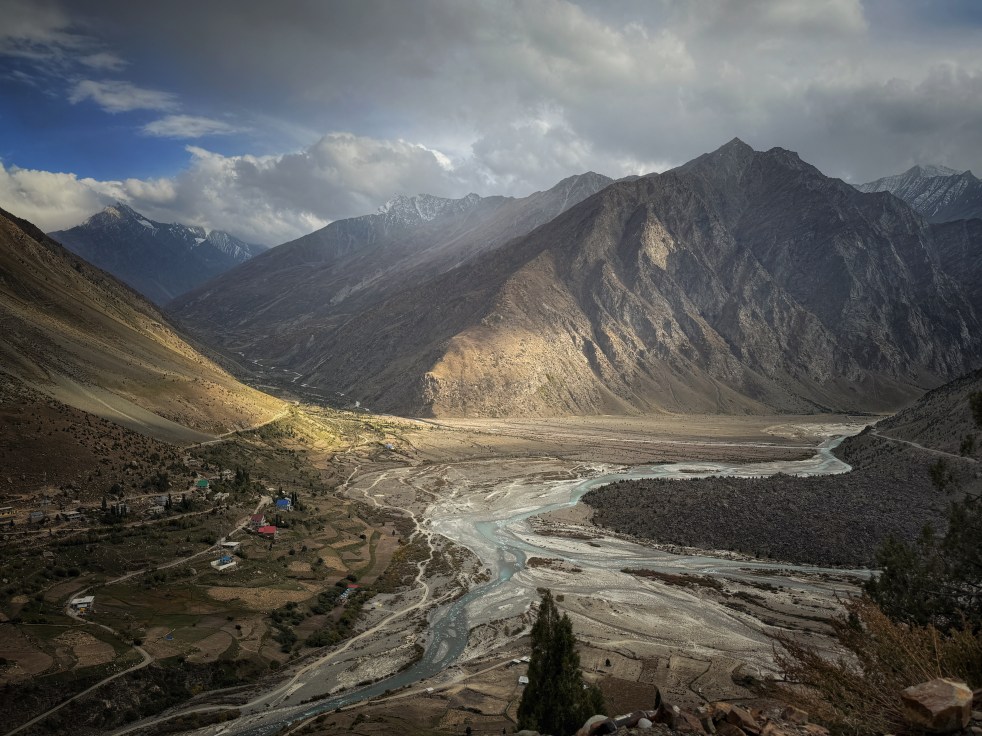
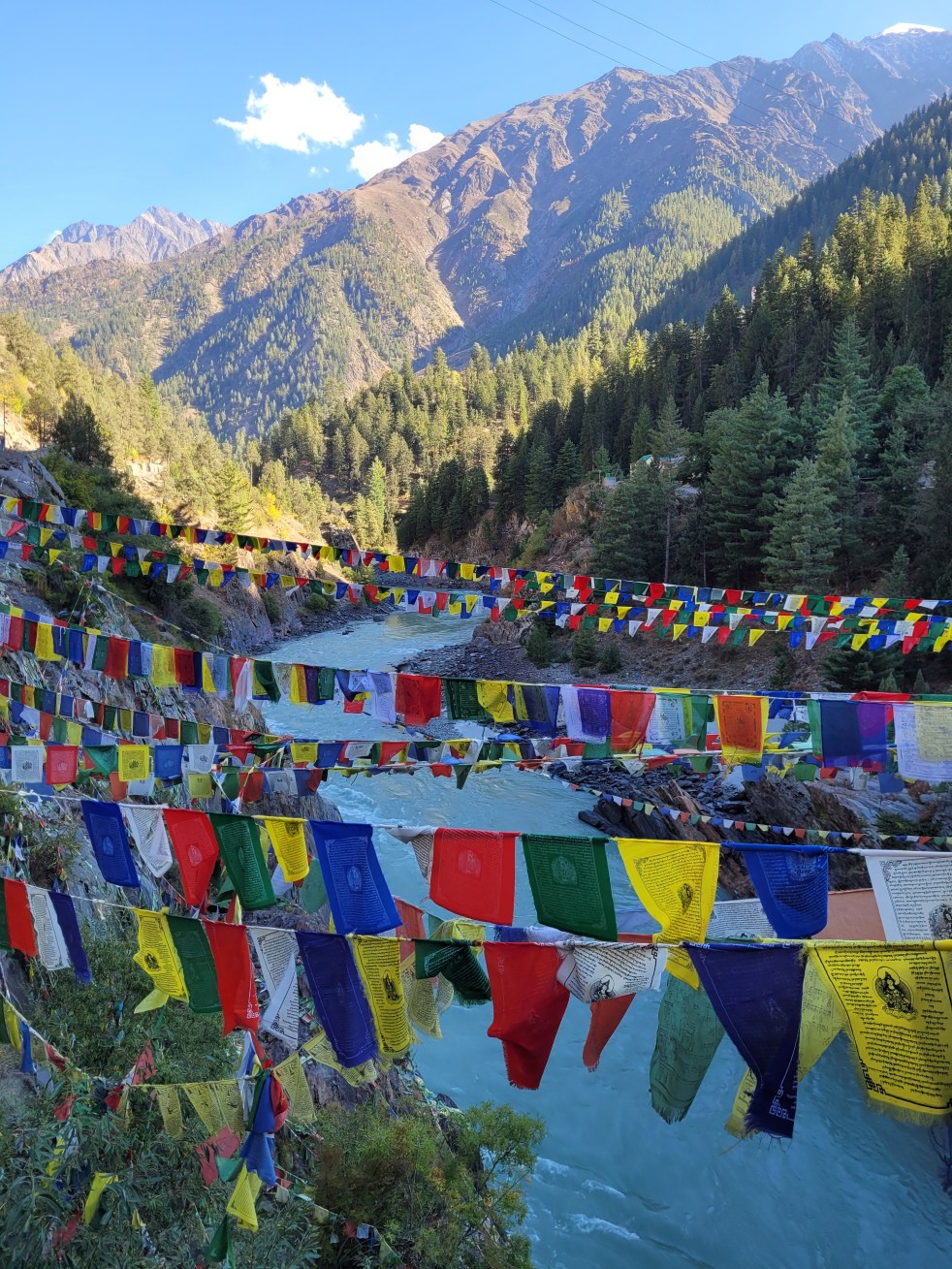
On a crisp September morning, we clank across an iron suspension bridge on the River Chandra to enter the valley of Bhaga. We are tracing the origins of Bhaga and will be reaching Barlacha La pass at an altitude of 15,900 feet in a few hours. Madly fluttering prayer flags swaddling the bridge and the roaring river below make it seem as if, like the prayers, we are adrift on the wind too. Below, on the toasty river sands, a few men doze like monitor lizards.
The current developments around Indus Waters Treaty are deeply troubling. Following the heinous attack on tourists in Pehelgam, India has announced that Indus Waters Treaty, the only water sharing mechanism between India and Pakistan put in place in 1960, has been put in abeyance.
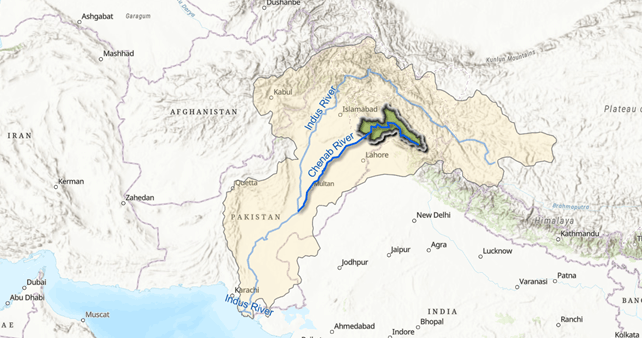
At the village of Jasrath in Lahaul and Spiti, the River Chandrabhaga’s current is swift and strong like a rambunctious toddler. The river is new here, birthed just 16 kms upstream at the confluence of the Rivers Chandra and Bhaga. Chandrabhaga will be named as Chenab only after a journey of about 400 kms downstream. Chenab is one of the largest tributaries of the River Indus whose expansive basin feeds over 250 million people in the heart of Asia.
Lahaul and Spiti district in Himachal Pradesh is a cold desert with very little rain, but the narrow ribbons of land along the Chandrabhaga are emerald with willows, apple orchards and cultivated farms. This is precious land.
Chenab, which translates as the Moon River is the largest of the five tributaries of River Indus. It flows for about 974 kilometers from the High Himalayas of Lahaul to the forests of Jammu and Kashmir and onto the plains of Pakistan. Its main tributaries in India include Miyar, Marusudhar and Tawi. In the vast plains of Punjab in Pakistan, it is met by Jhelum, Ravi and Sutlej to form the mighty Panjnad before it meets the Indus. Its catchment, spread across 67,430 km2, is shared between the two countries.
Chenab is Chandrabhaga (Crescent Moon) in its headwaters. It was the River Asikni in Rigveda, and the Acesines for the ancient Greek. From sparse mountain settlements of Lahaul to the bustling urban centers of Sialkot, more than 10 million people live and prosper along the Chenab. Hydropower projects operational and under constructions on the river have an installed capacity of more than 5000 MW (Central Electricity Authority 2024), and its canals irrigate hundreds of thousands of acres in Pakistan and India (Shakir et al).
Increasing incidences of Glacial Lake Outburst Floods (GLOFs) are being experienced in the Indian Himalayas. One of the most notable examples of GLOF was the Chorabari Lake GLOF that occurred on 16th June 2013 in Kedarnath, Uttarakhand[1] which was triggered by heavy rainfall induced mass movements into the lake. The GLOF devastated villages of Kedarnath, Rambara, and Gaurikund. Around 6,000 people were officially killed, and a significant number of the deaths were linked to the GLOF. Countless bridges and roads were washed away, and about thirty hydropower plants were affected or completely devastated. Several Hydropower projects resulted in exponential losses to life and livelihoods. Whole of Uttarakhand was affected in the disaster, and a significant proportion of it was related with GLOF.
(Feature image: Video grab of artificial lake on Chenab river. Source Weatherman Shubham @shubhamtorres09, Twitter, Aug. 16, 2022)
Debris brought by flash flood in Jahlma nullah blocked[i] the flows of Chenab (Chandrabhaga) river for about 6 hours in Udaipur tehsil of Lahual and Spiti district, Himachal Pradesh forming a huge lake. The incident occurred following heavy rainfall on August 15, 2022 night.


 SANDRP