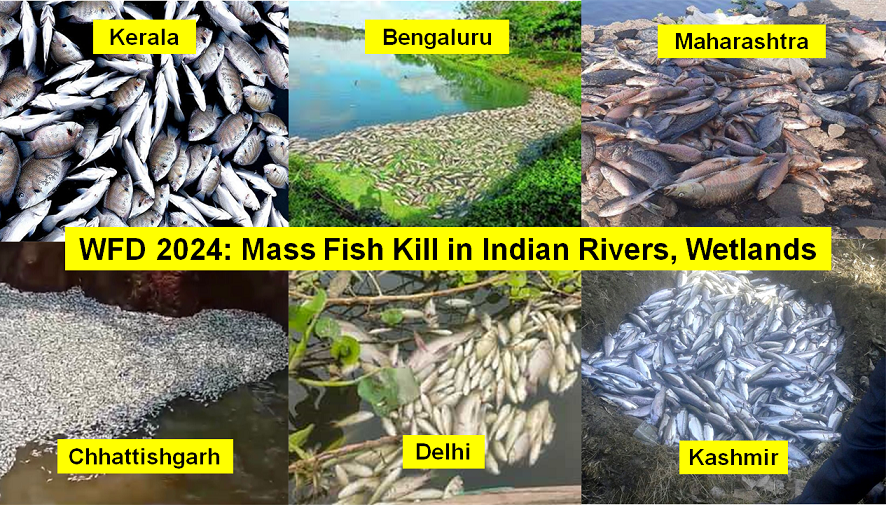
Over the past several years Indian rivers, wetlands have been witnessing mass fish death incidents primarily due to decreasing flows, increasing pollution and other anthropogenic activities. As we celebrate World Fisheries Day 2024, SANDRP compiles the reports revealing mass fish kill incidents in our rivers and wetlands over the past one year across. The first part of year end analysis has covered positive development on fish, fisheries and fisherfolks and the second part has highlighted how fish and fisherfolks have been facing existential crisis on account of adverse impacts of developmental activities in the country.
Continue reading “WFD 2024: MASS FISH KILL in Indian Rivers, Wetlands Continue…”Tag: Yamuna
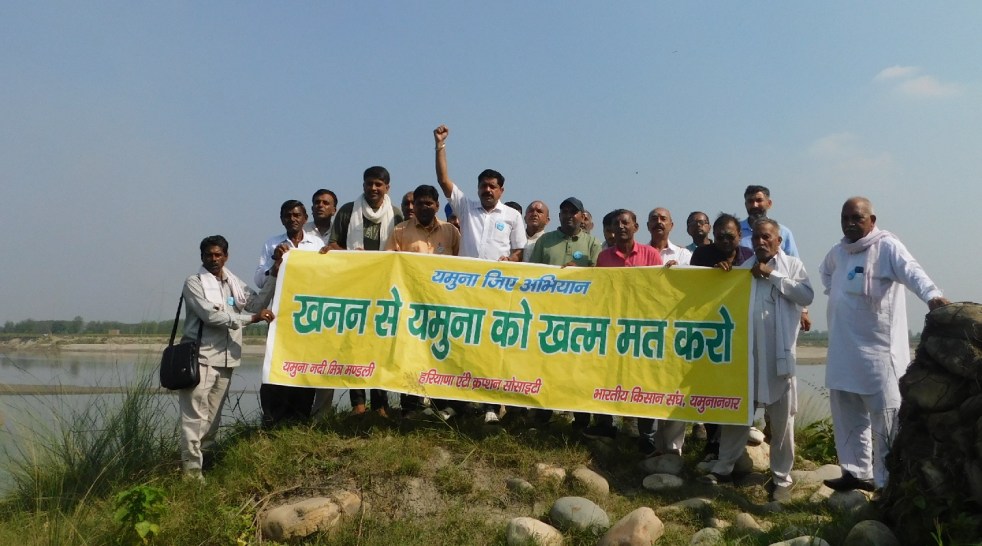
Yamuna Manthan 061124: Save River from ‘Illegal’ Sand Mining
(Feature: Members of Haryana Anti Corruption Society, Yamuna Nadi Mitra Mandli, Bhartiya Kisan Sangh, Yamuna Nagar raising concerns over unabated unsustainable riverbed mining in Yamuna in Gumthala Rao, Karnal on Oct 07, 2024.)
Large scale riverbed mining has become most underestimated and least discussed threat for Yamuna rivers. While increasing pollution has turned the river stretch between Delhi and Agra ecologically dead, the rampant sand mining has been severely damaging the Yamuna eco-system in upper and lower segments.
Presently, the mining menace is quite rampant in Paonta Sahib, Yamuna Nagar, Saharanpur, Karnal, Shamili, Panipat, Sonipat, Baghpat and Ghaziabad districts along the river in upper segment. Similarly, in lower segment the main stem of river as well as its key tributaries Chambal, Sind, Betwa, Ken have been bearing the burnt of unsustainable sand mining.
Continue reading “Yamuna Manthan 061124: Save River from ‘Illegal’ Sand Mining”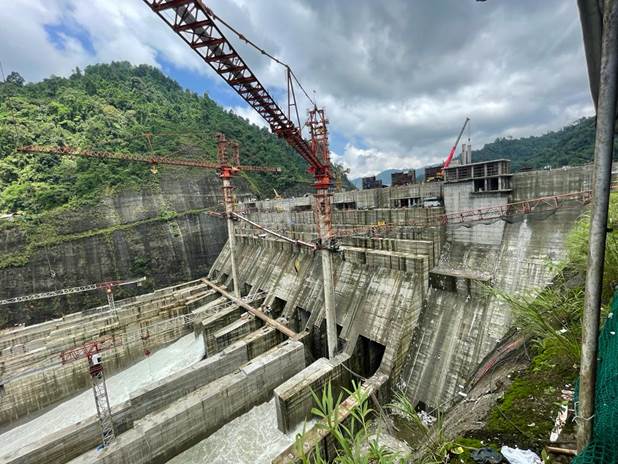
DRP 041124: Study says Big Dams are costly gambles or frauds?
(Feature Image: Lower Subansiri HEP dam. Source: PIB, June 2023)
An interesting study reported this week reveals Big Dams are costly gambles and explains why this is so. In fact, the explanations go on to reveal that this is by design, the costs are systematically under estimated and benefits are exaggerated, so the dams fail to provide the promised benefits. So Big Dams are actually not gambles, but frauds. They get away with all this due to lack of transparency and accountability in the governance, the study reveals.
For those following the global debate on big dams over the decades know that there is nothing new here. A number of studies earlier exposed all this, including the Independent Review of the Sardar Sarovar Project instituted by the World Bank, the World Commission on Dams report, the India Country study done for WCD, among others.
Continue reading “DRP 041124: Study says Big Dams are costly gambles or frauds?”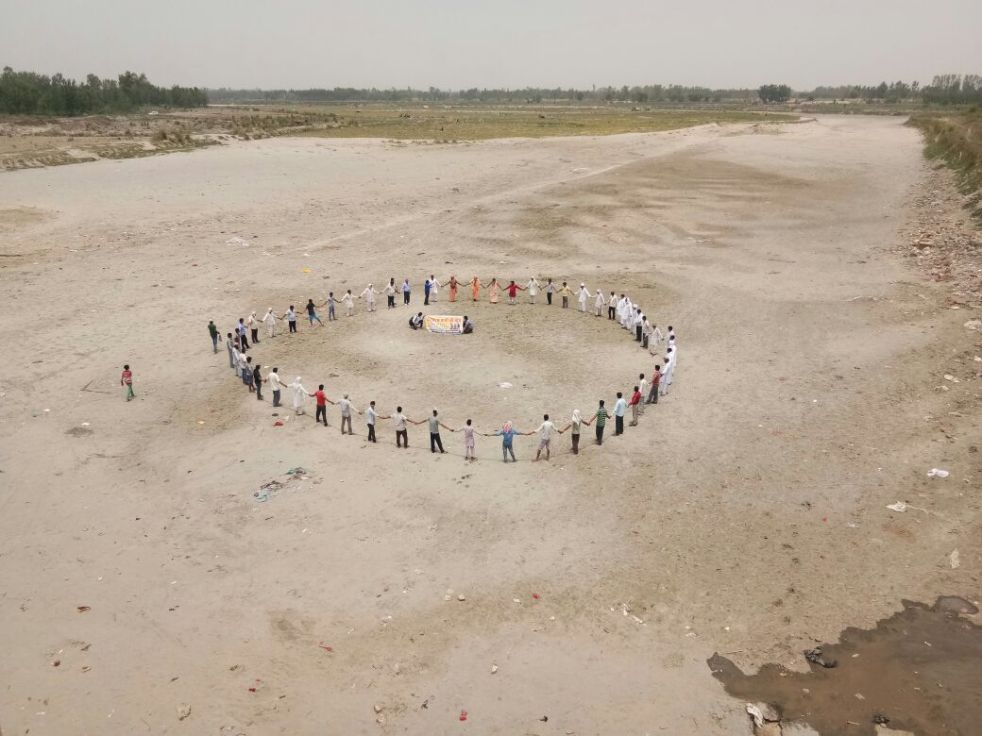
यमुना में पर्यावरणीय प्रवाह बढ़ाने के हों ठोस प्रयास
(Feature Image: Bone dry Yamuna riverbed at Mawi, Kairnana. (Image Bhim Singh Rawat, June 2010)
सर्दी शुरू होते ही दिल्ली में यमुना नदी में झाग की समस्या चरम पर पहुँच जाती है। इसी के साथ कई दिनों तक ओखला बैराज के नीचे नदी सतह पर तैरते ‘आइस बर्ग’ की भांति दिखने वाले झाग के बड़े-बड़े खंड लोगों के आकर्षण और मीडिया की सुर्ख़ियों का केंद्र बन जाते हैं। बढ़ते नदी प्रदुषण पर नागरिकों की बढ़ती चिंताओं और नदी प्रेमियों के बढ़ते सवालों के बीच राजनितिक दोषारोपण का दौर शुरू होता है। समस्या का फौरी निराकरण करते दिखने के प्रयास में संबंधित सरकारी विभाग आनन-फानन में कुछ आधे-अधूरे कदम उठाते हैं। त्यौहार और खास तौर पर छठ पर्व समाप्त होते ही, लोगों की नदी पर जाने वाले भीड़ कम हो जाती है और दो-तीन सप्ताह बाद सब यमुना नदी में बढ़ते प्रदुषण और झाग की समस्या को भूल जाते हैं। लगभग एक साल बाद फिर से यह क्रम दोहराया जाता है जब सर्दी के समय झाग के आगोश में लिपटी प्रदूषित यमुना, नागरिकों की उदासीनता और नदी सफाई योजनाओं की नाकामी को उजागर करती है।
Continue reading “यमुना में पर्यावरणीय प्रवाह बढ़ाने के हों ठोस प्रयास”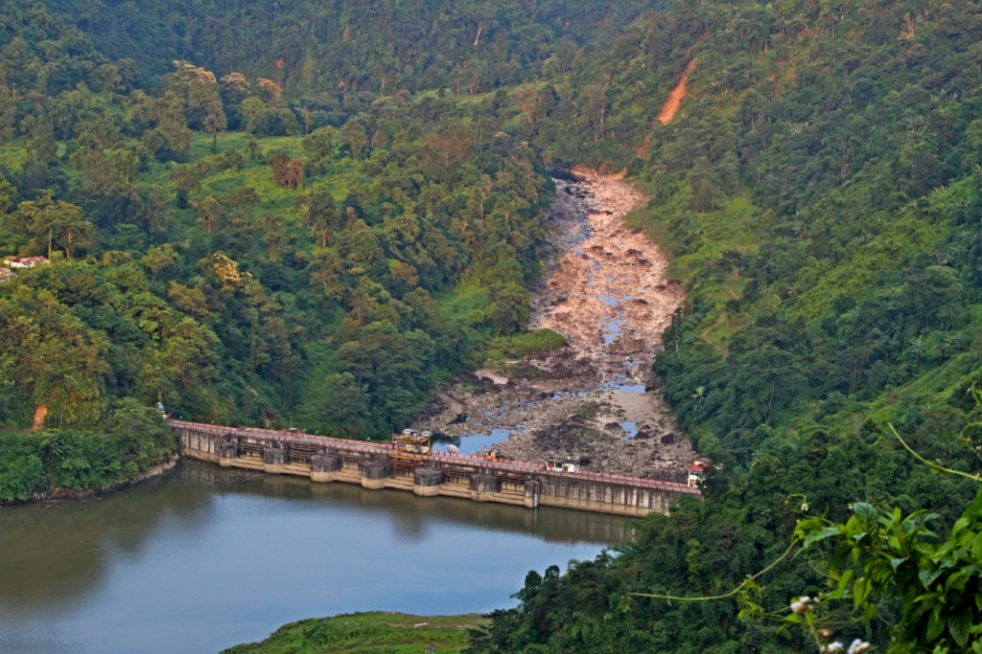
DRP 28×24: Hydropower Impacts on Biodiversity
(Feature Image: The Ranganadi dam in Arunachal Pradesh. In February 2019 the dam released an unprecedented amount of silt, with severe impacts for the river’s biodiversity and the livelihoods of people who live along its banks. Image Credit: Karen Conniff / Flickr, CC BY-NC 2.0/Source: Dialogue Earth)
A new study of available scientific publications on impact of Hydropower projects on biodiversity provides a thorough review of the subject. The review does not directly give a call not to construct more such destructive projects. But it is useful for anyone concerned about the impact of dam projects on rivers.
The study discusses the impacts of hydropower projects on both aquatic and semi-aquatic species in riverine ecosystem and cumulative impacts spatially and temporally across river basins. Dams disrupt longitudinal connectivity and act as physical barriers in upstream-downstream movement of species. Upstream of dam, there is static water environment rather than flowing river environment. In the downstream, the hydropower projects adversely affect the water flow, sediment flow, thermal regimes, affecting water quality and environmental cues for the fish movement. All these also affect the floodplains both upstream and downstream.
Continue reading “DRP 28×24: Hydropower Impacts on Biodiversity”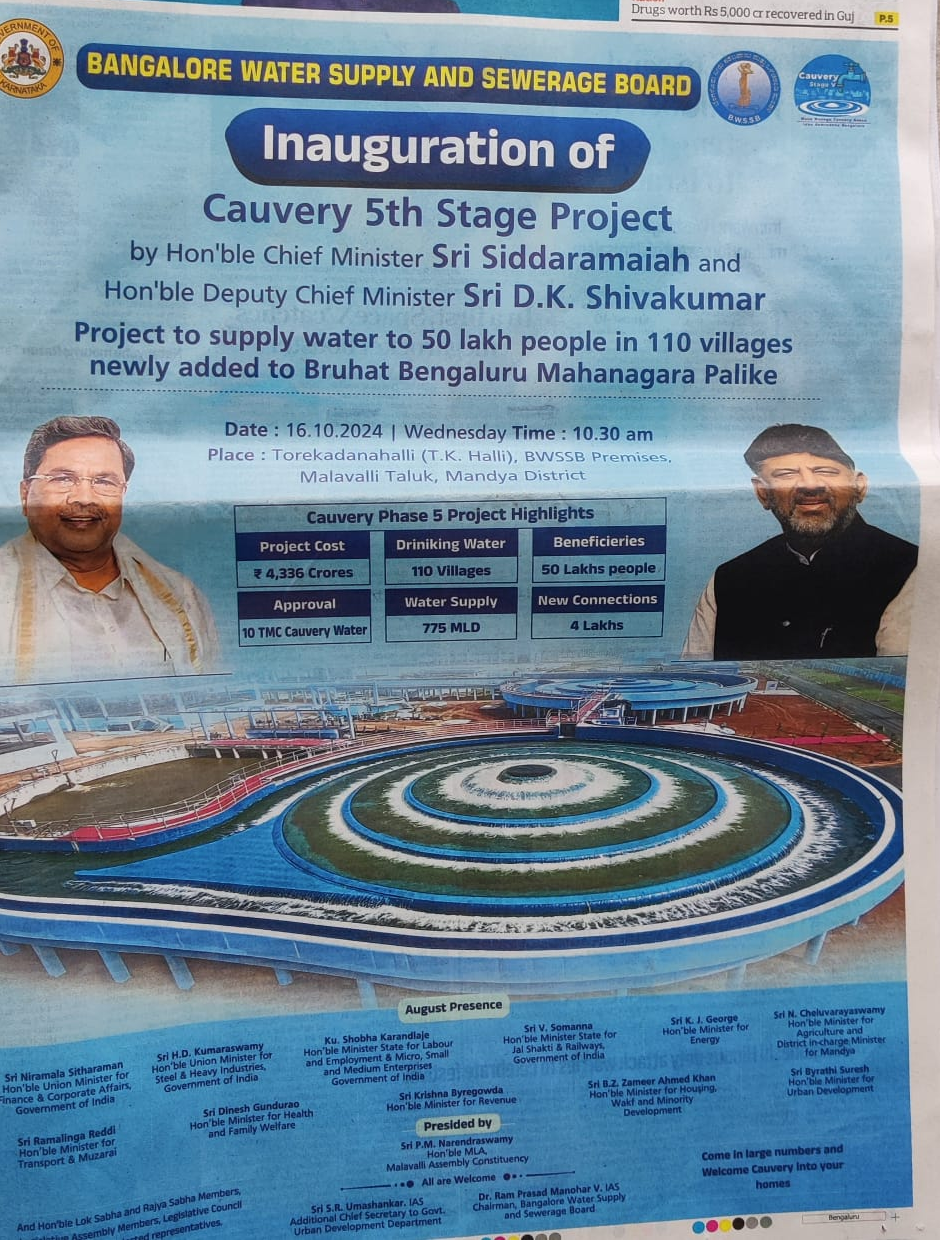
DRP 14×24: Big Dams, Long distance water will not solve Urban Water Crisis
In a pointed article this week, Sachin Tiwale rightly writes that Mumbai does not need more dams, but needs to fix the distribution of more than enough water that it gets currently. Same is the case with highly capital and energy intensive 5th stage of Cauvery Water Supply being inaugurated on Oct 16 by the Karnataka Chief Minister and Deputy CM for Bangalore, advertised through full page advertisements today (Oct 14) in newspapers in Bangalore.
What the India’s cities need is to exhaust the potential of local water resources, including rain water, local water bodies including rivers, groundwater recharge, recycle and reuse of treated sewage and also demand side measures, including fixing the distribution and reducing transmission and distribution losses. All of this needs attention through a National Urban Water Policy that will also fix the Urban Water Governance.
Continue reading “DRP 14×24: Big Dams, Long distance water will not solve Urban Water Crisis”
DRP 07×24: Global Dam Safety Challenge in Changing Climate
It is increasingly clear that Large Dams across the world are facing increasing challenge due to climate change. In recent years, we have already seen serious dam disasters in Australia, Brazil, Canada, India, Kenya, Libya, Nepal, Nigeria, Poland, Spain, Sudan and USA to name just a few.
All these are related to extreme rainfall events, which are going to only increase in intensity, frequency and spread. It is interesting that hydro industry platform has come out with this report highlighting this issue this week.
For a country like India, the third large dam builder in the world, this challenge is going to be even more daunting as we have been seeing the increasing number of dams related disasters in last few years. As we remember the Teesta 3 dam disaster a year ago, the nature and dimension of this challenge becomes even starker. This is also exemplified by the fact that the dam safety panel report about this disaster is not even out in public domain. And even now new theories are being proposed about what happened during the disaster.
Continue reading “DRP 07×24: Global Dam Safety Challenge in Changing Climate”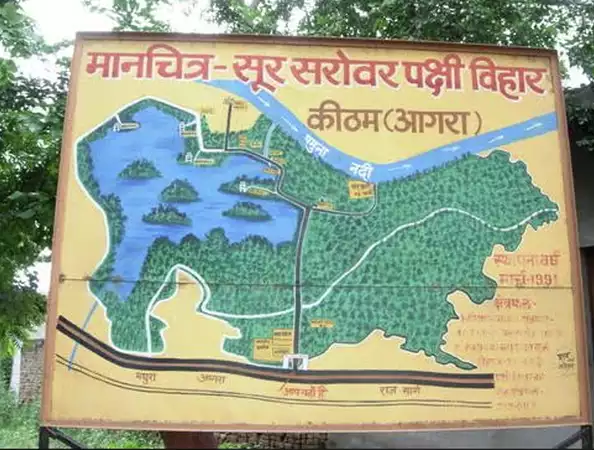
Yamuna Manthan 031024: Threatened River Wetlands
(Feature Image: Soor Sarovar Bird Sanctuary, along with the river Yamuna, is considered to be green lung of the Agra city. Source: ToI report Six-member committee to probe development of Agra Trade Centre in Soor Sarovar eco-zone. Nov. 01, 2018)
The waterbodies, lakes, wetlands in Yamuna basin continue to face damages and threats from many quarters, including concerned govt departments. In latest examples of this, there are reports of Uttar Pradesh govt’s plan to reduce the eco-sensitive zone (ESZ) of Keetham lake to zero. The wetlands also known as Sur Sarovar is a large ox bow lake formed by Yamuna River in Agra. It is a protected bird sanctuary and has been designated a Ramsar site in August 2020. In Sept. 2022, the Supreme Court had directed the govt to increase lake’s ESZ to 799 ha from 403 ha.
Similarly, the Uttar Pradesh govt departments have also been delaying process to notify Dhanauri wetlands as a Ramsar site in Greater Noida. The case is going on in NGT (National Green Tribunal) for the past many years. In the recent hearing held on Sept. 26, the NGT asked govt department to explain reasons behind delay in notifying the wetlands apart from directing it to remove water hyacinth chocking the wetlands. The next hearing will be held on Jan. 27, 2025.
Continue reading “Yamuna Manthan 031024: Threatened River Wetlands”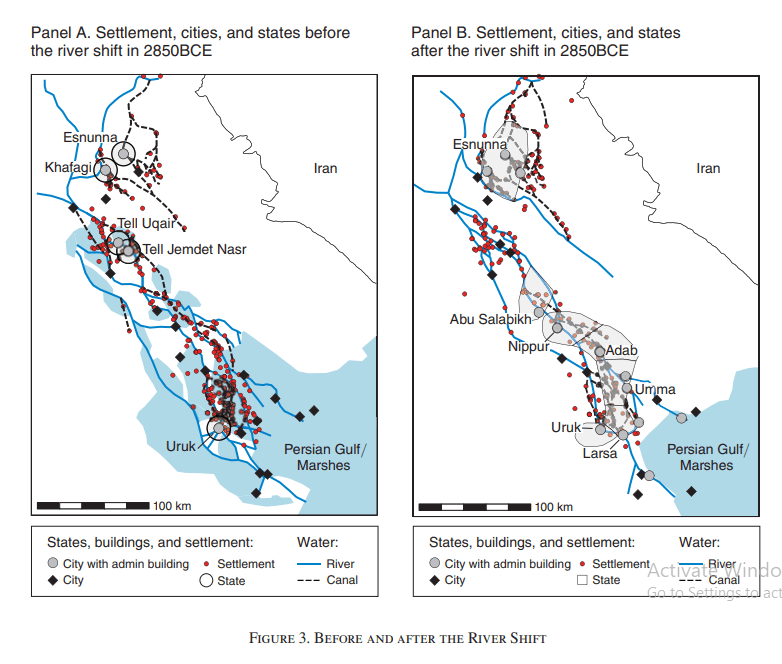
DRP 230924: Role of rivers in the birth of governments
(Feature Image Source: The Economic Origins of Govt)
Interesting research published in 2023 suggests that archaeologists and economists are now learning that dynamic, shifting rivers also created conditions that triggered people to develop some of the first organized govts on the planet.
In the research published in The American Economic Review Robert Allen and two co-authors found that Agriculture and large settlements emerged alongside rivers because they could tap into the gifts of rivers: close access to water and fertile soil. But rivers can move and take those gifts away. So, society developed organized govts to work collectively to regain their access to those gifts.
Continue reading “DRP 230924: Role of rivers in the birth of governments”
Lower Yamuna Basin: 11 Rivers Crossed old HFLs in just 2 days in Sept 2024
(Feature Image: Yamuna rivers in severe flood situation at Pachnada in Etawah, UP on Sept. 14, 2024. Image source Udaybhan)
It is interesting to see that at least 11 rivers at as many flood monitoring sites of Central Water Commission (CWC) located in Bundelkhand region (4 sites) and lower Yamuna basin (7 sites) have crossed old Highest Flood Level (HFL) just in 2 days on September 12-13, 2024. These sites are in 3 different states of Madhya Pradesh (7 sites), Uttar Pradesh (3 sites) and Rajasthan (1 site).
Continue reading “Lower Yamuna Basin: 11 Rivers Crossed old HFLs in just 2 days in Sept 2024” SANDRP