DRP News Bulletin

DRP 290523: Goa Fights to save Mahadayi River

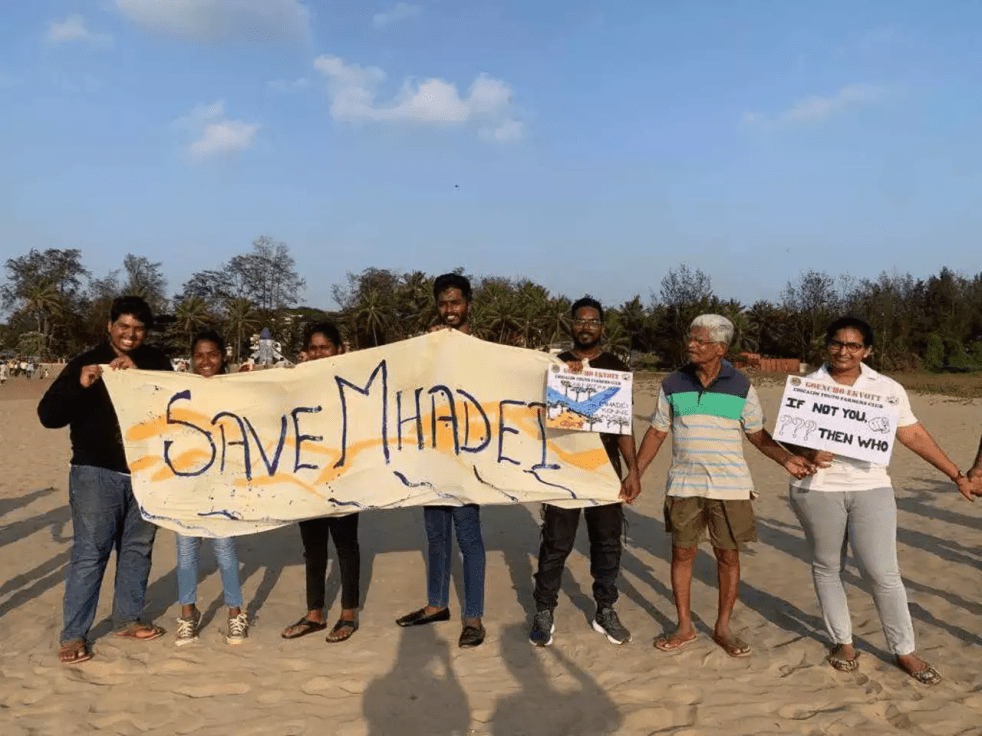
(Feature Image: Thousands form human chain along Mhadei river to celebrate #MahadaiAmchiMai festival. Source: ToI)

On May 20, 2023 when thousands of people of Goa, Rakhondars (protectors) came out to form a 7 km long human chain to save Mhadei or Mahadayi river, they were not only celebrating Goa’s unique Mahadayi River festival, but were also coming together to declare their resolve save and rejuvenate the River that is lifeline of Goa.

A large number of organizations came together, including Earthivist Collective, Goa Heritage Action Group, Save Mhadei Save Goa front, among many others. It was a unique attempt to reconnect with the river, its history, its soul. The people from all kinds of art forms and all walks of life came together in a state where the connection with the river has always been strong for the people.

One hopes their tribe multiplies and they succeed in saving the river from dam building plans and other river affecting activities. That success will provide an example and impetus for river conservation activities elsewhere too.

Continue reading “DRP 290523: Goa Fights to save Mahadayi River”
Urban Water Sector

World Water Day 2023: Positive Urban Water Stories from India

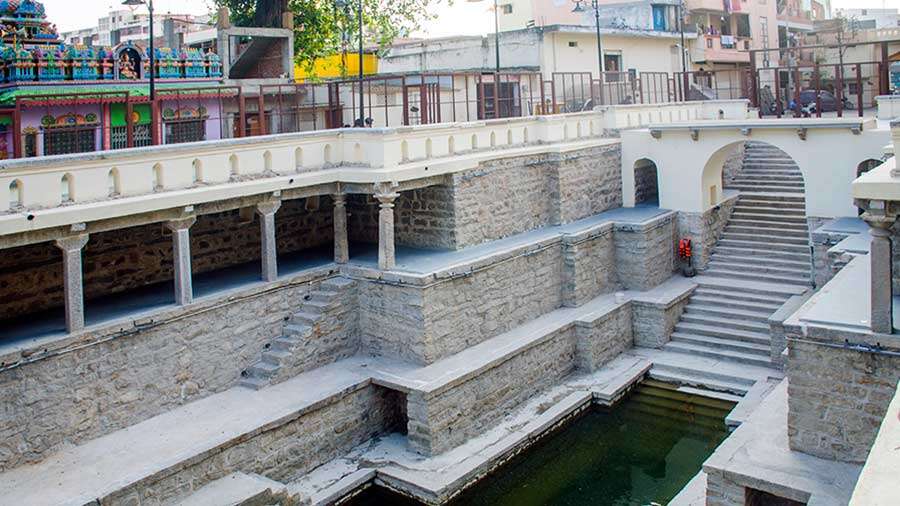
(Feature Image: Revived Bansilalpet stepwell in Hyderabad which has a capacity of over 20 lakh litres. Rangan Datta/Telegraph India.)

Marking World Water Day 2023; this compilation by SANDRP highlights top ten successful and worth replicable initiatives and actions being taken in Indian cities for revival of surface water sources and recharge of depleting groundwater table.

Continue reading “World Water Day 2023: Positive Urban Water Stories from India”
Urban Rivers

Top Ten Judicial Actions on Urban Rivers 2022: Executors Deliberately Delaying, Diluting, Defying orders

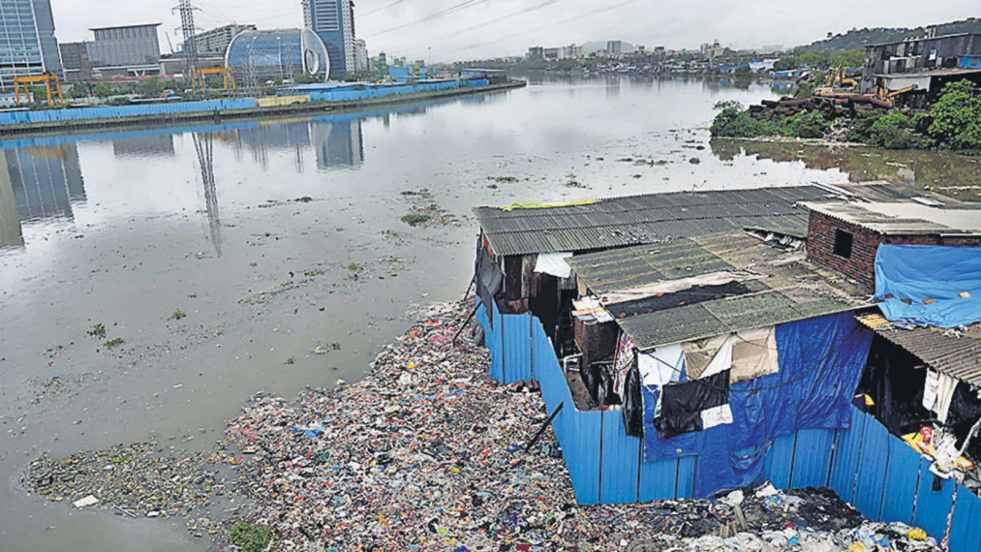
(Feature Image: The order is subject to the orders of the SC which is pending. NGT on Nov. 24, 2021ordered the BMC to deposit within three months an environmental penalty of ₹28.20 crores to the CPCB for discharging raw sewage into the city creeks, rivers and drains. HT Photo)

During past one year, the judicial bodies including National Green Tribunal, Supreme Court, various High Courts have passed several orders and made critical observation while dealing with multiple issues afflicting Urban Rivers in India. This report highlights top ten such judicial interventions across India. The stories underline that the responsible agencies particularly pollution control boards and district, state and union governments have been failing miserably in timely and efficient implementation of these judicial orders, some of which are quite remarkable. If the executive bodies do not show right spirit and seriousness in enforcing the existing rules and court orders the state of India’s urban river only go downhill.    

Continue reading “Top Ten Judicial Actions on Urban Rivers 2022: Executors Deliberately Delaying, Diluting, Defying orders”
Urban Rivers

India’s Urban Rivers in Crisis in 2022: Top Ten Cases

This report highlights top ten cases of the grave crisis faced by India’s Urban Rivers during the past one year.

1. Reality of Sabarmati River in Ahmedabad Effluents from 4 CETPs don’t meet parameters The untreated influent as well treated effluent from 4 CETPs under the Ahmedabad Municipal Corporation jurisdiction do not adhere to prescribed parameters, stated 2 draft reports of CSIR–NEERI. The 2 draft reports submitted to the PCB on March 24, 2022 with respect to functioning of 4 of the total 7 CETPs under AMC jurisdiction — Naroda Enviro Project Ltd (NEPL), Gujarat Vepari Maha Mandal Odhav (GVMM), CETP Green Environment Services Co-op Society Ltd (GESCL) Vatva and CETP Narol Textile Infrastructure & Enviro Management (NTIEM) Narol.

The 2 drafts reports were submitted before the Gujarat HC on March 24 by way of an affidavit by GPCB in relation to a suo motu PIL being heard by the Gujarat HC concerning pollution in Sabarmati river. GPCB in its affidavit submitted that pursuant to the CSIR NEERI analyses of the 4 CETPs, the reports have also been forwarded to the concerned CETPs and have been asked to furnish the timeline of action plan to the GPCB at the earliest. Notably, CM Bhupendra Patel had told the Assembly that Rs 136 crore was spent in 2020 and 2021 to clean up Sabarmati river. https://indianexpress.com/article/cities/ahmedabad/sabarmati-river-pollution-effluents-from-4-cetps-dont-meet-parameters-report-7838085/  (27 March 2022)

Continue reading “India’s Urban Rivers in Crisis in 2022: Top Ten Cases”
Fish, Fisheries, Fisherfolk

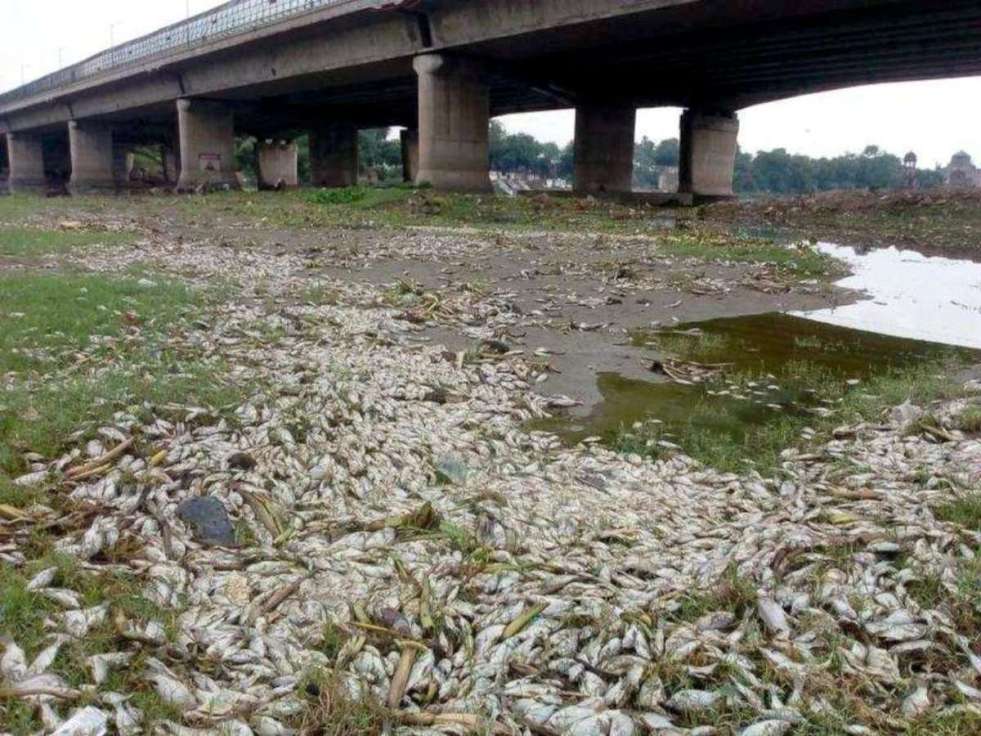
WFD 2021: Incidents of MASS FISH DEATH in India

Feature image:- Thousands of dead fish wash ashore on Yamuna banks in Agra (ToI, 27 July 2021)

November 21, marks World Fisheries Day (WFD) to address the sustainability issue in fisheries sector. The day also signifies the critical contribution of largely neglected indigenous fisherfolk communities facing range of threats over their livelihoods. On WFD SANDRP has been presenting detailed annual reports covering important developments concerning fish diversity, fishery industry and fisherfolks wellbeing.

on WFD 2021, this first part in three part series focuses on mass fish death incidents in India over past one year. The next part will cover successful efforts by fisher communities to protect fish diversity and their livelihoods apart from relevant positive developments. The final part will present the overall status of fish species, fisheries industry and fisherfolks struggles during past one year.    

Continue reading “WFD 2021: Incidents of MASS FISH DEATH in India”
DRP News Bulletin

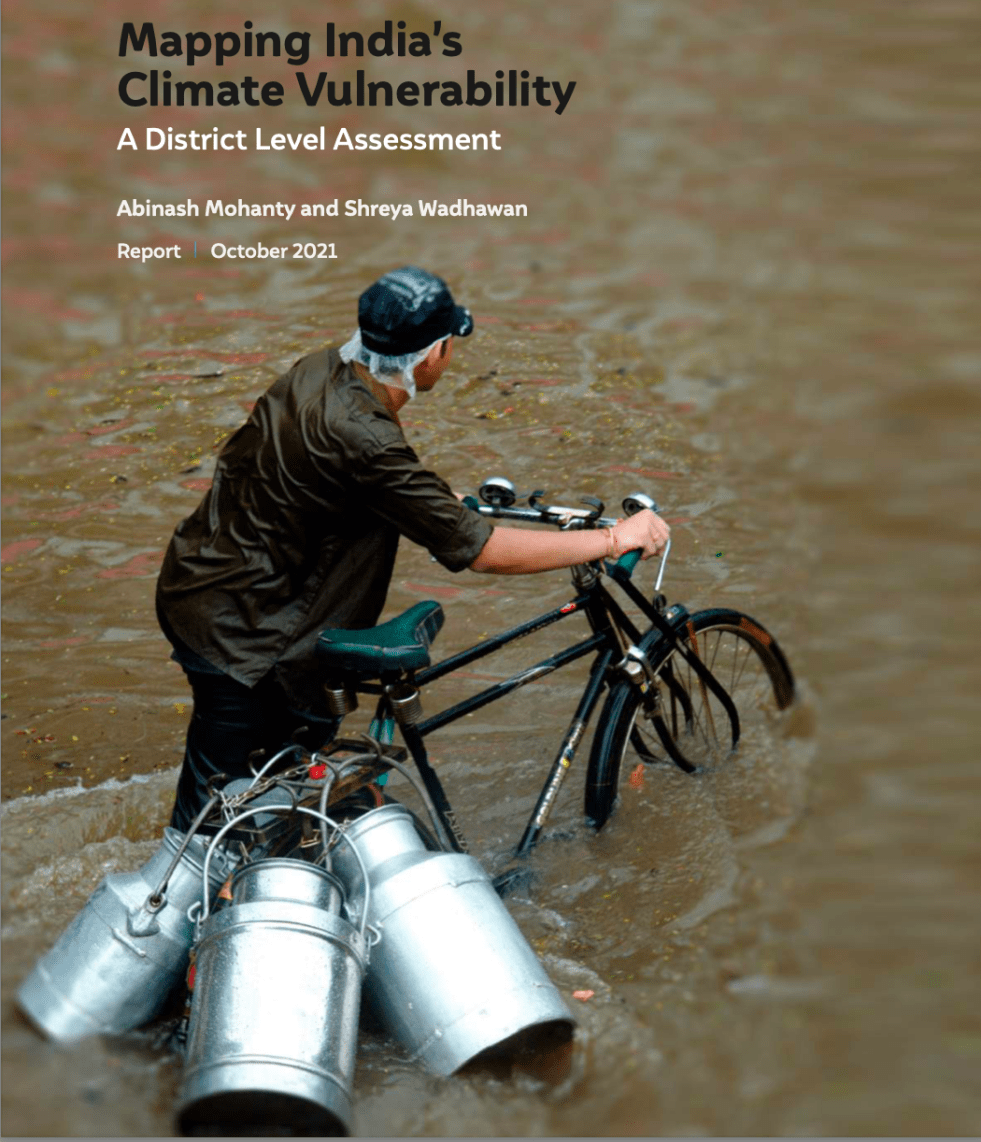
DRP 151121: District Level Vulnerability Assessment in India

This is the kind of study that was long overdue. In fact such a study should have been done before formulating India’s National Action Plan on Climate Change (NAPCC) as SANDRP has been saying since 2009 (see SANDRP critique of NAPCC published under the title “THERE IS NO HOPE HERE) when NAPCC was made public by a dozen wise individuals sitting in a room without any participatory or transparent exercise. One hopes that India will restart the exercise of fresh formulation of NAPCC after doing such a study on an urgent basis, on the lines of the study described below. In any case one hopes the union and state governments will wake up and take up District level vulnerability assessment in India in an independent way on urgent basis.

“This study undertakes a first-of-its-kind district-level vulnerability assessment of India, which maps exposure, sensitivity, and adaptive capacity using spatio-temporal analysis. To do this, we developed a climate vulnerability index (CVI) of Indian states and Union Territories (UTs). Instead of looking at climate extremes in isolation, we map the combined risk of hydro-met disasters and their compounded impacts on vulnerability. By doing so, we aim to inform policy goals in the resource-constrained context of India.

Continue reading “DRP 151121: District Level Vulnerability Assessment in India”
Ganga

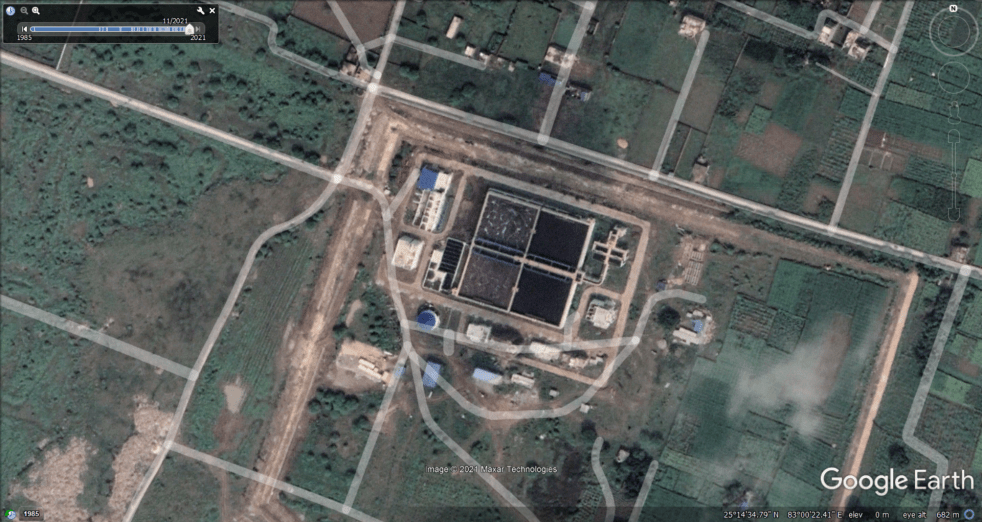
Uttar Pradesh: Curious Case of Ramna STP in Kashi

Large scale Sewage Treatment Plants (STP) are being promoted as must have infrastructure to control Urban sewage pollution in rivers across the country. However, most of the Large Scale STPs are mired in controversies from planning to construction and during operational phase, often failing to achieve the basic objective for which they are built, investing crores of rupees. A case in point is Ramna STP of Kashi, Uttar Pradesh. Interestingly, this is a story from Varanasi, many also call it Banaras, the parliamentary constituency of Prime Minister Shri Narendra Modi.

Continue reading “Uttar Pradesh: Curious Case of Ramna STP in Kashi”
Delhi · Urban Water Bodies

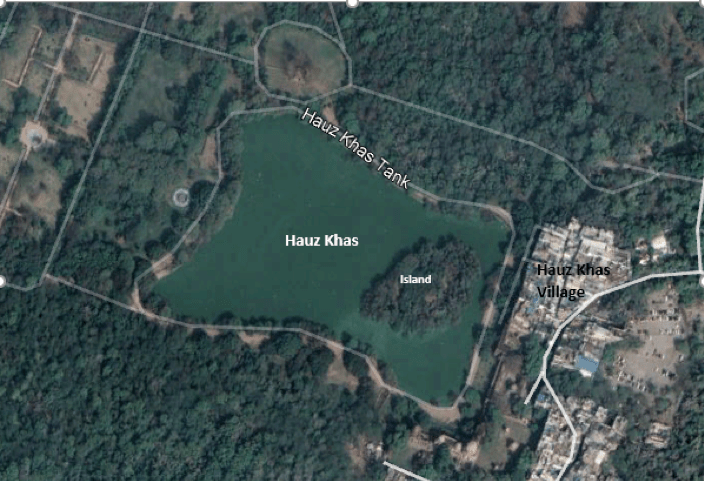
Revival Of Hauz Khas Lake, Delhi: A Pioneering Adventure of INTACH

Guest Blog by Manu Bhatnagar

Even as the water crisis gathers pace time is playing out a requiem for lakes and wetlands. Poor understanding of hydrology, greed driven capture of wetlands by real estate, the adoption of the shortest straight line path by infrastructure development agencies, the effort by engineers to make everything straight and neat by concretization, the plummeting of groundwater tables and the interception of free flowing surface runoff by alteration of basin characteristics are the major drivers of the rapid extinction of our waterbodies.

Continue reading “Revival Of Hauz Khas Lake, Delhi: A Pioneering Adventure of INTACH”
Yamuna River

Perennially non functional Common Effluent Treatment Plants in Yamuna Basin

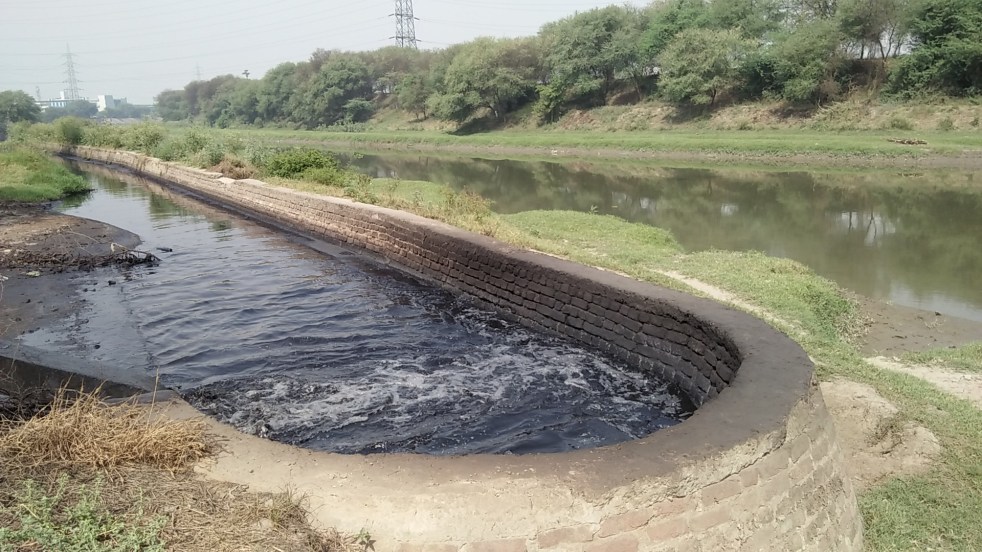
Chances are higher that you find a CETP malfunctioning on repeated visits for same commonly made lame excuses. (Feature image 4 MLD Kundli CETP discharging effluents without any treatment into drain number 6, while drain number 8 flowing next to it. Image taken on May 11, 2019 by author)

“Oh my God, its unbearable” was the first expression came out of my mouth instinctively and instantly, while standing at the outlet of Common Effluent Treatment Plant (CETP) in Sonipat District, Haryana. The plant was located in Kundli Industrial Area along DN (Drain Number) 8 at Delhi Haryana border. It was the morning of May 11, 2019 while observing status of DN 6, along with my friend Yayati Bhardwaj.

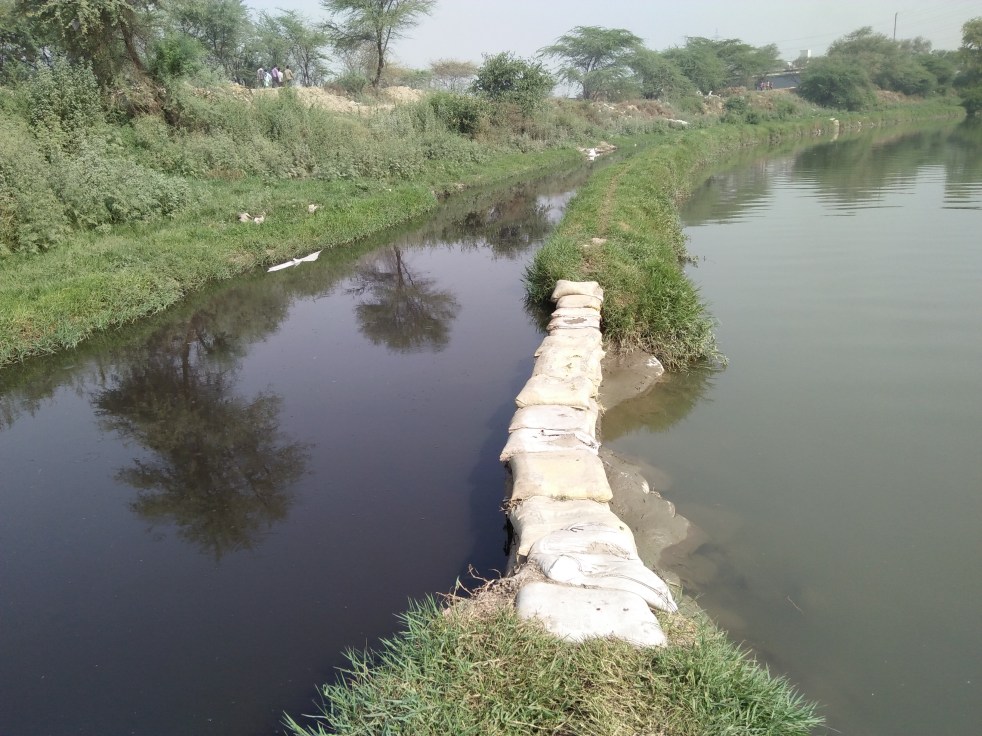
DN 6 carries industrial and domestic effluents from a large area of Panipat and Sonipat districts while DN 8 supplies potable water to Delhi via Yamuna river. Both drains run parallel for a length of 10 km and more than often intermix due to breaches and spill-overs. To know more about this, see: Delhi’s Drinking Water is 9 inch Wall away from Toxic Industrial Effluents & Sewage.

Continue reading “Perennially non functional Common Effluent Treatment Plants in Yamuna Basin”

Yamuna River

Delhi’s Drinking Water is 9 inch Wall away from Toxic Industrial Effluents & Sewage

Feature image showing drain number 6 with industrial pollution running along drain number 8 which carries raw water for potable water supply to Delhi. The over spill in drain number 6 is plugged with sand bags. Image by author, May 11, 2019 

Role of Drain Number 8

About 300 cusec of water is supplied to Delhi via Drain Number (DN) 8. The drain branches off from Western Yamuna Canal (WYC) near Garhi Bindroli village in Sonipat. The total length of the drain is about 25 km. It carries Delhi’s share of water and discharges it into River Yamuna at Palla, where the river enters Delhi territory.

The water then flows 21 km downstream up to Wazirabad barrage where it is treated at Wazirabad Treatment Plant (WTP).  This plant also supplies water to New Delhi Municipal Council (NDMC) areas which includes President House, Parliament areas among other prominent VIP residential units. 

Continue reading “Delhi’s Drinking Water is 9 inch Wall away from Toxic Industrial Effluents & Sewage”