Wetlands

World Wetlands Day 2025: More Judicial Decisions, Less Actions by Govts

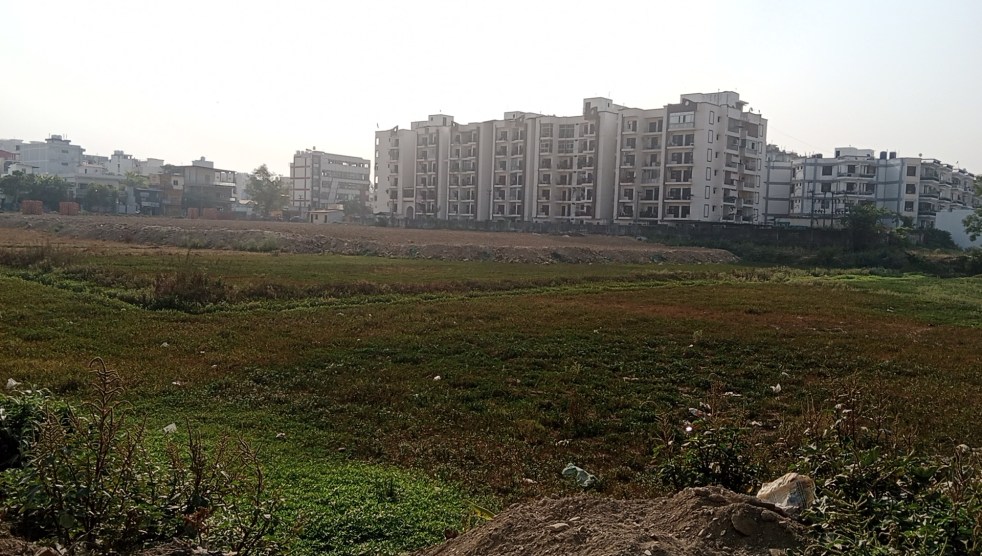
(Part of a marsh land already covered by residential buildings in Asan river basin in Dehradun being filled up further in May 2024. BS Rawat/SANDRP)

Continue reading “World Wetlands Day 2025: More Judicial Decisions, Less Actions by Govts”
Wetlands

WWD 2024: Both Wetlands & Human Beings Remain Neglected

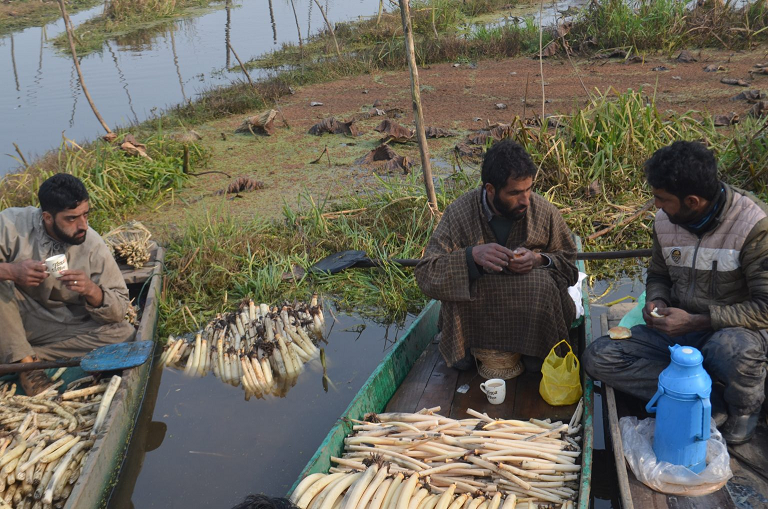
(Feature Image: Struggling for survival: The harrowing lives of Anchar Lake Nadru harvesters. The Nadru harvesters highlight the lack of safety measures, as they can only afford low-quality wetsuits. Haseeb Ibm Hameed/Greater Kashmir)

Continue reading “WWD 2024: Both Wetlands & Human Beings Remain Neglected”
Dam Safety

2023: Safety & Sustainability Concerns On Dams & Hydro Power Projects in India

Continue reading “2023: Safety & Sustainability Concerns On Dams & Hydro Power Projects in India”
Dam Safety

Uttarakhand: Aging Bhimtal Dam Raising Serious Safety Concerns

(Feature image: Arial view of Bhimtal Lake and dam. Source:- Postoast.com)

All is not well with Bhimtal dam in Nainital district, Uttarakhand. On March 8, 2021 morning, the fillers from its protection wall wobbled out. It sparked panic among local residents living near the largest lake of Kumaon region. For past couple of years they have been concerned about the structural safety of the aging dam. The 138 years old dam has already been in news for vertical cracks and recurring seepages.

Continue reading “Uttarakhand: Aging Bhimtal Dam Raising Serious Safety Concerns”
Dams · Wetlands

India Ramsar Wetlands in Crisis in 2020

Ramsar wetlands in India require urgent intervention for central, state governments and Ramsar Convention as this 2020 report shows. The five regional reports from India in 2020 show that despite Ramsar tag, the fate of these wetlands has seen no marked improvement. This raises the question as to how helpful for wetlands in India is the Ramsar tag.

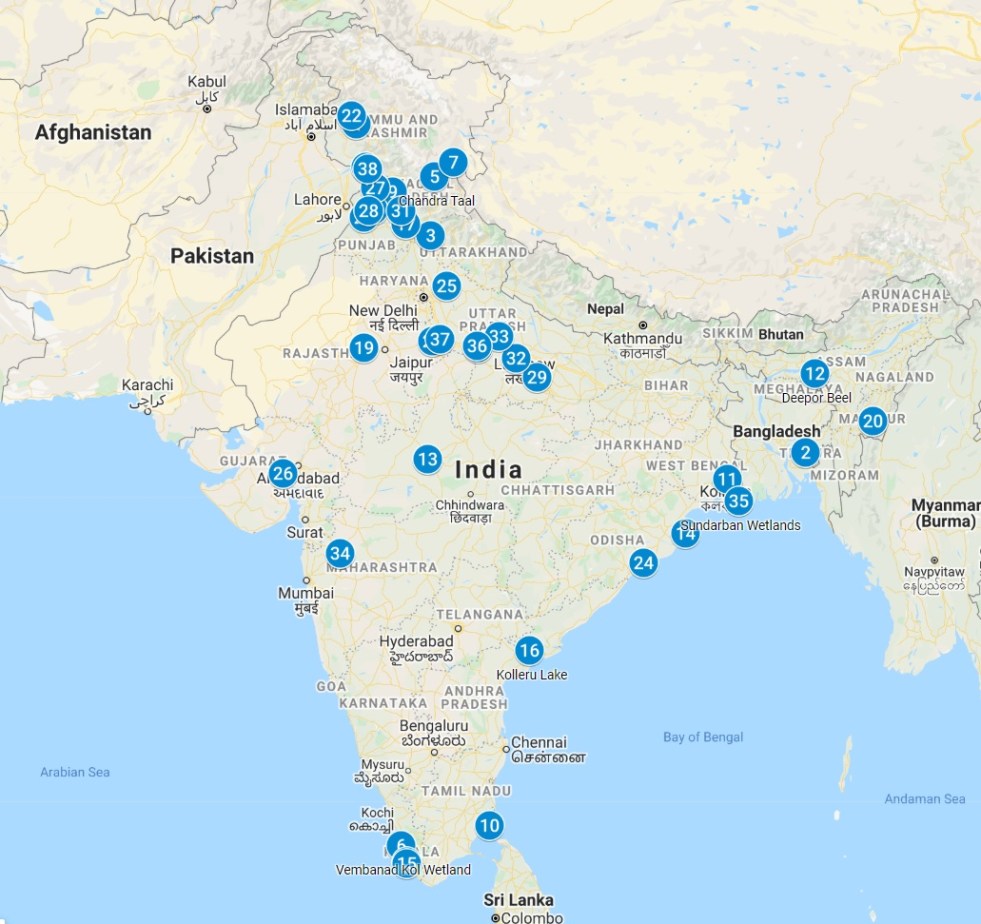
In 2019, India has added 10 more wetlands selected under Ramsar Convention taking total number of Ramsar wetlands in the country to 37 covering about 10,679.39 sq km area across 15 different Indian States and two Union Territories (UTs).  A description of each of India’s 37 Ramsar wetlands, as given on official Ramsar website is given in Annexure below. A decade after the first meeting at Ramsar in Iran for wetland protection in 1971, India got its first wetlands, Chilika lake (Odisha) and Keoladeo National Park (Rajasthan) registered as Ramsar wetland of global significance in Oct 1981.

Continue reading “India Ramsar Wetlands in Crisis in 2020”

Dams · Wetlands

Ramsar Wetlands in Crisis 2020: South India

Out of six states/ Union Territory in South India, three stares have five Ramsar wetlands sites which include one each in Andhra Pradesh and Tamil Nadu and three in Kerala. There are no Ramsar wetlands in Telangana, Karnataka and Puducherry. In order to understand and highlight the present day situation of Ramsar sites in India, SANDRP has compiled information on all 37 wetlands under North, West, North East and East zone. This account in the series describes the threats affecting the Ramsar sites in South Indian States.

Continue reading “Ramsar Wetlands in Crisis 2020: South India”

Dams · Wetlands

Ramsar Wetlands in Crisis 2020: East India

In East India there are four Ramsar wetlands: two each in W Bengal and Odisha states. There are no Ramsar wetland sites in Bihar, Jharkhand or Sikkim, the other East India states. Here we provide a status of these Ramsar sites of East India, along with the kind of risks and threats these Ramsar sites face. The objective is to ensure greater awareness about these issues and hope that this will help achieve better responses from Ramsar convention as also the governments at various levels.

Continue reading “Ramsar Wetlands in Crisis 2020: East India”

Dams · DRP News Bulletin

DRP NB 2 March 2020: Will Mumbai rise up against unwanted, destructive Gargai Dam?

Mumbai Metropolitan Region (MMR), with annual rainfall in access of 2000 mm, does not do much to harvest the rain. It does not protect its local water bodies. It does not recharge groundwater to the extent it can easily do. It does not reduce its transmission and distribution losses. It does not treat its sewage to recycle and thus reduce freshwater demand. It does no demand side management. And yet it keeps demanding more water, and for that building of more dams and thus pushing more destruction. Without any credible options assessment. It has no water policy or water vision for smart water management.

The proposed Gargain Dam that will lead to destruction of over four lakh trees in 720 ha forest mostly in Tansa Wildlife Sanctuary, is a good example of how Mumbai is fuelling such dam building and destruction. The Rs 3105 Cr project will have many other impacts, including displacement of tribals and destruction of livelihoods for thousands others. As SANDRP report showed six years ago, (https://sandrp.in/2013/12/20/dams-in-tribal-areas-of-western-ghats-for-water-supply-to-mumbai-why-are-they-unjustified/, https://sandrp.in/2013/12/18/multiple-dams-for-mumbai-region/) and as our letter to the then Maharashtra Chief Minister emphasised in 2015 (https://sandrp.in/2015/01/13/water-smart-mumbai-open-letter-to-cm-devendra-fadnavis/), MMR region does not need any of these dams.

It was good to see MID DAY news paper report and EDIT highlighting some of these issues. Will the people of Mumbai Rise up, to stop this destructive dam, being pushed in their names, the way they stood up to save the far fewer Aarey Milk Colony trees?

Continue reading “DRP NB 2 March 2020: Will Mumbai rise up against unwanted, destructive Gargai Dam?”

Dams · Wetlands

Ramsar Wetlands in Crisis 2020: North India

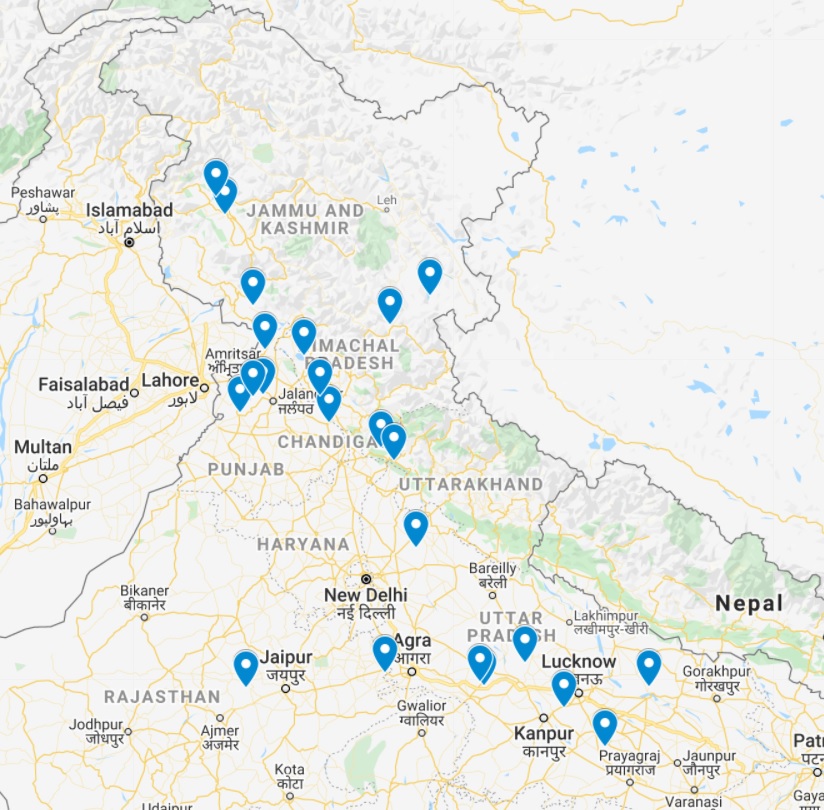
In the second half of 2019, ten additional wetlands of India have been recognized as Ramsar sites taking the total tally of such wetlands from 27 to 37. Does getting Ramsar tags really help the cause of wetlands protection? Here we try to show the present conditions and threats the Ramsar wetlands sites have been facing in North India. The subsequent compilation would share details of Ramsar sites in other zones of India.  

Continue reading “Ramsar Wetlands in Crisis 2020: North India”

Wetlands

J&K Wetlands Overview 2019: New Threats Looming, Old Remain Unresolved

Jammu and Kashmir has many wetlands of national importance and international recognition. These water bodies are critical source of livelihood and job opportunities for a large number of population in form of fishing, farming, tourism etc. Moreover, most of the wetlands in the region fall under Central Asian Flyway Zone (CAF) and visited by lakhs of migratory and endangered birds during their annual migration march. These wetlands areas also provide safe refuge to native vegetation and wild animals. Their protection is crucial to combat the dual impact of climate change, water scarcity and flooding.  

Continue reading “J&K Wetlands Overview 2019: New Threats Looming, Old Remain Unresolved”