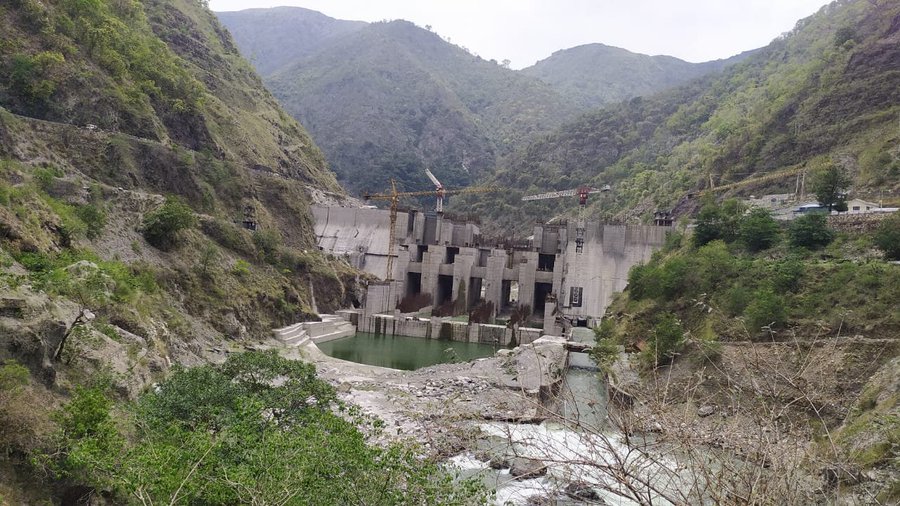
On the Occasion of World Fisheries Day (WFD) 2025, SANDRP shares the top ten reports underlining the growing impacts of river obstruction projects on freshwater fish species and dependent fisherfolks in India. Indeed, damming free flowing rivers has become the single biggest reason behind growing extinction rate of aquatic life by severely disrupting their migration routes. The iconic hilsa and mahaseer fish in Ganga and Narmada have declined sharply due to construction of Farakka and Sardar Sarovar dams respectively, among others.
Continue reading “WFD 2025: Impacts of Dams on Inland Fish, Fisherfolks”Tag: Sardar Sarovar Dam
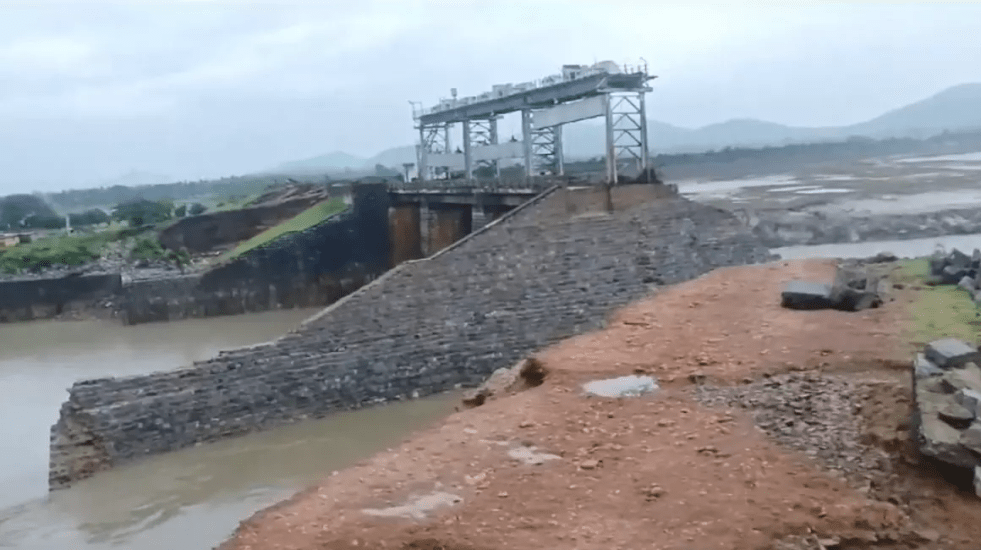
2024: Dam Induced Floods in India
(Feature Image: Breach in the earth dam of Peddavagu project flooded several villages in Telangana & Andhra Pradesh on July 17, 2024. Source: DC)
India has seen several manmade flood disasters during the 2024 monsoon. The mismanagement of dams in Narmada valley including Bargi, and SSP inundated several dam affected villages despite adequate actionable advance warnings. The uninformed excess releases from DVC dams have led to flooding in large areas in West Bengal as repeatedly raised by the state government. The extensive floods in Tripura have revealed glaring loopholes in flood prevention and disaster management.
The floods in the year have also washed away or damaged several earthen dams, tanks in Madhya Pradesh and Rajasthan affecting human population, agricultural lands in their vicinity. Even during Northeast monsoon, the sudden releases from Sathanur and Veedur dams in Tamil Nadu created avoidable flood damage in downstream areas. Similarly, the states of Gujarat, Telangana, Haryana and Delhi have seen deluge due to mismanagement or breaches in the canals. The case of Narmada canal waters flooding large areas of Little Runn of Kutch is quite concerning.
Continue reading “2024: Dam Induced Floods in India”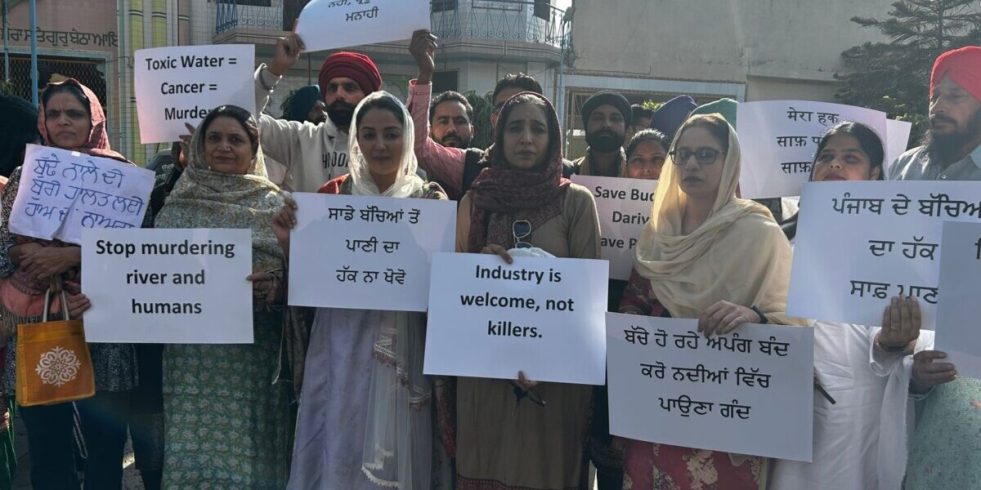
DRP 091224: “Kale Pani Da Morcha”: A Landmark people’s movement
(Feature Image: Women activists who were standing and displaying placards were detained by the Ludhiana police during the protest. Photo: By special arrangement/The Wire)
‘Kale Pani da Morcha”, the people’s movement against Pollution of Buddha Nallah, a tributary of Sutlej River in Ludhiana (Punjab) is a landmark movement in more than one sense. Firstly, while severe pollution of rivers is the usual story from across the country, a courageous people’s movement to address is the issue is such a rare event.
The fact that the industries association actually threatened this movement with a counter from the industries and their workers is shocking and shows the impunity of these industries. While the state government has to take quick action to address the issue, there is also a huge role for the central government, which has abjectly failed to perform its basic duty of providing credible governance of rivers, including their pollution in India. They including CPCB and MoEF know since decades that CETPs are completely failed model, and no worthwhile action has been taken to address the failure, including by the World Bank which has funded many of them. The filthy rivers all over India are violating the fundamental rights of millions of people, without any credible action even by the judiciary.
Continue reading “DRP 091224: “Kale Pani Da Morcha”: A Landmark people’s movement”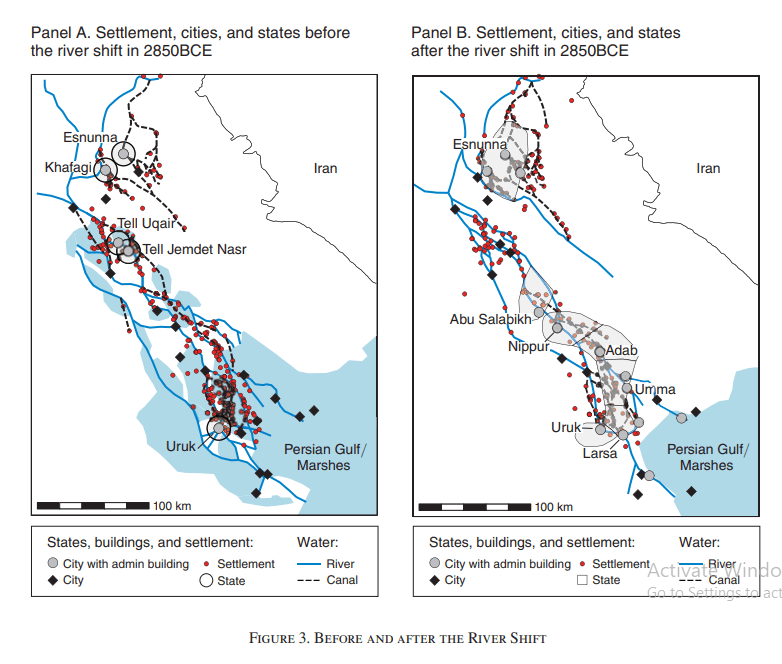
DRP 230924: Role of rivers in the birth of governments
(Feature Image Source: The Economic Origins of Govt)
Interesting research published in 2023 suggests that archaeologists and economists are now learning that dynamic, shifting rivers also created conditions that triggered people to develop some of the first organized govts on the planet.
In the research published in The American Economic Review Robert Allen and two co-authors found that Agriculture and large settlements emerged alongside rivers because they could tap into the gifts of rivers: close access to water and fertile soil. But rivers can move and take those gifts away. So, society developed organized govts to work collectively to regain their access to those gifts.
Continue reading “DRP 230924: Role of rivers in the birth of governments”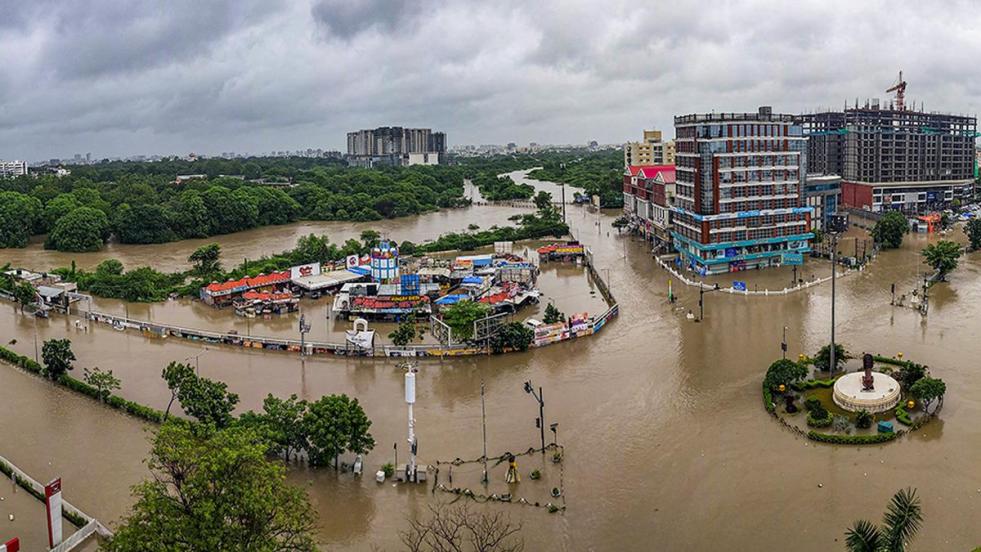
DRP 160924: Urban Flood lessons from Vadodara, Vijaywada
(Feature Image: Vadodara: A flooded area after heavy monsoon rainfall, in Vadodara, Aug. 27). Photo Credit: PTI/The Hindu)
Like every monsoon, a number of cities have faced catastrophic floods in SW monsoon this year. Vadodara and Vijaywada have got the media attention more than any other city for urban floods this year. In both cases a number of factors are common: role of upstream dams, encroachment on water bodies including rivers, lakes, streams, role of illegal sand mining particularly in Vijaywada, not having learnt any lessons from past flood disasters.
It is interesting to see Andhra Pradesh CM hinting at bringing HYDRAA like enforcement institution to remove encroachments on Budameru and other water bodies. Considering the nature of his politics and track record, it is doubtful if this NDA CM will take such a bold step, but it is certainly worthy of consideration for almost all urban areas in India.
Continue reading “DRP 160924: Urban Flood lessons from Vadodara, Vijaywada”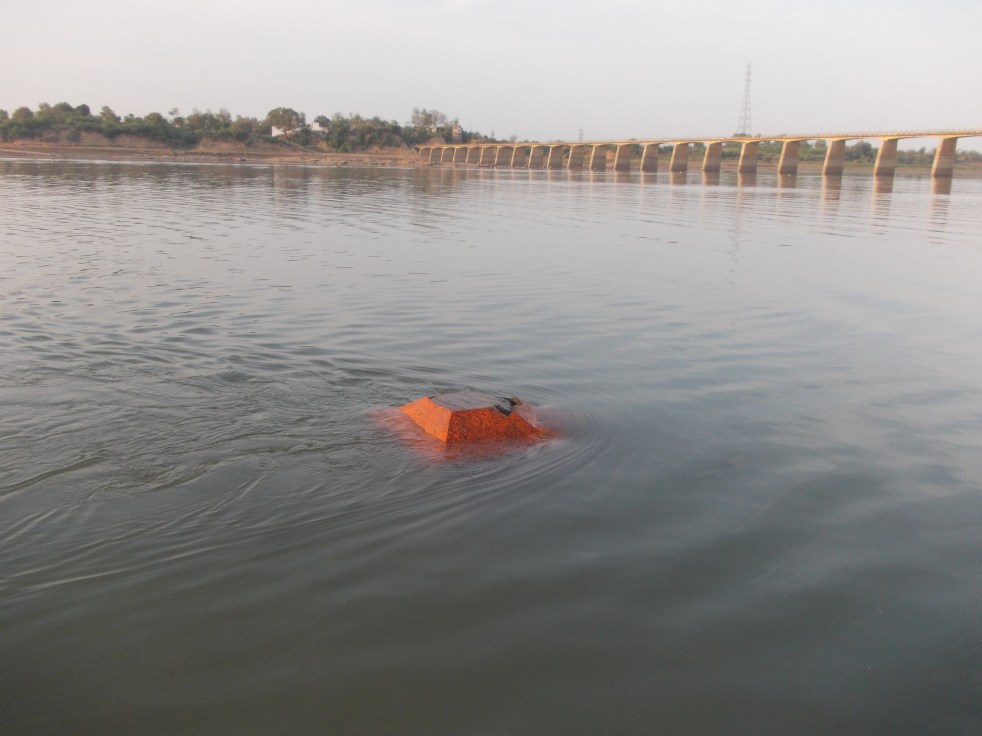
Imprudent management of SSP and other Narmada dams could create avoidable flood disaster in Sept 2024?
Similar to we wrote on Sept 1 2024[i], but possibly with even greater flood prospects and urgency, the situation in Narmada River Basin is once again moving towards a massive avoidable flood disaster due to imprudent management of Sardar Sarovar dam in Gujarat and dams including Indira Sagar, Omkareshwar, Bargi and Tawa dams in Madhya Pradesh. All of these dams are full or almost full with IMD Flash Flood Bulletin (FFB, bulletin is updated thrice a day) as at 0730 hrs on Sept 11 2024[ii] warning about the ongoing or imminent flash flood in Narmada Valley districts.
Continue reading “Imprudent management of SSP and other Narmada dams could create avoidable flood disaster in Sept 2024?”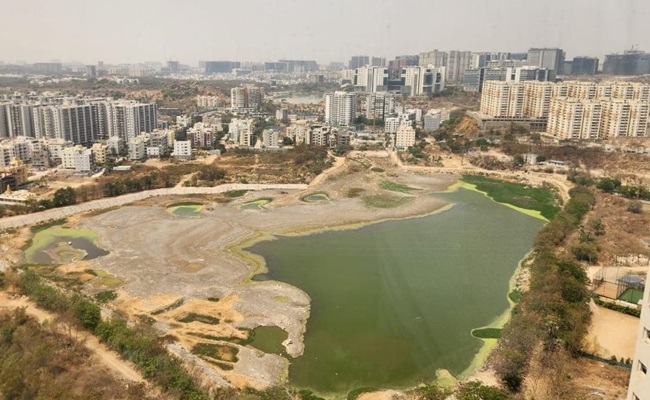
DRP 020924: HYDRA to protect water bodies in Hyderabad – a landmark move?
(Feature Image: An analysis of satellite imaging of 54 lakes taken in 1979 and 2023, secured by the HYDRAA from the NRSA shows that 40 lakes or nearly 75 per cent of lakes have shrunk by half. (Image: Twitter/DC)
The Hyderabad Disaster Response and Asset Monitoring and Protection Agency, or Hydra was established under GO 99, dated July 19 2024. A task the agency has taken up in all seriousness is protection of water bodies in the Hyderabad Capital Region (it includes 4 districts). To begin with it has started demolition of buildings illegally built inside the Full Tank Area (FTL) and Buffer area of the water bodies.
In July, Telangana Chief Minister Revanth Reddy replaced the Enforcement, Vigilance and Disaster Management (EVDM) wing of the government with Hydra, a body mandated to tackle illegal encroachment on water bodies in the Greater Hyderabad Municipal Corporation (GHMC) limits and surrounding areas. Its strength was upgraded from around 800 to 2,200 and its officials came directly under the principal secretary, municipal administration and urban development or the CM himself. “Hydra will also ensure the protection of water bodies in and around Hyderabad,” former EVDM commissioner and Hydra chief A V Ranganath said during its inception.
Continue reading “DRP 020924: HYDRA to protect water bodies in Hyderabad – a landmark move?”
Will Sardar Sarovar AGAIN create avoidable flood disaster in Sept 2024?
India Meteorological Department (IMD) Flash Flood Bulletin (FFB) at 11.30 hours on Sept 1 2024[i] for “24 hours Outlook for Flash Flood Risk till 0530 hrs of 02-09-2024” includes large number of Narmada valley districts of MP. All this water is likely to come to Sardar Sarovar Dam as Big upstream dams like Bargi (96% full), Tawa (94%), Indira Sagar (97%) and Omkareshwar (72%) are all almost full and the soil in the Narmada basin is already almost fully saturated, all figures from the daily reservoir bulletin of Narmada Control Authority as on Aug 29 2024 (https://nca.gov.in/dailyreports.htm).
Continue reading “Will Sardar Sarovar AGAIN create avoidable flood disaster in Sept 2024?”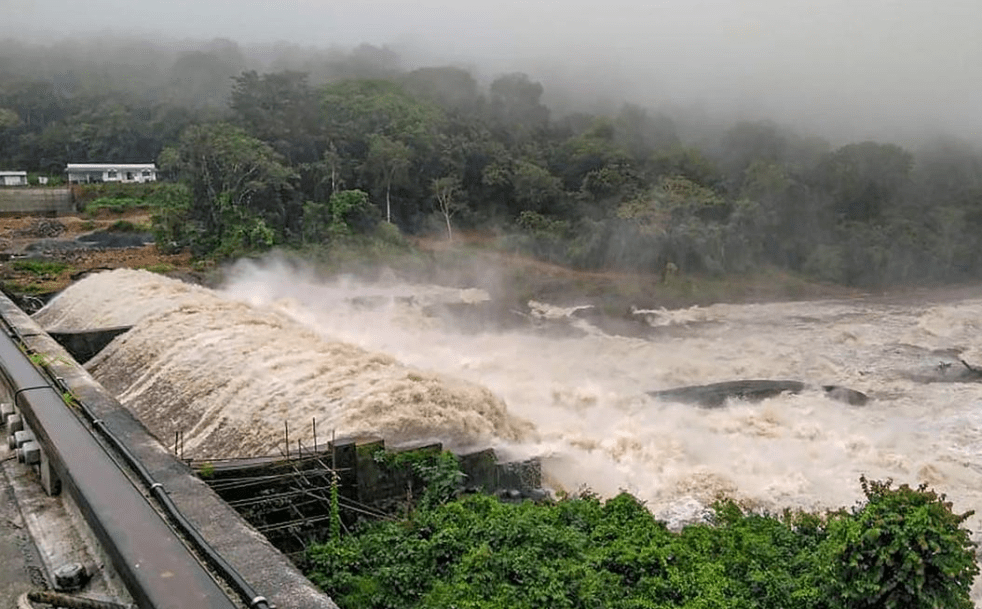
DRP 120824: Chalakudy community demand Prudent Dam Management Plan
(Feature Image: Water flows through the gates of the Peringalkuthu dam on Chalakudy river after a sluice was opened following heavy rain in Thrissur on Aug. 04, 2022. Photo Credit: PTI/The Hindu)
One of the heartening development this week is from Kerala, where Chalakudy river community held a satyagraha to demand proper integrated dam management plan in the Chalakudy River basin to minimize flood risks. It is rather rare that communities come out for such a demand. It was also great to see that the satyagraha was supported by Chalakudy Puzha Samrakshan Samiti, Chalakudy municipal chairman and also environmentalists.
The satyagraha in fact had specific demand for each of the dams included in the Paramibikulam Aliyar Project, including in Kerala and upstream Tamil Nadu. We hope the Kerala government positively responds to these demands at the earliest.
Continue reading “DRP 120824: Chalakudy community demand Prudent Dam Management Plan”
DRP 240624: India to help Bangladesh conserve Teesta River
The news this week that India and Bangladesh have agreed for India to help Bangladesh conserve the Teesta River that flows from India to Bangladesh. We hope this development is taken to its logical conclusion soon in terms of implementation of the project as soon as possible. This has the potential to not only two nations working together on conservation and rejuvenation of the Teesta River, but also possibly other 53 shared rivers. However, it would have been better if the W Bengal government would have been briefed, taken into confidence and involved in the discussions. History tells us that the cooperation efforts do not succeed without the involvement of all the stakeholders.
The formation of Joint Technical Committee to initiate discussions for the renewal of the Ganges Water Sharing treaty 1996 that will expire in 2026. One hopes that all these happen with a benevolent disposition from India as this has the potential of creating a much stronger bond between the two countries. A good example is the 1996 Ganga treaty that was also signed with a benevolent disposition. This move can also help strengthen the relations across South Asia as both Nepal and Bhutan are hoping to export hydro-electricity to Bangladesh via India.
Continue reading “DRP 240624: India to help Bangladesh conserve Teesta River” SANDRP