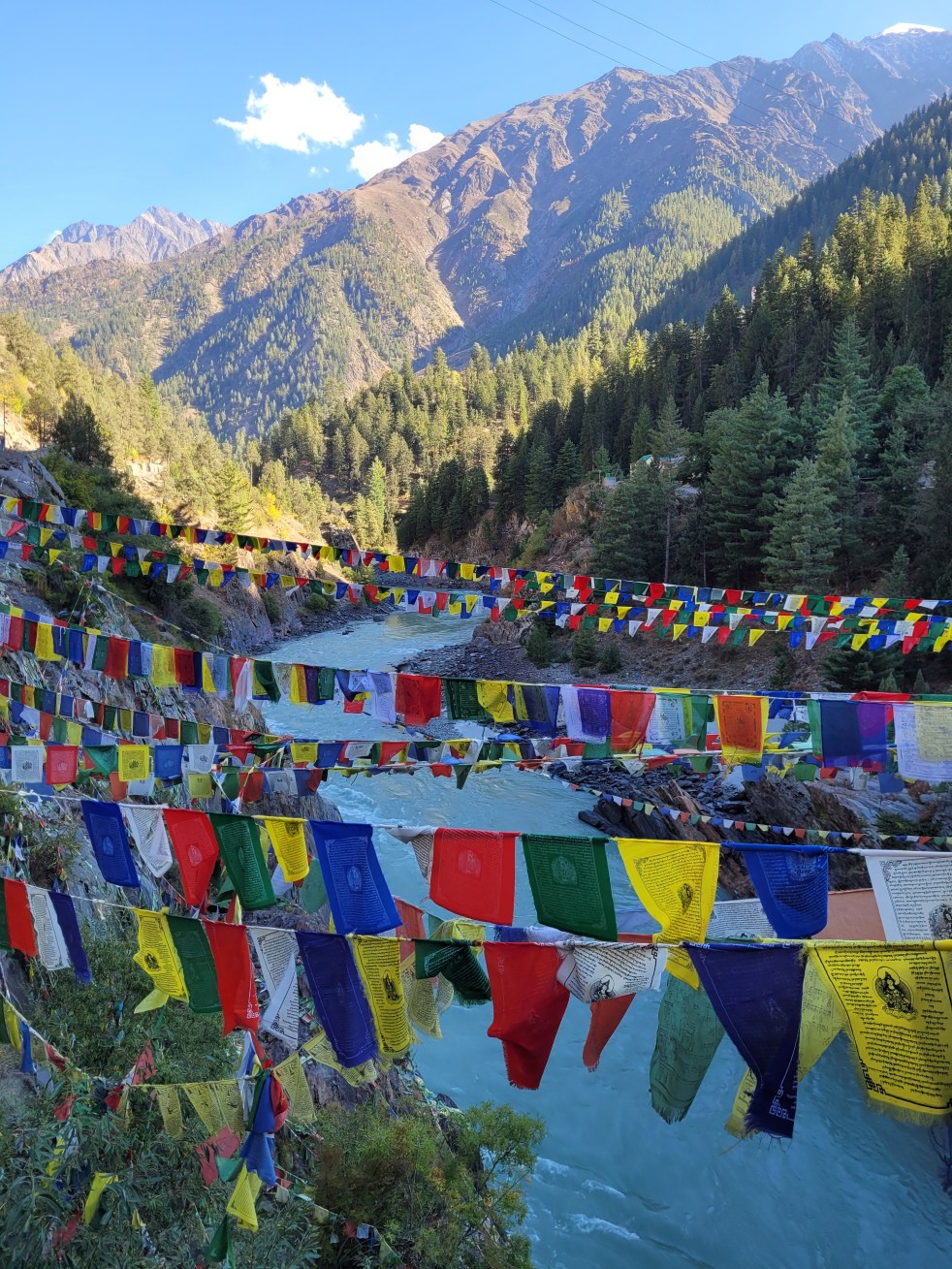
The current developments around Indus Waters Treaty are deeply troubling. Following the heinous attack on tourists in Pehelgam, India has announced that Indus Waters Treaty, the only water sharing mechanism between India and Pakistan put in place in 1960, has been put in abeyance.
Continue reading “Infrastructure Projects in Chenab Basin and Climate Change: Need to Exercise Caution”Tag: news
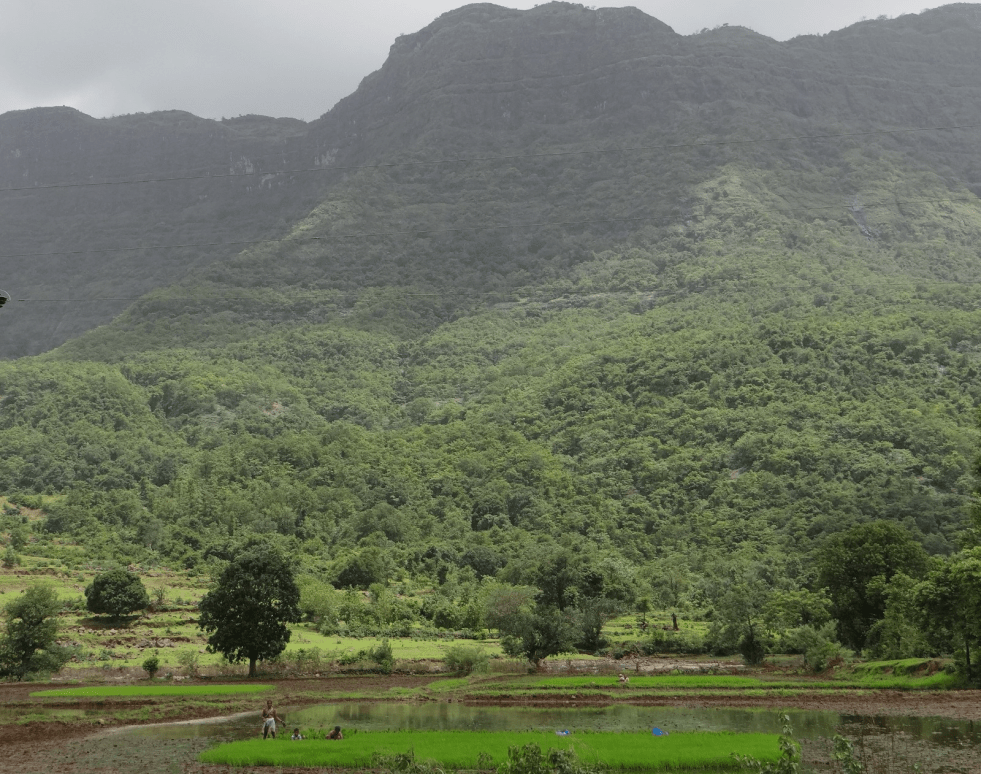
Letter to the EAC: No justification for Adani Dams in the Western Ghats
28.11.24
To,
The Chairperson and Members,
Expert Appraisal Committee, River Valley Projects,
Ministry of Environment, Forests and Climate Change
New Delhi
Subject: Submission against 1500 MW Warasgaon Warangi Pumped Storage Project by Adani Green Energy to be discussed in the 19th EAC meeting for TORs
Respected Sirs,
We see that Adani Green Energy’s 1500 MW Warasgaon-Warangi Pumped Storage Project is being considered for fresh TORs in the upcoming meeting of the EAC. We have gone through the documents uploaded by the proponent (AGEL) on MoEF CC’s Parivesh Website.[1]
Continue reading “Letter to the EAC: No justification for Adani Dams in the Western Ghats”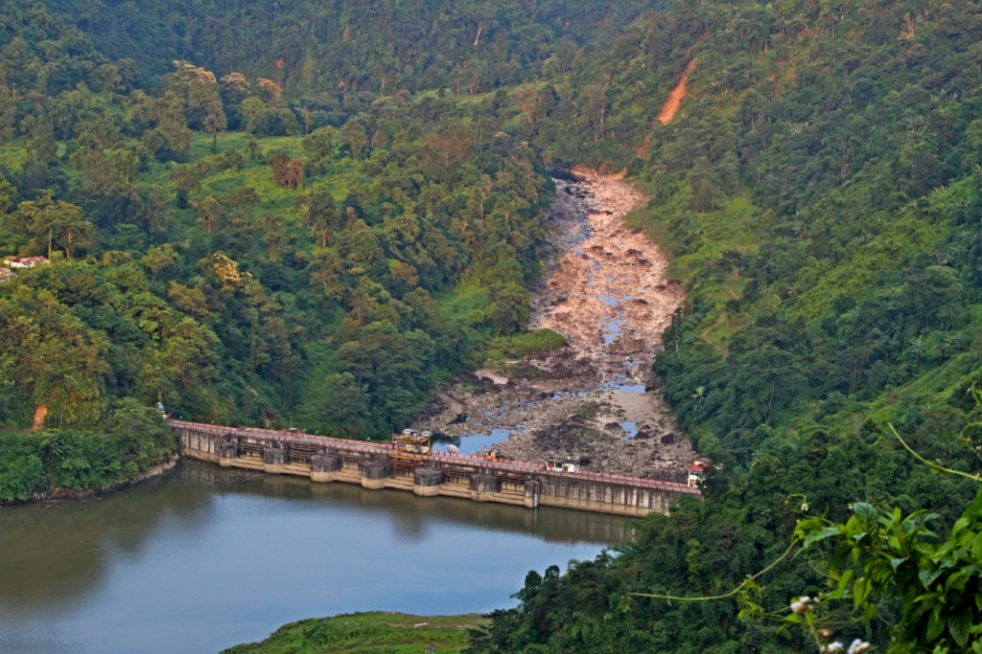
DRP 28×24: Hydropower Impacts on Biodiversity
(Feature Image: The Ranganadi dam in Arunachal Pradesh. In February 2019 the dam released an unprecedented amount of silt, with severe impacts for the river’s biodiversity and the livelihoods of people who live along its banks. Image Credit: Karen Conniff / Flickr, CC BY-NC 2.0/Source: Dialogue Earth)
A new study of available scientific publications on impact of Hydropower projects on biodiversity provides a thorough review of the subject. The review does not directly give a call not to construct more such destructive projects. But it is useful for anyone concerned about the impact of dam projects on rivers.
The study discusses the impacts of hydropower projects on both aquatic and semi-aquatic species in riverine ecosystem and cumulative impacts spatially and temporally across river basins. Dams disrupt longitudinal connectivity and act as physical barriers in upstream-downstream movement of species. Upstream of dam, there is static water environment rather than flowing river environment. In the downstream, the hydropower projects adversely affect the water flow, sediment flow, thermal regimes, affecting water quality and environmental cues for the fish movement. All these also affect the floodplains both upstream and downstream.
Continue reading “DRP 28×24: Hydropower Impacts on Biodiversity”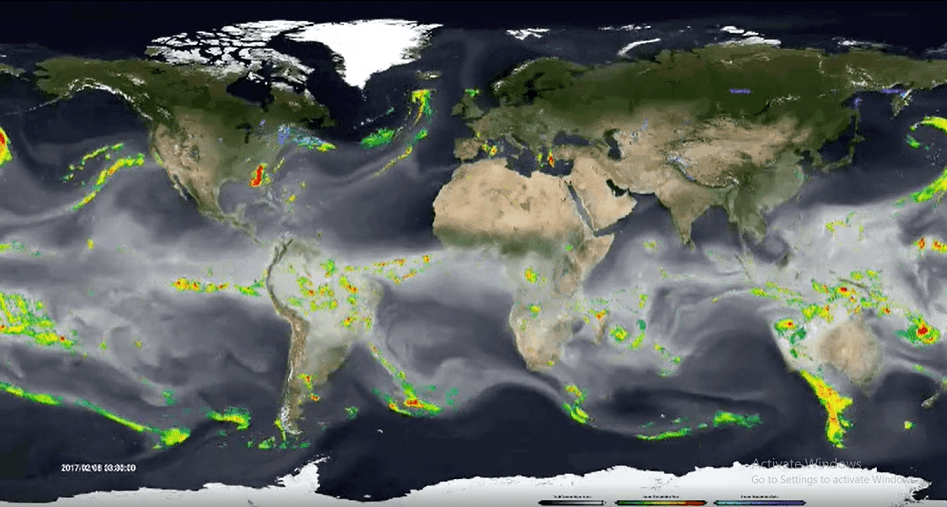
DRP 21×24: New Warnings from Studies about Global Water Changes
(Feature Image (Screenshot): Atmospheric rivers occur all over the world, as this animation of global satellite data from February 2017 shows. Credit: NASA/Goddard Space Flight Center Scientific Visualization Studio)
A number of reports listed below this week throw fresh light on functioning of global water cycle, some of the findings should be seriously worrying. The studies show how the countries across the globe have water connections that go far beyond shared rivers, lakes and seas. And how these components of global water cycles are not only changing, but are under unprecedented stress and could take the global water cycles off balance.
Another study about atmospheric rivers that provides some of the largest high intensity rainfalls show that these rivers are shifting, which can have far reaching consequences for large sub-tropical areas, polar areas and others. For understanding their implications, more studies particularly focusing on shifting El Nino and La Nina streams are required.
Continue reading “DRP 21×24: New Warnings from Studies about Global Water Changes”
DRP 07×24: Global Dam Safety Challenge in Changing Climate
It is increasingly clear that Large Dams across the world are facing increasing challenge due to climate change. In recent years, we have already seen serious dam disasters in Australia, Brazil, Canada, India, Kenya, Libya, Nepal, Nigeria, Poland, Spain, Sudan and USA to name just a few.
All these are related to extreme rainfall events, which are going to only increase in intensity, frequency and spread. It is interesting that hydro industry platform has come out with this report highlighting this issue this week.
For a country like India, the third large dam builder in the world, this challenge is going to be even more daunting as we have been seeing the increasing number of dams related disasters in last few years. As we remember the Teesta 3 dam disaster a year ago, the nature and dimension of this challenge becomes even starker. This is also exemplified by the fact that the dam safety panel report about this disaster is not even out in public domain. And even now new theories are being proposed about what happened during the disaster.
Continue reading “DRP 07×24: Global Dam Safety Challenge in Changing Climate”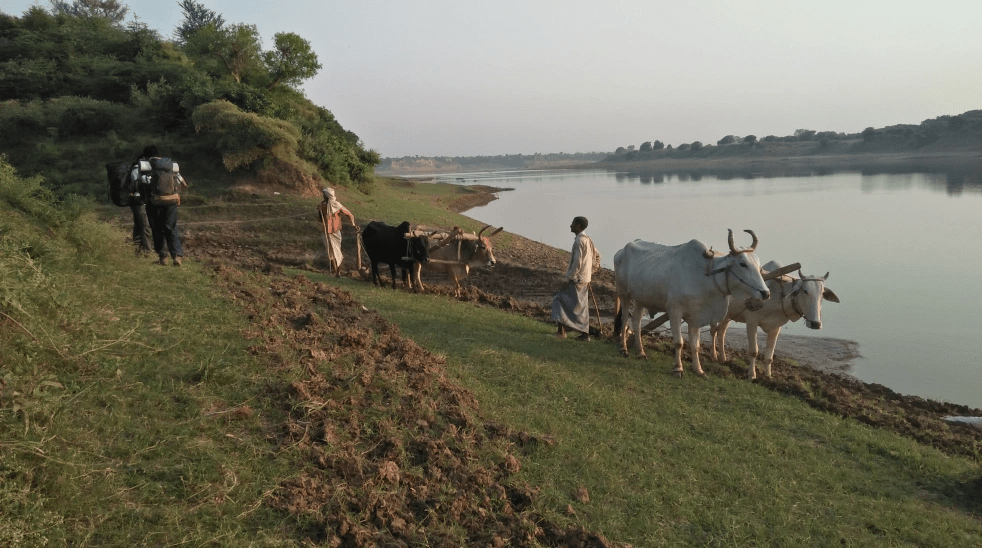
DRP 300924: Focus on River Studies
Rivers are the most important ecosystems (eco here includes ecology and economy) and yet possibly least studied entities. Some news below this week about some river studies brings the focus on need to take up many more river related studies.
Most important aspect of river related studies is the need for credible, independent studies, not influenced by the needs of the governments. Otherwise, the government is likely to not only influence the study, but also decide not to make it public as they did in case of the studies related to Joshimath town and role of Chamoli disaster.
Continue reading “DRP 300924: Focus on River Studies” SANDRP