Dam floods · Dam Safety · Dams, Rivers & People

2025: Polavaram Project Developments

Continue reading “2025: Polavaram Project Developments”
Groundwater

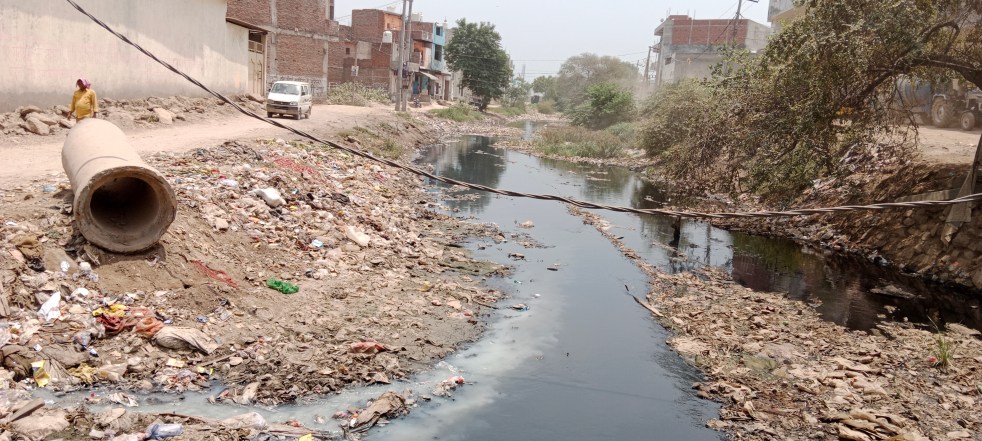
Groundwater 2024: Increasing Contamination: Tip of a Toxic-berg?

Continue reading “Groundwater 2024: Increasing Contamination: Tip of a Toxic-berg?”
Dam Safety

2024: Has NDSA made our dams any safer?

Continue reading “2024: Has NDSA made our dams any safer?”
Wetlands

WWD 2024: Lot of schemes for India’s Wetlands-Little Credible Action

Continue reading “WWD 2024: Lot of schemes for India’s Wetlands-Little Credible Action”
Groundwater

GW Overview 2023: Top ten Govt actions

Continue reading “GW Overview 2023: Top ten Govt actions”
Dam Safety

2023: Safety & Sustainability Concerns On Dams & Hydro Power Projects in India

Continue reading “2023: Safety & Sustainability Concerns On Dams & Hydro Power Projects in India”
Dam Safety

Dam Safety Panel report of Medigadda Dam Disaster indicts Telangana, L&T and Dam Safety in India

The Dam Safety Panel from Union Ministry of Jal Shakti has submitted its report on Nov 1, 2023, which says the disaster at the Medigadda Dam occurred “due to a combination of issues involving planning, design, quality control and Operation and maintenance” of the Dam. The report concludes: “The barrage under the present condition is rendered useless until fully rehabilitated.”

Continue reading “Dam Safety Panel report of Medigadda Dam Disaster indicts Telangana, L&T and Dam Safety in India”
DRP News Bulletin

DRP NB 010523: Water bodies census welcome, but how reliable?

While the publication by the Union Jal Shakti Ministry of the first water body census of India is not only welcome but urgently required, the usefulness of the census findings will depend on the quality of the information in the report. Firstly, such a census should have been conducted in a bottom up way, starting from villages in rural areas and ward in urban areas. That way, the census findings would have not only been more reliable, but also the process would have helped create greater awareness about the water bodies and issues surrounding them.

In case of Karnataka, as the report below shows the survey by the Tank Conservation and Development Authority and Karnataka Public Land Corporation in 2021 showed the state had 40483 water bodies, whereas the Jal Shakti Ministry census of 2022 says the state has just 26994 water bodies, a huge 13489 less than the 2021 census. Clearly so many water bodies cannot disappear in a year. As some experts from Karnataka have asked, is the Jal Shakti Census a deliberate attempt to show that a much lower number of water bodies exist, allowing encroachers to go ahead to destroy water bodies not registered in the census?

Continue reading “DRP NB 010523: Water bodies census welcome, but how reliable?”
DRP News Bulletin

DRP NB 200323: Time to Focus on Natural Water Storages

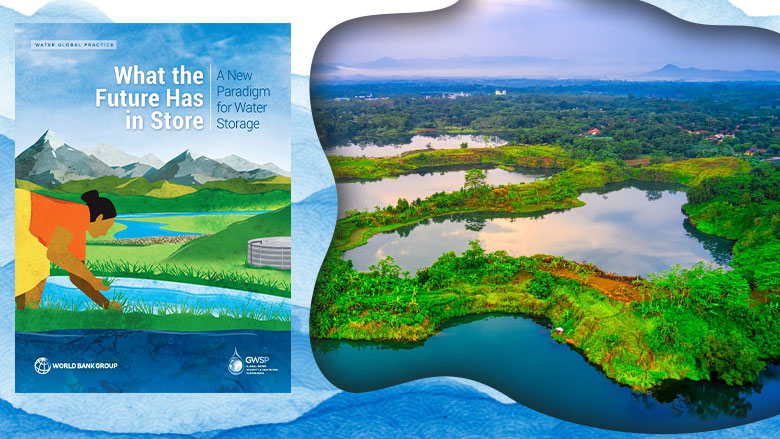
(Feature Image: Cover page of World Bank report titled What the Future Has in Store: A New Paradigm for Water Storage)

On the occasion of World Water Day 2023, the United Nation will be organizing a conference (March 22-24) in New York, USA. In its latest report the World Bank has also raised concern over decline in fresh water storages and underlined the need of a new approach for integration of built and natural water storages as a measure to adapt to climate change related water challenges and better management of water resources.

There is no doubt that large parts of the world are facing water scarcity and insecurity from existing and looming threats both from man made reasons and changing climates. Given the omnipresent & increasing shortages of cumulative storage capacity and adverse impacts of built water storages especially big reservoirs and dams; it is time global bodies like UN, World Bank, policy makers and governments at large must focus on conservation and replenishment of natural water storages, which are far better, cost effective options available to address and mitigate ever increasing and evolving climatic threats on human water security and sources.

Continue reading “DRP NB 200323: Time to Focus on Natural Water Storages”
DRP News Bulletin

DRP NB 060223: Wetlands in India face damages, threats and Govt Apathy

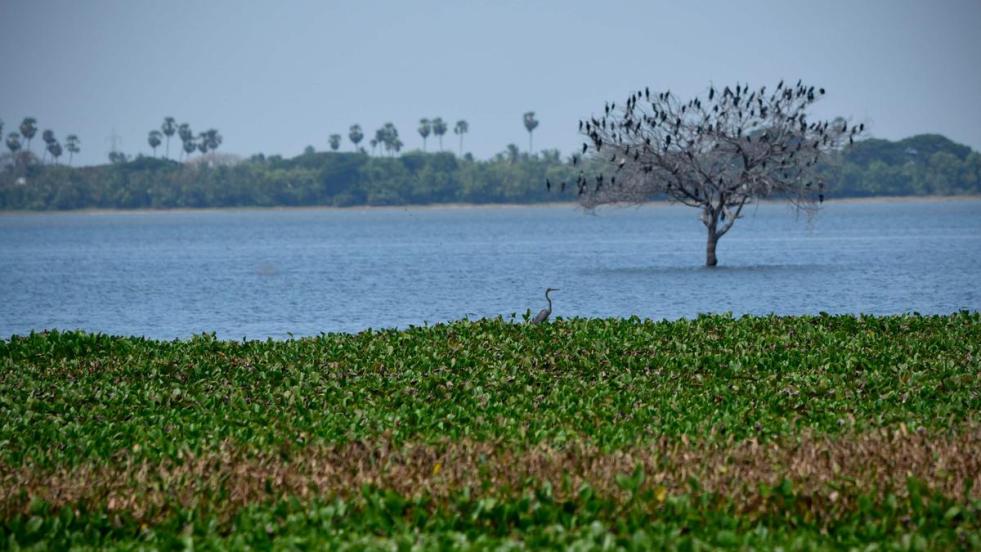
(Feature Image:-Nayapakkam a lake near Chennai and a bird hotspot. 190 species have been recorded here and is a refuge for migratory harriers. https://ebird.org/hotspot/L3396760 Excavators were filling one end of the lake yesterday. Allegedly the ACS group is building an International school over it. M Yuvan, 05 Feb. 2023)

On the occasion of World Wetlands Day 2023 on Feb 2, 2023, SANDRP brought out five overviews about state of India’s wetlands. These included overview related to: 1. India’s Ramsar Wetlands 2. General overview of India’s wetlands 3. Top Ten stories about govt actions about wetlands 4. Top ten stories about judiciary actions about wetlands and 5. Positive stories about India’s wetlands. The links to the five overviews are available below.

The first thing that strikes from these overviews is that state of wetlands in India is bad, getting worse, they continue to face systemic neglect, damages, threats and govt apathy including Ramsar wetlands, which are supposed to have better protection than other wetlands, which is unfortunately not true. The nameplate of Ramsar wetland has now been given to 75 wetlands, but that provides no additional protection to them. in the name of information of Ramsar sites, there is only a combined interactive map apart from two separate pdf file links with location map and state wise listing Ramsar wetlands on Wetlands of India portal by MoEF&CC. The govt has neither prepared any concrete plan to address the threats nor has it developed credible monitoring mechanism which clearly shows it has no intention to improve the governance of these sites.

Continue reading “DRP NB 060223: Wetlands in India face damages, threats and Govt Apathy”