
Marking World Fisheries Day (WFD) 2025, we present some of important studies and reports highlighting the growing threats over freshwater fish species in India and across the globe. The multi-taxon global freshwater fauna assessment for The IUCN Red List of Threatened Species published this year is among most concerning report revealing looming extinction threats over 24% of freshwater fauna worldwide. This includes the hump-backed mahseer, subterranean snakehead and peninsular hill trout found in rivers and waterbodies of Western Ghats.
Continue reading “WFD 2025: Important Studies, Reports on Freshwater Fish Species, Habitats”Tag: Loktak Lake
World Wetlands Day 2025: Govts Projects, Apathy Damaging Ramsar Wetlands
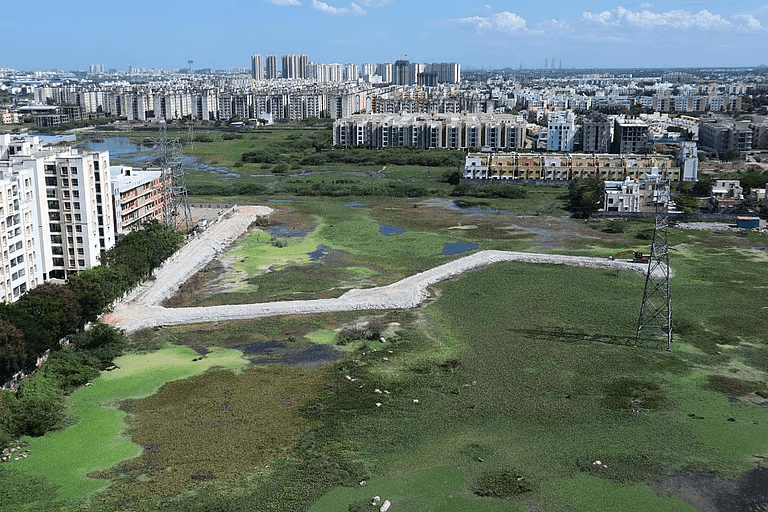
(Feature Image: A road is being laid allegedly by a private realtor inside the Perumbakkam marshland. Photo Credit: TNIE, June 2023)
‘Protecting Wetlands for Our Common Future’ is the theme for World Wetlands Day 2025. Wetlands are ecosystems, in which water is the primary factor controlling the environment and the associated plant and animal life.
Indian government seems focusing more on increasing Ramsar wetlands number than ensuring the protection and conservation the existing Ramsar sites in country. Over the past one decade the numbers of Ramsar wetlands in India have sharply gone up from 26 in 2014 to 89 as of January 2025. Amid the thrust to increase the number, several existing or even recently declared Ramsar wetlands across the country have been facing multiple threats mainly due to governmental projects and constant negligence from the concerned authorities as can be seen from the reports from 2024 in this annual overview.
Continue reading “World Wetlands Day 2025: Govts Projects, Apathy Damaging Ramsar Wetlands”
DRP 290124: Wetlands and Human Wellbeing: So little reflected in wetlands governance
(Chest nut clutivators removing water hycinth from Giri taal of Kashipur in US Nagar, Uttarakhand in April 2023. Bhim Singh Rawat/SANDRP)
As the world approaches the World Wetlands Day on Feb 2, we notice a proliferation of news related to wetlands, but mostly bad news in this week’s DRP NB: Loktak lake in Manipur facing impact of inland waterways project, the Supreme Court having to intervene for the Futula lake in Nagpur, TN Govt telling NGT that 38% of Pallikaranai marshland is under encroachment, in Bangalore, NGT is asking for response from KSPCB and others regarding the lake buffer zone encroachment. There is also a lot of bad news about the worsening state of our rivers, including Ganga.
One piece of good news is that people have come out with their own plan for restoration of Ennore wetland in TN. In Assam, Maguri Motapung Bill is regaining biodiversity after earlier being polluted by oil spill, but that is only control of damage earlier. Similarly, while it is good news that SC has intervened to protect Futula lake in Nagpur, but the fact that the govt wanted to encroach on it in the name of “temporary” construction is not at all good news.
Continue reading “DRP 290124: Wetlands and Human Wellbeing: So little reflected in wetlands governance”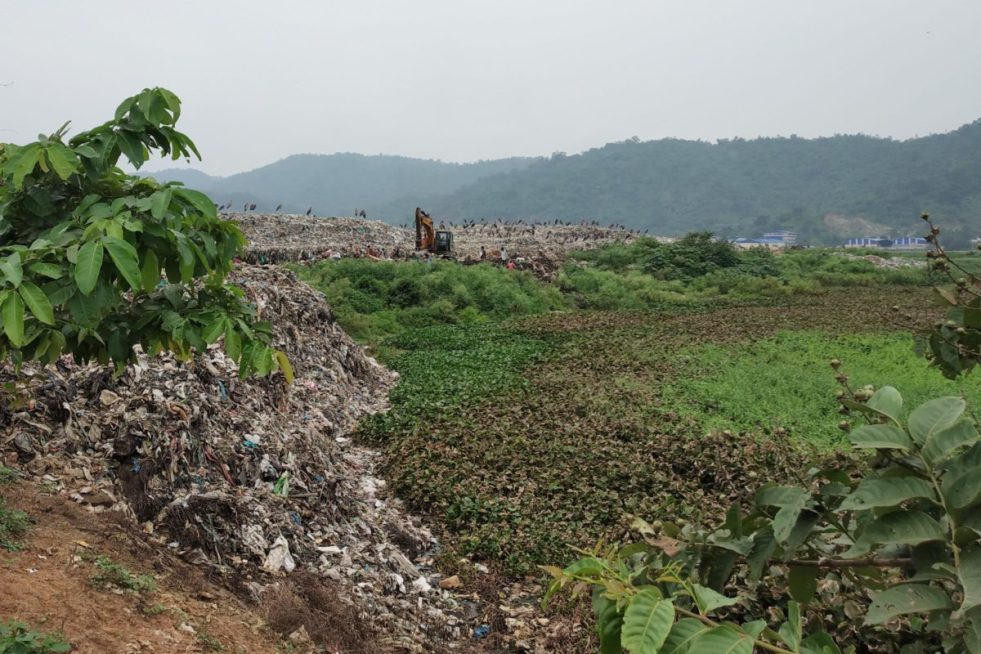
WWD 2023: India’s Ramsar Wetlands face Damages, Threats & Govt Apathy
(Feature Image: The dumping ground is adjacent to the Deepor Beel wetland. Photo by Surajit Sharma./ Mongabay India, Aug. 2022)
Marking the World Wetlands Day 2023, this fourth overview by SANDRP compiles reports from 2022 revealing the worsening situation of Ramsar wetlands sites in India. In past few years, the government has shown great hurry in getting Ramsar tag for 75 wetlands from 26 in the country to symbolically mark 75th anniversary of Independence without showing any interest in resolving the existing and looming threats including increasing pollution, siltation, encroachments and climate change threats over old and even new Ramsar wetlands.
The ground reports show that the sole focus of the government is on pushing destructive and ornamental projects in the name of tourism and beautification on these wetlands which are only seen damaging their remaining eco-systems and threatening the livelihoods of dependent communities as an additional threat which only underlines that Ramsar tag does NOT help in wetlands protection and conservation. Experts, citizen groups have been raising this fact for years but in vain. Furthermore the process for seeking Ramsar recognition lacks consultation and participation of primary stakeholders and concerned citizens.
Moreover, in the name of information of Ramsar sites, there is only a combined interactive map apart from two separate pdf file links with location map and state wise listing Ramsar wetlands on Wetlands of India portal by MoEF&CC. The govt has neither prepared any concrete plan to address the threats, nor has it developed credible monitoring mechanism which clearly shows it has no intention to improve the governance of these sites.
Continue reading “WWD 2023: India’s Ramsar Wetlands face Damages, Threats & Govt Apathy”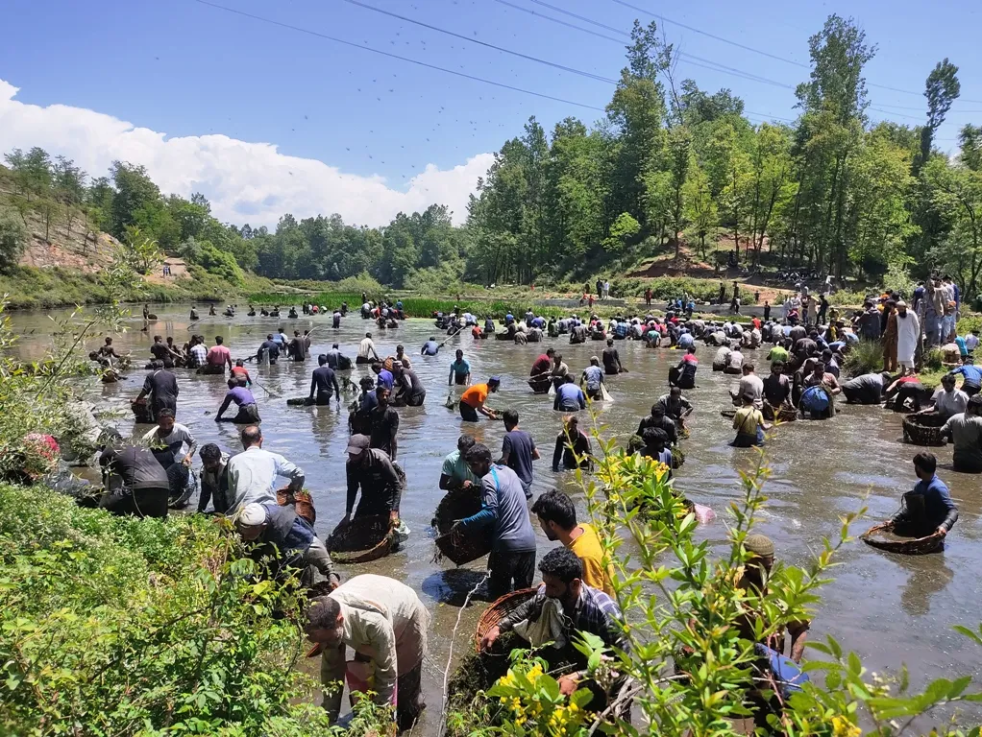
WFD 2022: Inland, Coastal Fisherfolks’ Struggle Amid Hostile Climate
(Feature Image: Over the years in the Panzath village, it has emerged sort of a festival. Residents said the tradition started by their ancestors has helped them keep the water body in order, clean and healthy. Image: Aaquib Gull/ Kashmir Life)
On the occasion of World Fisheries Day (WFD) 2022, this report highlights the ongoing struggle of inland and coastal fishers amid adversarial governments and changing climate. It first tracks some positive developments and then moves on to document important issues concerning the fisher communities in India. The first, second and third part of the WFD 2022 reports covered positive reports on rivers’ fish and fishermen; mass fish deaths in rivers and emerging threats; and mass fish kills in lakes and ponds in the country reported during the past one year. The fifth and last part on the series would highlight issues concerning aquatic bio-diversity in the country.
Continue reading “WFD 2022: Inland, Coastal Fisherfolks’ Struggle Amid Hostile Climate“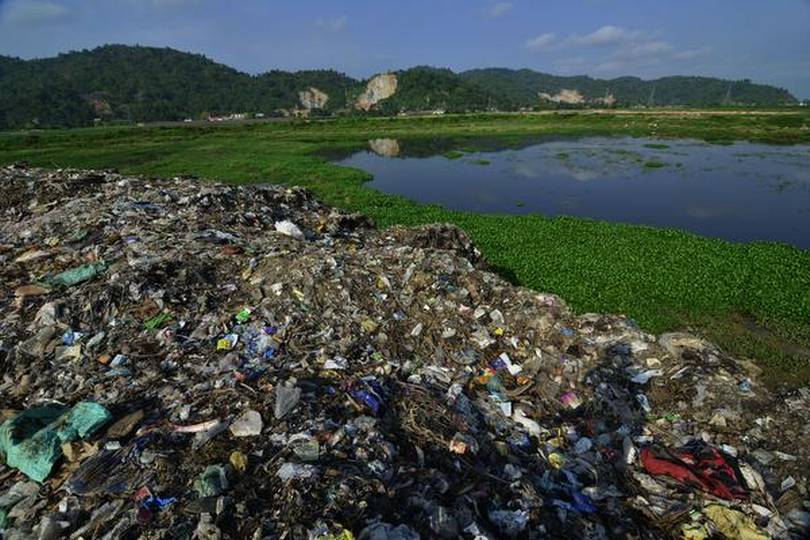
India’s Wetlands Overview 2021: Gross Misuse of even Ramsar sites
Wetlands are important part of hydrological cycle and play critical role in water purification, climate moderation, biodiversity conservation and flood regulation apart from offering innumerable environmental services to aquatic, wildlife and human beings for which they are also referred as ‘kidneys of the earth’. There are more than 2 lakh wetlands in India covering nearly 4.6 per cent of its geographical area. Despite their essential services and significance, the already neglected wetlands eco-system have been facing multiple existential threats.
As part of its annual overview for 2021, SANDRP in three part series attempts to highlight the state of wetlands in India during past one year. This first part compiles the 10 top critical reports representing the present day status of wetlands across the country. The second part would cover various actions and initiative taken by the state governments and central government all through 2021 impacting the wetlands. The final part would deal with the judicial interventions on wetlands.
Continue reading “India’s Wetlands Overview 2021: Gross Misuse of even Ramsar sites”
Wetlands Overview 2020: Judiciary is active, but remains ineffective
The highlight of the overview of wetlands in India in 2020 here (keeping aside the Wetlands related developments in Maharashtra in 2020 and Positive wetlands related developments in 2020, on both these subjects we have published separate reports), is that the National Green Tribunal (NGT), various High Courts and even the Supreme Court have been quite active on wetlands front, but there is very little impact of this on the wetlands and their governance in India. This is basically because, and this is the second key highlight of this overview, the central and state governments have shown almost no interest, understanding or will to protect the wetlands. This is in spite of the huge number of new Indian wetlands brought under the Ramsar convention in 2020, since experience and also this overview shows that Ramsar convention does not seem to particularly help the fate of the wetlands. The third highlight of the overview is that there is a lot of civil society effort, both in terms of advocacy and work on ground for the protection of wetlands in India. In fact the legal action that we see in the NGT and Courts is largely due to their efforts. In fact whatever little positive developments we see here is coming from community and civil society efforts.
Continue reading “Wetlands Overview 2020: Judiciary is active, but remains ineffective”
Ramsar Wetlands Crisis 2020: North East India
There are three Ramsar sites in eight states of north east India which includes Deepor Beel in Assam, Loktak lake in Manipur and Rudrasagar in Tripura. There are no Ramsar wetlands in remaining North East India states of Arunachal Pradesh, Nagaland, Mizoram, Meghalya, Sikkim. Here is an account of issues these Ramsar sites are facing.
Continue reading “Ramsar Wetlands Crisis 2020: North East India”

DRP: 10 Feb 2020: Examples of Better Water Management Options
This week’s news bulletin has a number of examples of Better Water Management Options that India has, let us focus on the example from state. These examples come from Kerala (achieving a barren land free constituency & KERI study showing the need for desilting of Malampuzha reservoir), Tamil Nadu (lessons from implementation of System of Rice Intensification in large parts of cultivable land and also declaring the Cauvery Delta as protected agriculture zones that will help stop the problematic hydrocarbon exploration project as also, hopefully other destructive projects), Odisha (govt filing affidavit in the Supreme Court asking it to stop work on Polavaram Dam of Andhra Pradesh is hugely belated but right move), Telangana (rejecting the Godavari Cauvery River Linking proposal of NWDA for its shoddy water balance), Uttarakhand (Dehradun DM accepting in affidavit to High Court that 270 acres of river bed land is encroached in the district), Kashmir (drive to remove encroachments of Khushal Sar lake, even if selective, hopefully it will be a beginning), NGT (cancelling the township coming up in lake eco sensitive area in Bengaluru) among others. We have listed only the welcome initiatives from the govt. Even if these initiatives are taken to logical conclusion and also emulated by other states, it can go a long way in moving towards better water management.
Continue reading “DRP: 10 Feb 2020: Examples of Better Water Management Options”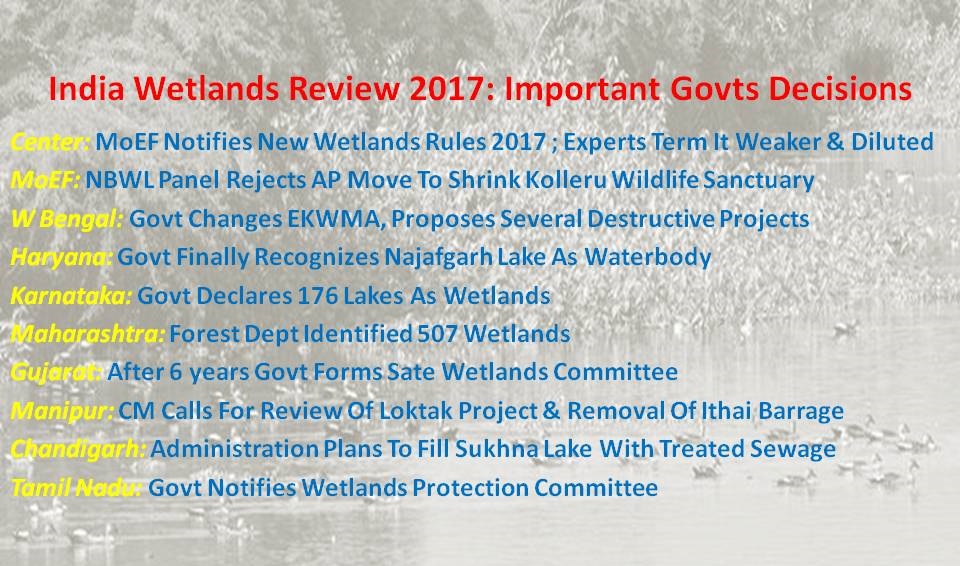
India Wetlands Review 2017: Important Governments Decisions
Central Government Decisions
Environment ministry notifies new wetland rules In a major decision, the union environment ministry notified the new Wetland (Conservation and Management) Rules 2017 on 26 Sept. 2017 replacing the 2010 version of the rules. The draft of the Wetland Rules was first presented by the Ministry of Environment, Forest and Climate Change (MoEF&CC) in March 2016. But they were severely criticized by conservationists who had alleged that the draft rules don’t mention anything about a national regulator and don’t list specific activities prohibited in these ecologically sensitive areas.
The new rules stipulate setting up of a State Wetlands Authority in each State and union territories that will be headed by the State’s environment minister and include a range of government officials. They will also include one expert each in the fields of wetland ecology, hydrology, fisheries, landscape planning and socioeconomics to be nominated by the state government.
The State authorities will also need to prepare a list of all wetlands of the State or union territory within three months, a list of wetlands to be notified within six months, a comprehensive digital inventory of all wetlands within one year which will be updated every ten years.
To oversee the work carried out by States, the rules stipulates for setting up of National Wetlands Committee, which will be headed by the MoEFCC Secretary, to monitor implementation of these rules. The Committee will also advise the Central Government on appropriate policies and action programmes for conservation and wise use of wetlands, recommend designation of wetlands of international importance under Ramsar Convention, advise on collaboration with international agencies on issues related to wetlands etc. http://www.livemint.com/Politics/y6Tr3tkrr3q28AmGKaBFII/Environment-ministry-notifies-new-wetland-rules.html (Live Mint, 28 Sept. 2017)
Continue reading “India Wetlands Review 2017: Important Governments Decisions”
 SANDRP