DRP News Bulletin

DRP 17×22: SSP Fails To Provide Promised Water, Rehabilitation: Former Gujarat CM from BJP 

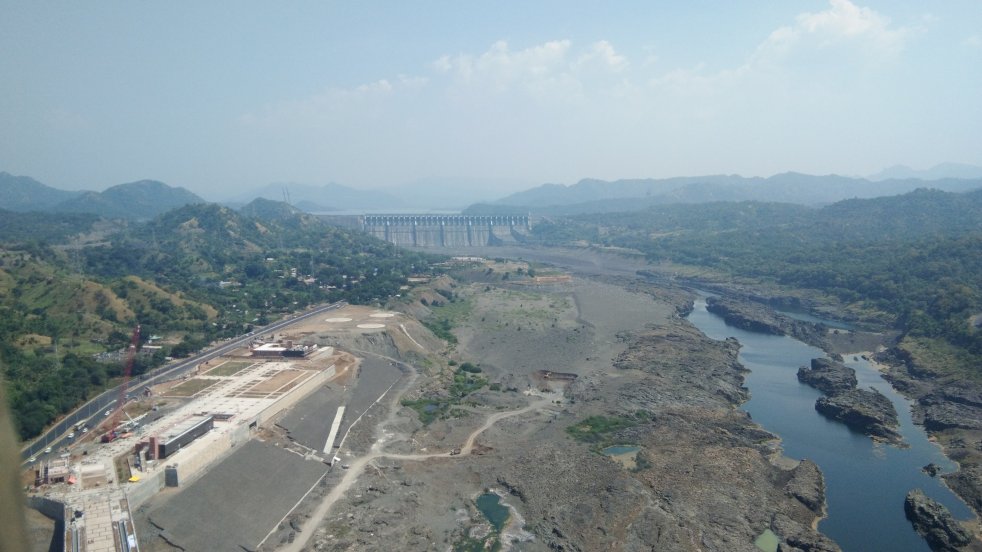
(Feature Image: An aerial view of Narmada river downstream Sardar Sarovar Project in Oct. 2018. Source: CMO Gujarat twitter handle)

With Gujarat state assembly election round the corner, Bhartiya Janta Party (BJP) the party ruling the state and Centre has been evoking the Sardar Sarovar Project as a big achievement in the face of contrasting ground realities as suggested by no less than former Gujarat Chief Minister of BJP Shri Suresh Mehta. The project has failed to provide promised irrigation water to farmers of Kutch and Saurashtra in whose name the dam was pushed as the canal system remains not fully built. The people of Kutch, in whose name Gujarat got 9 Million Acre Feet of water, disproportionate to its catchment area at SSP, were incidentally last to get the water and not first as it should have been. Kutch canals remains largely unfinished and command area largely unirrigated. Who stopped this area to get the water over a decade after the water started flowing from the dam is a question, Gujarat rulers refuse to answer.

Similarly, thousands of project affected people continue to struggle for rehabilitation and compensation despite court orders. The Gujarat rulers have gone silent over unending and unfolding ecological and hydrological impacts of the dam on Narmada river system downstream from the dam including delta area. Thousands of villagers living in miserable conditions submerged in backwater of the dam but have not been officially recognized as project affected people. At this moment, the timely, just rehabilitation and compensation of these villages and project affected families should be top priority of concerned governments including the Central government.

Continue reading DRP 17×22: SSP Fails To Provide Promised Water, Rehabilitation: Former Gujarat CM from BJP 
DRP News Bulletin

DRP 10×22: All Pervasiveness of Climate Change and Anthropocene Impacts

(Feature Image:- Odisha: 10 stranded in flash flood after sudden release of water from Gohira dam. Source: TNIE )

A large number of reports in this week’s news bulletin from SANDRP are tied by a common threat. The report in NYT about how the South Asian Monsoon is becoming more intense. How the droughts like the one in western US are becoming more likely.

In Bengal people killed in October rains while they were doing visarjan of Durga idols and in Odisha people stuck by sudden release of water from a dam. In these cases of W Bengal and Odisha, strangely, there was no warning and no one is even asking why. In both cases it is the destruction of the river in the that led to create the crisis, but again no questions are being asked.

The report of death by avalanches, the more frequent landslides in monsoons are also in the same league. The SW Monsoon is officially over as per India Meteorological Department, but even as we write, the extreme floods in Uttarakhand, Uttar Pradesh and Madhya Pradesh are breaching the Highest Flood Levels in several rivers.

Continue reading DRP 10×22: All Pervasiveness of Climate Change and Anthropocene Impacts
DRP News Bulletin

DRP 260922: Need for new credible Polavaram backwater study

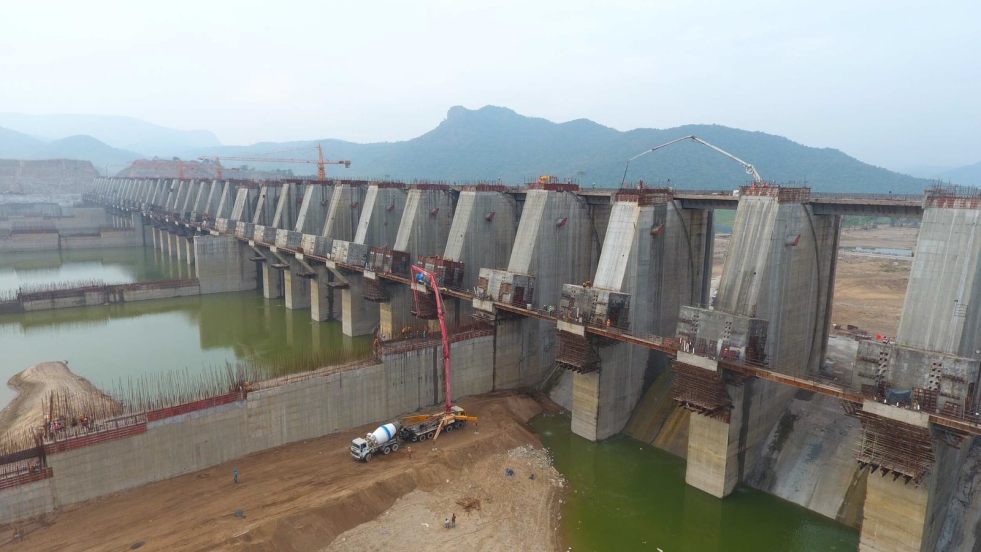
(Feature Image:- The construction of the Polavaram dam across the Godavari river has posed a big threat to the Pulasa fish, as its movement to the upstream of the river could be curtailed. HT PHOTO).

Telangana state has demanded fresh backwater study for the Polavaram dam based on a number of grounds including the higher spillway capacity and outdated river cross sections of 1990s used in the old study. The changing rainfall pattern and resultant changing river flow pattern, both due to changed rainfall and changed state of catchment area also should be a reason for such a fresh study. However, more importantly, the study needs to be done in a credible way involving independent experts, not just state or central govt officials or academics from govt run institutions. Moreover, the study and all the information related to it has to be completely and promptly in public domain as these studies are required for the affected people and affected area. Normally Central Water Commission does such studies and refuses to make it public. What is the use or reason for backwater study to be secret? Possibly CWC is not confident of the quality of the study and that is why it is very important to have experts in the study team who are known to take independent stand. It is useful not only for the states of Telangana, Odisha and Chhattisgarh, but also for the people of Andhra Pradesh too. And earlier this is done, better it will be for all concerned.

Continue reading DRP 260922: Need for new credible Polavaram backwater study
DRP News Bulletin

DRP 190922: Dams bringing unprecedented changes to the World’s Rivers

A new study published this week once again highlights not so well known impact of large dams on the rivers: role of rivers in building, supplying sediment, nutrients to floodplains, deltas, coastlines, estuaries, oceans and supporting so much biodiversity and how large dams are majorly adversely impacting this role of rivers. The study by scientists at Dartmouth using images from the NASA-US Geological Survey for 414 of the world’s largest rivers show the unprecedented changes the dams are bringing to World’s rivers, the impacts that in many cases are outweighing the impacts of climate change. This is particularly true of the northern hemisphere that includes India, World’s third largest dam builder.

Unfortunately in India, there is very little appreciation or acknowledgement of this role of rivers and how dams are affecting it. The least one can expect is that the Government of India should urgently initiate a study to document and understand this phenomena and also highlight what needs to be done about it. The study should be done by an independent team of multidisciplinary experts.

Continue reading DRP 190922: Dams bringing unprecedented changes to the World’s Rivers
Dams · DRP News Bulletin

DRP 120922: Decisive judicial action dire necessity for wetlands

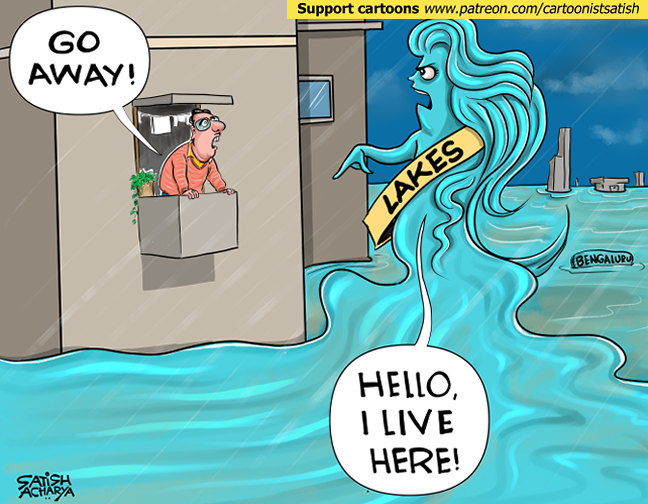
( Feature Image:- Satish Acharya’s illustration on Bengaluru floods: Whose land is it anyway? 07 Sept. 2022)

The wetlands reports tell us a lot, but the key point is that decisive judicial action is necessary if our wetlands are to have any future. The directions of the Tamil Nadu High Court to geo reference all wetlands of Tamil Nadu, including small (Less than 2.25 ha area) is good beginning, but the court will need to ensure continuous monitoring and ensure implementation. Because the past shows that the government and other stakeholders have collectively failed to take any decisive action to save our wetlands. The disastrous results are evident at so many places, this week it is most clear from the flooding of Bangalore, mainly due to encroachment of lakes, wetlands, water channels and their catchments.

Continue reading DRP 120922: Decisive judicial action dire necessity for wetlands
DRP News Bulletin

DRP 220822: Salutes to Vimalbhai

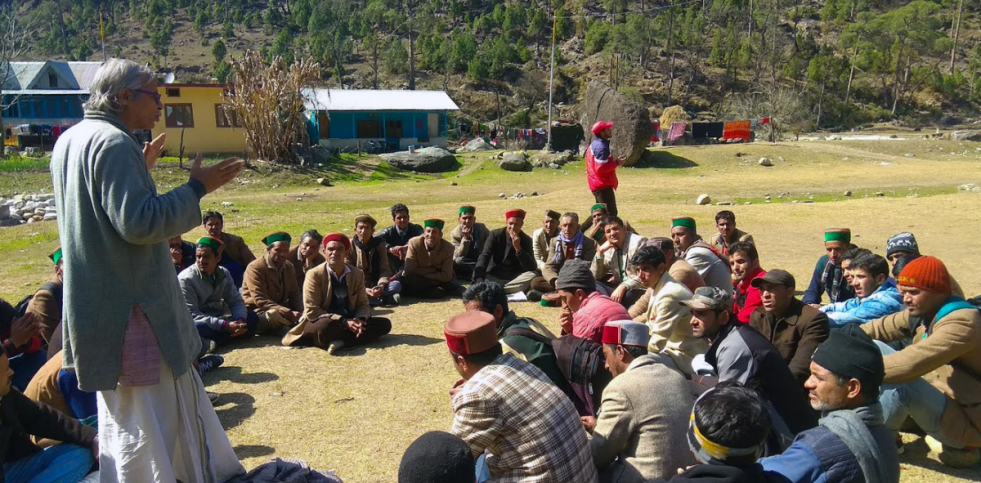
(Feature Image:- Vimal Bhai with a group of villagers in Uttarakhand. Photo: Matu Jansangathan/ The Wire)

It’s very sad occasion. Vimalbhai, who has been tirelessly active on issues related to dams, rivers and environment in Uttarakhand in particular and India in general, left us on Aug 15, 2022 for his journey beyond this world. He was a remarkably dedicated, committed and yet always smiling, simple man with simple needs. His loss is already being felt. May his soul rest in peace and may his friends and family get the strength to bear the loss.

Continue reading “DRP 220822: Salutes to Vimalbhai”
DRP News Bulletin

DRP 080822: Why is Centre not taking action against violations, defects of Kaleshwaram Project of Telangana?

(Feature image source: Pratidin News)

Union Water Resources or what is now called Jal Shakti minister Shri Gajendra Shekhawat made a rare and rather interesting statement this week about Kaleshwaram Lift Irrigation Project of Telangana, supposed to be the world’s biggest lift irrigation project, India’s most expensive ever irrigation project. The Union Minister publicly said that the Kaleshwaram project did not have all the clearances, project thus involved violations, and had defects, leading to submergence of three barrages and a massive power house last month. It is not clear if the Union Minister has also written to this effect to the Telangana state government and also taken action against the project. This is because the allegations made by the Union Minister are about such a huge project and are serious in nature.

If the Union Minister has done neither, as seems to be the case, he hope he is doing something on these lines soon. We do not expect a responsible Union Minister not take any action on such an important matter and is only making such statements for public consumption (incidentally, he seems to have made these statements in Karnataka, not in Telangana). Questions will be raised if the Union Minister fails to take such an action.

Continue reading DRP 080822: Why is Centre not taking action against violations, defects of Kaleshwaram Project of Telangana?
DRP News Bulletin

DRP 01 Aug 2022: Dams reduce sediment load in rivers leading to higher coastal erosion

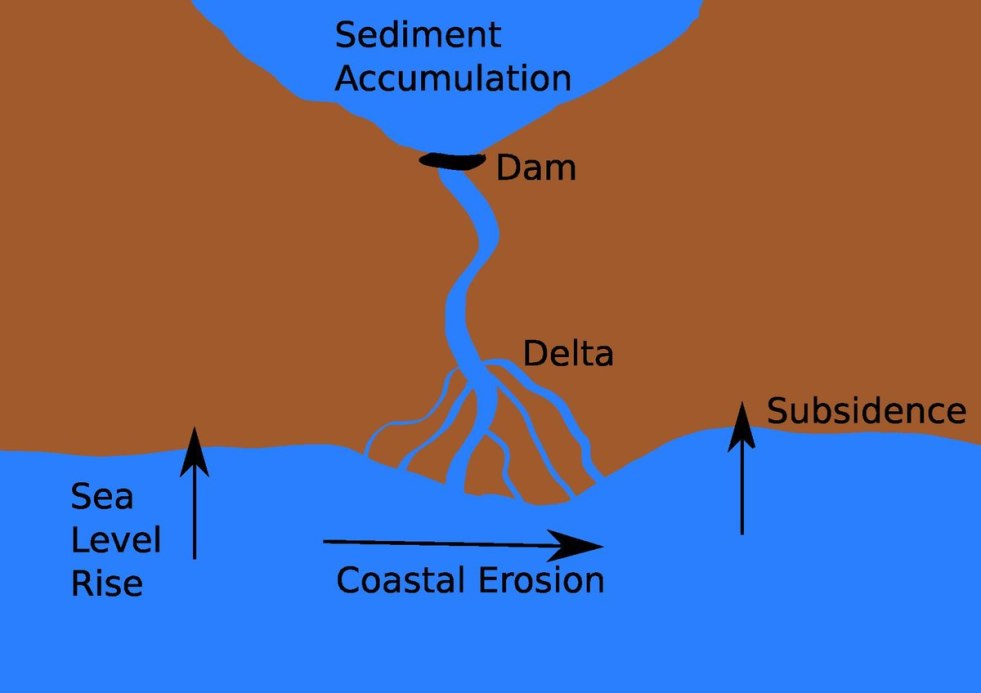
(Feature image: Delta Land Loss Mechanisms. Source Wikimedia Commons)

A new study this week has reminded us what has been known for long. Dams not only store water but also trap the sediment flowing in the river. Whatever smaller quantity of water flow from dams to downstream areas, has much lower or no silt. A lot of that silt was supposed to reach the coast, helping fight against the erosion of the coast due to sea tides and waves. With drastically lower sediment reaching the coasts, higher coastal erosion is the result. While climate change is definitely contributing to the increased coast erosion due to more frequent and higher intensity storms from the sea, the role of dams tend to work as force multiplier in increasing the coastal erosion due to less sediment reaching the coasts from river.

While a new study by a Pune University has highlighted this phenomena in case of Godavari river, peninsular India’s biggest river, this is also happening at most other rivers and where they meet the coasts. As in case of Farakka, closer the terminal dam is to the coast, greater is its effectiveness to trap the river sediment and higher is its contribution likely to be to the increase in coastal erosion.

Continue reading “DRP 01 Aug 2022: Dams reduce sediment load in rivers leading to higher coastal erosion”
DRP News Bulletin

DRP 180722: Polavaram, Kaleshwaram projects damaged, Kadam dam overflowed

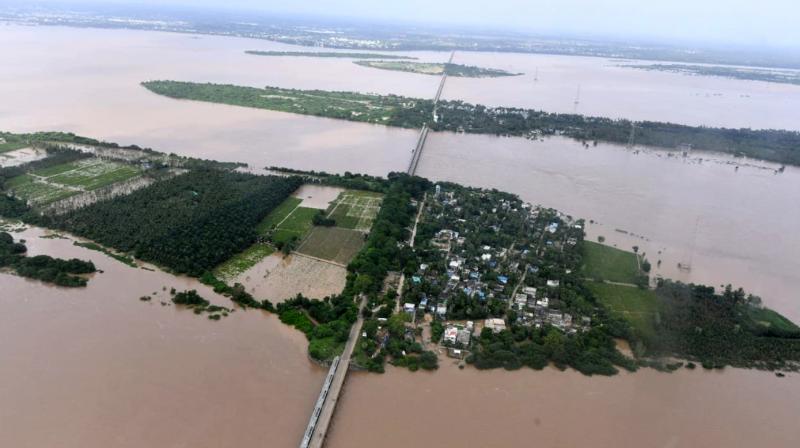
(Feature image: An aerial view of the flood-affected areas in Godavari districts on July 15. Photo by arrangement/Deccan Chronicle)

One of the noteworthy feature of the floods in ongoing on monsoon so far has been what is happening around large dam projects, particularly in Central India, Eastern India and Southern India. The Polavaram dam on Godavari river, the largest under construction dam in India, again suffered damage this monsoon as confessed by the Andhra Pradesh Irrigation Minister Ambati Rambabu after his frequent visits to the dam. The dam had suffered damage in 2019 floods and it is still not clear what is way forward and the dam has again suffered damage. This will make the unviable project even more unviable, but the government will continue to sink good money after the massive sunk funds.

The Kaleshwaram project in Godavari basin, the largest lift irrigation projects of India has also faced damages with at least two pump houses with large number of massive capacity pumps getting submerged, and third one partially flooded. The full impact of this damage will only be known after assessment once the floods recede.

Continue reading “DRP 180722: Polavaram, Kaleshwaram projects damaged, Kadam dam overflowed”
DRP News Bulletin

DRP 110722: Govt failure on cloudburst monitoring, forecasting, managing

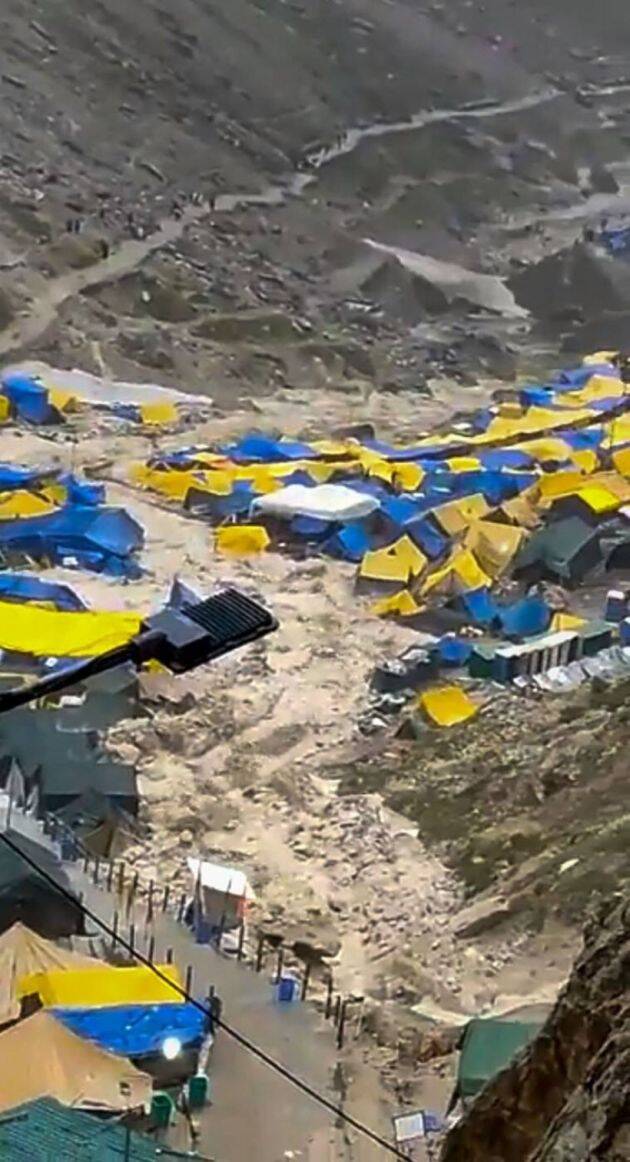
(Feature Image: On July 8, a flash flood triggered by a cloudburst hit a camp near the Amarnath cave shrine in J&K’s Ganderbal district. The Indian Express)

Just in first few weeks of this South West Monsoon in India and particularly in last two weeks there have been numerous cloudburst incidents leading to large number of deaths and destruction of human and natural infrastructure. Most of the time, the government just calls these disasters cloud burst and points finger at climate change, implying its helplessness, but happy that they have rescued the affected people. In reality, a lot can be done in terms of monitoring, forecasting and managing cloudbursts that is clearly not happening and is not part of government’s disaster management plans or actions.

Firstly there are some known places where the flash floods from cloud burst could lead to disaster, they need to be identified and habitations near and at risk at such locations need to be mapped and monitored to minimize the risks. The locations next to streams are clearly such hazardous locations and how can there be camps located right next to such streams as happened during the recent Amarnath caves?

Continue reading “DRP 110722: Govt failure on cloudburst monitoring, forecasting, managing”