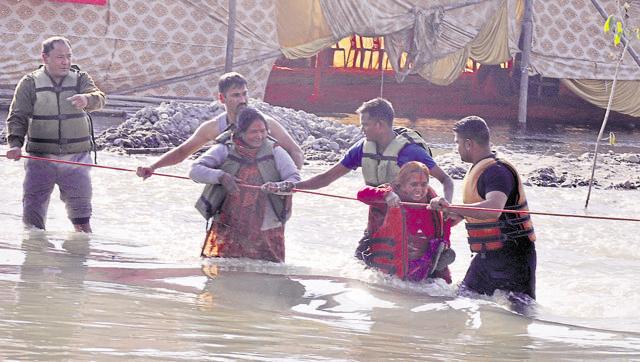
100 people have a narrow escape as Ganga level rises after sudden release from Tehri Dam More than a 100 people who were attending a religious discourse had a narrow escape when the water level rose suddenly in the Ganga River in the temple town of Rishikesh. According to the police, the water level increased after Tehri Dam released water, a routine exercise that is done after informing officials concerned. CD Anthwal, circle officer Rishikesh told HT that the people attending the religious discourse were rescued with the help personnel of the Jal Police (water police).
Tag: Dams

DRP: 14 Dec. 2015 (Your City can be Next Chennai?)
Our cities with their high population density and poor civic standards are vulnerable to the domino effect that can be set off by freak weather it happened in Mumbai in 2005. Last year, it was Srinagar. Now it’s happening in Chennai. Could it happen to your city?
Judging by the burgeoning urban population, and the uncontrolled growth of urban centres that fail on every parameter including drainage and garbage disposal, most of our cities are disasters waiting to happen.
As per global standards cities across the world should prepare for a 100-year flood recurrence period. In other words, they have to be ready for a severe flood situation, even if it has one-in-100 chance of occurring. But our cities guardians overlook larger flood cycle as freak weather events.
That exactly is happening in IT corridor Hyderabad which is sitting on a plan that lacks a storm-water drainage system and Navi Mumbai International Airport in Maharashtra which will be built on the flood plains of Ghadi and Ulwe rivers. Amaravati the state capital of Andhra Pradesh is also doing away its underground water channels which drain out flood waters during stresses.
Continue reading “DRP: 14 Dec. 2015 (Your City can be Next Chennai?)”
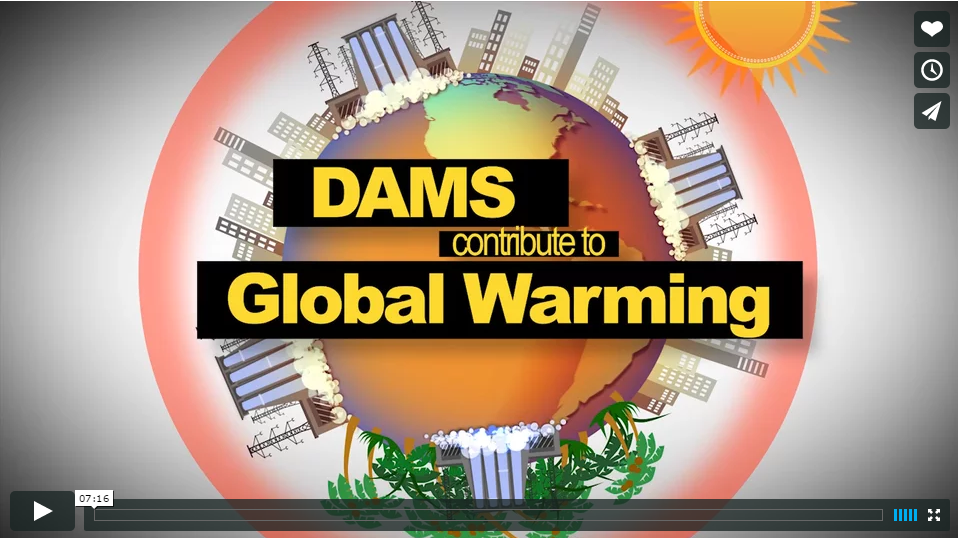
Dams, Rivers & People: 07 Dec. 2015 (Dams sap Earth’s water, release arsenic in groundwater & fuel Climate Change)
Two new studies show that dam not only significantly increase evapo-transpiration but also worsen arsenic problem in groundwater. In the first study done by Stockholm University in Sweden researchers found that dams and irrigation significantly increase evapotranspiration, an effect that increases the loss of freshwater to the atmosphere, thereby reducing the water available for humans, societies and ecosystems on land. The researchers have compiled and analyzed data from 1901 to 2008 for climate, hydrology and water use in one hundred large hydrological basins spread over the world. In the second study done by Stanford University in Cambodia, researchers concluded that hydrological development particularly dams are responsible for release of increased and unnatural amount of arsenic in Cambodia’s groundwater.

DRP: 30 Nov. 2015 (Delhi does not need Renuka Dam, Sharda-Yamuna linking: Kapil Misra, Delhi Water Minister)

Speaking during India Rivers Day- 2015 Kapil Misra said that Delhi does not require any more water from external sources such as the Renuka Dam or Sharda Yamuna River link. The minister also assured that the Yamuna’s water will be improved within three years to make it good enough to bathe in. He raised doubts over expensive sewerage projects and felt need building of smaller and decentralised sewerage management system. The India Rivers Day brought together several individuals and organisations who have been working on the issues of river conservation in the country.

Yamuna River Story
River Yamuna is fifth longest river of India. For past many centuries the river has been integral part of Indian culture. It has been sustaining means of livelihoods to millions. Many, in pursuit of spiritual inspiration venerate it with great hope. But at present, the river is more in news for its highly polluted state. In this blog SANDRP attempts to presents the picture of the River Yamuna. The blog also briefly mentions the places of cultural, religious, historical and environmental significance on and around the river, pointing out the various factors which has led to present state of the river. Continue reading “Yamuna River Story”

DRP: 23 Nov. 2015 – Uttar Pradesh declares 50 districts as drought hit
Eight Indian States have already declared drought this year. Apart from UP the other states are Karnataka, Maharashtra, Madhya Pradesh, Chhattisgarh, Odisha, Andhra Pradesh and Jharkhand.
In 2015, India witnesses many weather extremes which can be linked to Climate Change. The unseasonal rains in March, then back-to-back failure of Southwest Monsoon that has led to severe drought conditions in many Indian states. Right now Tamil Nadu, Andhra Pradesh are facing severe flood conditions caused by heavier Northeast monsoon rain. The year 2015 also saw record breaking heat. Clearly Climate Change have started unfolding abnormal weather incidences in India impacting millions of people lives who have become victim of Climate Change despite no fault of theirs. But Indian government is neither connecting these disasters with climate change, nor identifying the victims, leave aside asking for justice for these victims.
Continue reading “DRP: 23 Nov. 2015 – Uttar Pradesh declares 50 districts as drought hit”
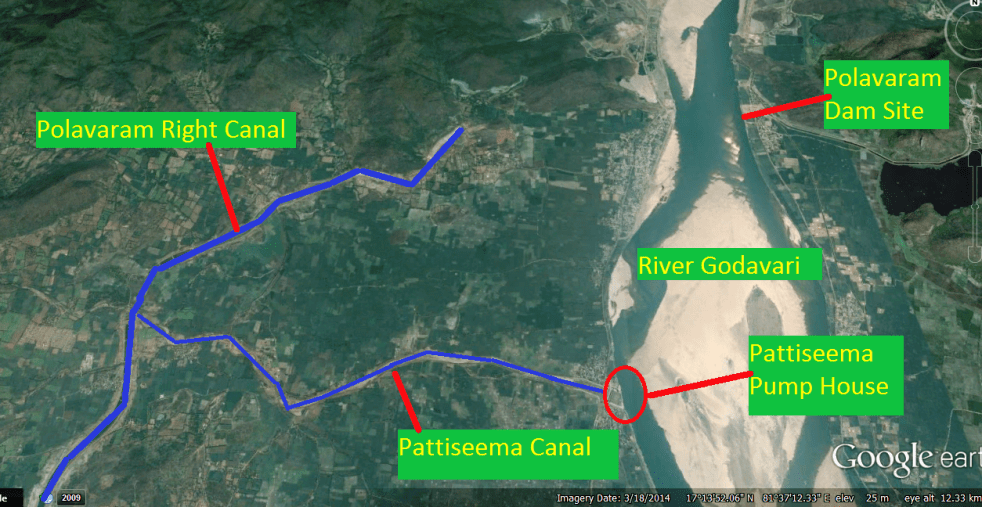
Dams, Rivers & People: Sep 28, 2015 (The reality behind much hyped Godavari-Kirshana Interlinking project)
Godavari Krishna River Linking: Are we celebrating an illegal, unnecessary & misconceived water transfer project? SANDRP recent blog investigates and exposes the reality behind much hyped Godavari-Kirshana Interlinking project which is in true sense mere a pumping of water projects that too without required legal clearances.
Continue reading “Dams, Rivers & People: Sep 28, 2015 (The reality behind much hyped Godavari-Kirshana Interlinking project)”
Dams, Rivers & People: Sep 14, 2015
SAD NEWS: SHRI RAMASWAMY IYER IS NO MORE:
He Watered the Arid Fields of Administration with Intellectual Rigour and Honesty: Amita Baviskar payes tribute to Ramaswamy Iyer Iyer’s critical view of large dams became stronger when he was appointed to review the Tehri project in 1996 and to head the India country study for the World Commission on Dams in 1997. Subsequently, studying trans-border river conflicts between India, Nepal and Bangladesh, he began to see dams as only one element in the larger mismanagement of water by engineers impervious to social and ecological impacts. In one more news report paying tribute to him R. Uma Mahashwari writes that Ramaswamy R. Iyer used to see rivers as inextricable parts of the lives of communities
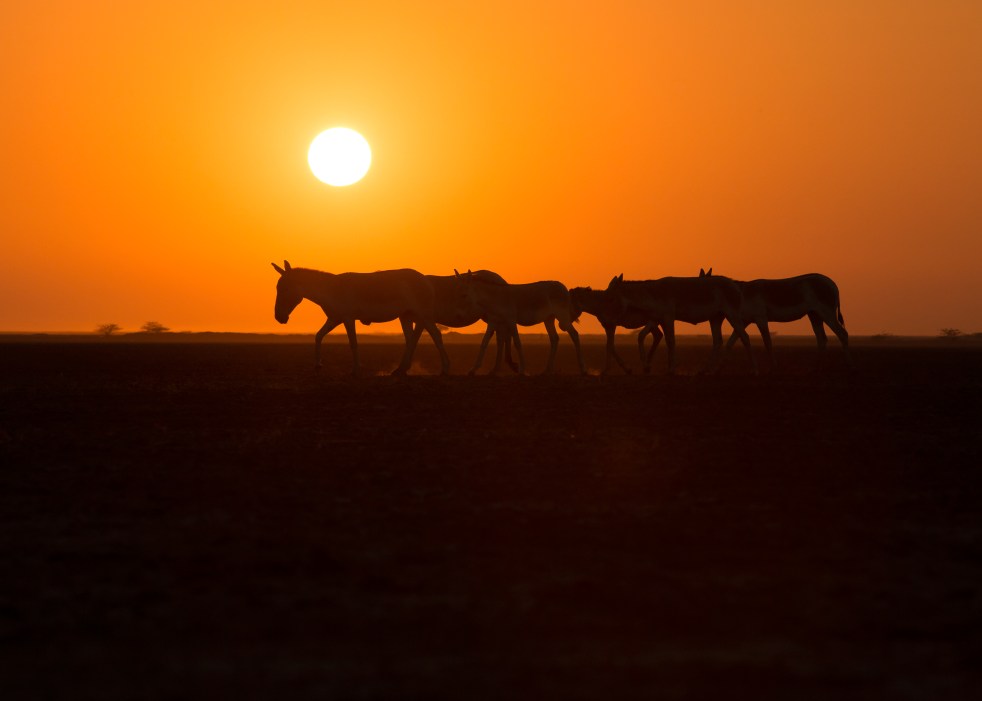
Dams, Rivers & People: Sep 07, 2015 (Narmada Canal, Salt Mining in Runn of Kutch a threat to endangered Asiatic Wild Ass)
Asiatic wild ass now on endangered list; Population Down By 52% In 16 Years The IUCN report mentions that the Little Rann of Kutch faces direct threat from increasing human activities. The ecology of the wild ass sanctuary, for example, is threatened by a canal building project -the Sardar Sarovar Project of the Narmada Development Authority. It also points out how the rising numbers of grazing livestock leads to stiff competition for natural reserves. Salt mining, a major economic industry for local people, has increased 140% since 1958.
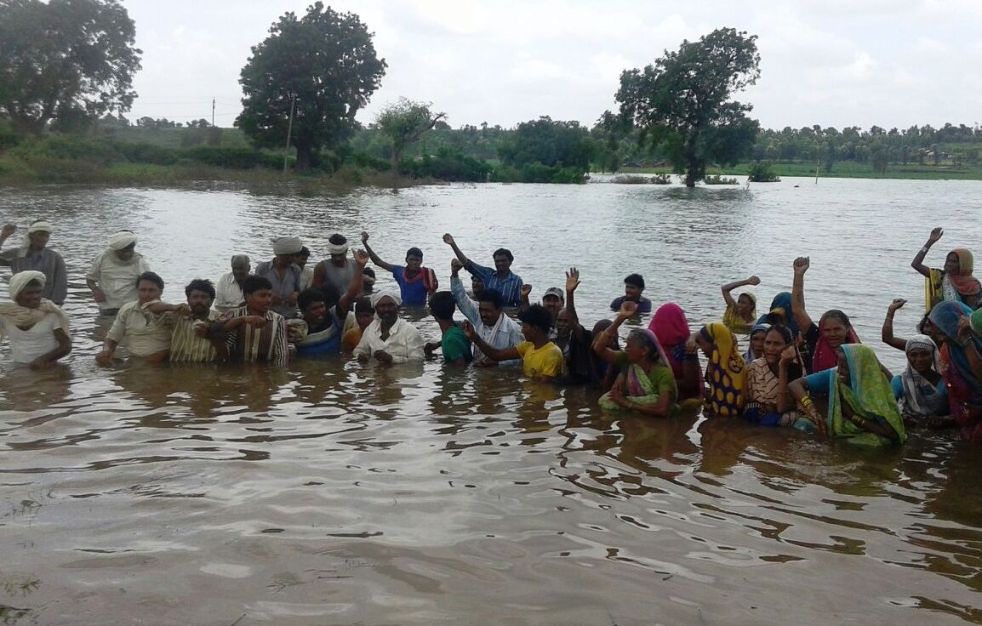
Dams, Rivers & People: August 24, 2015
MAHARASHTRA DROUGHT
Stop westward diversion of water from Bhima-Krishna basin:SANDRP (21 Aug. 2015) The Report is based on interview of Parineeta Dandekar of SANDRP and provides the steps that the Maharashtra govt can take to reduce drought and water scarcity in Maharashtra, starting with stoppage of westward diversion from Bhima-Krishna basin. This is based on Open Letter to Mahrashtra written by Parineeta Dandekar in the context of Marathawada drought and analysis of Marathawada drought by Parineeta Dandekar.
SANDRP has also written an Open letter to Tata Sustainability Group to stop westward diversion of Bhima basin water by Tata Hydro projects. SANDRP’s response to Tata Power on this issue was earlier published on August 17, 2015 Continue reading “Dams, Rivers & People: August 24, 2015”
 SANDRP