Fish, Fisheries, Fisherfolk

World Fisheries Day 2024: Top Ten Positive Fisheries Reports from India

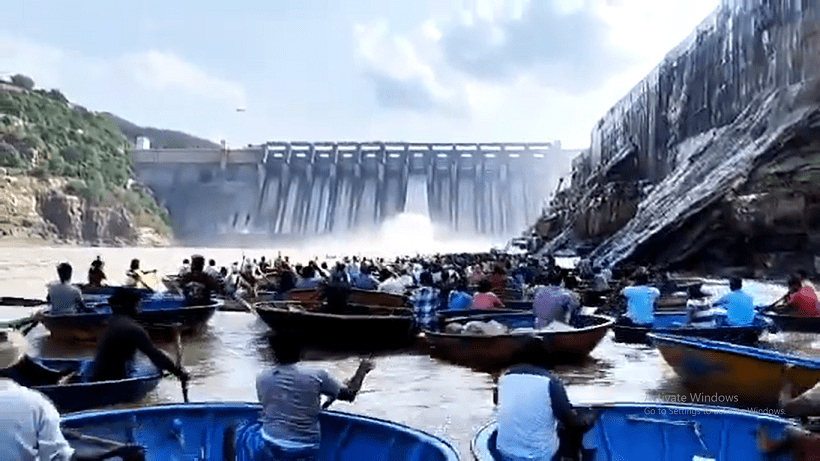
(Fature Image: Telangana fishermen fishing downstream Srisailam project after closing of dam gates in Aug 2024. Source: Social Media)

Continue reading “World Fisheries Day 2024: Top Ten Positive Fisheries Reports from India”
DRP News Bulletin

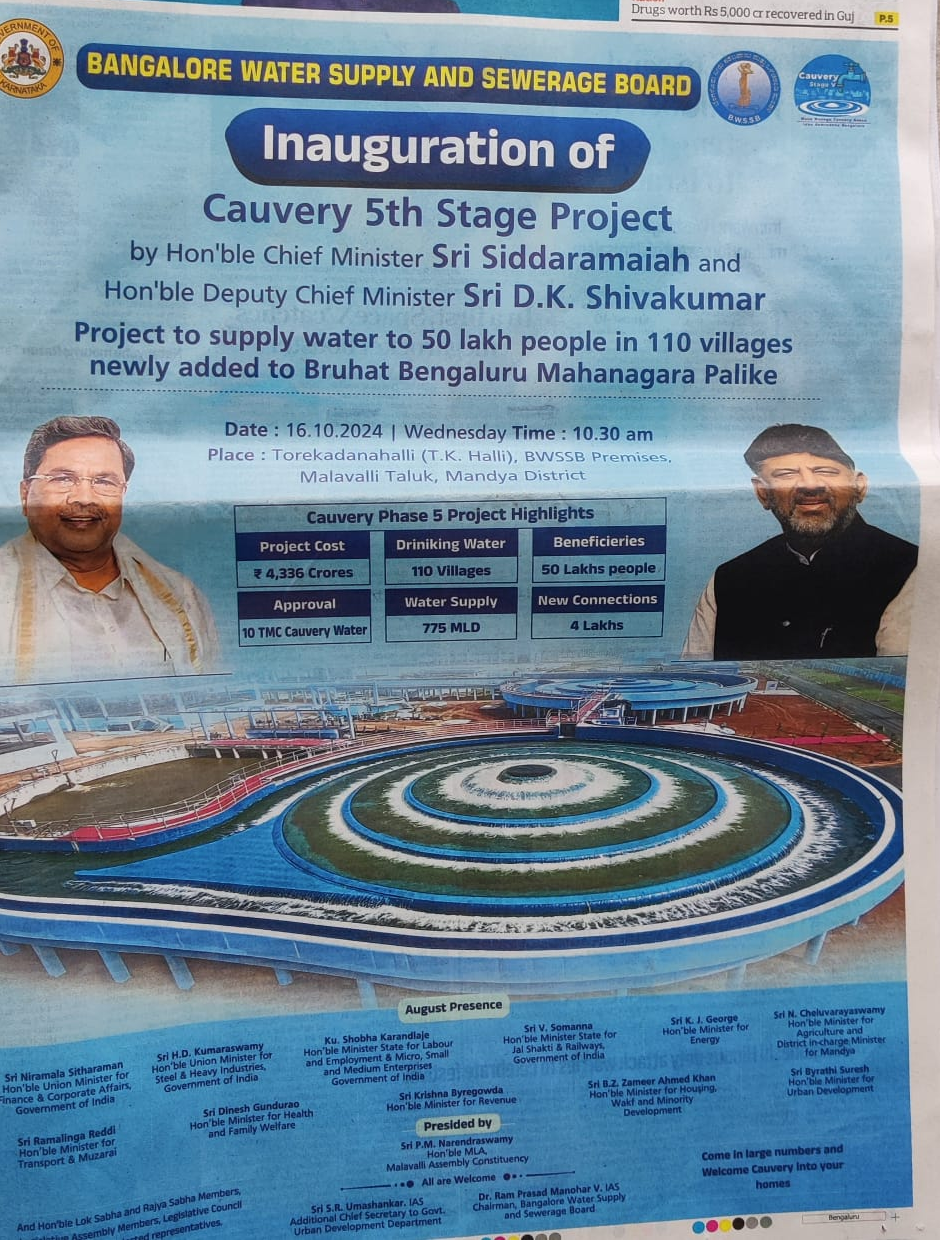
DRP NB 14×24: Big Dams, Long distance water will not solve Urban Water Crisis

Continue reading “DRP NB 14×24: Big Dams, Long distance water will not solve Urban Water Crisis”
Dam Decommissioning

Dam Removal as a River Restoration Tool: World Fisheries Congress 2024

The recently concluded World Fisheries Congress in Seattle in March 2024[i] discussed several themes relating to the health of our rivers, dependent communities and fish. Of the several interesting sessions, Symposium on ‘Dam Removal as a River Restoration Tool at the Water-Energy-Food Nexus’[ii] was of particular interest.  I was simultaneously at two parallel sessions and was unable to attend some of the presentations but have tried to provide an overview of the Symposium, including a talk by SANDRP.

Continue reading “Dam Removal as a River Restoration Tool: World Fisheries Congress 2024”
Dam Safety

2023: Safety & Sustainability Concerns On Dams & Hydro Power Projects in India

Continue reading “2023: Safety & Sustainability Concerns On Dams & Hydro Power Projects in India”
Fish, Fisheries, Fisherfolk

WFD 2022: Positive River Fisheries Reports from India & Dam Removal Abroad

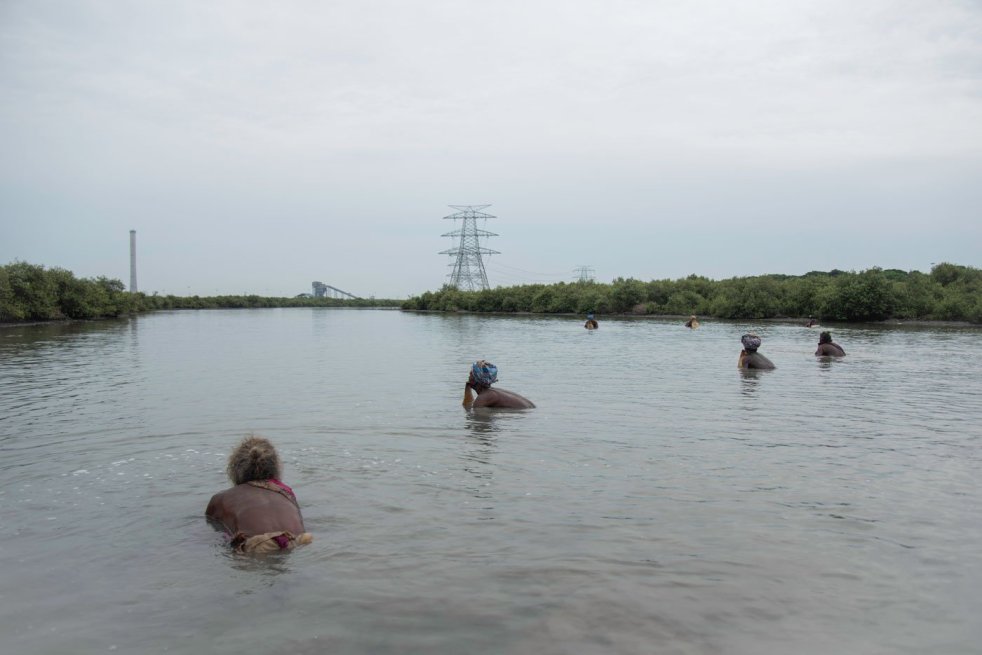
(Feature Image: Govindamma (extreme left) fishing for prawns in Kosasthalaiyar river with others from her Irular community. They wade through the water for 2-4 kms to catch them. Credit: People’s Archive for Rural India (PARI))

On the occasion of World Fisheries Day (WFD) 2022, this report by SANDRP tracks some positive stories on river fish and fisher in India & Dam removal action abroad. In subsequent part on this occasion, the mass fish death incidents in Indian rivers, wetlands, lakes would be covered along with updates on emerging threats of invasive fish, riverbed mining, pollution, encroachments, microplastic over the past one year. The third part would cover the mass fish death incidents in lakes and ponds in India and the fourth part would focus on continuing struggle of coastal fisherfolks and relevant issues.  The fifth and last part on the series would highlight issues concerning aquatic bio-diversity in the country.   

Continue reading WFD 2022: Positive River Fisheries Reports from India & Dam Removal Abroad
DRP News Bulletin

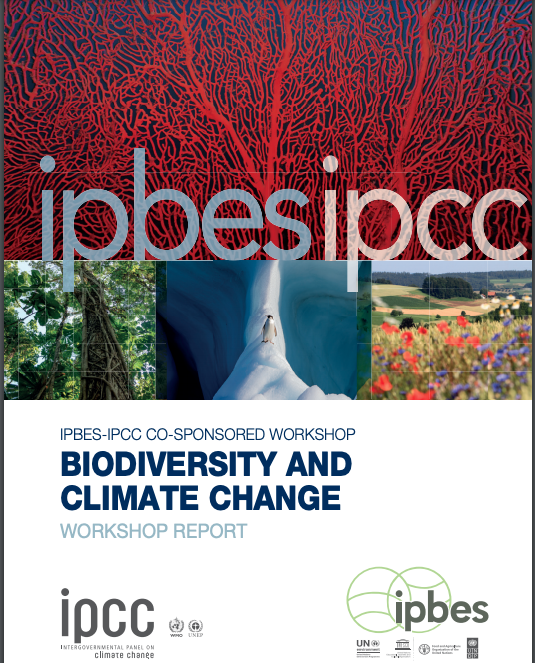
DRP NB 14 June 2021: IPCC-IPBES Scientists: Biodiversity protection & climate change action HAVE TO work together

In a remarkable new report, the 50 top scientists of Inter-Governmental Panel on Climate Change (IPCC) and Intergovernmental Science-Policy Platform on Biodiversity and Ecosystem Services (IPBES) have come together to deliver the first ever joint collaboration report with the message that Biodiversity crisis and climate change crisis are not independent of each other. The message from scientists is clear: The claimed Climate “solutions” that hurt biodiversity or their habitat are false solutions.

By protecting and restoring nature, the report said, we can safeguard biodiversity, help limit warming, improve human well being and even find protection from the consequences of climate change, like intensified flooding and storms.

Continue reading “DRP NB 14 June 2021: IPCC-IPBES Scientists: Biodiversity protection & climate change action HAVE TO work together”
Dams, Rivers & People

DRP NB 8 Feb. 2021: Will NITI Aayog study the costs of overturning the Radhakrishnan Judgement on Uttarakhand?

NITI Aayog, we learn, has started studies of implications of the Supreme Court and NGT orders on environment issues. In the context of the massive Chamoli disaster now unfolding in Uttarakhand, NITI needs to urgently institute an inquiry as to who all are responsible for overturning the Justice Radhakrishnan led verdict of Aug 13, 2013 about the June 2013 Uttarakhand disaster and role of hydropower projects in the disaster and the costs of overturning that verdict. In fact if the Justice Radhakrishnan verdict were to have been sincerely and honestly implemented to its logical conclusion, the proportions of the current Chamoli disaster and others would have been majorly reduced. So the costs are no doubt huge and mounting. Will NITI Aayog institute such an independent inquiry urgently?

Continue reading “DRP NB 8 Feb. 2021: Will NITI Aayog study the costs of overturning the Radhakrishnan Judgement on Uttarakhand?”
Dams · DRP News Bulletin

DRP News Bulletin 12 November 2018: Waterways Deteriorate Ganga, But Gadkari And Modi are Oblivious

PM Modi inaugurated the first multi-modal terminal on the Ganga river in Varanasi on Nov. 12 under a project aimed at promoting inland waterways as a cheaper and more environment-friendly means of transport. The multi-modal terminals are being built as part of the central government’s Jal Marg Vikas Project that aims to develop the stretch of the river Ganga between Varanasi and Haldia for navigation of large vessels weighing up to 1,500-2,000 tonnes. https://www.ndtv.com/india-news/pm-modi-to-inaugurate-1st-multi-modal-terminal-on-ganga-river-in-varanasi-1944924  (9 Nov. 2018)

Explaining the negative impact of waterways projects on Ganga River, Shripad Dharmadhikary in Hindi report titled जलमार्ग परियोजना बदहाल नदियों पर एक हमला writes that the projects lack public consultation “गंभीर बात है कि जलमार्ग विकास से सबसे ज्यादा प्रभावित होने की सम्भावना स्थानीय जनता को है। इसके बावजूद जलमार्ग के विकास से संबंधित ज्यादातर कामों के आयोजन और क्रियान्वयन के लिए न तो इनकी सलाह ली गई है, और न ही इनके बारे में जनता को जानकारी दी गई है। कुल मिलाकर इन जलमार्गों के सामाजिक और पर्यावरणीय प्रभावों का ठीक से आकलन नहीं हुआ है, ऊपर से इन्हें पर्यावरणीय मंजूरी के दायरे से बाहर रखा गया है और सारी प्रक्रिया में लोगों की सहभागिता का भी पूरा अभाव है। ऐसे में जलमार्गों के रूप में इतना बड़ा हस्तक्षेप हमारी नदियों पर एक और बड़ा हमला है जो पहले से बुरी हालत में हैं। https://www.downtoearth.org.in/hindistory/%E0%A4%A8%E0%A4%A6%E0%A5%80%E0%A4%B9%E0%A4%82%E0%A4%A4%E0%A4%BE-%E0%A4%AA%E0%A5%8D%E0%A4%B0%E0%A4%AF%E0%A4%BE%E0%A4%B8-62034  (5 Nov. 2018)

Continue reading “DRP News Bulletin 12 November 2018: Waterways Deteriorate Ganga, But Gadkari And Modi are Oblivious”

Dams · DRP News Bulletin

DRP News Bulletin 2 July 2018: Punjab Cabinet Meets To Discuss Water crisis, IS IT SERIOUS?

In a rare event, Punjab Cabinet met to discuss water crisis on June 26, 2018. The reports before the meeting seemed to give hope that may be Punjab will look at the water crisis in a fundamental, holistic way. https://indianexpress.com/article/cities/chandigarh/punjab-government-to-firm-up-water-conservation-plan-5233826/ (June 26, 2018)

But the cabinet ended up setting up a committee to assess the ground water situation in the state and submit a detailed proposal for water conservation.

– Punjab has the highest rate of groundwater exploitation and had on average withdrawn 28.2 million acre feet (MAF) water yearly during 2008-2013. However, the yearly average replenishment of water was only 18.9 MAF.

– 73% of Punjab’s irrigated area uses groundwater for irrigation, while only 27% uses surface water. The number of tubewells had gone up exponentially from 2 lakh in 1971 to 12.50 lakh in 2015-16, with 41% of these have water availability beyond the depth of 60 metres. https://timesofindia.indiatimes.com/city/chandigarh/5-member-committee-to-assess-punjab-ground-water/articleshow/64770186.cms  (28 June 2018)

Continue reading “DRP News Bulletin 2 July 2018: Punjab Cabinet Meets To Discuss Water crisis, IS IT SERIOUS?”