DRP News Bulletin

DRP NB 270524: Illegal Sand Mining Menace: Can Judiciary act effectively?

Continue reading “DRP NB 270524: Illegal Sand Mining Menace: Can Judiciary act effectively?”
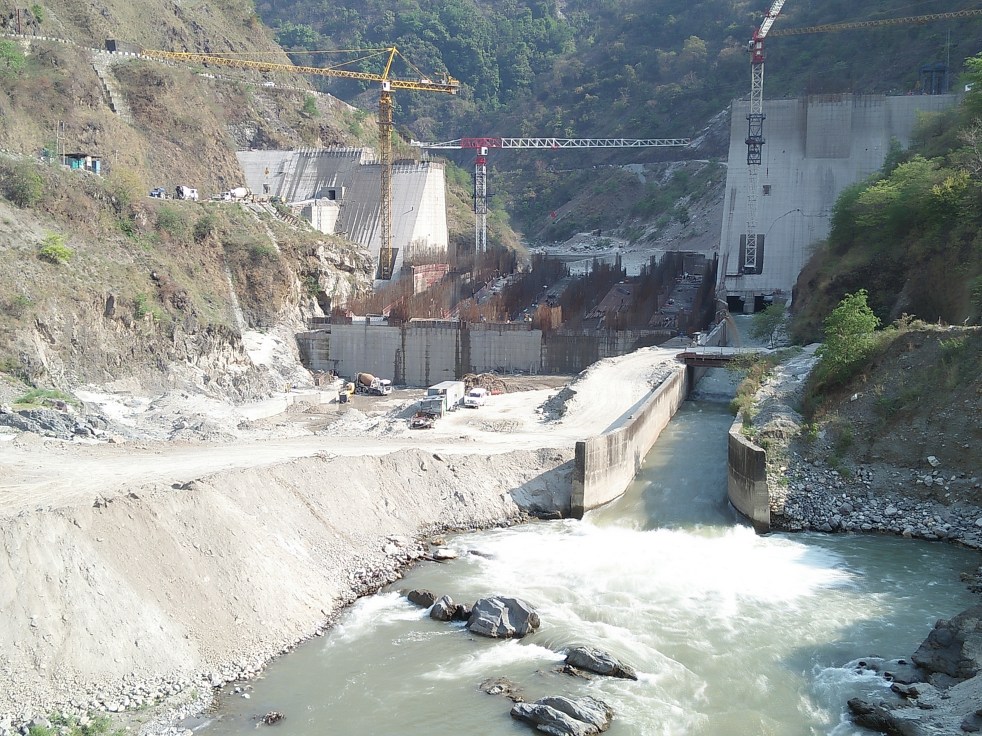
Hydro Disaster

2022: Accidents & Damages related to Hydro projects in India

In this annual review, SANDRP compiles the hydro power related accidents, disasters and damages in North West and North East Himalayan states during 2022. It also covers relevant reports revealing gradual decline in power generation by hydro power projects amid growing concerns over physical and financial viabilities of new projects. There are also reports highlighting the looming climatic and geological threats over these projects. It is good to see that taking lessons from Chamoli disaster in Feb. 2021, NDMA has officially asked central govt not to rely on hydro power.

In previous parts of yearend roundups, we have covered (1) Dam induced floods & damages, (2) Fly ash dam breach incidents, (3) Impact of floods on Polavaram project, (4) People’s resistance against dams and hydro projects. Please see links for reports tracking hydro power projects related accidents and disasters in 2021 and 2020.

Continue reading “2022: Accidents & Damages related to Hydro projects in India”
DRP News Bulletin

DRP News Bulletin 16 May 2022: Welcome effort at Groundwater monitoring in India’s villages

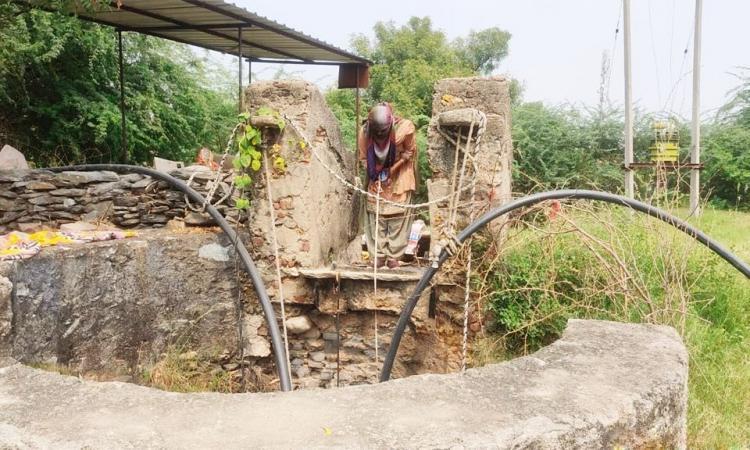
(Feature Image: Women use an open source groundwater monitoring tool that enables collection of water level data of wells and its collation on a web platform for easy access by all. Source: FES/IWP)

The Groundwater (its closer to dug well monitoring than full GW monitoring) Monitoring Campaign using the Groundwater Monitoring Tool (an App) across the villages in India started two years ago by the Foundation for Ecological Security (FES) as reported by the India Water Portal seems like a much needed kind of campaign to monitor groundwater levels (& quality where that is also being monitored) across the villages in India. The presentation on the India Observatory (an initiative of FES) website lists some 40 very highly credible organisations from across India in 2020 when the GWM campaign started. This is certainly very welcome initiative that has huge potential to improve India’s groundwater management.

Continue reading “DRP News Bulletin 16 May 2022: Welcome effort at Groundwater monitoring in India’s villages”
DRP News Bulletin

DRP NB 11 April 2022: Ken Betwa Affected people protest land acquisition

The residents of about 15 villages affected by the Ken Betwa link project are opposing the land acquisition process being initiated in violation of all norms have opposed the move. The notices have not been pasted in the affected villages, gram sabhas have not been conducted and the information promised in the notice is not available at the designated places. When question, the Madhya Pradesh officials have responded arrogantly. The history of manipulations and violations that has been the norm every step of the way in Ken Betwa Project continues. In fact the project does not have final forest clearance, its wildlife clearance has been questioned by the Supreme Court appointed Central Empowered Committee and its Environment clearance is under challenge before the National Green Tribunal. In absence of the clearances, the land acquisition should not even be started if there is any place for prudent norms in such projects. It would be best if the government stops the process and starts it only if and when it gets all the clearances and after taking all the concerned into confidence through a prudent confidence inspiring process.

Continue reading “DRP NB 11 April 2022: Ken Betwa Affected people protest land acquisition”
DRP News Bulletin

DRP NB 23 Aug 2021: World Water Week: 30 years long enough for stock taking?

This week (23-28 Aug 2021) it is Stockholm World Water Week (SWWW) with a 30 year history. The organisers say: “World Water Week 2021 is unlike any other week in our 30-year-old history.” But provide no clear reasons why they are saying that. Their possible explanation: “In 2021 people across the world are really beginning to understand the gravity of the situation we are facing – within a decade we must halve carbon emissions, restore the degraded natural world, and achieve the Sustainable Development Goals. This will require massive transformations of all sectors of society. World Water Week 2021 is entirely focused on the role of water for these transformations and on developing real solutions.” https://www.worldwaterweek.org/news/join-the-most-important-world-water-week-ever 

Continue reading “DRP NB 23 Aug 2021: World Water Week: 30 years long enough for stock taking?”
DRP News Bulletin

DRP NB 24 May 2021: Campaign to protect Pune Rivers

An active campaign has been going on for several months now to save the Pune Rivers from the so called “River Front Development” Project as can be seen the following stories of just last one month. The RFC supporters are also out to push multi crore project, as can be seen from the numerous stories being planted in the media on regular intervals. There is no doubt that the Pune Rivers will be destroyed and the city will face increasing flood disasters if the project goes ahead. One hopes the Civil Society campaign continues and judiciary steps in to stop this destruction at the earliest.

Continue reading “DRP NB 24 May 2021: Campaign to protect Pune Rivers”
DRP News Bulletin

DRP NB 19 Apr 2021: Hydro lobby at work, but it won’t help forget the WCD guidelines

The Hydropower lobby continues to push unsustainable, unviable, destructive hydropower projects. They want everyone to forget about the World Commission on Dams report and guidelines and the lobby keeps bringing out its own guidelines which has zero credibility. They are looking for new voices to sing their song, and have appointed Ashok Khosla, as the Chair of the Hydropower Sustainability Assessment Council but Ashok Khosla already stands discredited. He or his organisation is not known to be doing any credible work in the area of hydropower projects. He or his organisation Development Alternatives has never taken a stand on any public spirited campaign against destructive hydropower projects in India. So that voice is neither independent nor credible. So this new move by the hydro lobby is not going to help the cause of the lobby either in India or beyond. The write up below, as expected does not mention the WCD report or guidelines. Mr Khosla possibly does not even know about the existence of the WCD report or guidelines because he had no credible role to play there or in any hydropower related work in the past. The write up has loads of misleading and wrong statements too. But all these attempts are not going to help forget people about WCD guidelines as the only globally credible and accepted guidelines on dams and hydropower projects.

Continue reading “DRP NB 19 Apr 2021: Hydro lobby at work, but it won’t help forget the WCD guidelines”
DRP News Bulletin

DRP NB 12 Apr 2021: Meghalaya, Himachal, MP people oppose Dam & Hydro projects

(Feature image: Locals protest against the proposed mega dam project on the Umngot river. Shillong Times)

From the news this week we can see news reports of strong protests to dam and hydro projects from North East India (protests against the proposed 240 MW Umngot hydropower project), North India (protests against the Jangi Thopan power project in Himachal Pradesh) and Central India (protests against the Ken Betwa Link Project and Basania Dam on Narmada, both in Madhya Pradesh), among others. These protests underline not only the protests against the social and environmental destruction such projects bring, but also the abysmally poor environmental governance and decision making processes, the shoddy Environment Impact Assessments, the Public Hearings and over all undemocratic decision making process. One hopes the government realises the underlying issues and addresses them urgently rather than ignoring the messages and messengers.

Continue reading “DRP NB 12 Apr 2021: Meghalaya, Himachal, MP people oppose Dam & Hydro projects”
DRP News Bulletin

DRP NB 8 March 2021: Will Madras HC action help save water bodies?

While on the face of it the Madras High Court order on March 2, 2021 that all district collectors of Tamil Nadu must upload by March 17, GPS/ satellite images of all the water bodies in their districts is not only welcome, it needs to be done in all the districts across India. This order is by the bench of Chief Justice Sanjib Banerjee and Justice Senthilkumar Ramamoorthy.

The same bench had earlier in January 2021 said, in response to a PIL that the government officials must have zero tolerance towards encroachment of waterbodies and ensure that every inch of such encroachment gets removed at the earliest by following the due process of law. The PIL had sought for removal of encroachments from a two-acre swamp at Arehalla in Ithalar, a village in Nilgiri hills.

While these are welcome, we hope these orders get implemented and provisions be made by the HC to ensure accountability of the DMs to ensure that all information is put out on the district water bodies website in form and manner that people understand as also in english and should be archived so that the information can be used in future. The information from the past should also be put up on such websites and a transparent, participatory monitoring of the water bodies be instituted for each district.

Continue reading “DRP NB 8 March 2021: Will Madras HC action help save water bodies?”
Wetlands

Wetlands Overview 2020: Judiciary is active, but remains ineffective

The highlight of the overview of wetlands in India in 2020 here (keeping aside the Wetlands related developments in Maharashtra in 2020 and Positive wetlands related developments in 2020, on both these subjects we have published separate reports), is that the National Green Tribunal (NGT), various High Courts and even the Supreme Court have been quite active on wetlands front, but there is very little impact of this on the wetlands and their governance in India. This is basically because, and this is the second key highlight of this overview, the central and state governments have shown almost no interest, understanding or will to protect the wetlands. This is in spite of the huge number of new Indian wetlands brought under the Ramsar convention in 2020, since experience and also this overview shows that Ramsar convention does not seem to particularly help the fate of the wetlands. The third highlight of the overview is that there is a lot of civil society effort, both in terms of advocacy and work on ground for the protection of wetlands in India. In fact the legal action that we see in the NGT and Courts is largely due to their efforts. In fact whatever little positive developments we see here is coming from community and civil society efforts.

Continue reading “Wetlands Overview 2020: Judiciary is active, but remains ineffective”