
Brazil Announces the End of Mega-Dams in the Amazon The Brazilian government has announced it will stop building mega-dams in the Amazon, according to reports in the Brazilian newspaper O Globo and in an article published in Mongabay. This is great news indeed. Congratulations to everyone in Brazil Campaign. https://www.internationalrivers.org/resources/brazil-announces-the-end-of-mega-dams-in-the-amazon-international-rivers-statement-16587 (3 Jan 2018) Continue reading “Review of fascinating Dams, Rivers related developments in American continent in 2017”
US Dams, Rivers and People in 2017: There is so much to learn!
DECOMMISSIONING OF DAMS
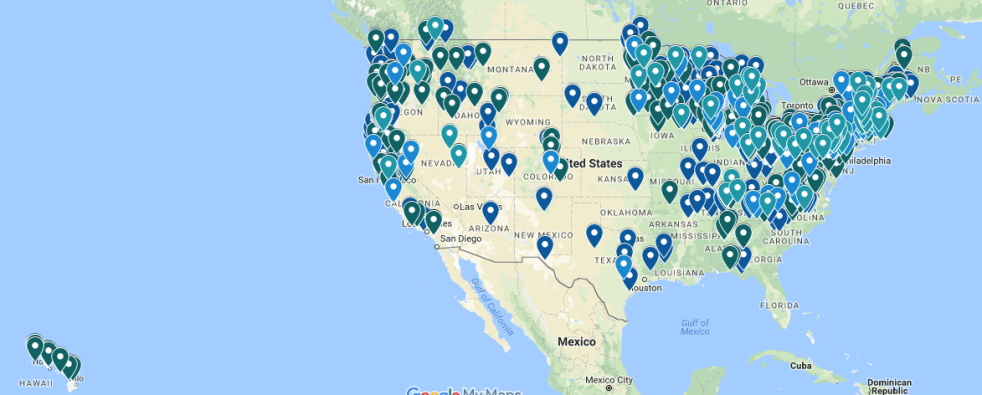
Map of dams removed since 1916 Dams cause considerable harm to rivers. Dams have depleted fisheries, degraded river ecosystems, and altered recreational opportunities on nearly all of our rivers. Today, many dams that were once at the epicenter of a community’s livelihood are now old, unsafe or no longer serving their intended purposes. Learn how USA is working to remove dams and restore the rivers. (Map above is from Ameerican Rivers website, depicting the location of decommissioned dams in USA.) https://www.americanrivers.org/threats-solutions/restoring-damaged-rivers/dam-removal-map/ Continue reading “US Dams, Rivers and People in 2017: There is so much to learn!”
India Urgently Needs Urban Water Policy: River Front Development Kills the Rivers
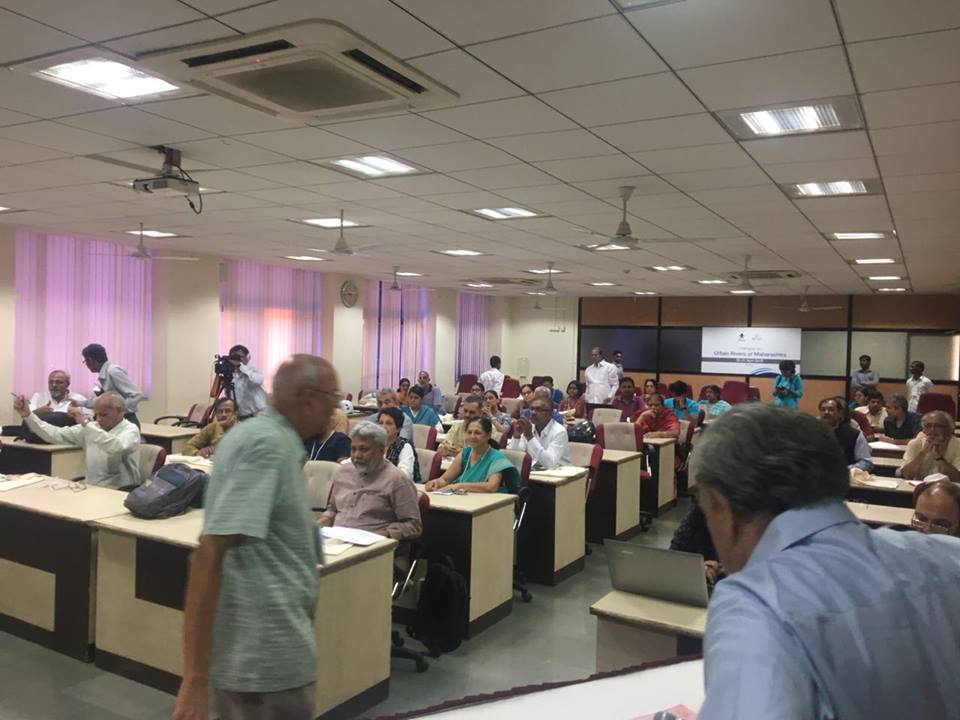
In the conference, “Dialogue on Urban Rivers of Maharashtra”, experts on water and rivers from all over the country strongly expressed their views and unanimously agreed that, “Pune River Front Development Project is certainly going to cause a disaster.” The conference also underlined the need for and decided to work for Urban Water Policy for Maharashtra and India.
The conference was jointly organised on 20 and 21st April at YASHADA by Indian National Trust for Art Culture and Heritage (INTACH – Pune Chapter) and South Asian Network for Rivers Dams, Rivers and People (SANDRP). Experts from Delhi, Andhra Pradesh, Gujarat, Madhya Pradesh, Karnataka and various parts of Maharashtra attended the conference. Continue reading “India Urgently Needs Urban Water Policy: River Front Development Kills the Rivers”

DRP: 23 April 2018: India Urgently Needs Urban Water Policy
Experts Flush out India’s ‘Sewage’ Rivers: Urban India is treating its rivers as a pipeline for water, a dumping ground for all kinds of sewage, industrial effluents and solid waste and, its floodplain and riverbed as land available for encroachment. This was the gloomy perspective presented by Himanshu Thakkar, a social activist at the South Asian Network on Dams, Rivers and People.
Continue reading “DRP: 23 April 2018: India Urgently Needs Urban Water Policy”
अनुपम केन नदी पदयात्रा का यादगार अनुभव
सैनड्रप व वेदितम, प्रेस विज्ञप्ति ,पन्ना, वीरवार 19 अपै्रल 2018
1 केन नदी पदयात्रा के बारे में
केन नदी का नाम भारत की स्वच्छ नदियों में शुमार है। 427 किमी लंबी केन नदी, रीठी विकासखण्ड़, कटनी जिला, मध्यप्रदेश से निकलकर चिल्ला घाट, बांदा जिला उत्तरप्रदेश में यमुना नदी में समाहित हो जाती है। केन नदी राष्ट्रीय नदी गंगा के जलागम क्षेत्र का हिस्सा है। इसे करीब से देखने व समझने के लिए नदियों पर अध्ययनरत संस्थाओं साउथ एशिया नेटवर्क आन डैमस्, रिवर्स एंड पीपल (सैनड्रप) दिल्ली और वेदितम इंडिया फाडेशन, कलकता ने मिलकर केन नदी पदयात्रा का आयोजन किया। इससे पहले दोनों सस्ंथाए गंगा और यमुना नदी पर भी लंबी यात्राए कर चुकी हैं।
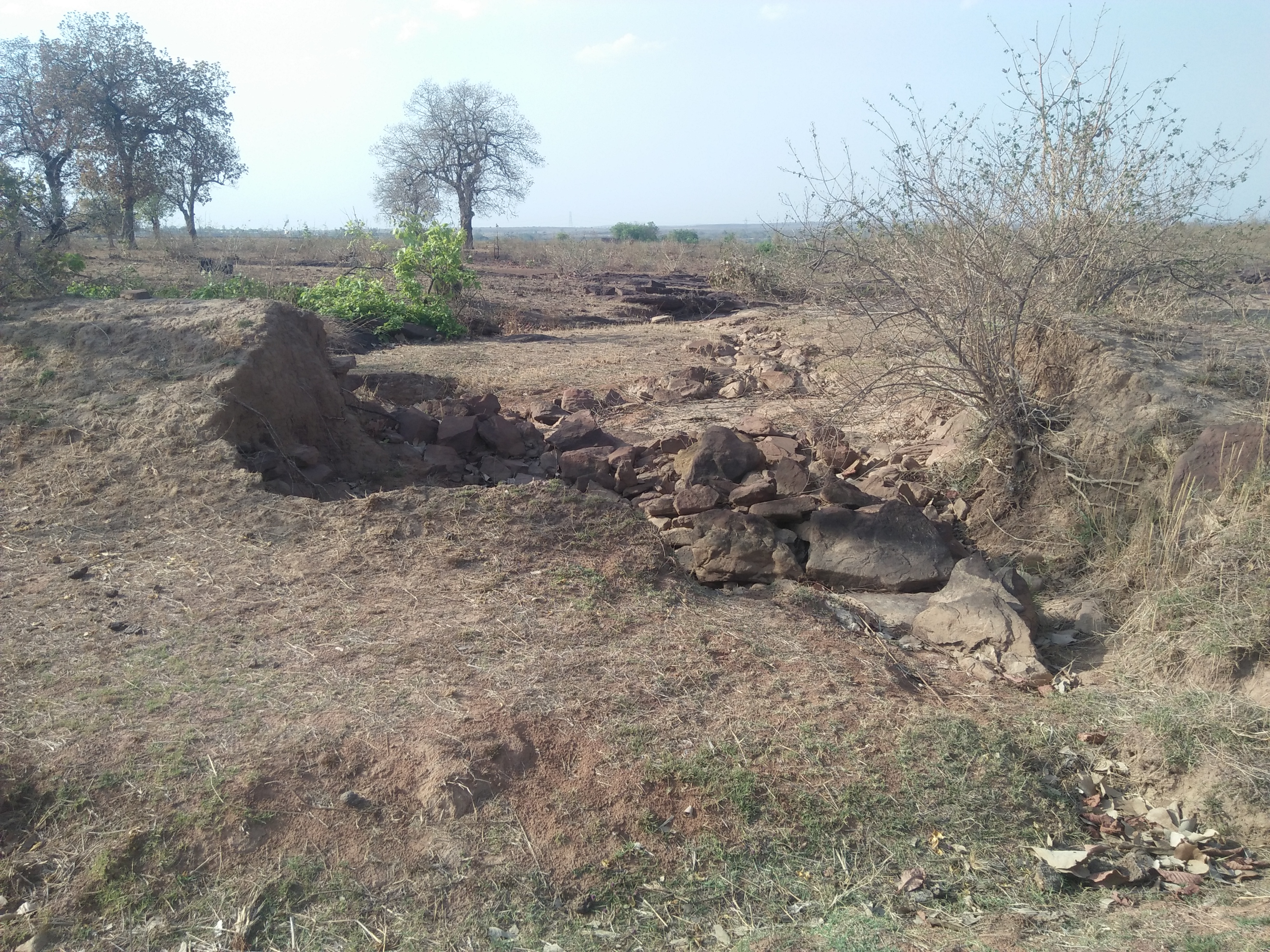
The field which is believed to be origin of Ken River in Rithi block, Katni district. (All pics taken during Ken River Yatra, SANDRP & Veditum)
कठिन भोगौलिक क्षेत्र के चलते इस पदयात्रा को तीन चरणों (जून 2017, अक्तूबर 2017 एवं अपै्रल 2018) में पूरा किया गया। इस यादगार पदयात्रा को पूरा करने में 33 दिन लगे। लगभग 600 किलो मीटर पैदल सफर के दौरान बांदा, पन्ना जिलों में केन नदी के तटों पर स्थित 100 ये अधिक गावों से गुजरना हुआ और 60 से अधिक गाववालों से केन नदी के अतीत एवं वर्तमान स्थिति, नदी क्षेत्र में जल स्रोतों की स्थिति, भूजल स्तर, खेती-सिंचाई, वन-वनस्पति, पशु-पक्षी, केन-बेतवा नदी जोड़ योजना, नदी बाढ़ प्रकृति, केन नदी जैव विविधता आदि नदीतंत्र संबंधी अनेक विषयों पर बात ग्रामीणों, किसानों, मछुवारों, मल्लाहों, महिलाओं से विस्तृत चर्चा की गई।
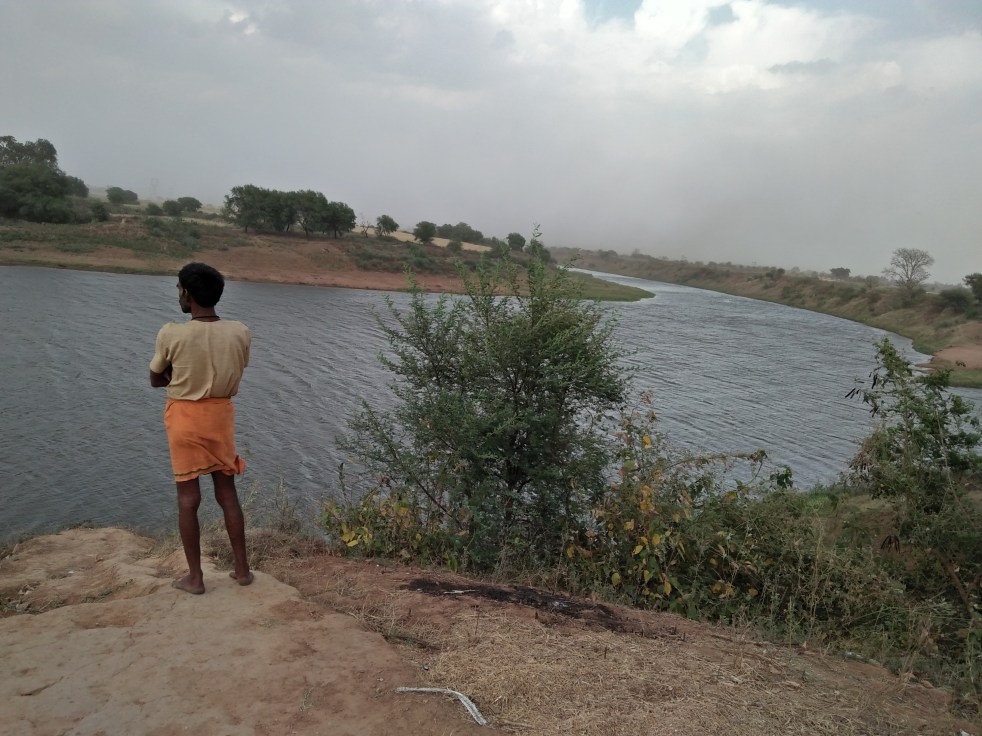
Amazing experience of Yatra along the Majestic Ken River
SANDRP & VEDITUM: Press Release, Panna, Apr 19, 2018
- About the Yatra: The Ken River is considered to be one of India’s cleaner rivers. It is part of the Ganga basin and meets the Yamuna at Chilla Ghat in Banda District, Uttar Pradesh. To closely understand the Ken, this walk along the Ken was organised by SANDRP – South Asia Network on Dams, Rivers and People (SANDRP) from Delhi and Veditum India Foundation from Kolkata. In the past, these organisations have also undertaken long journeys along rivers Yamuna and Ganga.
The difficult terrain of the Ken River and the harsh weather required this journey to be undertaken in multiple parts (June 2017, October 2017 and April 2018). It required a total of 33 days to complete this over 600 km journey on foot, where we discussed issues of the river, water, agriculture, the proposed Ken Betwa project and other socio-environmental topics with villagers in over 60 villages.
Continue reading “Amazing experience of Yatra along the Majestic Ken River”
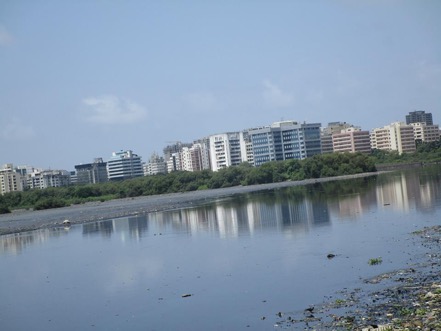
Pune Dialogue on Urban Rivers of Maharashtra on April 20-21, 2018
The health and future of our country is critically dependent on the health of our rivers. To compromise upon our rivers’ health is to endanger our own existence and future. Most of the urban rivers[1] in Maharashtra are in poor state affected by problems like pollution, with little or no biodiversity, little or no flow during most of the year, encroachment, dumping of waste, concretization and sometimes even mining. Water pollution from Urban Industrial effluents is a serious problem for the river, floodplain as well as ground water. With unplanned development, as the floodplains and riverbeds are being encroached, we are experiencing increased intensity and frequency of floods and flash floods. This can lead to an increasing possibility of water scarcity, depletion of groundwater levels and drought in spite of rains. Continue reading “Pune Dialogue on Urban Rivers of Maharashtra on April 20-21, 2018”

Fisher-people lead Save Mathabhanga & Churni River Campaign in W Bengal
On 10th April 2018 around 500 fishers assembled at Majhdia, a town bordering Bangladesh in the district of Nadia (W Bengal), to publicly voice their protest against killing of rivers Mathabhanga and Churni. Majhdia town reverberated with the slogan Save River, Save Fish, Save Fisher People! Continue reading “Fisher-people lead Save Mathabhanga & Churni River Campaign in W Bengal”

DRP: 16 April 2018: HOW Citizens can use mobile app to monitor Rivers
MOBILE APP FOR RIVER MONITORING: HUGE POTENTIAL FOR CITIZENS IN INDIA? If you added up the length of all the streams around the world, the total would be at least 89 million kilometers [Downing et al., 2012]. More than half of the global stream channel network is likely intermittent (i.e., the streams do not have flow year-round [Datry et al., 2014]), yet most streamflow monitoring stations are located on perennial streams.
Continue reading “DRP: 16 April 2018: HOW Citizens can use mobile app to monitor Rivers”
Pawai Dam Project displacing people without Rehabilitation, allege PAFs
Above: Broken, Silted Canals of under construction Pawai Project on Ken River in MP (SANDRP photo)
The Ken Yatra while going through the Panna district were told by Project Affected People that the Pawai Medium Irrigation Project (PMP) under construction is displacing the people without just compensation or rehabilitation.
The Ken Yatra observed that the construction work of the PMP is happening in full swing in Madhya Pradesh. The dam is being built at ‘Tendu Ghat’ on Ken River in Panna district to supply irrigation water to 9952 hectares (the board at the project site erroneously says it will irrigate 30 000 ha) of agricultural land falling in Pawai and Gunnor tehsils. The construction work also involves creation of a massive canal, including a few aqua-ducts on Ken river and its tributaries. Continue reading “Pawai Dam Project displacing people without Rehabilitation, allege PAFs”
 SANDRP