Yamuna River

The 2023 Yamuna floods of Delhi only a trailer of bigger floods to come in future?

Continue reading “The 2023 Yamuna floods of Delhi only a trailer of bigger floods to come in future?”
Yamuna River

July 2023 Delhi Floods: Why Unprecedented Yamuna Water Levels even at moderate releases?

(Feature Image: Cycles of fisherfolks by the Yamuna and ongoing construction of Metro Bridge downstream of Wazirabad Barrage two weeks before the July 2023 floods. Bhim Singh Rawat/SANDRP, June 28, 2023)

The national capital is witnessing one of the worst flood spells with water level at Railway Bridge breaching the highest recorded 207.49 m of Sept 6, 1978 by 1.17 m. The Yamuna seems eager to reclaim all its relict channel and encroached floodplain areas.

The River has set 208.66 meter as new HFL (Highest Flood Levels) for the site at 18:00 hours on 13 July 2023 which is 1.17 meter higher than the 1978’s HFL. The flood level is receding now.   

Continue reading “July 2023 Delhi Floods: Why Unprecedented Yamuna Water Levels even at moderate releases?”
Yamuna River

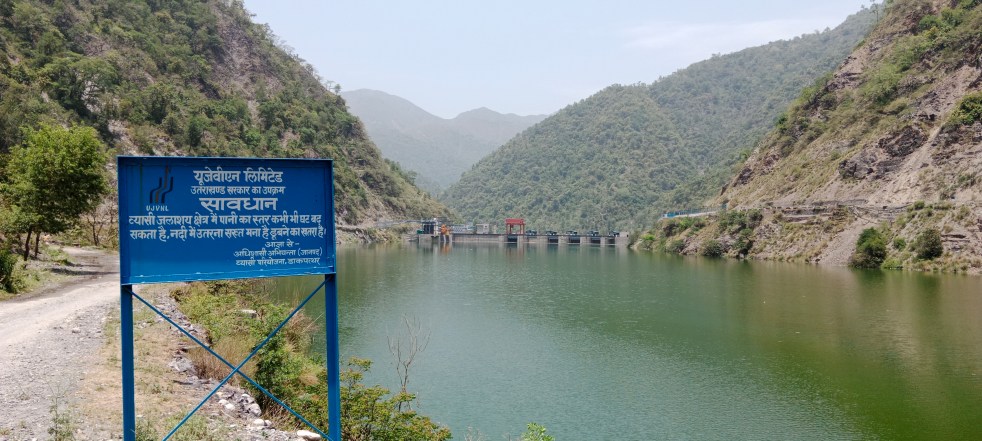
Vyasi Hydro: Village Drowned; River Dried but little power generation

(Featured Image: Submerged Lohari village houses in Vyasi HEP ‘RoR’ dam reservoir. SANDRP, June 2023)

The 120 Mw Vyasi HEP built by Uttarakhand Jal Vidyut Nigam Ltd (UJVN Ltd.) in Vikas Nagar tehsil of Dehradun is on its way to become the textbook example of how thoughtlessly pushed hydro power projects are proving a nightmare for local people, a costly affair for the state and the nation and a disaster for free-flowing living river.

The project offers some bitter lessons for the policy-makers, experts and society who have been assuming that hydro power is a cheap, green source of energy and the Run of River (RoR) projects don’t dam and cause much harm to the environment, people or rivers.

Continue reading “Vyasi Hydro: Village Drowned; River Dried but little power generation”
Yamuna River

Photo Blog: Yamuna River A Year After Vyasi HEP

Vyasi HEP on Yamuna River is latest example of how the hydro power projects being pushed in the name of clean and green energy sources are failing on all fronts and proving a costly affair for the river, people and the nation.

The people who still think that the Run of the River (RoR) projects do not require a dam and cause no submergence of land; must visit the Vyasi HEP to witness the about 4 km long reservoir behind the 86-meter tall and 200-meter-long dam there.

Continue reading “Photo Blog: Yamuna River A Year After Vyasi HEP”
Yamuna River

मनोज मिश्र: नदियों के संरक्षण को समर्पित एक वनाधिकारी

(फीचर इमेज: कौशाम्बी उत्तर प्रदेश में यमुना की ऑक्स बो लेक अलवारा में भ्रमण के दौरान मनोज मिश्र। फोटो: डॉ एस आर टैगोर, दिसंबर 2012)

“मेरे जीवन काल में तो यमुना की हालत में सुधार संभव नहीं है पर आने वाली पीढ़ी शायद एक जीवित नदी देख पाएं”, यह बात मनोज मिश्र जी ने वर्ष 2013 में उस समय कही थी जब वे यमुना में आई बाढ़ का मुआयना कर रहे थे। आज यमुना नदी संरक्षण को समर्पित प्रख्यात पर्यावरणविद मनोज मिश्र हमारे बीच नहीं हैं। विगत दो माह तक करोना से जूझने के बाद, 04 जून 2023 को मनोज जी का निधन हो गया।

देश की राजधानी दिल्ली में सालभर मृत अवस्था में रहने वाली यमुना, केवल बाढ़ के समय ही थोड़ी अवधि के लिए खुद को साफ़ करते हुए उद्गम से संगम तक एकरूप में बहती है। इसे मनोज जी नदी के लिए वरदान मानते थे और सरकारों से यमुना बाढ़ क्षेत्र (खादर) को बचाने और नदी में अविरल बहाव को लाने के लिए समग्र सोच के साथ गंभीर प्रयास की अपेक्षा रखते थे। वास्तव में नदी खादर का बचाव एवं नदी में प्राकृतिक बहाव की बहाली मनोज जी के यमुना शोध एवं संरक्षण कार्य का केंद्र बिंदु रहे।

Continue reading “मनोज मिश्र: नदियों के संरक्षण को समर्पित एक वनाधिकारी”
Yamuna River

Haryana: Upgraded Kundli CETP Fails to Stop Yamuna Pollution

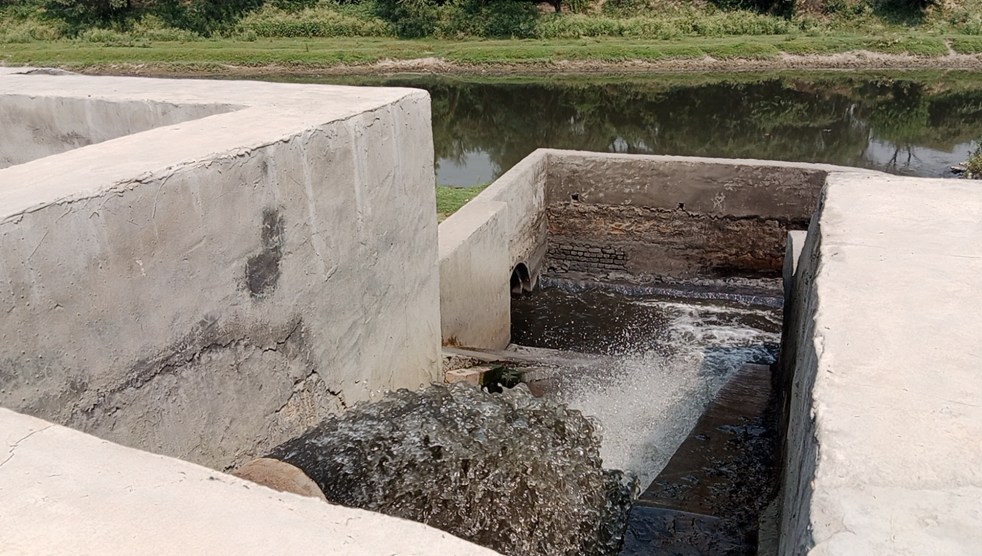
(Feature Image: Untreated effluents from Kunli CETP area being discharged into storm water drain along DN 8. However, unaware of its source, the plant officials claim the CETP has been working fine, the treated effluents are within prescribed norms and it has separate closed pipelines to dispose treated effluents. Image by Bhim Singh Rawat, May 13, 2023)

In May 2019, SANDRP had published a detailed account of how a Common Effluent Treatment Plant (CETP) of 4 million liter per day (MLD) capacity located in Phase IV of Kundli industrial area in Sonepat, Haryana was dumping untreated industrial effluents into drain number (DN) 6 and subsequently contaminating Yamuna river and Delhi’s potable water supply in DN 8.

Exactly after four years, SANDRP revisited the same CETP to assess the current status. This report highlights the key issues found during the field visit.

Continue reading “Haryana: Upgraded Kundli CETP Fails to Stop Yamuna Pollution”
Yamuna River

Yamuna Basin Storm Water Drain No 8 now Effluents Disposal Drain

(Feature Image: DN 8 full of untreated effluents near GTK road on May 13, 2023. Bhim Singh Rawat)

In the past, the Storm Water Drains (SWD) used to be seasonal streams feeding Yamuna river in upper segment of Haryana. After introduction of canal based irrigation system, most of the SWDs dissected by Western Yamuna Canal (WYC) networks have been converted into flood escape channels.

In recent decades, many of these SWDs have been degraded into waste water disposal drains. The Dhanaura escape in Karnal, Drain Number (DN) 2 in Panipat and DN 6 in Sonepat districts of Haryana state are glaring example of the deliberate abuse.

Continue reading “Yamuna Basin Storm Water Drain No 8 now Effluents Disposal Drain”
Delhi · Urban Rivers · Yamuna River

A beginning of the Pipe Solution: Policy Intervention To Reduce Phosphates in Detergents

Guest Article by: Manu Bhatnagar

Consequent to INTACH’s efforts with the Yamuna Monitoring Committee [YMC] of NGT the following results were obtained in 2021:  

“The Delhi government on Monday (June 14, 2021) banned the sale, storage, transportation, and marketing of soaps and detergents not conforming to the latest BIS parameters to curb pollution in the Yamuna river. The National Green Tribunal (NGT) had in January (2021) accepted recommendations of the Yamuna Monitoring Committee (YMC) which had suggested directing the Delhi government to issue orders “prohibiting sale, storage and transportation and marketing of detergents which do not conform to the revised BIS standards”. All the authorities concerned, including local bodies, civil supplies department and district administrations having control over shops and other establishments dealing with sale, storage, transportation and marketing facilities for soaps and detergents in Delhi should ensure the compliance of directions through strict vigil and surprise checks, the Delhi Pollution Control Committee (DPCC) said in an order issued on Monday. 

In its report submitted to the NGT, the YMC had also suggested that all the manufacturers of soaps and detergents be directed to disclose the ingredients present in the product and display the same on the package.” – The above as reported in Business Standard of 15 June, 2021. [i]

Continue reading “A beginning of the Pipe Solution: Policy Intervention To Reduce Phosphates in Detergents”
Dams · Yamuna River

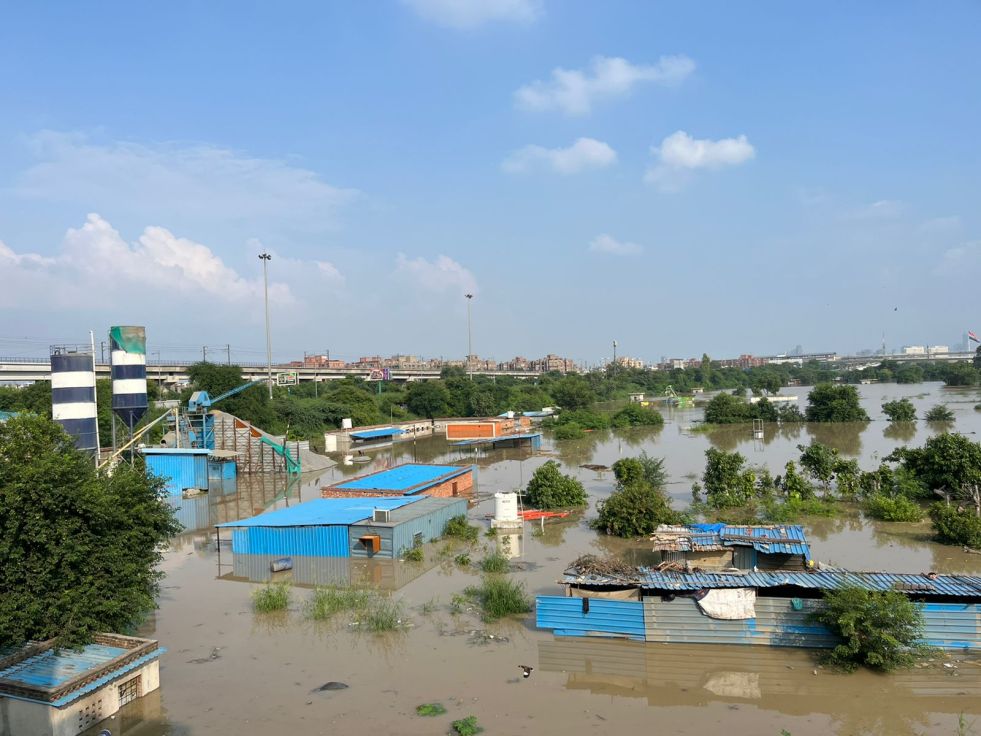
August 2022: Yamuna flood reclaims encroached floodplains in Delhi

(Feature Image: RMC plants located in active floodplain of Yamuna at Noida More submerged in flood water on Aug. 13, 2022. Image Credit:- Vikrant Tongad, SAFE)

A much awaited flood spell has flowed through Delhi during August 13-14, 2022. It came after more than two months of south west monsoon. Usually by this time, Yamuna river would have witnessed two or three flood spells in national capital lending a fresh lease of life to one of the most polluted rivers of India.

The small scale flood spell in the river has invaded parts of floodplains under abuse and encroachment by government agencies in open defiance of National Green Tribunal (NGT) January 13, 2015 judgement[i]. Apart from this flood, Delhi stretch of the river has witnessed few more abnormal events in this monsoon season so far.

Continue reading August 2022: Yamuna flood reclaims encroached floodplains in Delhi
Delhi · Yamuna River

Making Yamuna Flow Again

Guest Blog by Manoj Misra

It is no secret that the master key to Yamuna rejuvenation or for that matter any other perennial river is to make it flow as close to its natural flow pattern as possible. How to go about it is no rocket science but is no easy task either for we humans have burdened them with so many of our selfish stakes.

What flows in a river is not just water, but water enriched with energy, minerals, sediments, detritus and life, macro and microscopic plants and animals. It’s only such flow that enables and has enabled rivers over the millennia to fulfill various ecological (& social) functions like erosion and deposition of earth, meander and form floodplains, feed aquifers to replenish the ground water, host aquatic and riparian life forms, connect with the floodplain and its water bodies and complete the water cycle. (Feature image above: Dead Yamuna river at Panipat (Pic by Bhim SIngh Rawat))

Continue reading “Making Yamuna Flow Again”