Dams · Wetlands

Ramsar Wetlands in Crisis 2020: East India

In East India there are four Ramsar wetlands: two each in W Bengal and Odisha states. There are no Ramsar wetland sites in Bihar, Jharkhand or Sikkim, the other East India states. Here we provide a status of these Ramsar sites of East India, along with the kind of risks and threats these Ramsar sites face. The objective is to ensure greater awareness about these issues and hope that this will help achieve better responses from Ramsar convention as also the governments at various levels.

Continue reading “Ramsar Wetlands in Crisis 2020: East India”

Dams · Wetlands

Ramsar Wetlands Crisis 2020: North East India

There are three Ramsar sites in eight states of north east India which includes Deepor Beel in Assam, Loktak lake in Manipur and Rudrasagar in Tripura. There are no Ramsar wetlands in remaining North East India states of Arunachal Pradesh, Nagaland, Mizoram, Meghalya, Sikkim. Here is an account of issues these Ramsar sites are facing.

Continue reading “Ramsar Wetlands Crisis 2020: North East India”

Loktak Development Authority · Manipur · Wetlands · Wetlands Conservation Rules 2017

Critique of the Loktak Inland Waterways Improvement Project

Guest Blog by Shripad Dharmadhikary&  Ram Wangkheirakpam

The Loktak Inland Waterways Improvement Project (LIWIP) essentially aims to extend and expand the motorised inland transport on the Loktak Lake wetland, by augmenting the machinery and equipment that will clear the lake of all obstructions to the water transport. It promises to be a “community welfare” project, with the benefits including growth in trade and commerce, eco-tourism and livelihoods and job creation, all due to the motorised water transport that will increase the ease and means of transport. Continue reading “Critique of the Loktak Inland Waterways Improvement Project”

Dams · Wetlands

Ramsar Wetlands in crisis 2020: West India

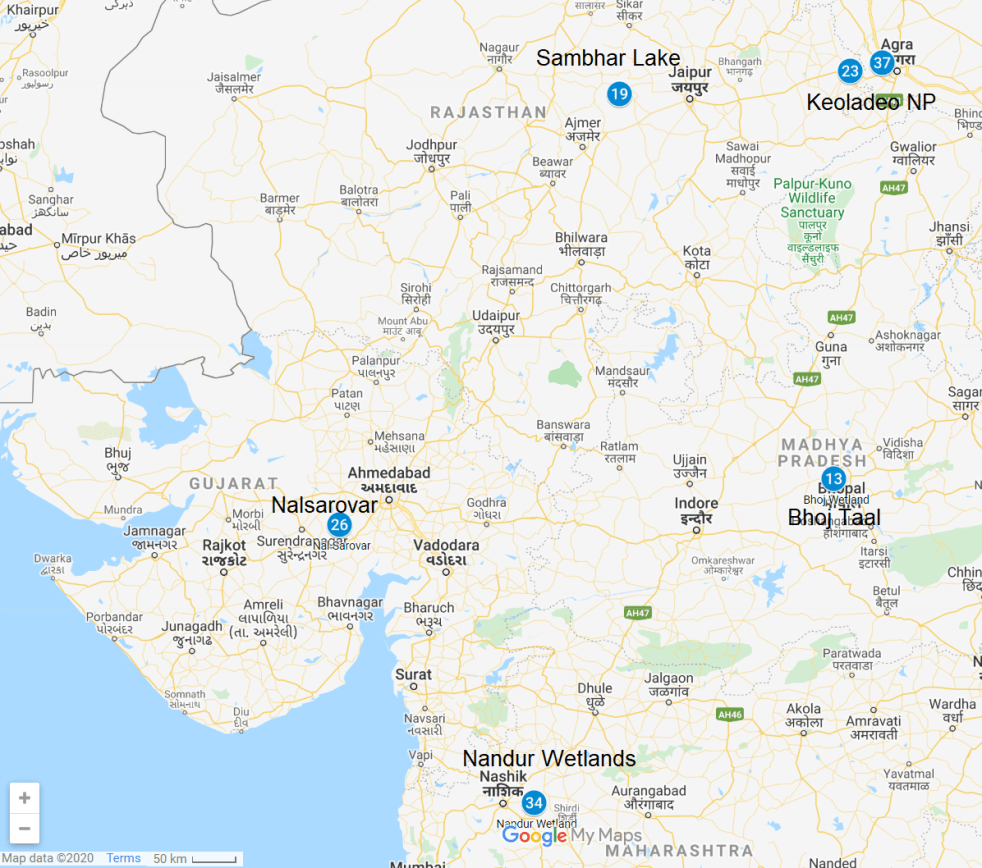
The four state of West India have only five Ramsar sites of international importance. These includes Sambhar lake and Keoladeo NP in Rajasthan, Nalsarovar in Gujarat, Bhoj Taal in Madhya Pradesh and Nandur Madhmeshwar Wetlands in Maharashtra. There is no Ramsar site in Goa state.

Continue reading “Ramsar Wetlands in crisis 2020: West India”

Dams · Wetlands

Ramsar Wetlands in Crisis 2020: North India

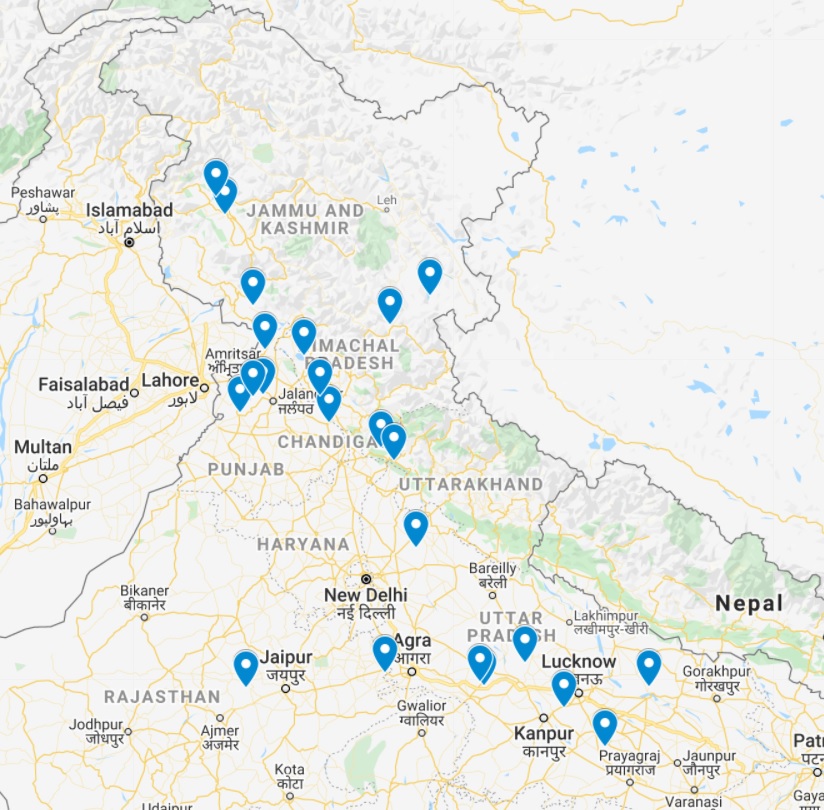
In the second half of 2019, ten additional wetlands of India have been recognized as Ramsar sites taking the total tally of such wetlands from 27 to 37. Does getting Ramsar tags really help the cause of wetlands protection? Here we try to show the present conditions and threats the Ramsar wetlands sites have been facing in North India. The subsequent compilation would share details of Ramsar sites in other zones of India.  

Continue reading “Ramsar Wetlands in Crisis 2020: North India”

Wetlands

World Wetlands Day 2020: Positive Stories from India

On February 2, the World Wetlands Day is celebrated globally. The theme of 2020 is Wetlands and Biodiversity to emphasize the critical roles the wetlands plays for wildlife, aquatic life, and native vegetation. They also play crucial role in harvesting rainwater, recharging groundwater, providing livelihoods, acting as carbon sinks and providing cushion against flash floods thus they hold immense significance in changing climate.

This compilation puts together some of the positive developments related to wetlands that took place in 2019. It also includes few individual initiatives of lakes and water bodies cleaning from greater Noida, Chennai and Udaipur. There have been some fruitful efforts by citizen and community groups in Maharashtra, Goa and Kerala.

Continue reading “World Wetlands Day 2020: Positive Stories from India”

Wetlands

Punjab Wetlands Overview 2019: More Ramsar Tags no guarantee for Wetlands protection   

Punjab government has been successful in getting three more wetlands declared as Ramsar sites of international importance. The state already has three wetlands with Ramsar tags namely Harike, Kanjli and Ropar wetlands. The government in October 2019 had proposed a total of five sites including Ranjit Sagar conservation reserve and Hussainiwala wetland for Ramsar tags. The new wetlands selected for the tag are Keshopur-Miani community reserve, the Beas conservation reserve and Nangal wildlife sanctuary. So now six wetlands in the state are covered under Ramsar convention.

The state forest department and WWF team were working in this direction over past couple of years. In the year 2019, the government has also taken some remarkable decisions regarding conservation of wetlands in the state. However, by the year end, there has not been any significant progress on the issue from the government.

Continue reading “Punjab Wetlands Overview 2019: More Ramsar Tags no guarantee for Wetlands protection   “

Wetlands

J&K Wetlands Overview 2019: New Threats Looming, Old Remain Unresolved

Jammu and Kashmir has many wetlands of national importance and international recognition. These water bodies are critical source of livelihood and job opportunities for a large number of population in form of fishing, farming, tourism etc. Moreover, most of the wetlands in the region fall under Central Asian Flyway Zone (CAF) and visited by lakhs of migratory and endangered birds during their annual migration march. These wetlands areas also provide safe refuge to native vegetation and wild animals. Their protection is crucial to combat the dual impact of climate change, water scarcity and flooding.  

Continue reading “J&K Wetlands Overview 2019: New Threats Looming, Old Remain Unresolved”

Art, Literature, Culture · Dams · Environment · Ganga · Rivers and Culture · Rivers in Literature · Wetlands

“Padma, I have seen you many, many times.”

Part 2

(Part 1 is here)

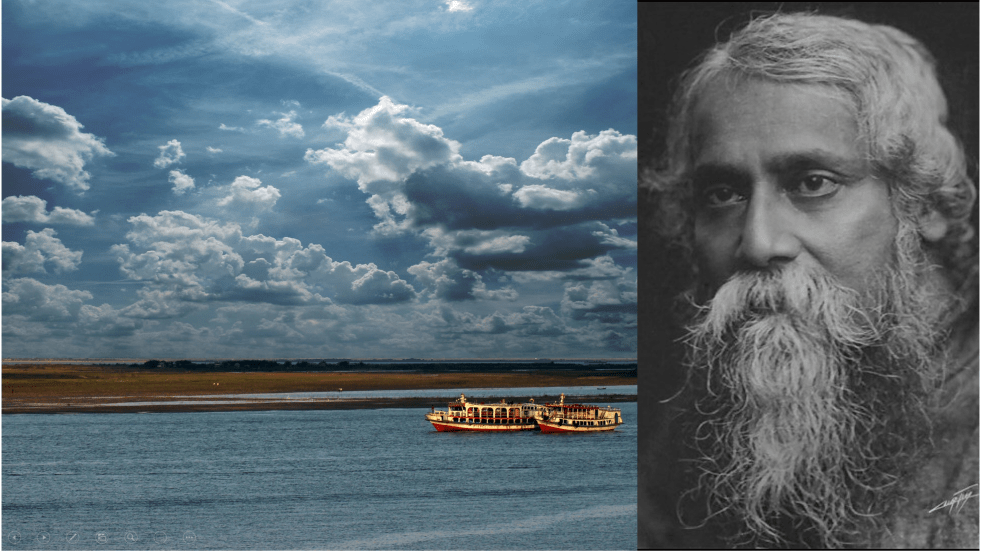
Anna Akhmatova, who translated Rabindranath Tagore’s poems into Russian in the mid-1960s, described him as “that mighty flow of poetry which takes its strength from Hinduism as from the Ganges.” [i]

Although he explored the beauty of Upnishads and revered the “sacred current of the Ganges”, Tagore was not tied to them. A beacon of Hindu-Muslim unity, his poetry took strength from myriad precious details.

While he talks of Padma’s might, he also returns with a sense of belonging to smaller rivers like Kopai and Ichhamati. Continue reading ““Padma, I have seen you many, many times.””

Wetlands

Wetlands Review 2019: East & North East India

ODISHA

HC asked govt to start demolishing illegal prawn gheries in wetlands In a remarkable order the Odisha High Court on Jan. 21, 2019 directed the govt to start the demolition process of illegal prawn farms in Bhitarkanika National Park and the Chilika Lake under the supervision of the committee formed for the purpose. The high court has set March 18 as the date for taking stock of the work. It has also directed the govt to lodge criminal proceedings against the offenders.

The Supreme Court had on April 3, 2017, asked the chief justice of high courts in 15 states to take up the issue of conservation of important wetlands. Of the 26 major wetlands in 15 states, two are in Odisha. The high court had taken up the issue by suo motu registering a PIL in Sept 2017 for restoration of two wetlands – Bhitarkanika in Kendrapada district and the Chilika Lake, encompassing areas in Puri, Ganjam and Khurda districts.

Continue reading “Wetlands Review 2019: East & North East India”