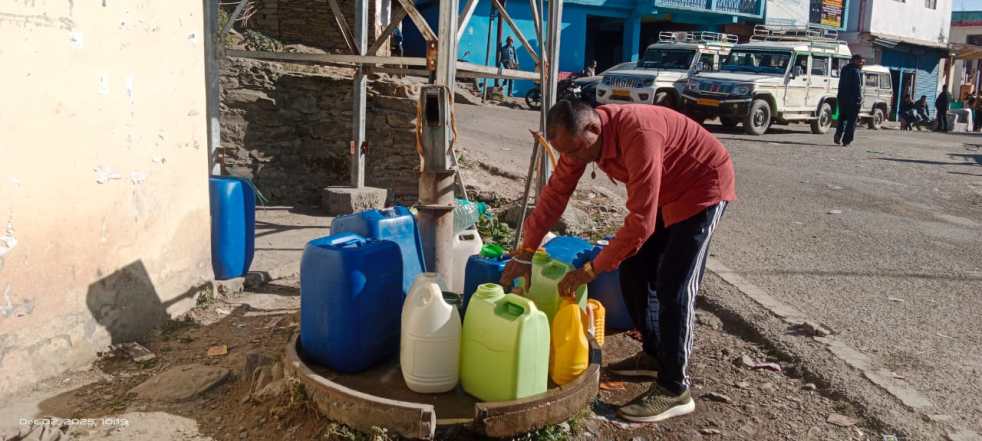
The deaths due to contaminated water in Indore has brought the water quality mess across India, particularly in the Urban India, into sharp focus. The governments at the centre, state, and city, the judiciary, the media, the auditors like CAG, civil society and citizens, all have become active on this issue. One hopes none of them will forget about this and will strive to take the issue to its logical conclusion and solution and not leave it with some cosmetic actions or changes.
The fact that the mess is in focus in Indore, which for several years was declared the cleanest city should bring the whole water quality governance issue, along with the decision making process about deciding clean cities in sharp focus. One key actor which seems missing in action so far this time is the pollution control board. The effective functioning of pollution control boards is key to ensure proper quality of water in various public water sources. But the PCBs are more known for failures, pollution, corruption and ineffective governance than any success in achieving a clean public water sources.
It also needs to be driven home here that without clean public water sources, including water bodies, rivers and groundwater, it is not possible to solve this puzzle. This is true of both Urban and Rural India and also for all income groups and level of development. And without solving this water quality puzzle and achieving cleaner public water sources, there is no way India can strive to grow or develop. This is key message considering the blind push for growth and development from so many quarters.
URBAN WATER
NGT takes cognizance of sewage contamination across Rajasthan, MP & UP The matter has been initiated based on two media reports: Cities in Rajasthan including Udaipur, Jodhpur, Kota, Banswara, Jaipur, Ajmer and Bora have reportedly been affected. Photographs accompanying the reports show drinking water pipelines passing through open sewage drains, creating grave health risks. The report reveals that in Greater Noida (Sector Delta-1), several residents, including children, fell ill with symptoms such as vomiting and diarrhoea after sewage contaminated drinking water.
The Bench has sought responses from concerned authorities of the States of Rajasthan, Madhya Pradesh and Uttar Pradesh, including their respective SPCBs and Regional Offices of the MoEF&CC. The CPCB has also been directed to file its response. The matter will be examined to ensure accountability, compliance with environmental laws, and protection of citizens’ right to safe drinking water. The matter will be examined by the green tribunal to ensure accountability, compliance with environmental laws, and protection of citizens’ right to safe drinking water.
Water contamination a Public Health Emergency The contamination of drinking water supply in Madhya Pradesh is a systemic environmental and public health emergency, the NGT in Bhopal has declared, holding that sewage intrusion into water pipelines has put millions of citizens at risk of disease and death. The Tribunal also took cognizance of Khan’s interim application seeking environmental compensation for victims under the Polluter Pays Principle and the doctrine of strict and absolute liability. It observed that there was prima facie violation of Sections 24, 31 and 43 of the Water Act by concerned authorities.
The Tribunal constituted a joint committee comprising multiple departments and expert institutions to inspect affected sites and submit a factual and action-taken report within six weeks. The MP SPCB was designated as the nodal agency for this exercise. Notices were issued to all respondents, directing them to file replies within a fixed timeline, and the matter has been listed for further hearing on March 30. Copies of the order will be sent to all District Collectors and Municipal Commissioners in the state for immediate compliance.
₹4,000cr spent, yet no clean water A recent citizen survey by Jan Swasthya Abhiyan India has exposed a critical public health crisis in Madhya Pradesh’s major urban centers, revealing that a staggering 89% of Indore’s population lacks access to 24×7 water supply. Compiled by activists Amulya Nidhi, Rehmat Mansury, and Sudha Tiwari, the survey involved over 200 residents across 13 zones of the Indore Municipal Corp and dozens of participants in Bhopal.
The report raises sharp questions regarding the massive financial investments made over the last two decades. Despite a ₹1,365 cr loan from the Asian Development Bank in 2004 specifically aimed at 24×7 water supply, and an additional ₹3,000 cr spent under the AMRUT 1 & 2 schemes between 2015 & 2025, the promised infrastructure remains largely invisible to the common citizen.
HC asks govt to stop supply from contaminated sources in Indore Madhya Pradesh High Court on Jan 6 issued slew of directions in a plea highlighting the serious public health emergency related to the supply of unsafe and contaminated drinking water in affected areas in Indore which had resulted in mass illness and loss of human life. On Dec 31 the court had directed the Indore Municipal Corp (IMC) to ensure the supply of clean drinking water to the residents of Bhagirathpura in Indore.
During the hearing a division bench of Justice Vijay Kumar Shukla and Justice Alok Awasthi orally observed that the incident has brought disrepute to the city, which was once recognised as the cleanest city of the country and has attracted international attention for all the wrong reasons.. The matter was listed for January 15, 2026.
Court’s Criminal Liability Warning The Indore Bench of the Madhya Pradesh High Court on Jan 6 came down heavily on the state govt and IMC over the contaminated water crisis, observing that the incident has “severely damaged the image of Indore across the country.” The court said that a city celebrated nationally as the “cleanest” has now become infamous for supplying “poisonous water” to its residents.
Petitioners argued that despite a court order on December 31, 2025, directing the supply of safe water, contaminated water continues to reach affected neighbourhoods. Counsel for the petitioners stated that residents’ repeated complaints were ignored, adding, “Had timely action been taken, these deaths could have been prevented.”
The court was also informed that although the Mayor approved a proposal for new water pipelines in 2022, the project was stalled due to a lack of funds. Furthermore, it was revealed that during 2017-18, the Madhya Pradesh Pollution Control Board found 59 out of 60 water samples across Indore unfit for drinking. Despite these findings, no corrective measures were implemented.
Terming the negligence a “grave constitutional failure,” the High Court directed the state government and the IMC to file a detailed status report outlining steps taken to ensure safe water supply. The next hearing is scheduled for January 15. The Chief Secretary of Madhya Pradesh has been ordered to appear via video conferencing to address the lapses.
‘Delay in replacing old pipelines led to tragedy’ The failure to complete the replacement of ageing Narmada water pipelines in a timely manner emerged as a primary factor in the supply of ‘sewage-mixed’ water in Bhagirathpura. Administrative records indicate that the process of replacing infrastructure laid over 2 decades ago spanned the tenures of 5 different municipal commissioners.
Before 1997, water in Bhagirathpura was supplied exclusively through borewells. Between 1997 and 2001, new overhead tanks and Narmada supply lines were installed. However, due to delays in starting the Narmada supply at that time, the existing borewell lines were connected to the new Narmada network to start distribution.
While the original proposal intended to collect borewell water in a central sump near the tanks to fill them, the borewells were instead connected directly to nearby distribution lines because they were scattered across the ward. This system, where both Narmada and borewell water use the same lines, continues today despite the commencement of the Narmada supply. Efforts to replace 9.80 km of old pipelines in half of Bhagirathpura began around 4 years ago.
The price of ignoring CAG warnings The warning signs were present long ago; CAG Report No. 3 of 2019 regarding the water supply systems of Indore and Bhopal should have served as a clarion call for any responsible govt. That report revealed that between 2013 and 2018, these two cities recorded over 5.45 lakh cases of water-borne diseases, primarily because nearly 8.95 lakh families were denied safe drinking water. During that period, 4,481 water samples were found unfit for consumption.
The audit further highlighted a staggering lethargy in infrastructure management, noting that complaints regarding pipeline leakages took anywhere from 22 to 108 days to resolve. In an environment where it takes months to fix a leak, the safety of the water reaching citizens’ homes cannot be guaranteed. This crisis is compounded by the lack of an effective mechanism for cleaning overhead tanks and the failure of both municipal corporations to conduct water audits.
According to the CAG, 65% to 70% of raw water was lost before distribution, signaling abysmal management by the Indore Municipal Corporation. Furthermore, the CAG report for the year ending March 2021 explicitly mandated water quality testing every 15 days from every source. The audit found that these protocols were simply ignored, a lapse that constitutes a direct gamble with public health. (Raj Kumar Sinha)
Indore’s clean image masks a liquid waste crisis Unsafe water and poor sanitation continue to cause preventable deaths, despite expanding piped supply. Studies from urban and rural India show higher illness rates among households dependent on municipal water. Indore’s cleanliness rankings contrast sharply with polluted rivers and unresolved sewage management failures. Experts warn that ignoring liquid waste, groundwater extraction, and ageing infrastructure risks public health. Without integrated water, sanitation, and ecological governance, clean-city claims remain superficial.
Indore water contamination deaths The crown jewel of the Swachh Bharat ratings, Indore’s shine stands tarnished after the recent deaths due to water contamination. Rest of India is a proof, Indore’s water contamination crisis is not an accident. Indore’s tragedy exposes the deadly gap between India’s clean-city awards and its ground-level sanitation failures.
Water contamination scares spreads to G Noida At least 30 residents of Delta 1 in Greater Noida have fallen ill over the past few days, complaining of loose motion and stomach pain after allegedly consuming contaminated drinking water. Residents claimed that the water supplied to their homes was mixed with sewage and had a yellow colour. However, the Greater Noida Industrial Development Authority (GNIDA) has denied any large-scale sewage contamination in the water supply.
Similar cases have been reported from Gandhinagar in Gujarat, which saw a rise in typhoid cases linked to contaminated drinking water, exposing major flaws in the city’s newly laid water supply system. Health officials have confirmed 70 active cases so far, concentrated in Sectors 24, 26, 28 and Adiwada. At least seven leaks have been identified in the pipeline network, allowing sewage to mix with the drinking water supply.
Several scientific studies have also found that a majority of Hyderabad’s drinking water sources are critically polluted. Research has found high levels of faecal coliform bacteria, indicating sewage contamination, along with traces of heavy metals. A study titled Assessment of Water Quality of Osmansagar, published in September 2025 by scholars from Maulana Azad National Urdu University (MANUU), rated the lake’s water quality as “very poor.”
Sewage in drinking water in G Noida Dozens of residents, including children, have complained of vomiting, diarrhoea and fever after sewage got mixed with the drinking water supply in Greater Noida’s Sector Delta 1. On Jan. 07, teams from GNIDA and the health department inspected the area, repaired the leak and distributed medicines, ORS, glucose and anti-inflammatory antacids. The authority also collected water samples from the area for tests.
Residents fear an Indore-like tragedy that claimed multiple lives and left over a hundred hospitalised, and have demanded better monitoring, citing repeated leakages in its three-decade-old pipelines and substandard quality of supply water.
Residents seek pipeline audit after suspected water contamination After over 15 residents of Delta 1 in the Greater Noida area of Gautam Buddha Nagar district fell ill over the past four days, complaining of loose motions and stomach pain after allegedly consuming contaminated drinking water, demands grew on Jan. 08 for a permanent sewage monitoring system, regular laboratory testing, pipeline audits, and emergency protocols to prevent such incidents in the future. Locals blamed sewage-mixed water for the illnesses. However, the Greater Noida Industrial Development Authority (GNIDA) has not confirmed any contamination.
Noida residents drinking ‘slow poison’ Millions of people in more than two dozen villages and colonies situated along the banks of the Hindon River are drinking ‘slow poison’ every day. In Chhajarsi, Chotpur, Yusufpur Chak Saberi, Bahlolpur, Garhi Chaukhandi, Kakrala, Naya Gaon, Salarpur, Hajipur, and other villages, more than 150 dyeing industries are illegally releasing chemical waste into the ground and the Hindon River.
Due to insufficient supply from the authorities, 100% of the population is dependent on groundwater. This groundwater has now become toxic. The water is contaminated with chemicals, leading to a rapid increase in the number of cancer and typhoid patients. The responsible officials are taking Rs. 5,000 per month from each dyeing industry and giving them a free hand to spread poison. 70 percent of the population of Gautam Buddh Nagar is still dependent on groundwater. The question is now being raised in these villages, which are on the verge of a tragedy like the one in Indore.
Gurgaon’s BPTP township: Pipe leak causes water shortage Even as water supply has begun to return to normal in several parts of the city after the repair of the 1,600mm master pipeline at Chandu Budhera, over 1,500 families of BPTP township in Sector 37D are still dependent on water tankers. This time, it is because of the damage to GMDA’s supply line near Sector 37C. According to GMDA, a 250mm master pipeline supplying water to the area was damaged during electric cable-laying work carried out by a contractor engaged by a developer of a nearby residential society. The damage disrupted the supply to BPTP township, adding to the difficulties of residents who have faced shortages since Jan. 11.
Gurugram residents decry rise in tanker rates Residents across Gurugram have alleged that they are forced to rely on expensive water tankers for the past five days following a disruption in the city’s water supply. The Gurugram Metropolitan Development Authority (GMDA) restored the pipeline on late Jan. 13 night. However, residents on Jan. 14 alleged that some parts of the city are still not receiving adequate water supply.
Water supply disrupted across Gurgaon Even as the GMDA on Jan. 13 night completed repairs to plug the leakage at the WTP at Chandu Budhera – a facility that supplies more than half the city’s water requirement – residents across major Gurgaon sectors continue to grapple with water supply issues. While many residents faced complete water unavailability, others received supplies at low pressure or in less quantity. Faced with this crisis, many residents said that they had to pay high rates for water tankers to go about their daily activities.
Residents allege shoddy revamp after sewer work Residents have raised concerns over the quality of road revamp carried out by MCG on the main sector road in Sector 9A after sewer line work between ESI Hospital and the main pumping station. In a complaint to the MCG commissioner, Pradeep Dahiya, residents alleged that the contractor excavated the road for the sewer project but failed to restore it to its original condition after completion. They said the contractor claimed that his responsibility was limited to base preparation and laying of DBM (dense bituminous macadam), with the final bituminous concrete (BC) layer to be laid later by the MCG, an explanation the RWA strongly objected to.
Bengaluru: Poor maintenance of pipes let sewage mix with water For days, families living on a quiet stretch of 3rd ‘B’ Main in Bengaluru’s KSFC Layout in Lingarajpuram dismissed recurring gut issues as seasonal illness or food poisoning. It was only when residents began finding foul-smelling, frothy water in their taps and thick, dark silt coating their underground sumps, that the problem became clear – sewage had mixed with their drinking water.
The contamination, detected in parts of Lingarajapuram under the North City Corporation limits, has affected between 30 and 40 households along a single lane of the KSFC Layout. After complaints escalated, the Bangalore Water Supply and Sewerage Board (BWSSB) halted piped water supply to the area as a precautionary measure, leaving families dependent on private tankers.
Second case of water contamination in Bengaluru After Lingarajapuram, this time residents of V S Garden in Rayapuram said they have been receiving water mixed with sewage for nearly a week through their Cauvery water pipes. Senior Bangalore Water Supply and Sewerage Board (BWSSB) officials who inspected the pipelines in the area on Jan. 17 said that an illegal connection, which involved cutting the pipeline without permission, had caused the contamination. Residents alleged that contaminated water had been supplied for more than a week and that many of their complaints had gone unanswered.
BWSSB deploys AI-based tech at 78 pumping stations BWSSB on January 14 said it has deployed an AI-based smart pump monitoring and optimisation technology, IPUMPNET, across 78 of its pumping stations, a move expected to save more than Rs 40 crore annually in electricity costs. “This new technology is expected to generate annual energy savings of over Rs 40 crore. With this move, BWSSB has achieved the distinction of being the first water supply utility in the world to adopt such advanced technology at this scale,” BWSSB chairman V Ram Prasath Manohar said.
Chennai infra push to secure water supply Chennai has moved a step closer to overhauling its drinking water backbone after the state government granted in-principle clearance for a citywide Ring Main System, a project aimed at stabilising supply amid growing climate stress and urban expansion. The decision is expected to reshape how water is moved across India’s fourth-largest metropolitan economy, reducing disruption risks and improving equity in access across neighbourhoods.
The State govt has given in-principle approval for a ₹689.40 cr project to upgrade the sewerage system under the Nesapakkam STP catchment, where ageing infrastructure has led to frequent sewage overflows and pumping failures. The Nesapakkam STP, commissioned in 1974, has a total treatment capacity of 144 MLD. Sewage from the catchment is conveyed through a network of gravity sewers and pumping mains to the treatment plant for processing and disposal.
Metrowater has decided to trial a project to supply 24/7 piped water in the Adyar zone, signalling a significant shift in Chennai’s evolving water management strategy. Chennai has begun the process to replace intermittent supply with a pressurised network, reshaping how the city plans, consumes and governs water.
Ranchi gets helpline number to report water contamination, leakage The drinking water and sanitation department on Jan. 07 launched a mobile helpline service for city residents to report water-related issues, including contamination, irregular supply and leakage, for timely intervention by the department for cleaner potable water. TOI has been highlighting the woes regarding potable water and its supply and maintenance network faced by city residents across localities in a series of reports.
Minister directs DJB to intensify pipeline inspection In light of the Indore water contamination, Delhi Water Minister Parvesh Sahib Singh earlier this week directed the Delhi Jal Board (DJB) to intensify regular inspection of water supply pipelines, the Minister’s office said on Wednesday (January 7, 2026). “Intensify regular inspections of all water supply pipelines, particularly in areas where drinking water lines run in proximity to sewer lines, to detect and repair any leaks, damages, or potential points of cross-contamination immediately,” a direction issued by the Minister to the DJB read.
HYDRO POWER PROJECTS
MADHAV GADGIL’s unflinching faith in Community led Natural Resource Governance Gadgil report is a veritable textbook about managing rivers in ecologically important places. Not a wonder because One of the initiators of the Movement against Athirapally Dam in Kerala, late Dr Latha Anantha worked with Dr Gadgil on this section. Dr. Gadgil was an important figure in Kerala’s landmark Silent valley struggle against a hydropower project, which led to the cascade of environmental laws in the country. He also supported the movement against the Athirapally dam, led by the local communities. He was a vocal supporter of Narmada Bachao Andolan’s epic struggle against the Sardar Sarovar project on the Narmada River.
He stressed the need to engage local people in the decision making process and increase dissemination of information. He took the example of ‘Australian River Watch’ program where the citizens are trained to monitor the health of a river just by looking at the bio-logical indicators. He opined that India should take lessons from this and should initiate such programs. He added that for India to progress, we should take bottom up approach and strengthen democracy, rule of law, scientific temperament and traditional ecological knowledge. To indicate how forward thinking he was, one of the key recommendations of the WGEEP report was to initiate policy and legal steps towards decommissioning of dams in India when India has no policy or laws in this regard. The article has also been published here.
RHPCL seeks extension for Ratle HEP EC The Ratle Hydroelectric Power Corporation Limited (RHPCL) has sought an extension of the environmental clearance (EC) validity for the 850 MW Ratle HEPciting delays from 2016 to 2021 due to litigation and Covid-19. The expert appraisal committee (EAC) is set to appraise the extension request in its January 9 meeting later this week. MEIL is building the project, which involves the construction of a 133 m tall concrete gravity dam on the Chenab in Kishtwar district.
In submissions to the ministry, RHPCL stated that even though the project was granted original clearance in Dec 2012, much of the EC period was lost in litigation between July 2014 and 2021. The project’s 2012 clearance was valid until 2022 but with certain relaxations granted to hydropower projects due to their long gestation period, it remained valid until Dec 11, 2025.
The project is currently subject to litigation in the NGT, which has heard allegations of illegal muck dumping by MEIL in the Chenab during the project work. The case was filed by residents of Thathri, who have alleged that the muck dumping caused heavy losses to the village during the flood season. NGT reserved judgment in the matter on December 9, 2025.
MoP fast-tracks 4 HEPs Following a recent two-day visit by Union Power Minister Manohar Lal Khattar, the Centre has issued clear instructions to speed up a cluster of hydropower projects on the Chenab river system. Officials have been told that timelines are no longer flexible. Two projects, Pakal Dul and Kiru, must be commissioned by December 2026. Kwar has been given a firm deadline of March 2028. Work on the long-delayed and highly disputed Ratle dam has been pushed into a higher gear.
The Ministry of Power has put 3 HEPs in J&K on the fast-track, with Union power minister Mohan Lal kicking off construction of the 850 MW Ratle hydroelectric facility in an event on January 4 and reviewing the status of two that have already received environmental clearances – Dulahasti Stage II and the 1856 MW Sawalkot hydropower dam. After visiting Ratle, the Union power minister also reviewed all three projects of the Chenab Valley Power Projects Limited under construction: Pakal Dul (1000 MW), Kiru (624 MW), and Kwar (540 MW).
PIB approves 1720Mw Kamala HEP As per sources, the Public Investment Board (PIB) has approved the 1720 MW Kamala Hydroelectric Project. The HEP is a storage-based scheme with a flood moderation component, proposed on the Kamala river (a major tributary of the Subansiri River), located in Kamle, Kra Daadi and Kurung Kumey districts of Arunachal Pradesh. The project involves construction of a 216-metre-high concrete gravity dam and an underground powerhouse with a scheduled completion period of 96 months.
The completion cost of the project is estimated at Rs 26,069.50 crore, including IDC and Financing Charges of Rs 4,815.64 cr. The project is proposed to be financed with a debt-equity ratio of 70:30, supported by Govt of India grants for enabling infrastructure (Rs 1,340 cr) and flood moderation component (Rs 4,743.98 cr), along with 100% SGST reimbursement by GoAP. Considering these aspects, the levelized tariff of the project is Rs 5.97/unit.
Himachal to monetise free hydropower The state govt has decided to monetise the annual 438 Mw of free power it receives from the Nathpa Jhakri and Rampur hydropower projects in the Sutlej basin near Rampur by selling it through power trading. The decision was approved by the state Cabinet at its meeting held on Dec 30. Under the new arrangement, this free power will no longer be supplied to the Himachal Pradesh State Electricity Board (HPSEB). Instead, it will be traded by the Directorate of Energy, which has been designated as an Energy Management Centre to undertake power trading activities.
In another major decision affecting the power sector, the Cabinet granted substantial relief to hydropower projects below 25 Mw capacity by rationalising the levy of free power as royalty. More than 500 such projects are expected to benefit from the move. These projects, including those that had already signed Implementation Agreements (IAs), were earlier required to pay enhanced royalty ranging from 12 to 30 per cent, in addition to 1 per cent contribution towards the Local Area Development Fund (LADF). Power producers had raised concerns that these levies had made several projects financially unviable.
The govt expects this relaxation to unlock investments of nearly Rs 20,000 crore and accelerate the start of work on multiple stalled hydropower projects. However, the relief will not apply to projects that have already been commissioned or those where PPAs have already been executed with HPSEB.
Punjab slams HP govt’s ₹500-cr BBMB levy Punjab on Jan. 06 hit out at the Himachal Pradesh government for imposing a 2% land revenue levy on hydel power projects in the state terming it ‘illegal.’ Water resources minister Barinder Kumar Goyal, in a press conference, said that the financial burden of nearly ₹500 crore on the Bhakra Beas Management Board (BBMB), is a ‘brazen assault on federal principles and a direct conspiracy against Punjab’s interests. The BBMB is expected to pay around ₹436 crore annually, while SJVN, another key player in hydel power in the state, will have to shell out approximately ₹283 crore each year.
CM Sukhvinder Singh Sukhu, on Jan. 3, in a meeting with developers of various hydropower projects in the state, had detailed discussions on the assessment of land revenue. Sukhu reiterated that it was the responsibility of hydropower project developers operating in the state to pay the levy, which is a legitimate right of the state. Himachal had previously implemented a water cess on hydropower projects on March 16, 2023. However, the central government declared the levy illegal, and the high court also declared it unconstitutional in March 2024.
Upper Bhavani PSP: Forest dept denies permission for further exploratory tests The Tamil Nadu Forest department has denied permission to NTPC Tamil Nadu Energy Company Limited (NTECL) to conduct tests at the proposed Upper Bhavani Pumped Storage Hydroelectric project site, located between the ecologically sensitive habitats of Mukurthi National Park (MNP) and Avalanche Reserve Forest, dealing a significant blow to the controversial project’s future.
Officials said that the DFO in the Nilgiris forest division had recommended to the PCCF that drifting tests not be allowed at the proposed project site citing their ecological impact. The tests themselves would require Forest Conservation Act (FCA) clearance to be first approved. The survey, drilling, and drifting tests are all part of NTECL’s preparation for a Detailed Project Report (DPR) to be drawn up for the project, officials stated. Despite the Forest department’s reluctance to green-light further exploratory works, NTECL has applied for the diversion of 56 hectares of forest land through the E-PARIVESH portal to the MoEF&CC. The application would now come before the State’s Project Scrutiny Committee for further deliberation, officials said.
DAM SAFETY
Mullaperiyar Dam: Centre orders inspection by independent expert panel The Central Govt has ordered a comprehensive safety inspection of the Mullaperiyar dam. An independent expert committee has been constituted to carry out the inspection as mandated under the Dam Safety Act, 2021. Kerala had long been demanding such an assessment. The committee’s report will be submitted to the National Dam Safety Authority as well as to the Central, Kerala and Tamil Nadu governments, said James Wilson, the State’s Inter-State Water Advisory Officer and former chief engineer of KSEB. The expert committee will inspect the Mullaperiyar dam, its ancillary structures and the reservoir within a month. The final report will be submitted within four months.
DAMS
Shobhapur Dam opposed On Jan 12, 2026, thousands of farmers and tribals demonstrated at Pushparaj Garh, Anup-pur (MP)against the proposed Shobhapur dam in Upper Narmada basin.
Telangana withdraws plea against AP on Godavari waters, could file a suit The Supreme Court on Jan 12, 2026 termed as “prima facie not maintainable” the writ petition filed by the Telangana government seeking to restrain Andhra Pradesh and its agencies from proceeding with preparatory and project-related activities for the Polavaram-Banakacherla/Nallamalasagar Link Project (PBLP/PNLP), observing that the dispute was more appropriately adjudicated through a suit involving all affected states as it was about possibility of violation of the Tribunal award and laws. The court underscored that the dispute could not be confined to Telangana and Andhra Pradesh. “The parties to the award are not only Telangana and Andhra Pradesh, which are parties in the present petition. There are other states as well, including Karnataka and Maharashtra. However, in your writ petition, other states are not parties.”
Agenda of EAC meeting to be held on Jan 28-30 2026: 1. Kamala HE Project (1720MW) in 3858.8904 Ha at Village Pompulend, Boa Model, and Laa I etc., Sub-District Kamporijo Circle, Chambang Circle, Raga and Parsi-Parlo, District Kamle, Kra Daadi and Kurung Kumey, Arunachal Pradesh by NHPC Ltd – Environmental Clearance
2. Morand-Ganjal Irrigation Project in Hosangabad district of Madhya Pradesh by Narmada Valley Development Authority, Madhya Pradesh-Environmental Clearance
3. Gosaintari Close loop Pumped Storage Project (920 MW) in 283.03 Ha at Adwaria, Amghati, and Charbigha etc., Sub-District Rajauli & Gobindpur, District Nawada, Bihar by Sun Hydro Energy Private Ltd: Terms of References
4. Jhariya Close Pumped Storage Project (1620 MW) in 310.115 Ha at Village Barahmori, Chakaria, Sasnai etc, Sub-District Robertsganj, Dist Sonbhadra, Uttar Pradesh by Jhariya Ananturja Private Ltd – Amendment in Terms of References
5. Kishau Multipurpose Project (422 MW) in 1234 Ha at Village Bagna, Bali Koti, Bela and Bobri (234) etc., Sub District Shalai, Kamrau and Chakrata, District Dehradun and Sirmaur, Himachal Pradesh & Uttarakhand by Kishau Corporation Limited – Terms of References
6. Pailani Barrage on Ken River under Ken Betwa Link Project in 287 Ha at Village Achhraund, Amlor & Bagchha etc., SubDist Banda & Maudaha, Dist Banda & Hamirpur, Uttar Pradesh by Executive Engineer Ken Betwa Link Canal Construction Division-1 Mahoba – Terms of References
7. Assam/PSP-03 Close loop pumped storage project (1500 MW) in 484 Ha at Village Lipgaon and Pankumar, Sub-District Diphu, District Karbi Anglong, Assam by Assam Power Distribution Company Limited
8. Assam/PSP04 Close loop pumped storage project (1200 MW) in 372 Ha at Village Maibong, Sub-District Mahur and Umrangso, Dist Dima Hasao, Assam by Assam Power Distribution Company Ltd: Terms of References
9. Kutulisinga Irrigation Project in 179.554 Ha at Village Kutulusinga, Sub-Dist Thakurgarh, Dist Anugul, Odisha– Terms of References
INTERLINKING OF RIVERS
Karnataka govt urged to drop river-linking projects Swarnavalli Mutt seer Gangadharendra Saraswathi Swami said on Jan 5 that the union and state govts should drop the proposed Bedthi-Varada and AghanashiniVedavathi river-linking projects as they were a threat to the biodiversity of the Western Ghats. The seer, who is also the honorary president of the Bedthi-Aghanashini valley protection committee, told reporters here that a mega public convention would be held on January 11, to oppose the projects. The pontiff said it would become inevitable for people of Uttara Kannada district to launch an agitation if the governments go ahead with the projects.
INTER STATE WATER DISPUTES
KRMB diverts Telangana’s share of telemetry funds to pay salaries Telangana has sought the installation of telemetry systems for the past decade to account for Andhra Pradesh’s water utilisation. However, Andhra Pradesh did not release any funds for Phase-2 of the telemetry system. Adding to Telangana’s concerns, the Krishna River Management Board (KRMB) has diverted the funds released by Telangana for Phase-2 telemetry towards payment of salaries of employees attached to the Board.
The Board on Jan. 06 sent an SOS to both states, seeking release of funds, stating that it was unable to pay staff salaries. In a letter addressed to the Engineers-in-Chief of the Irrigation departments of Andhra Pradesh and Telangana, the Board recalled that at the 19th KRMB meeting held on January 25, 2025, it was agreed to release funds against an approved budget of `23.314 crore for FY 2025–26 as well as FY 2024–25.
URBAN RIVERS
Mithi: Toxic flow, projects stalled, crores unspent The Mithi river flowing through India’s financial capital under the country’s richest civic body became a national symbol of urban vulnerability after the devastating floods that claimed over 1,000 lives in 2005. Over two decades later, after repeated warnings and nearly Rs 1,297 cr spent, the river remains a vulnerable weak spot. Records obtained under the RTI Act show that Mithi’s water quality has deteriorated sharply, with persistent sewage contamination and rampant pollution, even as mitigation projects have stalled or been delayed with funds totalling over Rs 6,300 crore allocated and waiting to be spent.
RIVERS
Major river deltas are sinking faster than sea-level rise A study published in Nature shows that many of the world’s major river deltas are sinking faster than sea levels are rising, potentially affecting hundreds of millions of people in these regions. The major causes are groundwater withdrawal, reduced river sediment supply, and urban expansion.
The research provides the first high-resolution, delta-wide assessment of elevation loss across 40 river deltas worldwide. The findings show that in nearly every river delta examined, at least some portion is sinking faster than the sea is rising. Sinking land, or subsidence, already exceeds local sea-level rise in 18 of 40 deltas, heightening near-term flood risk for over 236 million people.
Deltas experiencing concerning rates of elevation loss include the Mekong, Nile, Chao Phraya, Ganges–Brahmaputra, Mississippi, and Yellow River systems. Some regions are sinking at more than twice the current global rate of sea-level rise. Groundwater depletion emerged as the strongest overall predictor of delta sinking, though the dominant driver varies regionally.
Over half of India’s major deltas are sinking A new global study finds several major Indian river deltas are sinking faster than sea levels are rising. The Ganga–Brahmaputra, Mahanadi, Brahmani and Godavari deltas are among those where land subsidence now outpaces sea-level rise. Researchers say excessive groundwater extraction is a key driver, increasing flood risks for millions living in delta regions.
Scientists say the subsidence will enhance the risk of flooding in the delta regions and underscore the need for more investments in groundwater management and the creation of resilient infrastructure. Scientists say their analysis suggests that the land subsidence dominates even when compared to future worst-case scenarios of sea level rise, implying that for millions of coastal city residents, the immediate threat is not just sea level rise but their sinking ground. The study’s observations about Calcutta are in line with an independent 2023 study by Indian scientists that measured subsidence in the city ranging from 4-12mm/year during 2003-2011.
Ice porters on the frozen Chadar river Every winter in the Ladakh region in northwest India, the two roads that connect the small villages in the Zanskar Valley with the rest of the country close, overwhelmed by snow. But for centuries, locals have had a workaround: a road of ice formed by the frozen Chadar River. A week-long trek in frozen temperatures connects them to the outside world. A collaborative photo essay, “The Feel of Climate Change,” published in Current Anthropology explores this world of ice porters on the Chadar, and how this ancient way of life is rapidly changing. Climate change is destabilizing the river’s freezing patterns, and development is bringing tourism and resources to this long-isolated region.
The river itself is called the Chadar only when frozen (“chadar” is a Hindi word for sheet or blanket). The rest of the year, the free-flowing river is known as the Zanskar. So, as the planet warms and the river’s freezing pattern is disrupted, the Chadar itself could cease to exist. Amid this uncertainty, Gagné’s work explores the sensation of climate change for ice porters. Altered by development, tourism and a warming planet, the region’s footing is shifting. In a world traversed through feel, the way ahead is unfamiliar.
Ladakh suspends Chaddar trek Ladakh UT administration on Jan. 13 suspended the famous Chaddar trek over frozen Zanskar river after a committee comprising BRO and UT Disaster Response Force found the river had begun to unfreeze, making one of India’s most challenging winter treks hazardous. The trek was scheduled to begin on Jan 10.
Intensified occurrences of snow droughts in HKH Abstract: –Our basin scale findings indicate moderate to severe snow droughts were observed in 2008, 2011, 2015 and 2016 in the North-West (NW), Amu-Darya (AD), Indus (IN), and Salween (SA) and Mekong (MK) basins with strong linkages to declined snow cover days (DSCD) and snow cover persistence anomalies (SCPA). The observed frequencies of snow-droughts were 25, 16, 14, 5, and 3 in the NW, AD, IN, MK, SA basins, respectively. These basins also exhibit significant DSCD, approximately 12, 11, 12 in NW, AD, IN, respectively, and 14 days in MK and SA basins each. Further, it is noted that significantly higher negative SCPA coincides with the SD episodes in drought years. Both snow drought (SD) and DSCD were more prominent between 3000 and 6000 m elevations in the HKH, which are often considered under elevation dependent warming (EDW) scenarios in various studies. Overall, we observed that a higher frequency of drought events corresponds to a greater DSCD and higher negative magnitudes of SCPA. These insights indicate the urgent need for snow-conservation strategies and development and enforcement of strong policies.
-The Indus River basin has witnessed at least 14 major snow droughts over the past two decades, and Kashmir, located in the basin’s upper reaches, is the region most exposed to the fallout, according to a new study ‘Intensified occurrences of snow droughts are related to snow cover dynamics in the Hindu Kush Himalayas,’ by IIT Jammu.
Kashmir is facing a climate and water crisis with rising temperatures, declining snow, retreating glaciers, and drying springs. Immediate action through water harvesting, ecosystem restoration, sustainable land use, and community involvement is essential to secure water, protect ecosystems, and build climate resilience for the Valley. Simple actions like rainwater harvesting can make a big difference. (Dr. Riyaz Ahmad Mir)
Rush to desilt Himalayan rivers is a risk we cannot ignore The idea of “maximum utilisation” of water sounds efficient, but it reflects a narrow understanding of mountain rivers. In the Himalayas, water cannot be separated from sediment, slope stability, and climate variability. Treating sediment as waste rather than structure applies a lowland engineering mindset to a high-mountain system where it does not fit. This does not mean sediment management should never occur. But rushing into large-scale desilting without basin-wide studies, seismic risk assessments, and climate projections is deeply risky.
As climate extremes intensify, resilience will not come from forcing Himalayan rivers to behave more efficiently. It will come from allowing them to retain the features that help them cope with extremes. Sediment is one of those features. Removing it in the present climate is not a neutral technical choice. It is a gamble with downstream safety in an already unstable region. In the Himalayas, development decisions must be guided not just by how much water can be extracted, but by how much risk the landscape can absorb. Ignoring that distinction is how climate disasters stop being “natural” and start becoming avoidable. (Dr Pratik Kad is a Climate Scientist)
Legacy Nitrogen, Phosphorous & Water Pollution In this episode of the Water Data Podcast, Veena Srinivasan speaks with Professor Nandita Basu from the University of Waterloo about nitrogen and phosphorus legacies – the hidden nutrient stores in soils, groundwater, and sediments that keep polluting waterways for decades.
Govt urged to drop plan to establish SIPCOT near Bhavanisagar Dam Farmers and political parties have urged the TN govt to abandon the plan to establish a SIPCOT industrial park near Bhavanisagar Dam (Lower Bhavani) in Erode district. They say this project will harm the environment and pollute Bhavani River. Meanwhile, officials said the project has been dropped.
Kerala: Stop memo issued against work on banks of Bharathapuzha A stop memo issued by the Thirunavaya village officer has triggered a standoff over the proposed ‘Kumbh Mela’ on the banks of the Bharathapuzha, with the organisers asserting that the event will go ahead as scheduled. Mahamandaleshwar Swami Anandavanam Bharathi, who is spearheading the initiative, said the organisers “would not step” back despite the order halting construction activities at the site. The district administration in Malappuram, however, clarified that the stop memo pertains only to construction activities that allegedly violated existing environmental norms.
GANGA: NGT declares tent cities on riverbed illegal The NGT has deemed the tent cities established on the Ganga riverbed in Varanasi illegal and has imposed a fine of Rs 17.12 lakh on the violators. In its ruling, NGT noted that the tent cities, named Praveg Tent and Niraan Tent City, were established and operated against environmental norms and the provisions stipulated in the River Ganga (Rejuvenation, Protection, and Management) Authority’s order of 2016.
Consequently, environmental compensation has been levied but remains uncollected. The court directed that the compensation be recovered from the violators and mandated that no tent cities are permitted to be established on the banks of the River Ganga or its tributaries. Additionally, the plea said that these tent cities were set up in the location of the Kachhua Wildlife Sanctuary, which was illegally de-notified in March 2020. However, the NGT did not address the matter of the de-notification of the Turtle Sanctuary, as that issue is still pending before the Supreme Court.
Protest against demolition drive at Manikarnika Ghat A demolition drive at the Manikarnika Ghat was met with protests from locals, who alleged that the city’s heritage was being destroyed in the name of redevelopment, a charge rejected by the district administration. Officials said that the drive was carried out under a redevelopment plan of Manikarnika Ghat on Jan 13.
Manikarnika Ghat is one of the oldest and most sacred cremation grounds in Hinduism, believed to grant ‘moksha’ or liberation from the cycle of birth and death, and holds immense religious and cultural significance for devotees across the country. The protest largely included members of the Pal Samaj Samiti, among other locals. However, the administration said the row appeared to have been triggered due to confusion over the redevelopment work.
All weather road: A landslide every 2km The govt widened the highway despite experts flagging the risk of landslides. Now, the region is seeing the grim prediction play out.
Uttarakhand revealing fire line from space The Copernicus Sentinel-2 satellite has captured detailed images of wildfires in Uttarakhand, highlighting its role in environmental monitoring. Now over ten years old, the EU mission continues providing vital data supporting wildfire tracking, land management, and broader Earth observation efforts.
Forest fires have once again flared up across parts of Uttarakhand, covering forests with smoke & keeping forest officials on edge. Of all the regions experiencing the blaze, one notable one is the Nanda Devi Biosphere Reserve. The ecologically rich reserve has seen a vast portion of its greenery go up in flames in recent days. While fires are a recurring problem in the Himalayan state, what stands out this year is how early and widespread they have been.
When winters burn For decades, forest fires in the Himalayas followed a predictable calendar. They started simmering in late spring and early summer, when rising temperatures, dry winds and accumulated leaf litter turned forests combustible. Winter, by contrast, was the season of snow, moisture and relative calm. That rhythm has been breaking for the past few years. This winter, forests across Uttarakhand – and increasingly Himachal and J&K – have been burning with an intensity and frequency that forest officials and scientists say is no longer an anomaly, but indicative of a shifting ecological pattern.
HC allows Shri Ganga Sabha to continue Ganga Aarti Uttarakhand High Court on Jan. 16 permitted the organisation to continue conducting the revered ritual, subject to stringent conditions. The municipal order restraining the Sabha from performing the aarti has been stayed until the next hearing on March 25. The case arose after the Rishikesh Municipal Corporation claimed the Sabha’s registration had lapsed, and that it no longer had the legal authority to manage or conduct the religious ritual. Further, the corporation levelled allegations of commercial exploitation, including charging fees from devotees and collecting money from local vendors. Concerns about littering and improper disposal of puja materials were also raised.
YAMUNA: Dams may boost flow? The projects – Lakhwar, Renukaji & Kishau were discussed at a meeting with HM Amit Shah, Delhi CM Rekha Gupta & water minister Parvesh Verma, as part of a broader strategy to rejuvenate the Yamuna & ensure water availability for the NCT.
At present, Delhi produces an average of 900 MGD. The city’s demand is 1,113 MGD. At least 10 per cent of households in the national capital do not have access to piped water supply. Once completed, Lakhwar dam will supply 135 MGD of water to Delhi. The Renukaji and Kishau projects have potential to provide the city with 275 MGD and 372 MGD of water respectively, improving e-flow and reducing dependence on erratic seasonal flows. They are expected to start supplying water to Delhi in the next five to seven years.
The status of the project is confounding since the Delhi govt has already paid Rs 230.73 crore for the three dams. Delhi Jal Board (DJB) made payment of Rs 230.73 crore for construction of Renukaji dam (Rs 214.84 crore), Kishau dam (Rs 8.10 crore) and another dam at Lakhwar (Rs 7.79 crore) to HP and Uttarakhand govts (March 2022). Officials said Lakhwar is partially constructed, with about 13 per cent of the work completed. Renukaji has entered the tendering stage, while Kishau remains at the inter-state agreement and approval phase.
The CAG report further said an agreement was signed between the DJB and the Himachal govt in Dec 2019 for regular supply of 368 cusecs (237 MGD) from November to February and 268 cusec (173 MGD) from March to June every year. The CAG audit, however, observed that the agreement has not been implemented despite repeated request by the DJB to Himachal for the implementation of the MoU. The Jal Shakti Vibhag, vide letters dated December 2020 and August 2021, conveyed that there was no surplus water available with it during the period from November to June.
Curiously, based on the available data, the DJB utilises the entire quantity of raw water received daily and does not have a water reserve for even a single day. The DJB audit was conducted from April 2022 to February 2023, covering a period of five years from 2017–18 to 2021–22.
Stations to monitor e-flow in Delhi, HR The central government will set up and operate two monitoring stations on the Yamuna River, near the Hathnikund and Okhla barrages, in an attempt to establish an independent monitoring mechanism for tracking the e-flow of the river, government officials said on Jan. 14. An official aware of the matter said that the NMCG has granted administrative approvals. “The project will be executed under the Namami Gange Mission with central government providing ₹1.56 crore for both the stations. Around ₹1 crore would be spent on equipment while remaining money on boards and other assets,” the official said.The official said that the two monitoring stations will be developed over the next six months, and the deadline for the project is September 2026.
NGT seeks fresh reports on pollution The NGT on Jan. 08 observed that sewage management has not been examined by the Supreme Court. Delhi produces an estimated 792 MGD of sewage; installed capacity is 794 MGD, but only 704 MGD is utilised, leaving a treatment gap of 88 MGD. Nine sewage treatment plants were not meeting standards as of September 2025, with untreated or partially treated sewage discharged into the Yamuna, particularly between Wazirabad Barrage and Asgharpur village.
The tribunal directed the Chief Secretary to submit a detailed report on sewage generation, treatment, and discharge, asked the DPCC to provide water quality data, and appointed advocates Katyayni and Vikrant Badesra as amicus curiae.
41 OLMS to track pollution by March The contract to set up 41 On Line Monitoring Stations (OLMS) is likely to be awarded by the end of the month and the stations operationalised by Mar 2026, officials said. The project, announced by the government in May last year, was recently approved by the DPCC in a board meeting and will provide real-time water quality data to the government, similar to the existing ambient air quality monitoring network. At present, Delhi does not have any system to monitor water quality in the Yamuna on a real-time basis.
Experts said data transparency is crucial, noting that while existing records largely reflect monsoon conditions, comparative data from the lean season — from November onwards — is essential for informed decision-making. “Without adequate and timely data, there is no transparency. One cannot make decisions based on missing information or reports released only once a month,” said Bhim Singh Rawat, of SANDRP.
Pollution worsened in Nov–Dec Faecal coliform rose sharply as winter flows dropped, prompting experts to question data trends and possible changes in sampling methods. Experts said, while the Okhla STP, which was fully operationalised in Apr 2025, may have played a role, the stark improvement was still surprising. “It is a major difference in comparison to last Dec, even though flow in the river is not too high. The river still stinks. One may have to ask the DPCC, whether there is a change in the methodology,” said Bhim Singh Rawat, of SANDRP.
Experts flag discrepancies in DPCC data Water quality data released Sunday by Delhi Pollution Control Committee shows Yamuna was in better health in Nov and Dec 2025 than in the corresponding period of previous year, both in terms of faecal coliform levels and BOD. However, some experts and activists pointed to discrepancies suggesting that the data didn’t “add up”. For instance, they said BOD at Kalindi Kunj in Nov-Dec was shown to be better than in Oct, when Yamuna had been cleaned for Chhath, had much better flow and looked visibly cleaner.
Coronation STP to be strengthened for ₹518cr Delhi govt has approved funding of ₹518.88 crore for repurposing the Coronation Pillar STP to treat 30 mgd of sewage from the Jahangirpuri drain and connect it to the Yamuna to improve its water quality, senior government officials said. The project is set for completion in 1.5 years. The process will involve setting up an independent conveyance system, pumping stations and elevated channels to channel sewage flow to increase the Yamuna’s e-flow, they said. The funding has been approved by the NMCG.
Finnish dredger worth ₹8cr in Najafgarh drain The Delhi govt on Jan. 16, deployed a Finnish-made amphibious dredger in the Najafgarh drain which is estimated to account for nearly 70 percent of the river’s total pollution load, according to officials. The dredger, imported from Finland, costs a little over Rs 8 crore, while the hopper barges were deployed at a total cost of Rs 5.25 crore. The mechanised cleaning drive marks the beginning of intensified desilting operations in the Najafgarh drain, the single largest contributor of pollution to the Yamuna.
The minister launched the multipurpose Watermaster Amphibious Multipurpose Dredger along with three ‘hopper’ barges at the Najafgarh Drain. Officials said the machine, which is equipped with four stabilizers, a flexible excavator arm that moves 180 degrees, and a 600-litre backhoe bucket, can move seamlessly between land and water. It has a sludge-pumping capacity of 600 cubic metres per hour, and a discharge distance of up to 1.5 km.
Yamuna’s wish list for the year As another year begins, Yamuna clean-up faces reckoning between promises, pressure and performance, says Srestha Sarkar
Noida: Illegal colonies on 13 ha of floodplain razed Ghaziabad administration on Jan. 08 carried out a major demolition drive in Loni tehsil against land occupation and unauthorised colonies. Officials said illegal colonies spread over around 13.5 hectares were demolished. Officials said the constructions were found to be unauthorised and in violation of land-use norms, including development in the river’s floodplain zone.
NGT takes cognizance of unauthorized construction near Taj Mahal The NGT, Principal Bench has taken cognizance of serious allegations of illegal tree felling, unauthorized construction, and encroachment in the ecologically sensitive zone of Agra, particularly in areas surrounding the Taj Mahal and along the Agra–Gwalior Highway. The matter was heard in Original Application No. 665/2025 (Jagan Prasad Tehriya vs. State of Uttar Pradesh & Ors.). The Applicant alleged that large-scale construction activities are being carried out in violation of environmental norms in and around protected heritage and green zones.
It was specifically alleged that the Agra Development Authority is constructing kiosks, paved pathways, and brick-cement structures inside the 100–200-year-old Shahjahan Park, located between the Taj Mahal and Agra Fort. According to the Applicant, construction pits have been dug dangerously close to the roots of century-old trees, resulting in destruction of green cover and disturbance to the habitat of birds and butterflies. Next hearing on 12 March 2026.
Assessment of microplastics in Yamuna This study examines the abundance, distribution and spatio-temporal variations of MPs for the river Yamuna- from its origin (glacier) to the foothills of the lower Himalayas (Hathni Kund). The findings provide critical insights into how MPs pollution evolves along various altitudinal and land use gradients. This study links Microplastics (MP) abundance with hydrological and seasonal dynamics, contemplating pollutant transport mechanisms for a high-altitude river system.
RIVERS BIODIVERSITY
230 fish species recorded in Ganga, Highest in 50 years The ICAR Central Inland Fisheries Research Institute (ICAR-CIFRI), has recorded 230 fish species across different stretches of the Ganga river, which flows through Uttarakhand, Uttar Pradesh, Bihar, Jharkhand and Bengal before entering Bangladesh and emptying into the Bay of Bengal. When the first survey was conducted in 1822, Ganga had 271 fish species. By the time the next survey was carried out around 150 years later, in 1974, the number had declined to 207. That diversity fell further to 172 species in 1991 and reached a low of 110 species in 1998. Subsequent restoration efforts began yielding results, with the count rising to 162 species in 2004 before dipping to 143 in 2012. The latest study, conducted in 2023, recorded 230 fish species.
The highest species counts were recorded at Bijnor (109) and Narora (93) in UP. In Bengal, Farakka recorded the highest number of species at 85, followed by Berhampore (76), Frazerganj (70), Balagarh (66) and Tribeni (63). Considerably fewer species were recorded at Diamond Harbour (38) and Gadkhali (32). In the survey, fisheries and ecological data were collected from 33 tributaries and six floodplain wetlands across the Gangetic basin.
Since 2010,3.8 lakh adult Hilsa have been released upstream of the Farakka barrage in the Ganga river, of which 6,031 fish were tagged. The recovery rate of tagged Hilsa was 9%. The species was recovered as far upstream as Ballia in UP, indicating a gradual extension of its range over time. Additionally, 54.9 lakh fertilised Hilsa eggs and 8.1 lakh Hilsa spawn were released upstream of the Farakka barrage to improve the natural Hilsa population.
Gharial population 3k, finds Ganga basin survey Over 3,000 gharials — the long-snouted reptiles once nearing extinction — have been recorded across the Ganga river basin in a new central survey by the Wildlife Institute of India that, for the first time, mapped their population and habitat across 22 rivers. The assessment provides a basin-wide snapshot of recovery and continuing vulnerability.
Released on Jan 13 2026, by union minister of jal shakti C R Patil, the report — Population Status and Conservation Action Plan for Critically Endangered Gharial in the Ganga River Basin — found the strongest population in the Chambal river, which supports 2,097 individuals. Ghaghra and Girwa followed with 463 and 158 gharials, respectively. In contrast, rivers such as the Kosi and even the Ganga recorded the lowest encounter rates at just 0.02 individuals per km surveyed.
This is the first WII-led, basin-wide assessment of gharials. Previous studies focused on rivers like Chambal, Girwa and Gandak. This survey integrates data across seven states with a unified conservation action plan. Between Nov 2020 and March 2023, researchers conducted boat-based visual encounter surveys across 7,680km.
In Uttarakhand, gharials were found only in the Ramganga river inside Corbett National Park, where 48 individuals were observed in a 20km stretch. In Uttar Pradesh, more than 2,000 gharials were recorded across eight rivers, including Yamuna, Sharda, Kauriala, Babai and Gandak. Bihar showed lower numbers — 82 in Gandak and isolated sightings in the Bagmati, Kosi and Ganga. Jharkhand and West Bengal recorded none.
The report also assessed habitat suitability across 12,825km of river stretches. Over 92% was classified as unsuitable, mostly due to human disturbance, altered flows, sand mining and fishing. Only 5.6% was highly suitable — found mainly in the Chambal (425km), Yamuna (120km) and smaller stretches of the Sind, Gandak, Girwa and Ramganga.
Former WII scientist SA Hussain, who contributed to the assessment, said, “The report shows recovery in rivers where protection, monitoring and grow-and-release efforts have been consistent. While the Chambal continues to show a stable or rising population, other rivers remain conservation-dependent.”
The findings align with the International Union for Conservation of Nature’s (IUCN) recent ‘Green Status’ assessment, which categorised the gharial as “Critically Depleted.” Unlike the Red List, which measures extinction risk, the Green Status assesses progress toward ecological recovery. The IUCN noted that while past efforts have prevented extinction, the species remains highly dependent on active management and undammed river stretches.
Historically found in the Ganges, Indus and Mahanadi river systems, gharials faced a steep decline by the 1970s due to habitat loss, dam construction, and fishing. India launched a conservation programme in 1975, and the Chambal sanctuary emerged as a key habitat. Over 8,000 juveniles have been released in various rivers, but many — including the Ghaghra and Ken — show little or no breeding. The Ghaghra is thought to host a sink population, maintained by dispersal from Girwa. The Ken, despite receiving more than 140 individuals between 1982 and 2007, now has none.
Kameng emerging as fishing tourism destination Ngurang, a professional angler and angling guide for international anglers since 2013, has been promoting catch-and-release angling in the state. He said that the Kameng river has immense potential for catch-and-release-based fishing tourism. In the last week of 2025, Ngurang extensively surveyed the Kameng river, trekking from Seppa in East Kameng to Tippi in West Kameng. During the expedition, he caught and released a 22-kg redfin mahseer, along with golden mahseer, chocolate mahseer, and catfish, at Tippi.
Rare sight of otter in Adyar The sighting was made by birdwatcher Indou Theagarajan on Dec. 28 at the Tholkappia Poonga. Naturalist Yuvan Aves attributed this to the dredging of the river carried out for flood mitigation. The Adyar estuary has become the second hotspot on eBird, a citizen science birding platform, in recent months, he said. Ecologist Albert Peter, who has worked extensively on otters in the Cauvery and Tamiraparani rivers, said smooth-coated otters, which are classified ‘vulnerable’ in the IUCN Red List, usually live in groups ranging from 3 to 15 individuals, suggesting there may be more otters in the Adyar River.
Odisha’s Rivers Are Welcoming Back 84 Crocodiles In the twisting rivers and hidden pools of Similipal National Park, mugger crocodiles are reclaiming their home. After years of decline, breeding programs & habitat protection are slowly helping these reptiles glide back into the wild.
New fishing spider species Researchers have scientifically described a new species of fishing spider from a stream in Kerala. The fishing spider requires stringent conditions for survival that include pristine, slow-moving waters, making the spiders important bioindicators that reflect the health of an ecosystem. The new record highlights the yet unknown diversity of spiders in the Western Ghats, and the need for improving funding and involving citizen scientists in identifying undiscovered species. The study can be seen here.
Ecological threats to Yamuna floodplain worry birders Over 9,000 birds across 131 species were spotted along Yamuna floodplains in the capital during the Asian Waterbird Census this weekend. The survey, carried out by a group of nearly 20 birders in collaboration with eBird, an online avian database, flagged several ecological threats to the habitat, including illegal sand mining on the floodplains, predation by stray dogs, dumping of construction and demolition debris as well as plastic waste along the river.
MoEF launches second nationwide dolphin survey MoEF Minister on Jan. 15 launched the second nationwide range wide estimation of riverine and estuarine dolphins under Project Dolphin, with the program commencing from Bijnor in Uttar Pradesh. Unlike earlier exercises, this phase will cover new stretches and operational areas and will, for the first time, include the estimation of a new species, the Irrawaddy dolphin, in the Sundarbans and in Odisha. In the first phase, the survey will focus on the main stem of the Ganga, from Bijnor to Ganga Sagar, as well as the Indus river. In the second phase, it will cover the Brahmaputra, the tributaries of the Ganga, the Sundarbans and Odisha.
Most diverse order of freshwater fishes Abstract: -Our results strengthen the evolutionary relationships of several miniaturized lineages, while identifying recalcitrant relationships shaped by both biological processes and model artefacts that can yield superficially similar patterns of phylogenetic conflict. Our study substantially expands genomic representation and establishes a phylogenomic foundation for future comparative, developmental, and evolutionary research in this freshwater radiation.
FISH, FISHERIES, FISHERFOLKS
Gujarat’s surprise hilsa boom Gujarat has become Bengal’s main Hilsa fish supplier, filling a void left by declining catches from Bangladesh and local rivers. This surge is attributed to increased Hilsa migration in Gujarat’s Narmada river due to unusually high rainfall. While less prestigious than traditional varieties, Gujarat’s climate-driven abundance now dominates Bengal’s markets, though its long-term future is uncertain.
Toxic metals detected in common fish in Guwahati The research, which has not been published yet, found that a largely unseen crisis is developing in rivers and ponds across the region. The most alarming findings concern Bhagon (Labeo bata). Every sample tested contained lead above safe limits. Bhagon is inexpensive, widely available and cooked daily in countless households, placing a routine meal at the centre of potential chronic exposure.
The problem extends beyond a single species. Lead was also detected in other fish that feature regularly in local diets, including Naro, a freshwater catfish, and Bariola (Opsarius bendelisis). This points to widespread exposure through everyday food choices. All fish samples with unsafe lead levels were also found to contain arsenic, increasing the overall toxic load and suggesting deeper environmental contamination. Contamination in such widely eaten local fish signals extensive ecological damage & an emerging public health emergency, gone largely unnoticed.
Fisherfolk allege illegal concrete road laid ahead of govt. function The Integrated Panchayat of Fishermen communities, representing villages from Kanathur Reddikuppam to Mahabalipuram Kokkilimedu in Chengalpattu district, has appealed to Chief Minister M.K. Stalin to intervene in what they allege is a violation of Coastal Regulation Zone (CRZ) norms ahead of the foundation stone laying ceremony for the Kovalam Reservoir Project scheduled on January 19. In a petition submitted to the CM’s Special Cell, the fishers said officials had constructed a concrete road in an area classified as a No-Development Zone (NDZ) under the CRZ Notification to facilitate arrangements for the event. They alleged the construction was carried out in contravention of environmental regulations meant to protect the coastal ecosystem.
Gangapatnam creek loses depth People from Gangapatnam, Pallipalem and Komarika villages in Indukurupeta mandal of SPSR Nellore district have alleged years of neglect by successive govts and officials over a creek that once sustained the livelihoods of thousands of local fishers. The creek, located near Varenyanagar between the Buckingham Canal and Mypadu beach, was severely disturbed after the tsunami struck the Gangapatnam coast in 2004, resulting in heavy silt deposition. Its depth has since reduced drastically from about 10–12 feet to just 3–4 feet.
SAND MINING
Flood control can’t endanger ecology: Kerala HC The Court noted that the annual sand mining at the Thottappally Spillway was primarily an engineering-driven exercise, undertaken with the sole focus of flood control. It was conducted without any ecological impact assessment; no ecological experts were engaged in the process and monitoring efforts were limited almost entirely to tracking the quantities of sand extracted. The Court opined that the matter was not about the existence of power to make such an order under the Act of 2005, but about the manner in which such power was exercised.
HC constitutes committee for Thottappally spillway The Kerala High Court recently directed the State government to implement a robust, ecology focused mechanism to monitor and regulate sand and soil removal at the Thottappally Spillway in Alappuzha.
Impacts of riverbed mining W Bengal rivers Abstract: – This study is possibly the first to classify such riverbed mining landforms and detect their changing patterns. It also measures relevant water quality parameters in mining affected reaches and highlights pertinent satellite image-based indices for the same, stressing on the need for greater ecological assessments of such sites.
Both the Damodar and the Ajay have a long history of sand mining. However, our study discerned newly-mined stretches within the Subarnarekha, which was quite pristine earlier. Along this river, mining features like sand pools had increased by almost five times between 2020 and 2022, while sand hollows had doubled. The increase in total areal coverage of such sand pools, rising from 7,650 m2 in 2020 to 22,477 m2 in 2022, indicates extensive mining regimes. The cumulative effect of such sand bridges and pools is the stagnation of the river’s flow and the impairing of its upstream to downstream water discharge and sediment connectivity.
ED probe into illegal mining uncovers wider criminal nexus Building on the CAG findings that flagged an estimated revenue loss of nearly Rs 1,000 crore due to illegal sand mining in Odisha, the enforcement directorate (ED) officials on Jan. 17 said its ongoing money-laundering probe unearthed a far wider criminal network involving forged transit permits, inter-state sand smuggling, illicit liquor manufacturing and large-scale asset creation.
ED uncovers sand mining mafia’s fronts in Ganjam ED investigating illegal sand mining in Ganjam district, has found that the mining mafia procured licences in the names of poor people, mostly betel leaf shopkeepers, sweet and vegetable vendors, using them as fronts for carrying out extensive unauthorized operations. These leaseholders lacked financial capacity to run a business that demanded substantial investment and were unaware of the legal consequences of violating mining regulations, officers said.
Investigators said the illegal activities of the Ganjam sand mafia are no longer confined to Odisha. The network is suspected to be operating across Bihar, Chhattisgarh & Maharashtra, with significant financial investments reported in Goa & Maharashtra. The scale of the operations and cross-border movement of funds has raised concerns over the growing reach of the syndicate.
ED raids 16 locations in MP & MH in illegal mining case The ED on Jan. 16 conducted search operations at 16 premises across Bhopal, Hoshangabad and Betul districts in Madhya Pradesh, and Nagpur and Bhandara districts in Maharashtra, in connection with an investigation into illegal sand mining from sand ghats. The raids were carried out under the provisions of the Prevention of Money Laundering Act (PMLA), 2002. The federal probe agency initiated the investigation based on cases registered at Sadar and Ambazari police stations in Nagpur city against Narendra Pimple, Amol alias Guddu Khorgade, and others. (ED Press Release can be seen here.)
The agency stated that the investigation uncovered a syndicate led by Rahul Khanna and Bablu Agarwal, which was involved in preparing false and fabricated ETPs in the names of legally leased sand ghats located in Madhya Pradesh. The search operations led to the seizure of unaccounted cash amounting to Rs 38.43 lakh, voluminous incriminating documents, records and property papers, and digital devices containing evidence of illegal sand mining and the generation of huge proceeds of crime, which were invested in the acquisition of properties.
The searches also resulted in the freezing of movable assets in the form of bank balances worth Rs 1.34 crore and the seizure of eight vehicles, including one BMW, two Toyota Fortuners, one Thar, two JCB machines and two Pocland machines.
Sand mafia terror grips Madhya Pradesh, Rajasthan Rampant illegal sand and gravel mining in Rajasthan and Madhya Pradesh has led to fatalities, attacks on police teams and other officials, and rising fear among residents, as authorities struggle to contain the expanding sand mafia in both states.
In just one week, two people – including a forest official on duty – have lost their lives, while residents, officials and even police personnel say fear has become a part of daily life. From a forest guard being killed and police teams being attacked to villagers living amid blasting and illegal excavation, the investigation reveals how the sand mafia has grown bolder, exploiting weak enforcement and intimidation.
Karnataka M-Sand producers warn of protest Frustrated by the rampant illegal extraction and transportation of sand and M-sand across Belagavi district, office-bearers of the M-Sand Producers Welfare Association warned of staging a protest at the Department of Mines and Geology premises, in Belagavi, if immediate action is not taken. The association submitted memorandum to officials of the Department of Mines and Geology, as well as to the tahsildars and police officials, urging them to curb illegal activities. However, it is alleged that no effective action followed. According to the association, illegal units are inflicting heavy losses on legally operating crushers and causing significant revenue loss to the govt, as illegally produced M-sand is sold at lower prices. Warning of escalation, the association said it would intensify its agitation if immediate and effective action is not initiated.
WETLANDS, LAKES, WATER BODIES
Ashtamudi panel: HC seeks govt’s views on contempt plea The Kerala High court has sought instructions from the state govt by Jan. 06 in a contempt of court petition alleging non-compliance with the court’s earlier directive to establish a management committee for maintaining the Ashtamudi wetland in Kollam, a designated Ramsar site. A bench of Chief Justice Nitin Jamdar and Justice V M Syam Kumar issued the directive while considering the contempt petition filed by Boris Paul, a lawyer from Kollam.
In June, HC had directed the state govt to constitute the Ashtamudi wetland management unit within two months for the conservation and effective management of the wetland, in a PIL filed by Paul. In his petition, Paul highlighted the continued depletion and deterioration of the Ashtamudi wetland due to multiple factors, including drainage pollution and encroachments. However, even after six months, no action has been taken by the state to constitute the unit as Jan. 05, HC orally observed that it was a clear case of contempt.
Ashtamudi management unit constituted A day after the Kerala High Court expressed its displeasure over the delay in constituting the Ashtamudi Wetland Management Unit, the State government on Jan. 08 informed the court that an order had been issued to constitute the unit that is expected to combat pollution and environmental threat the wetland in Kollam district is facing. The order dated Jan. 7 was issued by the Special Secretary of the Environment Department. The unit has been constituted with the District Collector as chairperson, adhering to the court order of July 2025. The court on Jan. 07 suggested that the member secretary of the State Wetland Authority can function as the CEO of the wetland management unit.
Can Chilika’s risky revival rewrite India’s wetland playbook? Odisha launches a high-stakes plan to revive Chilika Lake, betting on science, dredging and data to restore biodiversity, protect dolphins, and secure fisher livelihoods.
Decades of silt and choked sea connections have quietly altered the chemistry of Chilika Lake, hurting fish nurseries and bird habitats. Now, engineers and ecologists are betting that reopening tidal arteries can reset nature’s balance—an experiment watched closely by wetland scientists across Asia. The revival push gained momentum inside the boardroom of the Chilika Development Authority, where political will met scientific caution. Officials say what was decided there could redefine how India handles large, living ecosystems under climate pressure.
WATER OPTIONS
Trust raising groundwater through sustainable solutions Aakar Charitable Trust (Aakar) helps rural communities improve access to water through practical, long-term solutions. Founded in 2003 by social reformer Amla Ruia, Aakar has constructed 1,380 rainwater harvesting structures, including 825 check dams and 555 ponds, across 11 Indian states. These projects have directly benefited 1,284 villages and transformed the lives of 18 lakh people. These efforts have turned over 6.7 lakh acres of arid land into cultivable, irrigated farmland and collected 38 billion litres of water annually.
The initiative began with a single check dam in Mundawara, Rajasthan, in 2006. The once-barren land began yielding income, and within just three years, local farmers earned Rs. 12 crores, sparking a chain of success stories across other villages, many of which are now proudly called ‘Crorepati Villages’. Aakar Charitable Trust was founded by social reformer Amla Ruia, who is at the heart of this transformation and is affectionately known as ‘Water Mother’ by the villagers.
Coimbatore Corp to restore unused wells Coimbatore Corporation has proposed restoring unused wells across the city as part of efforts to support groundwater recharge and implement rainwater harvesting measures. Corporation officials said a survey has identified 188 unused wells located on public lands. Zone-wise, 39 such wells are in the West Zone, 42 in the East Zone, 60 in the South Zone, 35 in the North Zone and 12 in the Central Zone. The wells will be restored through desilting, cleaning and minor structural works to enable the inflow of rainwater.
Scientists call for climate‑resilient model of irrigation & food production The free electricity driving millions of farm pumps is now responsible for an estimated 100 million tonnes of carbon emissions every year, while groundwater – once thought inexhaustible in many regions – is rapidly vanishing. Policies designed decades ago to support farmers are inadvertently deepening inequalities between States and communities, warn scientists. Researchers from some of the country’s leading public institutions are now sounding the alarm. They are urging both the Centre and State governments to urgently revisit the farm power subsidy (FPS) and shift India toward a more climate‑resilient model of irrigation and food production.
GROUNDWATER
Uttarakhand to ban Summer Paddy in Udham Singh Nagar district A total ban on summer paddy cultivation is set to be imposed in Uttarakhand’s ‘food bowl’ Udham Singh Nagar from Feb 1 to April 30 – the first such explicit groundwater-linked restriction in the region. The move may directly affect close to 15,000 farmers and put nearly Rs 150 crore worth of produce at stake.
The ban covers paddy sowing, nursery preparation and transplantation, DM Nitin Singh Bhadauria said, adding restrictions are likely to be extended across Terai region, including parts of Nainital and Haridwar, and “no relaxation would be granted this year”. In 2024, a similar ban was briefly imposed but later relaxed after talks with farmers. “This decision has been taken after consultations with agricultural scientists and farmer groups. Our priority is long-term water security, and we urge farmers to cooperate,” the DM said. Summer paddy is usually cultivated on around 22,000 ha in the dist, with most farmers operating on small holdings of 1-2 ha.
Over the past decade, groundwater levels in the district have reportedly fallen by nearly 70 feet. Jaspur and Kashipur blocks have already been classified as “critical”. Rice farming is widely seen as the single largest contributor to indiscriminate groundwater extraction.
A toxic landfill is growing in the Aravallis Newslaundry’s analysis of satellite images since the landfill’s inception in 2010 reveals illegal expansion. Our investigation shows the garbage site has expanded by at least 5 acres into forest land, beyond the 28.9 acres originally allotted by the Haryana govt in 2010 – the site of an abandoned mine. Secondly, to investigate allegations of leachate (toxic liquid waste) flowing into the forests and the groundwater, Newslaundry visited the dumping zone. We found a large pool of water behind the dumping site that had turned completely black, with leachate flowing freely into it.
Urbanisation driving Aravalli degradation & severe area water loss The Aravalli range in southern Haryana is facing environmental degradation because of rapid urbanisation, declining vegetation cover, loss of water bodies and depletion of soil moisture, according to a study. The study was conducted by the Sankala Foundation, a non-profit on climate change & sustainability. The findings were compiled in a report titled “Eco-restoration of the Aravalli Landscape”.
The study was conducted in four villages — Gairatpur Bas, Shikohpur, Sakatpur and Naurangpur – in southern Haryana near Gurgaon to create a scalable model to restore ecological balance, enhance biodiversity and promote sustainable livelihoods. These are the natural habitats of several bird species and leopards.
According to the study, the area has suffered a 20% loss of water bodies over the past decade, with 7 out of 41 ponds disappearing. The remaining water bodies are largely eutrophic, silted or seasonally functional. “Natural drainage lines are drying or rerouted due to encroachment, construction and landscape modification, leading to altered run-off patterns and increased erosion,” the report said, underlining declining groundwater level and growing water scarcity.
CGWB report flags widespread contamination of groundwater in Andhra The Central Ground Water Board (CGWB) has stated in its Annual Ground Water Quality Report-2025 that Andhra Pradesh is one of the States facing widespread contamination of groundwater as per the BIS standards.
The groundwater quality alerts issued by the CGWB during June 2024–March 2025 highlighted the high incidence of nitrate, iron, fluoride, chromium, cobalt, manganese, nickel, zinc, arsenic, selenium, cadmium, lead, and uranium, with notable concerns in Andhra Pradesh and eight other States. Andhra Pradesh and some other States were found to be facing seawater intrusion in coastal aquifers, which was attributed to high levels of electrical conductivity.
Andhra records over 26% groundwater samples with high RSC levels Andhra Pradesh has recorded 26.87 per cent of groundwater samples with Residual Sodium Carbonate (RSC) levels above the permissible limit of 2.5 meq/L (milliequivalents per liter), according to the Annual Ground Water Report 2025 released by the Ministry of Jal Shakti. The State’s percentage is higher than the national average of 11.27 per cent, placing it among the most affected States along with Delhi at 51.11 per cent, and Uttarakhand at 41.94 per cent. The report evaluates groundwater quality, seasonal changes and irrigation suitability. Nationally, the assessment found that groundwater remains largely suitable for irrigation.
Invisible Employer Groundwater, long treat-ed as a private convenience, has quietly underpinned millions of days of casual farm work across India. As watertables fall, that “employer” is showing up less at the village gate: fewer transplanting seasons, shorter harvests and less de-mand for daily wage labour. The result is not only ecological stress but a mounting labour-market shock for the most precarious rural workers.
URBAN LAKES, WETLANDS
NGT seeks report on 4 encroached ponds in Gurgaon The NGT has given Haryana govt two months to respond to a petition alleging encroachment on at least four ponds listed in the city’s revenue records, including one that now has a three-storey office built over it by a former municipal councillor. The petition, filed by activist Vaishali Rana, was heard by NGT’s principal bench on Jan 5. The case will be heard next on April 10. The tribunal referred to landmark Supreme Court judgments in Hinch Lal Tiwari vs Kamla Devi (2001) and Jagpal Singh vs State of Punjab (2011), which categorically held that ponds cannot be encroached upon or commercialised and must be restored for public benefit.
Earlier, on May 30 last year, another NGT bench headed by its chairperson, Justice Prakash Shrivastava, had issued notices to the Haryana govt, MCG, HSVP and the state pond and water management authority on the same plea, noting concerns over violations of environmental laws and degradation of natural resources. Replies were sought before the next hearing, which have not been submitted yet.
JJM/ RURAL WATER SUPPLY
Madhya Pradesh: Unsafe drinking water According to the Functionality Assessment Report released on Jan 4, 2026, only 63.3% of water samples in Madhya Pradesh passed quality tests, compared to a national average of 76%. That means 36.7% of rural drinking water samples in the state were found unsafe, containing bacterial or chemical contamination. The samples were collected from over 15,000 rural households across Madhya Pradesh in September-October 2024.
The situation is even more alarming in places meant to heal and protect. In govt hospitals, only 12% of water samples passed microbiological safety tests, compared to a national average of 83.1%. About 88% of hospitals in Madhya Pradesh are supplying unsafe drinking water to patients. In schools, 26.7% of samples failed microbiological tests, exposing children to contaminated water on a daily basis.
In tribal-dominated districts such as Anuppur and Dindori, not a single water sample was found to be safe. In Balaghat, Betul, and Chhindwara, more than 50% of water samples were contaminated. In Madhya Pradesh, only 31.5% of households have tap connections, far below the national average of 70.9%. Even where pipelines exist, the system is broken; 99.1% of villages have piped supply, but only 76.6% of households have functioning taps. That means every fourth household has a dead tap or no water at all. Even worse, tap water does not mean safe water.
AGRICULTURE
Soil biodiversity effects on ecosystems Abstract: -A foundational review in 2014 described the functional role of soil biodiversity in ecosystems, but our understanding of the relationship between soil biodiversity and ecosystem functioning has deepened over the past decade. In this Review, we highlight progress in the field, discuss the approaches and methodological advances that have enabled this progress, and identify emerging research questions. Although the spatiotemporal patterns and community dynamics of soil communities are becoming well understood, topics with important knowledge gaps include the climate feedback effects of soils, the ecology of urban soils and the development of soil health indicators. Global collaborative networks, linking existing databases, and monitoring soil biodiversity and ecosystem functioning are important ways to address these knowledge gaps.
MONSOON
Experts warn of cascading drought in Kashmir According to experts, the scant snowfall in Kashmir this winter is not just a seasonal anomaly, but an early indication of a meteorological drought. They are linking the deficit to weakening Western Disturbances, climate change, and shifting global circulation patterns. While only isolated higher reaches may have received a brief snowfall so far, most of Kashmir has witnessed a sharp shortfall in rain and snow, raising concerns for water security, agriculture, and hydropower generation in the months ahead.
The Meteorological (MeT) Department last week said that the J&K meteorological subdivision recorded a 39 per cent rainfall deficit between October 1 and Dec 31, 2025. Director of the IMD, Srinagar, Mukhtar Ahmad said no major weather activity is expected in the coming days. He attributed the rainfall shortfall to a reduced number of western disturbances affecting the region. He added that Kashmir has been witnessing below-normal snowfall over the past few winters. “Except for the winter of 2019–20, when snowfall was adequate, most recent winters have remained largely dry,” he said.
Weather experts noted that Kashmir has increasingly experienced extreme weather events, including prolonged dry spells and episodes of intense rainfall. Winter weather patterns have also become erratic, with a noticeable decline in the frequency of western disturbances. Last year, the Valley witnessed unprecedented heat, with both maximum and minimum temperatures touching record highs. The soaring temperatures triggered a growing water crisis across urban and rural areas.
ENVIRONMENT GOVERNANCE
Gadgil champion of people-led conservation Beyond research and activism, Dr Gadgil played a pivotal role in shaping India’s environmental legal framework. He was a key architect of the Biological Diversity Act, 2002, which established mechanisms for biodiversity conservation and equitable benefit-sharing. He also pioneered the idea of People’s Biodiversity Registers, an innovative attempt to enable local self-governing institutions such as gram panchayats to document, manage, and protect traditional ecological knowledge and biological resources.
Madhav Gadgil passes away at 83 Padma Awardee and renowned ecologist Madhav Gadgil breathed his last late Jan 7 night in Pune. He was 83 and had been suffering from multiple age-related ailments. Born on May 24, 1942, Gadgil was a towering figure in Indian ecology and academic research. He founded the Centre for Ecological Sciences at the IISc, Bengaluru, and served as the head of the Western Ghats Ecology Expert Panel (WGEEP) in 2010, popularly known as the Gadgil Commission. The panel produced a detailed report on the protection of the Western Ghats, outlining ecological zones and specifying which developmental activities should or should not be permitted. The report was later shelved by the governments of Karnataka and other southern states.
In his autobiography, Gadgil explains how a disinformation campaign by those in the vested interests not only defeated the WGEEP report but also violated the constitutional rights of people by undermining the gram sabhas. In the years since the report got ignored, the Ghats have seen repeated incidents of landslides and floods, leading to loss of life and damage to property. The governments have continued to push more development projects, with at least three new power plants proposed in Karnataka.
Kasturirangan’s HLWG report dismantled the Gadgil edifice. It said that the WGEEP report had taken the human element out of its considerations while identifying ecologically sensitive zones. But what everyone missed was Gadgil’s call for a comprehensive and dynamic local-level consultation process that would precede the restoration of the Western Ghats. (Ayyappan R)
14 long years have passed since the WGEEP report was submitted. As the climate crisis intensifies, states like Kerala and Goa cannot meaningfully address its impacts without sincere and large-scale ecological restoration of the Sahyadri. Even today, the most comprehensive and humane guide for this remains the Gadgil committee report. Embracing it, at last, would be the most fitting tribute to Gadgil sir. (SP Ravi)
Gadgil studied mathematical ecology and fish behaviour at Harvard for six years. Unlike many others who went to study abroad, he returned and worked for two years at the Agharkar Research Institute at Pune before joining the Indian Institute of Science, Bengaluru in 1973 as a faculty member in the Centre for Theoretical Studies, from where he launched several research programmes in ecology and animal behaviour. In 1983, he founded the Centre for Ecological Sciences at IISc to study these topics across the country.
Dr Gadgil was honoured with some of the country’s highest civilian awards, including the Padma Shri and Padma Bhushan, for his contribution to environmental science. His work also earned global acknowledgement, with the United Nations Environment Programme (UNEP) conferring upon him the prestigious ‘Champion of the Earth’ award in 2024. In its citation, UNEP noted that “across a six-decade-long scientific career—from Harvard’s lecture halls to the highest policy bodies of the Government of India—Dr Madhav Gadgil always remained, at heart, a scientist of the people.”
At the core of Gadgil’s philosophy was a firm belief that development must take place with the wholehearted involvement of people. This approach was not merely theoretical; it was visibly reflected in the Gadgil Committee Report. He consistently argued that development should never lead to environmental destruction and that people’s consent and participation were essential for any sustainable progress.
Kerala would remember Madhav Gadgil, the eminent ecologist as a one-man green army who shaped the socio-political and ecological narratives of the State for the past one and a half decades in an unprecedented manner.
Gadgil’s and his students’ research in the Western Ghats, and particularly the Nilgiri Biosphere Reserve (NBR), laid the foundation for the recognition of the region’s immense importance to biodiversity and to its conservation. What Madhav Gadgil (1942-2026) wrote on the importance of sacred groves in ecological protection.
The different ecosystems found in the Western Ghats The Western Ghats are one of India’s most iconic landscapes, but most people seem to think of them as lush, evergreen forests dotting the mountains. Actually, this biodiversity hotspot has several other ecosystems, one of which is found nowhere else in the world. Today, these unique ecosystems and their distinctive biodiversity are threatened by mining, agricultural expansion, and the construction of road infrastructure. If we lose these, we lose a part of India’s natural identity.
A picturesque rolling patchwork of grasslands and forests, the sholas are a unique ecosystem found in South India. The name is derived from a local word for rainforest! The habitat changes drastically with altitude, as dense forests at the foothills and valleys give way to the open grasslands near the peaks. This sharp transition comes with a distinct biodiversity. Some endemic species, such as the dainty blue Nilgiri Sholakili and the majestic Nilgiri Tahr, are found nowhere else in the world.
Efforts needed to protect Western Ghats too While calling for this, experts pointed out that the process of framing definition for what constitutes hills and mountain ranges should be aimed at its protection, not with the intention is mineral mining. Questions also emerged on the central govt continuing to claim an increase in forest cover while admitting to the diversion of forest land for various purposes. They all admitted that the growth of linear infrastructure is the major challenge the hills and mountain ranges face, and thereby the threat to fauna and flora there.
Rules for private afforestation work on forest land eased The Union environment ministry has cleared the way for private and government entities to lease forest land for afforestation and timber projects without paying mandatory environmental compensation fees, marking a significant shift in India’s forest conservation policy. In a letter to state govts dated Jan. 2, the ministry stated that afforestation and silvicultural activities – the practice of controlling forest growth and quality – undertaken under approved state plans will now be classified as “forestry activities.” Because of this new classification, these projects will be exempt from compensatory afforestation requirements and net present value (NPV) fees. These are significant financial mandates typically charged to developers to offset the loss of forest land and ecosystem services.
MOEF allows commercial plantations in forests, drops safeguards In a move that further weakens India’s forest conservation laws, the MoEFCC is all set to open up forests for commercial plantations by private and government entities without the requirement of a one-time monetary compensation, called net present value (NPV), and compensatory afforestation. Such plantations will now come under forestry activity.
This has been done through an amendment passed by the ministry on January 2, 2026, to the 2023 guidelines issued under the Van (Sanrakshan Evam Samvardhan) Adhiniyam, earlier known as the Forest Conservation Act (FCA). Calling the move “disastrous”, experts say this amendment gives state and private entities a free rein to establish commercial plantations in forest areas without the financial and environmental safeguards previously required.
Environment lawyer Ritwick Dutta said the amendment to the 2023 guidelines runs counter to biodiversity protection. Former IFS officer RP Balwan put it rather bluntly when he said, “It’s a disastrous move for forests and is meant to benefit industries. Now, private entities will plant whatever they want without taking into consideration the ecology, flora and fauna of the forest.”
MoEF clears hill tunnelling without EIA The Centre’s position emerged from a response given by the MoEFCC to a RTI application filed by the Navi Mumbai based NGO NatConnect Foundation. Green activist BN Kumar who is the director of the environmental organisation, in his RTI, had asked details of environmental clearance for the ‘2,100-crore Kharghar–Turbhe Link Road (KTLR), which cuts twin 1.8-km tunnels through the ecologically sensitive Kharghar–Parsik hill stretch near Pandavkada in Navi Mumbai.
Citing the EIA Notification, 2006, the ministry in the RTI response stated that only National Highways and State Highways require prior environmental clearance, and that tunnels are not covered separately under the notification. Environmentalists warn that the ministry’s position effectively throws hills open to rampant drilling and cutting, potentially allowing mining activity to be carried out under the same exemption, and inevitably harming hill biodiversity.
MoEF approves iron ore mining in Bailadila forest The Centre has recommended environmental clearance (EC) for the diversion of 874.924 hectares of forest land to extend iron ore mining by the state-owned NMDC within the Bailadila reserve forest (BRF) in Chhattisgarh’s Dantewada district. At its 57th meeting, the Expert Appraisal Committee (EAC) approved the proposal for the Bailadila iron ore mine, Deposit-11. The proposal aims to increase the production capacity from 11.30 million tones per annum (MTPA) to 14.50 MTPA of iron ore and to expand waste excavation from 2.70 MTPA to 15.39 MTPA.
The EAC notes that the company has developed a site-specific conservation plan and submitted Rs 10.25 crore to the Divisional Forest Officer (DFO) of Dantewada. The BRF is a forested mountain range well known for its significant deposits of high-grade iron ore, characterised by its distinctive ox-hump-like peaks. The area contains 558.84 million tonnes (MT) of hematite (iron ore) geological reserves, with 351.32 MT classified as mineable reserves. NMDC had previously obtained approval for the forest clearance of the diverted land in March 2020, which is valid for 17 years and will expire in September 2037.
Bailadila protests reignite over mining Protests reignited on the Bailadila hills in Chhattisgarh’s Dantewada district, where local youth and several political parties launched a fresh agitation against the proposed mining of deposit number 4 and alleged attempts to hand it over to private entities. Protesters carrying the national flag said their resistance is rooted in the belief that Bailadila’s hills, rivers and forests form the cultural and ecological backbone of Bastar. The protests marked a significant political and social pushback against mining expansion in Bailadila, a region long at the centre of debates over development, tribal rights and environmental conservation.
ED raids climate activists The Enforcement Directorate (ED) on Jan. 05 searched properties linked to climate activists Harjeet Singh and Sanjay Vashist – arresting the former who has now got bail – in a move that has come mere months after the National Investigation Agency’s arrest and incarceration of Ladakh climate activist Sonam Wangchuk.
The ED’s statement, quoted in Hindustan Times, claims that the action was prompted by intelligence received during the COP30 summit in Brazil, which was attended by several Indian activists, journalists and government officials, including Union environment minister Bhupender Yadav. Hindustan Times has quoted officers who have claimed that they learnt at the UN climate summit that “certain climate activists were jeopardising India’s position on issues such as the use of fossil fuels.”
The agency further stated that it is also investigating Singh’s visit to Pakistan in February 2025 for the ‘Breathe Pakistan Summit’ – the same climate conference to which Sonam Wangchuk had also travelled – and to Bangladesh in December 2025 “during a period of anti-India protests”, where he delivered a lecture at Sher-e-Bangla University “without any official invitation and met various individuals unconnected to the stated purpose”. “The funding for these trips is also under scrutiny,” the ED said. Meanwhile, Satat Sampada, in its statement, clarified that these visits were strictly professional.
India must focus on AI & its environmental impact The first step to address this challenge is to carry out an exercise to measure the environmental impacts of developing and deploying AI models. In India, an Environmental Impact Assessment (EIA) is mandatory as in the EIA Notification, 2006. While an EIA is often conducted to evaluate projects concerning the environment such as river water projects, its scope can be extended to include assessing the impact of development of AI algorithms on the environment.
The government could also focus on the establishment of measuring standards in order to assess AI’s impact. It can be done by involving stakeholders such as tech companies that are developing large-scale AI algorithms, think tanks, and non-governmental organisations that are working toward reducing carbon footprints and mitigating other environment-related challenges. This will help in building consensus on terminology, standards, and consistent indicators and reporting requirements, ultimately leading to informed policy decisions. (Amar Patnaik)
Green outcomes from the red budget folder As environmental issues like pollution, the loss of Aravalli hills and hazardous water supply hit the headlines, the time is ripe to focus on green budgeting. We must know the budgeted schemes’ footprint on the environment. Development need not be divorced from sustainability. (Madhavan Narayanan)
CLIMATE CHANGE
2025 was not a good year for the Earth It had, among other egregious developments, Indonesia calling in the army to clear three million hectares of forests in Papua New Guinea. It was also the third-hottest year in recorded history — this despite the year seeing, as Bloomberg wrote, “a cooling phase in the equatorial Pacific Ocean, or La Nina, that suppresses global temperatures”.
In 2025, scientists reported that humanity has breached seven of the nine planetary boundaries — including climate change and ocean acidification — pushing the Earth’s life‑support systems into dangerous uncharted territory. In effect, as scientists found, the pace of global warming is accelerating. So much so that the world might surpass the 1.5°C target as soon as 2029, 13 years sooner than projected by the Paris Agreement, and see a year above 2°C of warming by 2029. At that time, expect bigger storms, heatwaves and wild fires. On the brighter side, RE prices continue to fall — and the world continues to decarbonise. Now to see if the Global South can rise to the occasion. (By M Rajshekhar and Archana Chaudhary)
Winter snowfall reduced: हिमालयमेंकमबर्फबारीसेसूखरहीचोटियां एसएनडीआरपी से जुड़े हिमांशु ठाकुर ने बताया कि ग्लोबल वार्मिंग के चलते धरती के तापमान में लगातार बढ़ोतरी हो रही है। इसके चलते हिमालय के ग्लेशियर पिघलने की रफ्तार बढ़ गई है। इसके साथ ही हिमपात में काफी कमी दर्ज की जा रही है। वह बताते हैं कि एक और चीज हिमालय क्षेत्र में यह देखी जा रही है कि बारिश की मात्रा बढ़ गई है।
हिमांशु कहते हैं, ‘बर्फबारी कम होने से हिमालय में बर्फ के स्टॉक में लगातार कमी आ रही है। इसका असर यह होगा कि गर्मी के दिनों की संख्या में लगातार इजाफा होगा। गर्मी की तीव्रता में भी बढ़ोतरी दर्ज की जाएगी। इसके साथ ग्लेशियर पिघलने की दर कम होती चली जाएगी और नतीजा यह होगा कि गर्मियों में नदियों को जल मिलना बंद हो जाएगा। इसका नतीजा यह होगा कि भूजल संकट से लेकर खेतों को सींचने के लिए पानी कम पड़ जाएगा। पानी की कमी पेयजल संकट को बढ़ाने का काम करेगा। इसका असर पनबिजली पर पड़ेगा। इसका असर हिमालय की जैव विविधता पर पड़ेगा। भविष्य में यह बढ़ता ही जाएगा।
‘भूस्खलन जैसी घटनाओं में होगा इजाफा’ उनका कहना है कि ग्लेशियरों के लुप्त होने और हिमपात में कमी से चट्टान गिरने, भूस्खलन, हिमनदी झीलों के फटने और विनाशकारी मलबा प्रवाह जैसी आपदाएं पहले से ही अधिक आम होती जा रही हैं।
India’s progress on its climate targets While the country has successfully reduced emissions intensity, and increased non-fossil power capacity, challenges remain in translating these achievements into absolute emissions reductions. The next few years will be critical in addressing these gaps and ensuring a sustainable future.
Tropical forest carbon sequestration accelerated by nitrogen New research finds that tropical forests can grow significantly faster and sequester more climate-warming carbon dioxide when additional nitrogen is available in the soil. Rather than fertilizing young forests, the scientists recommend planting nitrogen-fixing trees in regenerating forests and, when possible, prioritizing forest restoration on lands that receive nitrogen pollution from farms and factories.
SOUTH ASIA
GWT renewal: Need a basin-centric approach The current Ganga Water Treaty is centered on a single location – the Farakka barrage – and does not adequately account for the need and use of upstream regions of the basin and its effect on the water availability at the barrage, creating a mismatch between treaty commitments and hydrological realities.
The impact of climate change, which transcends political boundaries, has fundamentally altered the Ganga Basin’s water dynamics. Historical flow averages don’t account for monsoon variability, glacial retreat, extreme floods, and increasing water demands for domestic, agricultural, and industrial purposes upstream.
The basin receives most rainfall during the southwest monsoon, characterised by flooding, while dry months see dramatically reduced flows with significant implications for drinking needs, agriculture, fisheries, and navigation.
The health of the entire Ganga ecosystem, including its biodiversity, is interconnected. This requires a comprehensive basin-centric approach rather than a single location approach when renewing the treaty. This holistic approach will help in addressing the demand and supply asymmetries, especially in water-stress situations.
The renewed agreement needs to include a comprehensive and dynamic transboundary water-sharing structure based on the real-time river flows, data transparency, and climate-resilient flood and drought management strategies.
It should also treat Ganga not just as a river but as an ecological system, the health of which is essential. The renewal of this treaty is an opportunity to mitigate shared climate threats while addressing their national interests through regional cooperation. (Abhinav Rai is a Doctoral candidate at the Department of Geography, Delhi School of Economics, University of Delhi.)
Is grievance politics clouding future of Ganges treaty? As Bangladesh and India begin the long, delicate process of discussing the future of the Ganges Water Sharing Treaty, the real challenge may not lie in hydrology, technical committees, or even climate variability. It lies in politics – specifically, in the temperament and trust that frame diplomacy, at a moment when both are in short supply. (Tasneem Tayeb)
Officials visit Farakka Barrage In the backdrop of talks between India and Bangladesh to renew the Ganga Water Sharing Treaty between the two countries, a team of senior officials from the Union Jal Shakti ministry has visited Farakka Barrage Project in West Bengal and reviewed its various technical and administrative aspects. Farakka Barrage is key to the 30-year-old water sharing treaty which will expire in Dec. It is expected that the fresh negotiation to renew it will speed up once a new govt comes to power in Dhaka after Feb 12 elections in the country.
Review of Farakka Barrage Project On 06th & 07th Jan. 2026, Shri V. L. Kantha Rao, Secretary, Ministry of Jal Shakti, reviewed the overall progress of works undertaken under the Farakka Barrage Project and underscored the importance of strengthening & proper maintenance of Farakka Barrage & its component for fulfilling its objectives efficiently. The Secretary emphasized the need for timely completion of ongoing works, advised proactive resolution of bottlenecks, and stressed ensuring time-bound progress on priority works related to the operation, maintenance, and modernization of the Farakka Barrage.
REST OF ASIA
Green Humour by Rohan Chakravarty on the flash floods in Indonesia
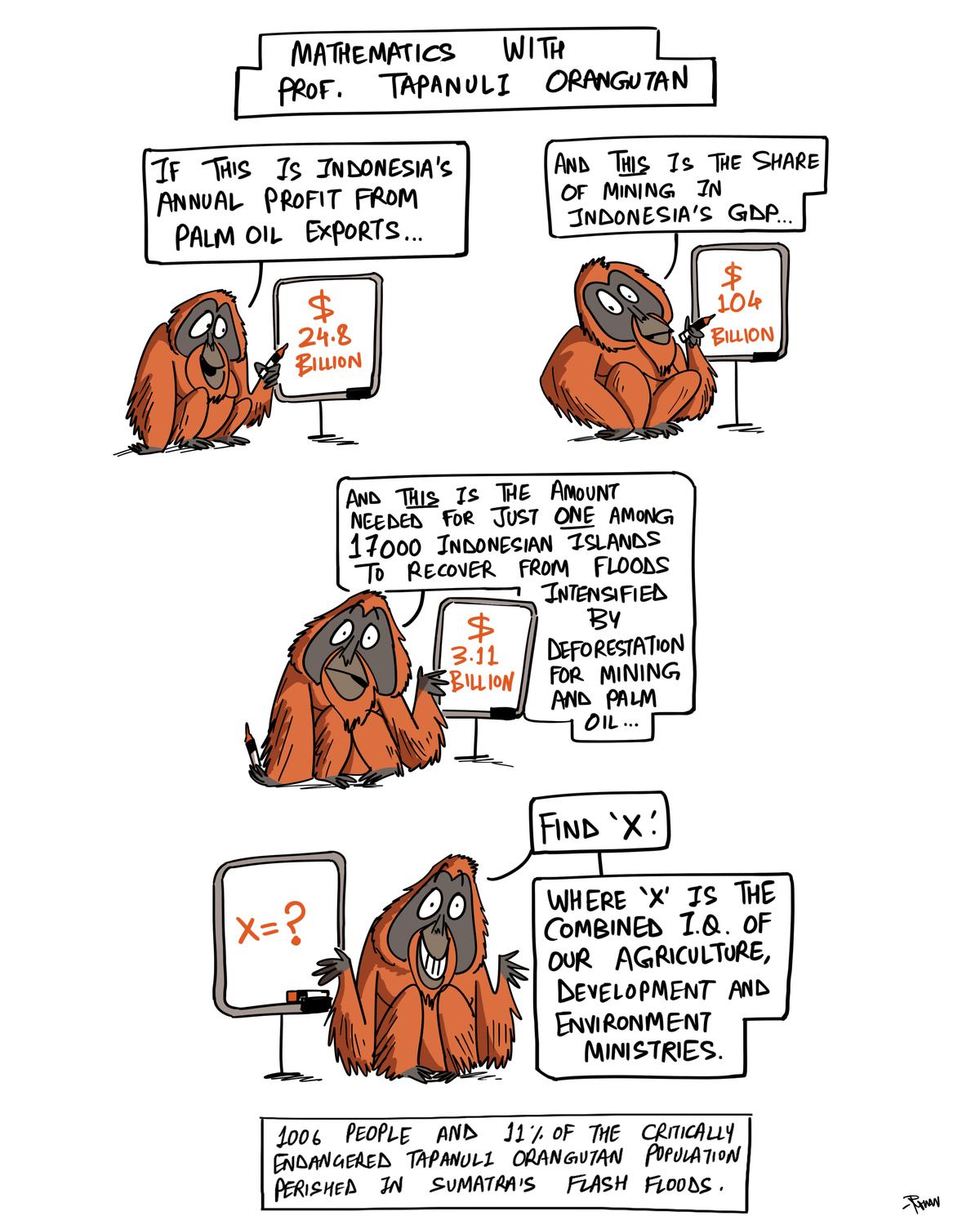
Saudi Arabia’s vast deserts were once rivers, lakes and grasslands Multiple independent studies show the peninsula was once humid and green, shaped by rivers, lakes and monsoon rains that supported wildlife and repeated human settlement. One major strand of evidence comes from landscape analysis, archaeology and satellite imagery. What appear today as dry channels on the ground become vast ancient river systems when viewed from space.
AFRICA
Plagued by Flooding, Rwanda capital Kigali Reengineers Its Wetlands As climate change and urbanization intensify flooding in Rwanda, the capital of Kigali (Population 1.7 Million) has embraced nature-based solutions. The city is restoring and reshaping 18,000 acres of degraded wetlands, planting native species to filter and slow runoff, and enhancing biodiversity according to this Jan 6 2026 Yale Environment-360 report.
Forty years ago, Kigali was protected from stormwaters by extensive wetlands at the base of its many hills. The wetlands soaked up rain, slowed floods, and filtered runoff. But decades of degradation, including informal agriculture, sand mining, and industrial dumping in these areas have reduced the wetlands’ ability to perform these essential ecological functions.
Kigali began working nearly a decade ago to restore its natural defenses. In just a three-year period, the city converted a degraded swamp into a functioning wetland — featuring a series of ponds, a riverine forest, and a savanna — that stores carbon, controls floods, filters pollutants, and enhances biodiversity. Building on that success, the city is currently reforesting hillsides and restoring an integrated wetland system that will eventually span more than 18,000 acres. The ambitious project will ultimately reshape one of Africa’s fastest growing capitals. This represents a rare, citywide effort to rebuild nature-based infrastructure — offering one of the continent’s clearest models for urban areas seeking to boost their resilience.
THE REST OF THE WORLD
USA: Exposing most dangerous dams While dams are generally monitored for damages and overall condition, tools to understand the stability of the structure underneath the dam are limited. So, the team at Virginia Tech conceived of a new way to monitor the structural integrity of large dams across the United States without going into the field. Utilizing Interferometric Synthetic Aperture Radar from the Sentinel-1 satellite, Khorrami looked at how sections of high-risk dams slowly sunk into the ground over a 10 year period.
The team focused on hydroelectric dams that are 50 feet or taller, as these dams have the most potential impact if they were to fail – not only to the communities directly downstream but to the vast amounts of infrastructure they can power. What they found was shocking to them: Many dams that should have been stabilized were still sinking, potentially impacting the dam’s structure. At one dam in North Carolina, the team corroborated what other inspections already suggested—the dam was slowly sinking on its northern face, cracking the concrete of the structure and threatening the safety of the town of Roanoke Rapids below it.
With their newfound ability to inspect dams remotely, Khorrami and his team combined the radar scans with structural data of the dams to understand the risk each dam posed. Overlaying these dams with U.S. Census data, FEMA’s National Risk Index, and FEMA’s flood inundation zones, they further discovered that many of the most damaged dams are poised to destroy many socially vulnerable communities in the country. These communities may have limited emergency preparedness, with a lack of Emergency Action Plans or resources in the event of a flood.
While the United States has yet to see a massive dam breakage in the modern era, Khorrami’s team is hoping to prevent such a tragedy. If any one of these large hydropower dams were to fail, “It’s a disaster,” said Khorrami.
The world’s largest beaver dam can be seen from space Wood Buffalo National Park, in Canada, which spans northern Alberta and parts of the Northwest Territories, contains the largest beaver dam ever recorded. The structure lies deep within the park, far from roads, towns, or marked trails, making it largely inaccessible by foot. Its size is so vast that it is visible in satellite images taken from space. The dam measures roughly 775 metres along its front edge and covers an area of about 70,000 square metres, holding back a significant volume of water. It was first identified in 2007 through satellite imagery rather than ground exploration. Further analysis showed the dam did not exist before 1980, suggesting it was built over several decades by successive generations of beavers working in the same location.
Beavers are often described as ecosystem engineers. They change landscapes by design, even if that design follows instinct rather than a plan. By felling trees and packing wood, mud, stones, and vegetation together, they redirect water and create ponds. In the case of this dam, multiple generations of beavers worked on the same structure. Each added material where it was needed. Over time, the dam expanded and strengthened, holding back runoff from the Birch Mountains at the southern edge of the park. The result is not just a barrier but an entire water system shaped by animals rather than machines.
Algal assemblage drives patterns in ecosystem structure but not metabolism in a productive river Abstract: -Algal dynamics are fundamental drivers of lotic ecosystem processes. Although rivers tend to be heterotrophic and have low standing stocks of autotrophic biomass, filamentous algae can cause nuisance algal blooms that alter the structure of the autotrophic assemblage. Still, the influence of these blooms on ecosystem processes can be variable. Here, we examined the structural and functional contribution of filamentous and epilithic algae by linking algal biomass measurements to daily primary production fluxes throughout two growing seasons in six sites along the Upper Clark Fork River, an open canopy, snow melt river in western Montana, USA.
Carter, a professional practice assistant professor in USU’s Department of Mathematics and Statistics and the USU Ecology Center, says the study revealed some unexpected aspects of these filamentous algae blooms—known as filamentous algae blooms ‘FABs.’ “While FABs are creating a significant shift in the ecosystem structure, we’re seeing minimal change in the river’s ecosystem metabolism and function,” she says. “Instead, smaller, more fast-cycling epilithic algae appears to be quietly doing the heavy lifting of producing a healthy ecosystem good for the food web and driving the whole system.”
Hidden water blob reappeared in Atlantic For decades, scientists have known about “equatorial waters” -masses of ocean that separate waters north and south of the equator -in both the Pacific and Indian oceans. But a similar mass in the Atlantic has long remained elusive. A study by The Shirshov Institute of Oceanology finally discovered this aquatic mass, known as the Atlantic Equatorial Water (AEW), by poring over data available through the international Argo program. Understanding this water mass -as well as others- will help scientists grasp how the world’s oceans transfer heat and nutrients across the planet.
Finke recognized as the World’s oldest flowing river Scientists have identified Australia’s Finke River as the world’s oldest surviving river system, dating back 300–400 million years. Flowing through the MacDonnell Ranges, it offers rare insights into Earth’s deep geological history. The Finke River’s most striking feature is its cross-axial drainage; in other words, it cuts across hard rock formations rather than bending around them. This rare geometry is one reason its age keeps coming up in scientific debate, and one study, published by the Journal of Geography, has even labeled it the “second-oldest river in the world.”
SANDRP

 SANDRP