Dams · Wetlands

Wetlands Review 2016: Government Actions

India is one of the 169 signatories to the Ramsar Convention on Wetlands, signed in Ramsar, Iran, in 1971, an intergovernmental treaty that provides the framework for national action and international cooperation for the conservation and wise use of Wetlands and their resources. There are 2,241 Ramsar sites across the world, including 26 spread across India from Wular Lake in Jammu and Kashmir to Ashtamudi Wetland in Kerala, and from Deepor Beel in Assam to Nal Sarovar in Gujarat.

Despite their vital importance to humans, across India, Wetlands are seriously threatened by reclamation and degradation through processes of drainage, land filling, discharge of domestic and industrial effluents, disposal of solid waste, and over-exploitation of the natural resources that they offer.

Here is an account of major decisions and actions by Central as well as State Governments on wetlands related issues in 2016.

Continue reading “Wetlands Review 2016: Government Actions”

Dams · Wetlands

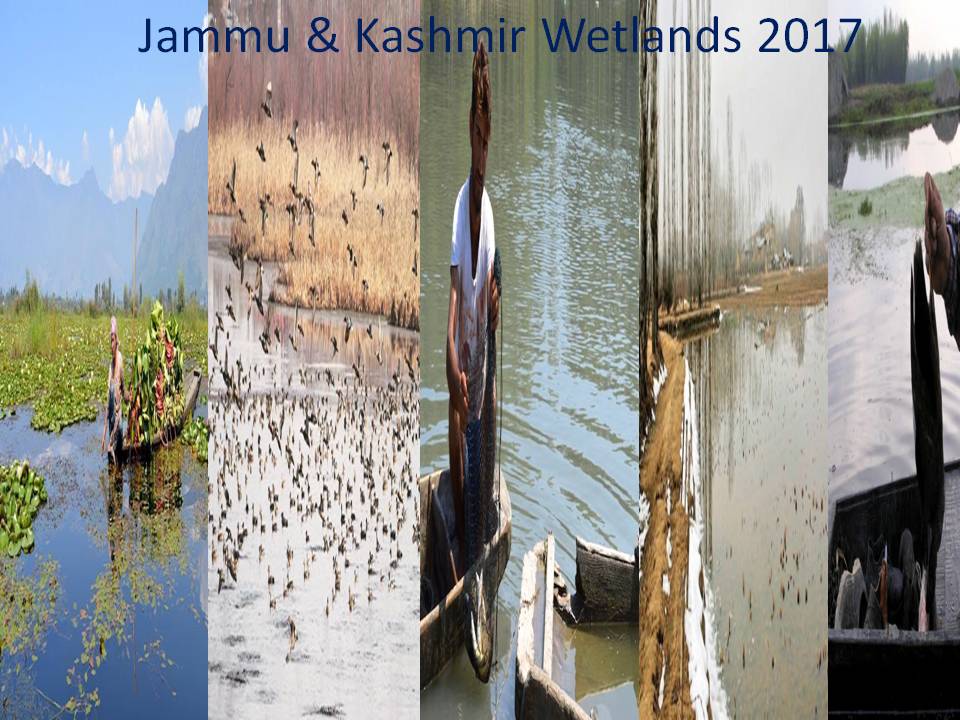
WORLD WETLANDS DAY 2017: Man made Disaster for Wetlands that protect us from Disasters

The World Wetlands Day, celebrated around the world on 2nd February each year, marks the adoption of Ramsar Convention on Wetlands in Iran in 1972. The Convention came into force in India since 1982. The theme for this year’s World Wetlands Day is “Wetlands for Disaster Risk Reduction.”[i]

During floods, wetlands can act as natural sponges and absorb intense runoff and discharge, holding more water than most soil types.[ii] This role of wetlands has been demonstrated most powerfully in India in the past few years. Chennai deluge in Nov-Dec 2015 highlighted what happens when wetlands in a city reduce by 2/3rds in just 20 years. Similarly, Kashmir valley lost 50% of its riverine wetlands in just over 30 years, which was one of the main reasons behind the extensive losses during the Sept 2014 Jhelum floods, as corroborated by Dr Asam Rahmani of Bombay Natural History Society (BNHS)[iii]. In 40 years, Bangalore has lost 79% of its wetlands, similar is the case with Mumbai, Hyderabad, Kolkata and New Delhi. Bhopal, a city of relatively sloping profile, faced floods twice in 2016, and wetlands, including the rivers in the city are facing existential risks in terms of encroachments[iv].

Continue reading “WORLD WETLANDS DAY 2017: Man made Disaster for Wetlands that protect us from Disasters”

Urban Water Sector · Wetlands

Urban Wetlands and Floods

In city after city wetlands are being built over, for houses, markets and offices to meet the demands of an increasing urban population. As agriculture is being rendered unviable because of soaring costs of inputs, declining prices of farm products, lack of water arising from water diversions and drought conditions and low support prices, there is increasing scale of urban migration. Availability of cheap, migrant labour alongwith the government’s policies to invite investment in the manufacturing sector, opening up of more sectors for foreign direct investment and weakening of labour laws have led to ‘development’ of many suburbs into industrial corridors, manufacturing hubs and economic zones. This suburban expansion has translated into a take over of wetlands which, until recently, were tilled by farmers or were the abode of birds or covered by mangroves. The development of the suburb is usually accompanied by a property boom in the new area which leads to complete destruction of the local ecology and construction of offices, residential complexes, shopping malls, educational institutions, parking spaces and other infrastructure for the urban elite and middle class.

Continue reading “Urban Wetlands and Floods”