Dams · Wetlands

WWD 2023: India’s Ramsar Wetlands face Damages, Threats & Govt Apathy

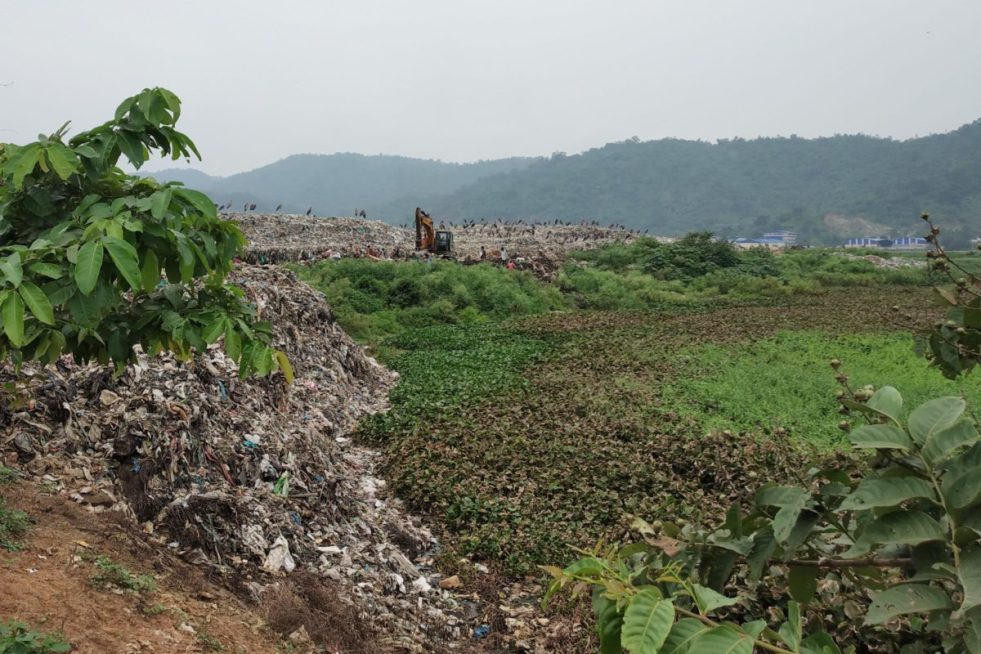
(Feature Image: The dumping ground is adjacent to the Deepor Beel wetland. Photo by Surajit Sharma./ Mongabay India, Aug. 2022)

Marking the World Wetlands Day 2023, this fourth overview by SANDRP compiles reports from 2022 revealing the worsening situation of Ramsar wetlands sites in India. In past few years, the government has shown great hurry in getting Ramsar tag for 75 wetlands from 26 in the country to symbolically mark 75th anniversary of Independence without showing any interest in resolving the existing and looming threats including increasing pollution, siltation, encroachments and climate change threats over old and even new Ramsar wetlands.

The ground reports show that the sole focus of the government is on pushing destructive and ornamental projects in the name of tourism and beautification on these wetlands which are only seen damaging their remaining eco-systems and threatening the livelihoods of dependent communities as an additional threat which only underlines that Ramsar tag does NOT help in wetlands protection and conservation. Experts, citizen groups have been raising this fact for years but in vain. Furthermore the process for seeking Ramsar recognition lacks consultation and participation of primary stakeholders and concerned citizens.

Moreover, in the name of information of Ramsar sites, there is only a combined interactive map apart from two separate pdf file links with location map and state wise listing Ramsar wetlands on Wetlands of India portal by MoEF&CC. The govt has neither prepared any concrete plan to address the threats, nor has it developed credible monitoring mechanism which clearly shows it has no intention to improve the governance of these sites.   

Continue reading “WWD 2023: India’s Ramsar Wetlands face Damages, Threats & Govt Apathy”
Wetlands

Photo Blog: Giri Taal of Kashipur; A Glorious Waterbody Succumbing to Neglect

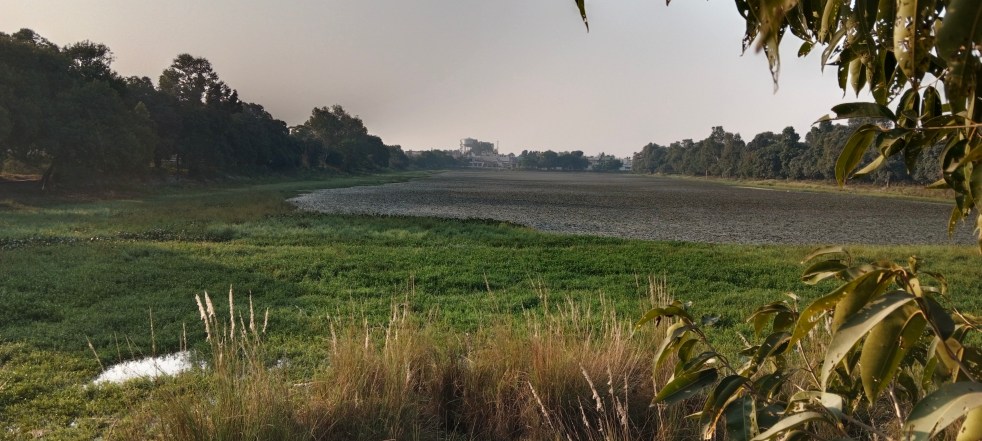
(Feature Image: Giri taal in Kashipur lying in degraded condition. Bhim Singh Rawat, SANDRP)

The Giri Taal in Kashipur town of Udham Singh Nagar district, Uttarakhand is yet another text book example of how a rich water resource has gradually been succumbing to unplanned development and official neglect. This short pictorial report after a brief visit to the Taal tries to highlight its socio-ecological values and the threats the water body is facing. As per National Wetland Atlas 2011 out of total 2,912 sqkm geographical area of the US Nagar district 6.90 percent (20,099 hectare) is under wetland which is highest in the state.

Continue reading “Photo Blog: Giri Taal of Kashipur; A Glorious Waterbody Succumbing to Neglect”
Dams · Wetlands

East India Wetlands Review 2017: West Bengal Bent On Destroying World’s Largest Natural Sewage Treatment Plant

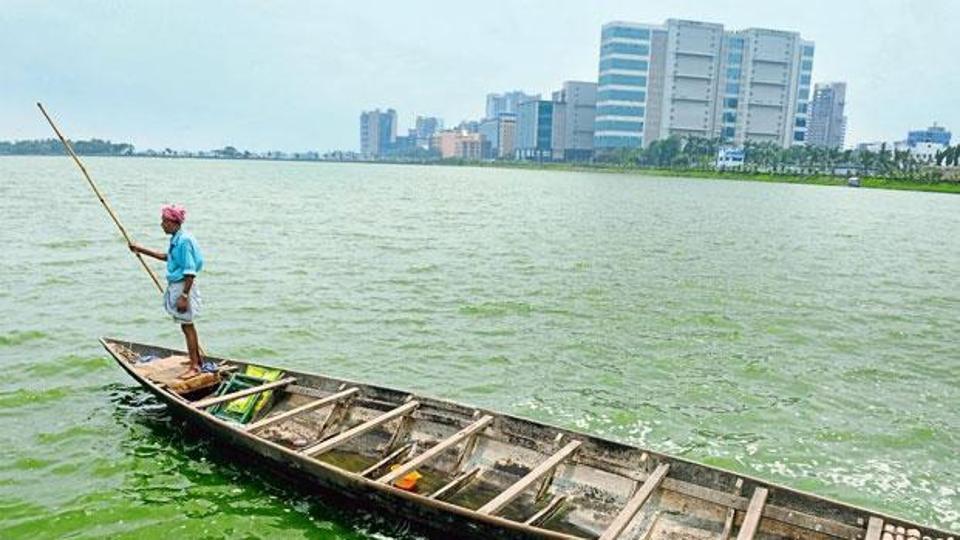
The East Kolkata Wetlands (EKW) are unique yet complex system of natural and human-made wetlands in West Bengal. The wetlands cover 125 sq km comprising of salt marshes, salt meadows, sewage farms and settling ponds. They are used to treat Kolkata’s sewage, and the nutrients contained in the waste water sustain fish farms and agriculture.

Devised by local fishermen and farmers, these wetlands served, in effect, as the largest natural sewage treatment plant (STP) for the city. And using the purification capacity of wetlands, Kolkata by transforming nearly one-third of the city’s sewage into a rich harvest of fish and fresh vegetables daily, has pioneered an environment-friendly system of sewage disposal. Because of this, the EKW were designated a “wetland of international importance” under the Ramsar Convention on August 19, 2002. https://en.wikipedia.org/wiki/East_Kolkata_Wetlands

However for past many years, these wetlands are under threat due to exponential expansion of real-estate projects. Recently illegal landfills are on the rise and unprecedented land development and urbanization have been creating concerns about the impact on EKW environment. 2017 has seen the situation turning only worse for EKW. 

Continue reading “East India Wetlands Review 2017: West Bengal Bent On Destroying World’s Largest Natural Sewage Treatment Plant”