Agriculture · Chenab · Fish Sanctuaries · Groundwater · Hydropower · Indus

The Moon River: People’s Story of Chenab

Chenab, which translates as the Moon River is the largest of the five tributaries of River Indus. It flows for about 974 kilometers from the High Himalayas of Lahaul to the forests of Jammu and Kashmir and onto the plains of Pakistan. Its main tributaries in India include Miyar, Marusudhar and Tawi. In the vast plains of Punjab in Pakistan, it is met by Jhelum, Ravi and Sutlej to form the mighty Panjnad before it meets the Indus. Its catchment, spread across 67,430 km2, is shared between the two countries.
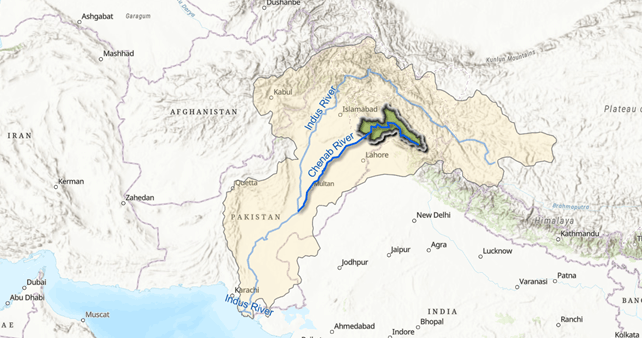
Chenab is Chandrabhaga (Crescent Moon) in its headwaters. It was the River Asikni in Rigveda, and the Acesines for the ancient Greek. From sparse mountain settlements of Lahaul to the bustling urban centers of Sialkot, more than 10 million people live and prosper along the Chenab. Hydropower projects operational and under constructions on the river have an installed capacity of more than 5000 MW (Central Electricity Authority 2024), and its canals irrigate hundreds of thousands of acres in Pakistan and India (Shakir et al).

Continue reading “The Moon River: People’s Story of Chenab”
Book Review

Book Review: An odyssey through waterbodies

Guest Article by: Abhilash Khandekar 

Book Review : “Shades of Blue—Connecting The Drops In Cities” by Harini Nagendra & Seema Mundoli, Penguin/Viking, Pages: 334, Price: Rs 499/- 

The scarcity of water,  how we use and misuse it and thus the very importance of this very precious resource is yet to dawn upon most Indians. Not that different awareness campaigns in various parts of the country are not held regularly. The media stories about deep water crisis, the plight of most of our rivers and lakes is all known yet criminal neglect of the water sector continues. Be it drinking water in our homes or hotels and other uses like factories, agriculture–all come from the very limited fresh water available to the mankind—0.5%. Over 96% water lies in seas and oceans and is salty; of the 3% of fresh water available, much is locked up in ice, snow and glaciers. So, the humankind have to rely only on the 0.5% water for survival. Authors Harini Nagendra and Seema Mundoli teach sustainability at the Azim Premji University, Bengaluru. They have already published highly readable book—Cities and Canopies which talk about a select important species of trees mostly found in urban areas.

Continue reading “Book Review: An odyssey through waterbodies”