Wetlands

WWD 2024: Citizens Efforts to Protect Wetlands & Mangroves in Mumbai

Continue reading “WWD 2024: Citizens Efforts to Protect Wetlands & Mangroves in Mumbai”
Wetlands

WWD 2024: Lot of schemes for India’s Wetlands-Little Credible Action

Continue reading “WWD 2024: Lot of schemes for India’s Wetlands-Little Credible Action”
DRP News Bulletin

DRP NB 080124: Supreme Court stays Sham post facto clearances

Continue reading “DRP NB 080124: Supreme Court stays Sham post facto clearances”
Ministry of Environment and Forests

2023: EAC & FAC Decisions on Dams, Hydro, Irrigation Projects

Continue reading “2023: EAC & FAC Decisions on Dams, Hydro, Irrigation Projects”
Dams · Wetlands

WWD 2023: India’s Ramsar Wetlands face Damages, Threats & Govt Apathy

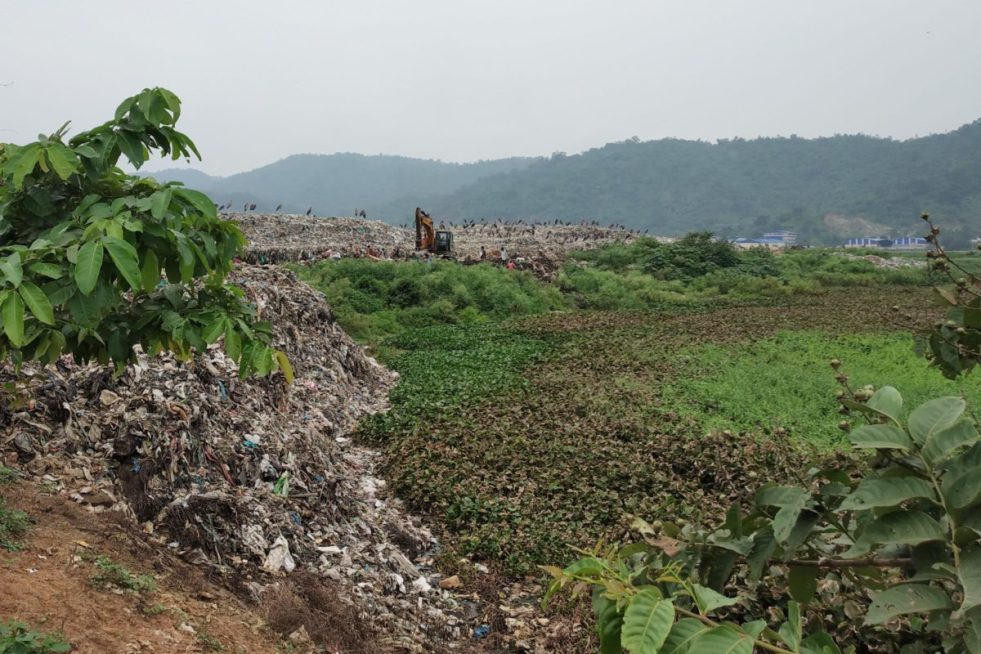
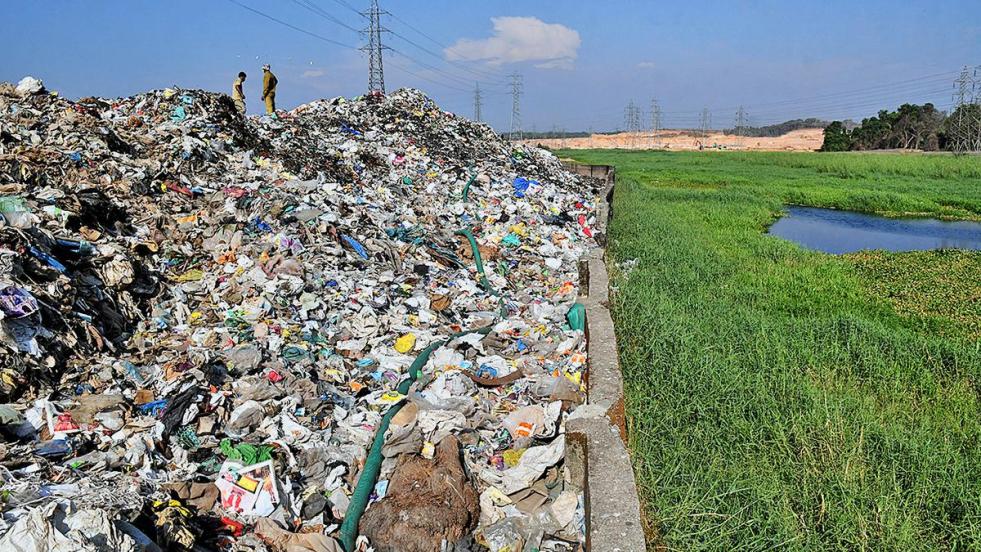
(Feature Image: The dumping ground is adjacent to the Deepor Beel wetland. Photo by Surajit Sharma./ Mongabay India, Aug. 2022)

Marking the World Wetlands Day 2023, this fourth overview by SANDRP compiles reports from 2022 revealing the worsening situation of Ramsar wetlands sites in India. In past few years, the government has shown great hurry in getting Ramsar tag for 75 wetlands from 26 in the country to symbolically mark 75th anniversary of Independence without showing any interest in resolving the existing and looming threats including increasing pollution, siltation, encroachments and climate change threats over old and even new Ramsar wetlands.

The ground reports show that the sole focus of the government is on pushing destructive and ornamental projects in the name of tourism and beautification on these wetlands which are only seen damaging their remaining eco-systems and threatening the livelihoods of dependent communities as an additional threat which only underlines that Ramsar tag does NOT help in wetlands protection and conservation. Experts, citizen groups have been raising this fact for years but in vain. Furthermore the process for seeking Ramsar recognition lacks consultation and participation of primary stakeholders and concerned citizens.

Moreover, in the name of information of Ramsar sites, there is only a combined interactive map apart from two separate pdf file links with location map and state wise listing Ramsar wetlands on Wetlands of India portal by MoEF&CC. The govt has neither prepared any concrete plan to address the threats, nor has it developed credible monitoring mechanism which clearly shows it has no intention to improve the governance of these sites.   

Continue reading “WWD 2023: India’s Ramsar Wetlands face Damages, Threats & Govt Apathy”
Wetlands

WWD 2023: Top Ten Judicial Interventions to Improve Wetlands Governance

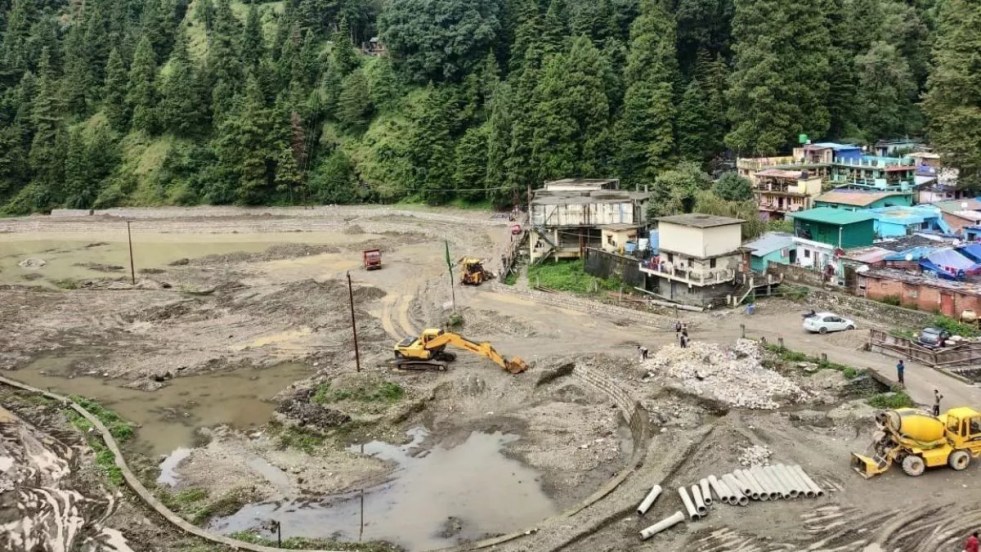
(Feature Image: Construction activities in Sukhatal lake area in Nainital, Uttarakhand. Source: Dainik Jagran, Nov. 2022)

In this third part of wetlands overview, SANDRP tracks top ten judicial interventions regarding protection of wetlands in India in 2022. The part one has highlighted general situation of wetlands and part two has covered some governmental actions for wetlands conservation.

Continue reading “WWD 2023: Top Ten Judicial Interventions to Improve Wetlands Governance”
Wetlands

WWD 2023: Top Ten India Wetlands Stories about Govt Actions

(Feature Image: Kochi Corporation’s proposal to reclaim wetlands at Brahmapuram shot down. A view of the Brahmapuram solid waste treatment plant on the banks of the Kadambrayar. | Photo Credit: Thulasi Kakkat/ The Hindu)

In this second part of annual wetlands overview of 2022, SANDRP compiles the top ten actions by various governments in India regarding wetlands in 2022. The compilation also highlights some of the controversial steps planned and taken by the governments with an adverse impacts on wetlands conservation. The first part of wetlands review 2022 has focused on the how wetlands continue to suffer from misgovernance. 

Continue reading “WWD 2023: Top Ten India Wetlands Stories about Govt Actions”
DRP News Bulletin

DRP NB 230123: Welcome decision of FAC to deny clearance to Etalin HEP

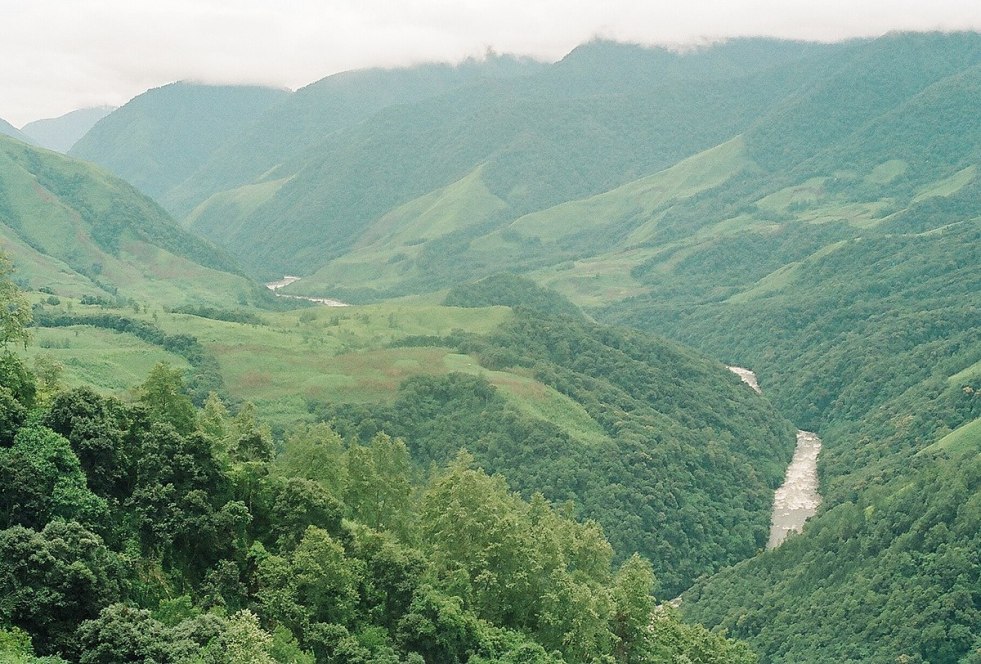
(Feature Image:- Upper Dibang Valley District, Arunachal Pradesh, India (Source: Wikipedia Commons/IWP)

It’s rather rare that we get a hydropower project related decision from official decision makers that can be welcomed. It has happened this week when the MoEF’s (Ministry of Environment, Forests & Climate Change) Forest Advisory Committee declined to give forest clearance to the controversial 3097 MW Etalin Hydropower Project in Dibang sub basin of Brahmaputra basin in Arunachal Pradesh and North East India. The project was under consideration for this clearance since 2014 and finally in the meeting on Dec 27, 2022, FAC conveyed that the current proposal cannot be considered for the clearance and revised proposal may be submitted. It is not a blanket rejection of the project, but considering the history of consideration of this project in FAC, it is closest we can come to that.

It is also welcome to know that the FAC has also looked at the poor track record of compliance of conditions of earlier forest clearances for the hydropower projects in Arunachal Pradesh among the many reasons why the project is rejected in current form. Arunachal Pradesh may do well to improve its track record before applying for forest clearance to any new projects in the state.

This decision is also a lesson for the MoEF’s Expert Appraisal Committee on River Valley Projects and also for MoEF itself for not even looking at the track record of compliance of the conditions of environment clearances that the EAC and MoEF give to the river valley and hydropower projects. They also never look at the implementation of the Environment Management Plans. Same is the case with the MoEF’s National Board of Wildlife.

Continue reading “DRP NB 230123: Welcome decision of FAC to deny clearance to Etalin HEP”
DRP News Bulletin

DRP NB 160123: Top Court appeals for EIAs for Urban Development: Welcome, but…

The Supreme Court of India, while disposing of a petition related Chandigarh, in its order on January 10, 2023 has said: “Before we part with this judgement, we observe that it is high time that the legislature, executive, and the policymakers at the centre and state levels take note of the damages to the environment on account of haphazard development and take a call to take necessary measures to ensure that the development does not damage the environment… We therefore appeal to the Legislature, the Executive and the Policy Makers at the Centre as well as at the State levels to make necessary provisions for carrying out Environmental Impact Assessment studies before permitting urban development.”

This is most welcome. And urgently required. That India’s urban development is happening at the cost of life sustaining environment resources including rivers, water bodies, forests, wetlands among others is well known. That the government sees all requirements of environmental scrutiny as road blocks is also well known. The consequences of this are clear for all concerned, not only in case of Bangalore as cited by the Supreme Court Bench, but also in case of Ahmedabad, Bhopal, Chennai, Delhi, Ernakulam, Faridabad, Gurugram, Hyderabad, Indore, Joshimath, Kolkata, Lucknow, Mumbai and so on. So is there a good chance that the apex court suggestion will be followed either in letter or in spirit? Unlikely. So what is clearly required is that the apex court emphatically directs the centre and states in this regard and follows it up with ensuring its implementation.

Continue reading “DRP NB 160123: Top Court appeals for EIAs for Urban Development: Welcome, but…”
DRP News Bulletin

DRP NB 090123: Atal Bhujal Yojana just chaff without any wheat?

According to this detailed report, possibly the first independent review of the Atal Bhujal Yojana, a 5-year program of the Union govt for management of groundwater, India’s water lifeline, with over half of the project period completed, seems bereft of the fundamental aspects that the scheme itself says are necessary for any sound foundation of the scheme. The review describes it as a dish full of chaff, without almost any kernels of wheat for some sound reasons. It says hardly 18% of allocated money has been spent on Gram Panchayat level community-led Water Security Plan. Only 4% of the planned Gram Panchayat level trainings have been held, with Gujarat and Haryana holding none. Only 27% of money allocated for Gram Panchayat level Hydrogeological monitoring network has been spent. The data gathering instruments that were required from the beginning of the program have not been installed in over half the planned locations. On Information, Education and Communication activities, only 16% of allocated amount is spent.

More detailed independent review of the program implementation will help, but from the available information so far, the signs do not look particularly promising. Is it due to ineptness or lack of intention? Only time will tell.

Continue reading “DRP NB 090123: Atal Bhujal Yojana just chaff without any wheat?”