Dam Disaster · Dam Safety · Dams, Rivers & People

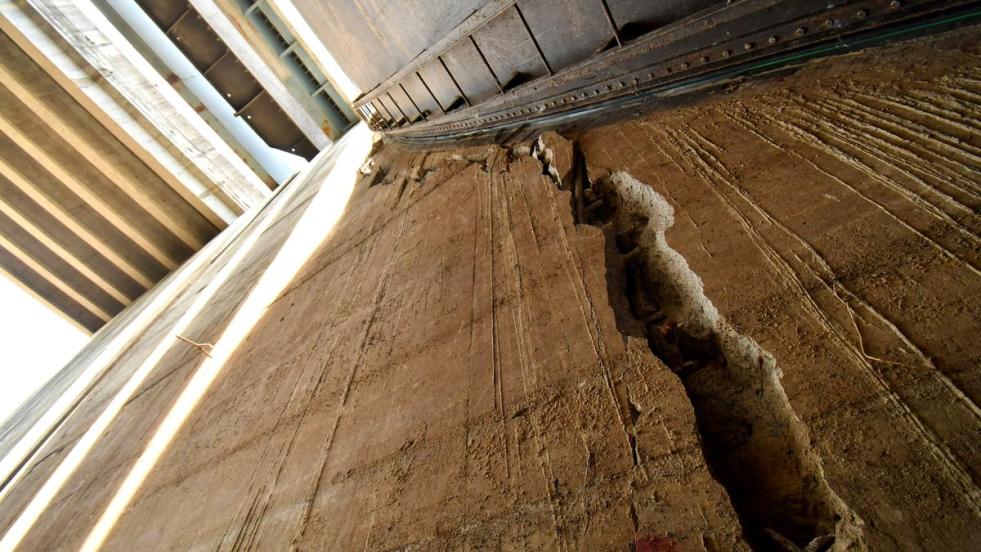
Kaleshwaram Project 2025: Inquiries Done, Actions Missing

Continue reading “Kaleshwaram Project 2025: Inquiries Done, Actions Missing”
Dams · Floods · Ganga · River Biodiversity · Rivers

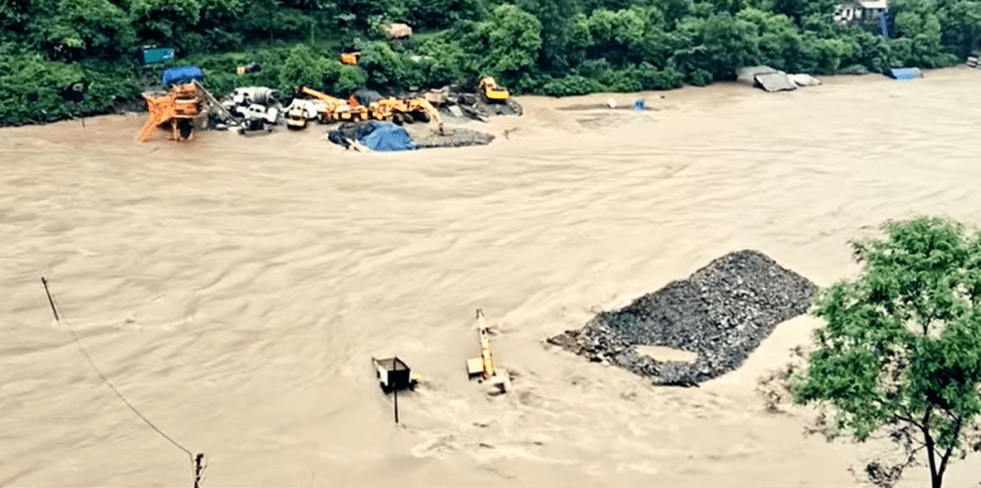
Aug 2025: Flood Affects Satpuli Barrage Project in Uttarakhand

Continue reading “Aug 2025: Flood Affects Satpuli Barrage Project in Uttarakhand”
Dam Safety

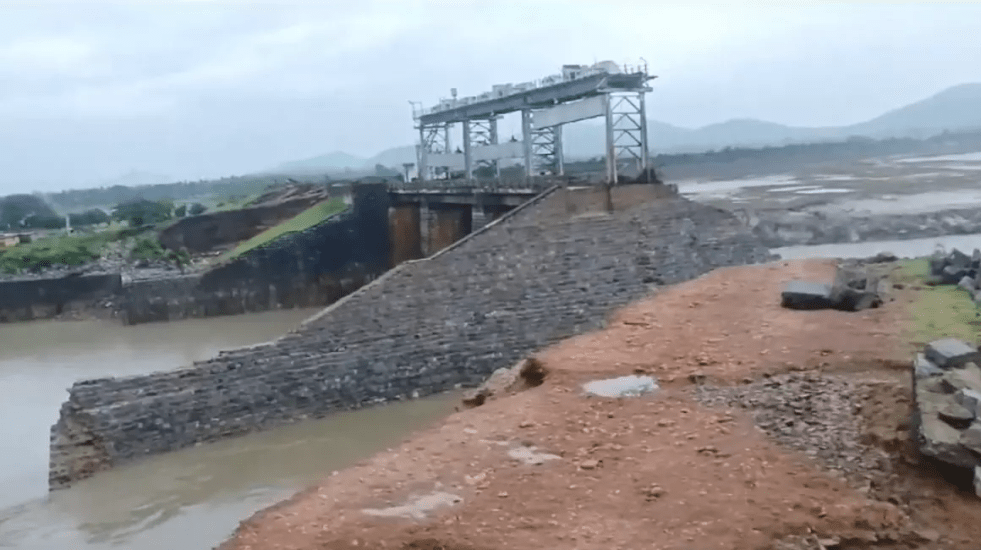
2024 Dam Safety

Continue reading “2024 Dam Safety”
Dam floods

2024: Dam Induced Floods in India

Continue reading “2024: Dam Induced Floods in India”
Dam Disaster

2022: When Polavaram project further unraveled

(Feature Image: Flood water discharging from Polavaram Project to the downstream, in West Godavari district, on Jyly 12, 2022. The Hindu)

Polavaram is the largest and costliest big dam project under construction in India currently, though not much has been written about this projects and its impacts in mainstream in India. The project was given various clearances through a manipulated process, basic studies were not done before clearing it. Several petitions are pending before the various High Courts and the Supreme Court of India, but the project is allowed to go ahead without resolving them or the inter-state issues. A number of issues related to the project has been unravelling over the years and in 2022, the project further unraveled as the news reports compiled here reveal.

A snapshot of the status at Polavaram Project: The downstream coffer dam is damaged, the Gap 1 and Gap 2 of the Dam are yet to be constructed, the 1.7 km long Diaphragm wall of the ECRF dam is submerged in flood waters, it was earlier damaged (scoured at two places over an an area of 200 m X 200 m) in 2019 floods implying additional expenditure of Rs 600 cr, the water flow at the dam site on July 15, 2022 was highest since 1920 for July, the assessment of the earlier damage to the diaphragm wall and future options that was underway when the floods struck in the second week of July 2022, had to be stopped while still incomplete, the rehabilitation colonies have been submerged as the engineers assessment proved wrong about their elevation. There is an uncertainty on the structural stability of the other facilities of the irrigation project due to incomplete construction of the main dam, as it is receiving an unprecedented inflow. The height of the upper Coffer dam was increased by 1 m to 44 m between 17 and 19 July, 2022, in the middle of high floods, but that had impact on upstream Telangana and they opposed that this was done without consulting them.

Continue reading “2022: When Polavaram project further unraveled”
Dams · DRP News Bulletin

DRP News Bulletin 15 Feb. 2016 (Govt plans National Water Commission)

Govt plans National Water Commission In one of the most significant reforms in the water sector in a long time, the govt is in the process of ordering a complete restructuring of the organisations responsible for regulating the use of water resources, with the objective of bringing in greater efficiency, better planning and increased emphasis on conservation of water. According to news report the Central Water Commission (CWC), which oversees irrigation projects, flood management and drinking water supply, and the Central Ground Water Board (CGWB) are likely to be disbanded, and a National Water Commission is proposed to be set up in their place. A few other smaller organisations with specialised mandate like data gathering and analysis are also likely to be created.

A team under Mihir Shah, a former member of the then Planning Commission of India, is already preparing a blueprint for better management of water resources. The idea of institutional restructuring is said to have the backing of this panel. It is likely to submit its report in the next two months. In the new scheme of things, more emphasis is being given to judicious use, and conservation, of ground water. It is estimated that despite elaborate irrigation projects, about 60 per cent of irrigation during the non-rainy season is still done by pumping out ground water. The large irrigation projects, meanwhile, have given sub-optimal results.

A large number of sewage treatment plants, being built as part of the Clean Ganga initiative that will eventually spread to other rivers as well, will provide a new source of water that is fit not only for industrial use but also for irrigation and many other purposes. The river rejuvenation plans, not just of Ganga but others as well, will become an integral part of overall water resources management. Apart from reducing pollution in the rivers, and maintaining a minimum ecological flow, the rejuvenation plans would also ensure that the rivers are able to adequately recharge the aquifers in its basins.

Allocation of water resources to each state is also on the agenda. But this process is likely to take time as it would involve extensive consultations with the state governments. Once a consensus emerges, a central legislation on allocation of water resources is planned to be brought in. This is aimed at reducing inter-state water disputes.

Continue reading “DRP News Bulletin 15 Feb. 2016 (Govt plans National Water Commission)”