DRP News Bulletin

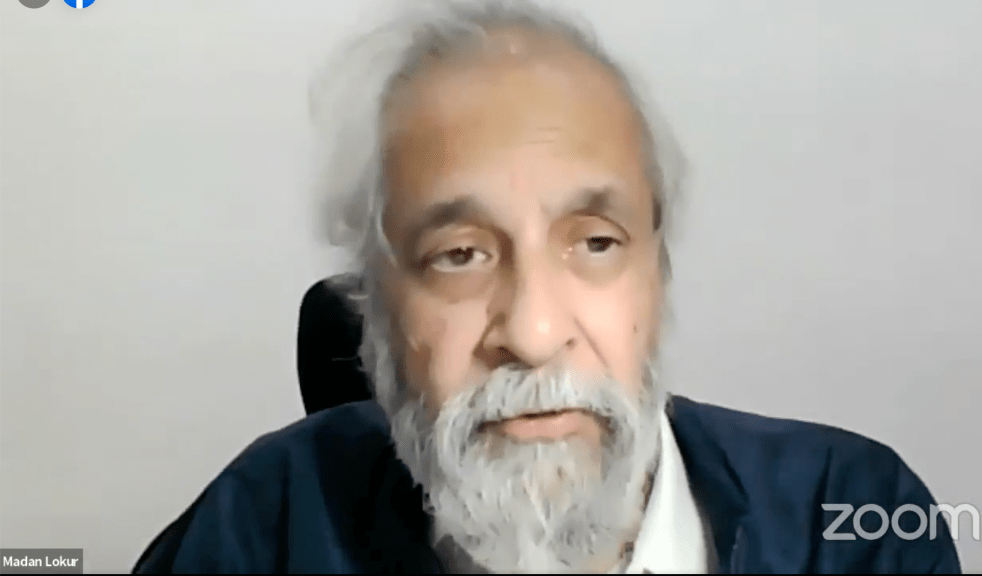
DRP NB 281122: Justice Lokur at IRW 2022: We need to be vocally more aggressive to make a difference

In his key note address at the final session of India Rivers Week 2022, Justice Madan Lokur, former judge of Supreme Court of India said, “Time has come we need to be a little more active and aggressive vocally to ensure that we are listened to about the problems we all are facing. Farmers struggle, the CAA amendment etc. are good examples. There is need for a political will to bring about any change. How do we generate such a political will is the issue.”

Among other messages Justice Lokur gave in his key note address at the final session of India Rivers Week 2022 on Nov 27, 2022 included: “Rivers belong to all, not a select few… We need to ensure that we are effective in our work, our messages.”

The two day, five session India Rivers Week 2022 function focused on use of rivers as waterways, organized in collaboration between India Rivers Forum (IRF is constituted by ten organizations now) and Manthan Adhyayan Kendra ended on Nov 27, 2022. The IRW 2022 sessions had a number of highlights, we will try to bring them to you in separate articles.

Continue reading “DRP NB 281122: Justice Lokur at IRW 2022: We need to be vocally more aggressive to make a difference”
Fish, Fisheries, Fisherfolk

WFD 2022: Protect Aquatic Biodiversity for Fish to prosper

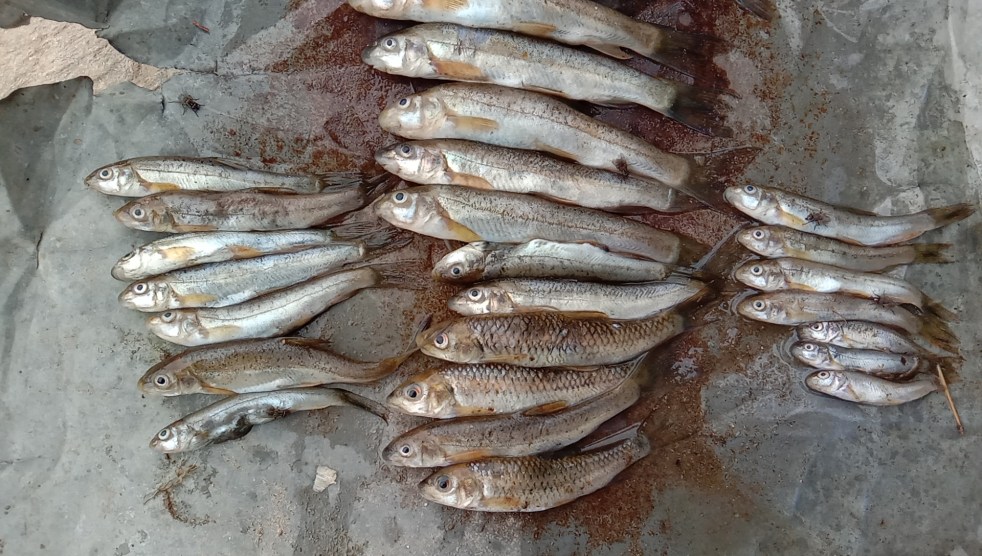
(Feature image: Fish species caught in small Ramganga stream in Pauri Garhwal. Bhim Singh Rawat/SANDRP)

On the occasion of World Fisheries Day (WFD) 2022, this report by SANDRP tracks developments related to aquatic biodiversity in India over the last year.  The first, second, third and fourth parts of the WFD 2022 reports covered positive reports on rivers’ fish and fishermen; mass fish deaths in rivers and emerging threats; mass fish kills in lakes, ponds in the country and issues concerning rights & livelihoods of inland & coastal fishers reported during the past one year.

Continue reading WFD 2022: Protect Aquatic Biodiversity for Fish to prosper
Fish, Fisheries, Fisherfolk

WFD 2022: Inland, Coastal Fisherfolks’ Struggle Amid Hostile Climate

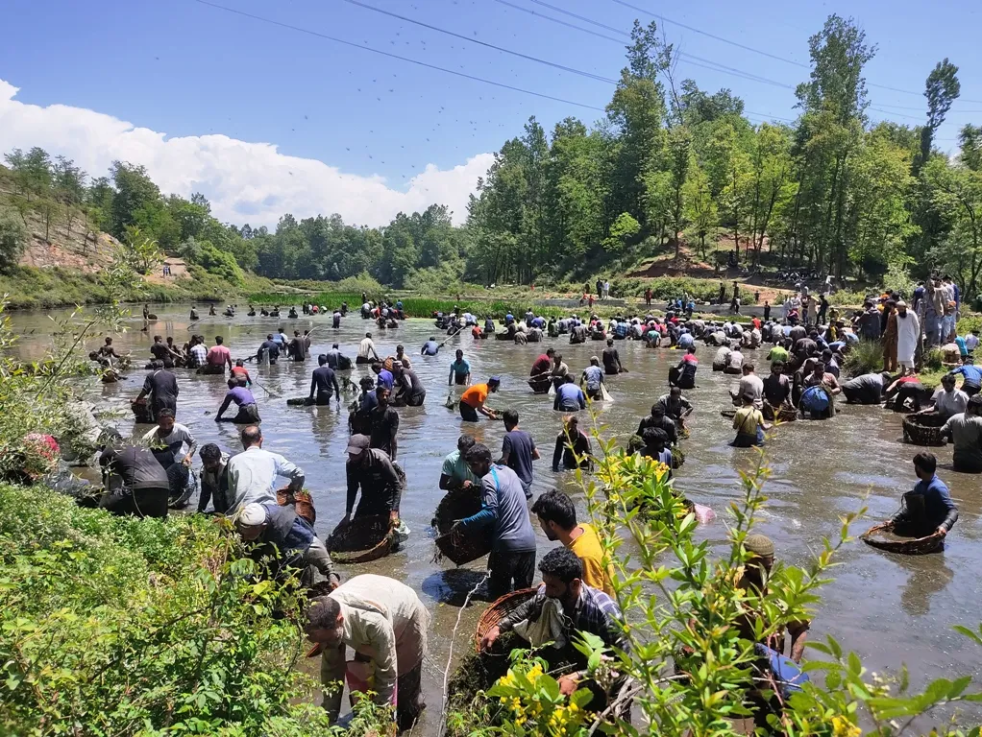
(Feature Image: Over the years in the Panzath village, it has emerged sort of a festival. Residents said the tradition started by their ancestors has helped them keep the water body in order, clean and healthy. Image: Aaquib Gull/ Kashmir Life)

On the occasion of World Fisheries Day (WFD) 2022, this report highlights the ongoing struggle of inland and coastal fishers amid adversarial governments and changing climate. It first tracks some positive developments and then moves on to document important issues concerning the fisher communities in India. The first, second and third part of the WFD 2022 reports covered positive reports on rivers’ fish and fishermen; mass fish deaths in rivers and emerging threats; and mass fish kills in lakes and ponds in the country reported during the past one year. The fifth and last part on the series would highlight issues concerning aquatic bio-diversity in the country.    

Continue reading WFD 2022: Inland, Coastal Fisherfolks’ Struggle Amid Hostile Climate
Fish, Fisheries, Fisherfolk

WFD 2022: Positive River Fisheries Reports from India & Dam Removal Abroad

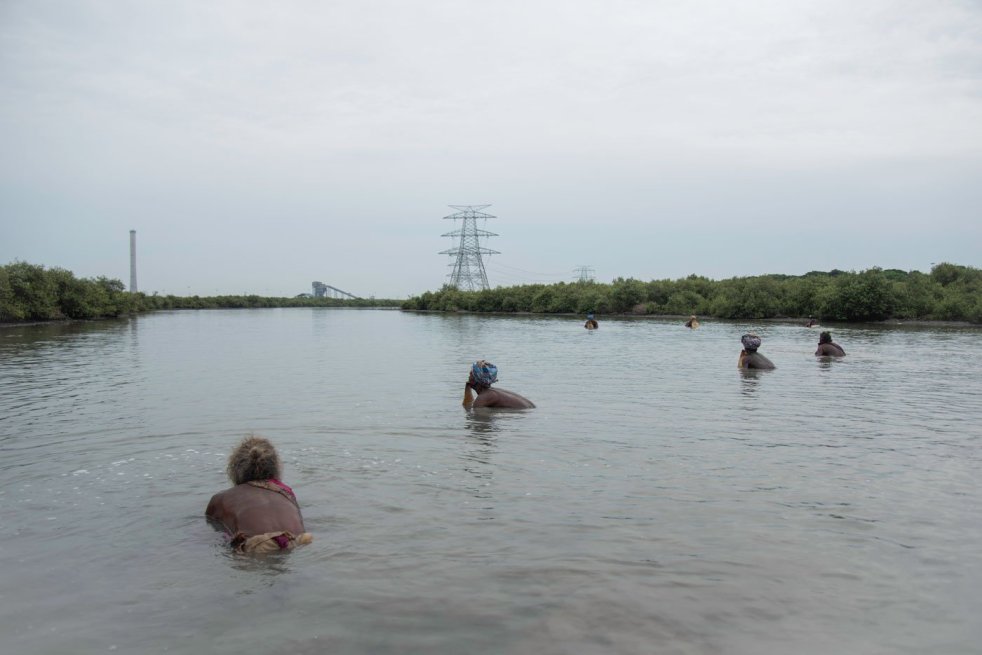
(Feature Image: Govindamma (extreme left) fishing for prawns in Kosasthalaiyar river with others from her Irular community. They wade through the water for 2-4 kms to catch them. Credit: People’s Archive for Rural India (PARI))

On the occasion of World Fisheries Day (WFD) 2022, this report by SANDRP tracks some positive stories on river fish and fisher in India & Dam removal action abroad. In subsequent part on this occasion, the mass fish death incidents in Indian rivers, wetlands, lakes would be covered along with updates on emerging threats of invasive fish, riverbed mining, pollution, encroachments, microplastic over the past one year. The third part would cover the mass fish death incidents in lakes and ponds in India and the fourth part would focus on continuing struggle of coastal fisherfolks and relevant issues.  The fifth and last part on the series would highlight issues concerning aquatic bio-diversity in the country.   

Continue reading WFD 2022: Positive River Fisheries Reports from India & Dam Removal Abroad
DRP News Bulletin

DRP NB 14 Nov 2022: Jal Shakti Ministry says: Groundwater extraction down, recharge up???

(Feature Image: The report also states that the monitoring of the groundwater resources was affected by the Covid-19 outbreak in the country. Source: Bloomberg/TIE)

This sounds so counter intuitive. The Ministry Jal Shakti on Nov 9, 2022 made some findings of its latest “National Compilation on Dynamic Ground Water Resources of India, 2022 public, strangely, without making the report public. It is not clear why the govt did not make the report public, though the counter intuitive nature of the findings provide some hint. The report claims that at all India macro level, the ministry claimed that the groundwater extraction is the lowest in 2022 since 2004, or 18 years and that the groundwater recharge has gone up.

These are counter intuitive findings, even if at macro level for a number of reasons. It is also unclear what methodology is used to arrive at these conclusions and if there has been any independent scrutiny of the same. Since groundwater extraction has been going up for over six decades now, this reversal will need plausible reasons. There are no indications that there is any reduction in this groundwater use. Secondly, the groundwater recharge mechanisms are under attack all over India, and thus the finding that there is increase in recharge raises questions. Particularly since the efforts at groundwater recharge through rainwater harvesting are far from convincing.

More importantly, the real story is at micro level, since groundwater occurs in decentralised aquifers and any significant reduction in use, increase in recharge has to happen at the aquifer level and the assessment also needs to be done and made available at aquifer level for it to have any impact on future regulation of groundwater. In fact the only regulatory body working for groundwater regulation, the CGWA, works in a centralised way and its work has been far from confidence inspiring. That makes this whole findings questionable. Moreover, it would also be useful to see if the extraction has reduced in over exploited areas and if the recharge has increased where it is required most: in over exploited areas. Too many questions and no answers, unfortunately.

Continue reading DRP NB 14 Nov 2022: Jal Shakti Ministry says: Groundwater extraction down, recharge up???
DRP News Bulletin

DRP NB 31×22: Unviable Hydro Projects rejected in Himachal, Arunachal Pradesh, Assam

(Feature Image: Group photo during No Means No campaign in April 2022 against destructive hydro power projects in Kinnaur, Himachal Pradesh. Source: The Pahari Zone, You Tube)

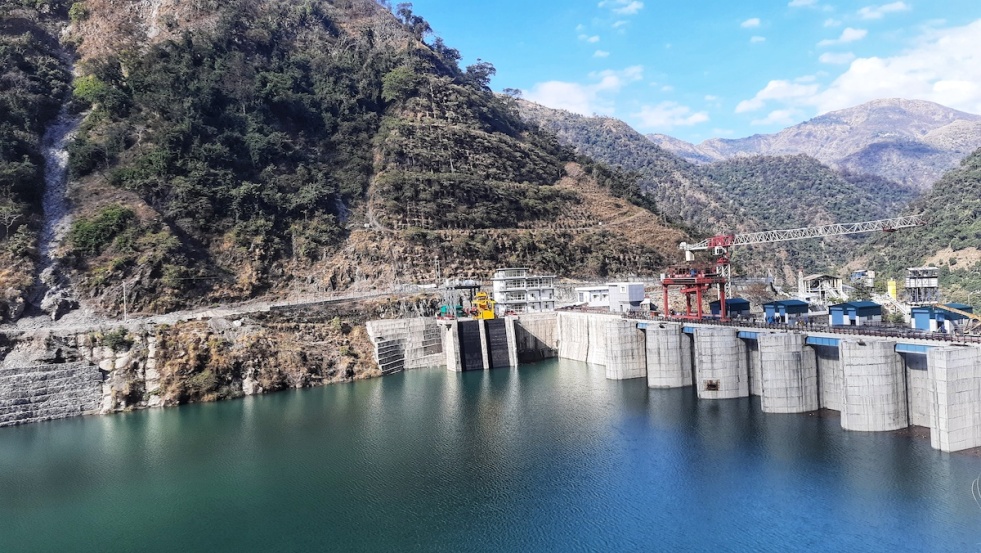
A number of developments this week once again show how unviable large hydropower projects are facing rejection in a number of states. In Kinnaur (Himachal Pradesh) the local youth are demanding that the candidates in the state assembly elections to be held in November 2022 promise to work against the hydropower projects in the district.

In Arunachal Pradesh, the state government has told that High Court that they have cancelled all the 44 large hydropower projects proposed in Siang basin when locals alleged in the petition “the projects have been initiated in a reckless manner without any regard to the consequences of the same and without following any scientific research”.

In Assam with new accidents, the commissioning of the 2000 MW Lower Subansiri HEP has been pushed back further, making the over Rs 20000 crore project even more unviable. In J&K, the landslides killing 4 people at the under construction Ratel Hydropower project in Kishtwar district on Chenab River has again rung a warning as to what is in store for future if proper appraisal studies are not done. In Uttarakhand, the bid to take over the Lanco Hydropower project on Mandakini river, now undergoing bankruptcy case in the court have been rejected and same is likely to be the fate for the revised bid.

Continue reading DRP NB 31×22: Unviable Hydro Projects rejected in Himachal, Arunachal Pradesh, Assam
Book Review · Fish, Fisheries, Fisherfolk · Rivers

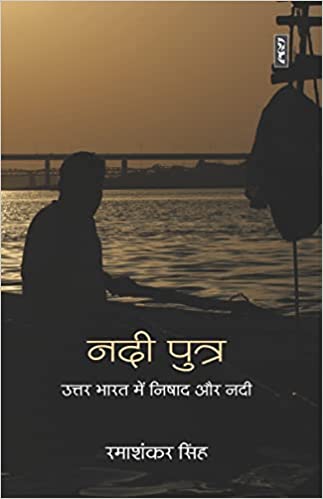
BOOK REVIEW: Rare book on Rivers and fisherfolks of North India

Guest Article by Dr. Ruchi Shree

BOOK: Ramashankar Singh (2022), Nadi-Putra: Uttar Bharat me Nishad aur Nadi, Setu Prakashan, New Delhi.

The arrival of books viz. Dipesh Chakravarty’s The Climate of History in Planetary Age (2021), Amitav Ghosh’s The Great Derangement: Climate Change and the Unthinkable (2016), A Nutmeg’s Curse: Parables for a Planet in Crisis (2021), Sunil Amruth’s The Unruly Waters: How Mountain Rivers and Monsoons have shaped South Asia’s History (2019) and numerous others has blurred the disciplinary divide between literature, politics and environment. These books have brought attention to the worsening environmental crisis worldwide and how developing countries or the global south is facing its severe brunt. As a consequence, one may notice an upsurge in literature in hindi and other regional languages around environmental issues in India. Last year, Shekhar Pathak’s book Hari Bhari Ummeed (2021) narrated the complexities of Chipko Movement at its 40 years and now this book here for review joins the club of interdisciplinary texts on environmental issues in India.

Continue reading “BOOK REVIEW: Rare book on Rivers and fisherfolks of North India”
DRP News Bulletin

DRP NB 200622: Erratic onset & progress of SW Monsoon in India

It is great to see an EDITORIAL on monsoon progress in one of India’s National newspapers, THE TIMES OF INDIA on June 20, 2022. The editorial figure of monsoon deficit of 32% at all India level is hugely outdated as it was for rainfall till 8.30 am on June 15. According to the latest figures of rainfall till 0830 am on June 19 available as we write this, the deficit is DOWN to just 8% as rainfall has been above normal on each of the last five days. The deficit in NW India has also reduced from 77% reported in TOI edit to 63% now. The monsoon has also covered much larger area except in North West India. The rainfall so far has already broken several records in terms of intensity of rainfall.

Nevertheless, the key message of the TOI EDIT, about our wrong cropping pattern and urgent need of the govt to come up with schemes to incentivise farmers to change to more appropriate cropping pattern is very important.

Continue reading “DRP NB 200622: Erratic onset & progress of SW Monsoon in India”
DRP News Bulletin

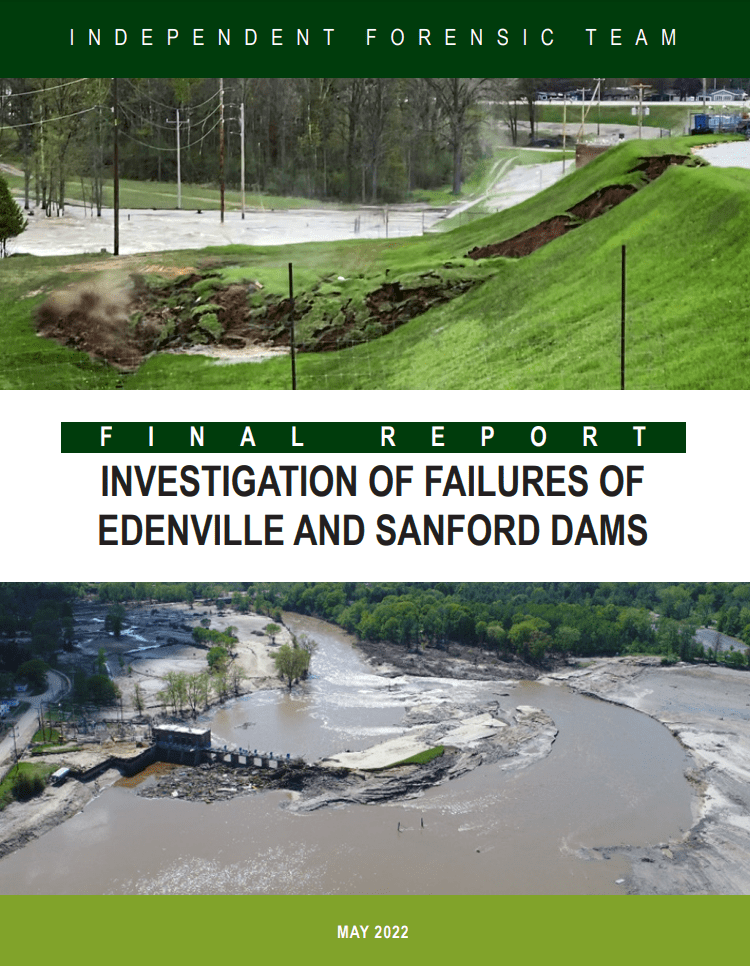
DRP NB 9 May 2022: Forensic Team report: Michigan 2020 Dams failures were preventable

A Forensic engineering Team appointed by the USA’s Federal Energy Regulatory Commission post the May 19, 2020 failure of Edinville and Sanford Dams in Michigan state of USA has published a 502 page comprehensive report on the dam failure within less than two years of the disaster. The full report published on May 4, 2022 is in public domain and has concluded that the dam failures were foreseeable and preventable.

There are a number of things we can learn from this. Firstly that there are such credible independent assessment of dam failures, we have none in India even after multiple dam failures each year. Secondly, such assessments are promptly in public domain. Thirdly, the reports are completed in less then two years. We have none of these. Even the Dam Safety Act passed by the parliament does not have provisions for any of these.

There are a lot of implications for India here. It means for example that we will never know the real reasons for the dam related disasters. Secondly, we won’t be able to learn any lessons. Thirdly we will never be able to improve the governance of our dams and rivers. Fourthly, we won’t be able to fix accountability.

There is so much at stake related to governance of our dams, but we seem completely unconcerned about it. There is a lot we can learn from others here.

Continue reading “DRP NB 9 May 2022: Forensic Team report: Michigan 2020 Dams failures were preventable”
DRP News Bulletin

DRP NB 11 April 2022: Ken Betwa Affected people protest land acquisition

The residents of about 15 villages affected by the Ken Betwa link project are opposing the land acquisition process being initiated in violation of all norms have opposed the move. The notices have not been pasted in the affected villages, gram sabhas have not been conducted and the information promised in the notice is not available at the designated places. When question, the Madhya Pradesh officials have responded arrogantly. The history of manipulations and violations that has been the norm every step of the way in Ken Betwa Project continues. In fact the project does not have final forest clearance, its wildlife clearance has been questioned by the Supreme Court appointed Central Empowered Committee and its Environment clearance is under challenge before the National Green Tribunal. In absence of the clearances, the land acquisition should not even be started if there is any place for prudent norms in such projects. It would be best if the government stops the process and starts it only if and when it gets all the clearances and after taking all the concerned into confidence through a prudent confidence inspiring process.

Continue reading “DRP NB 11 April 2022: Ken Betwa Affected people protest land acquisition”