A detailed review of functioning of Union Ministry of Environment and Forests’ (MoEF) Expert Appraisal Committee (EAC) on River Valley Projects (RVP) for 2024 by SANDRP shows that the committee or for that matter MoEF has almost non-existent rejection rate. Even when a project is not cleared, when it applies again, it gets clearance, whether the application if for stage I (Terms of Reference) or Stage II (Environment Clearance- EC) clearance. Even in some cases like Pump Storage Projects (PSP) in Western Ghats or the Hydropower projects in disaster prone Himalayas, including the disaster-stricken projects like the 1200 MW Teesta III projects in Sikkim, the scrutiny including field visits by the EAC Sub committees is minimal, not worthy calling even scrutiny.
Continue reading “DRP NB 200125: Whither Env Clearance Rejection rate from Expert Appraisal Committee or MoEF?”Tag: Dam Safety
2024: Siltation, Safety & Sustainability of Hydro, Dams in India
(Feature Image: Pune: Pavana, Mulshi, Panshet, and Khadakwasla Dams Release Water Due to Heavy Rain in Catchment Areas. Source: Pune Now News, Sept 2024)
This annual overview focusses on how siltation, muck dumping related issues are affecting the safety and sustainability of Hydropower projects and dams in India. Some of the key dams facing crisis in this regard include Bhakra, Ratle, Gangasagar, Hathnur among others. Some of the states where this issue is acute include HP, J&K, Maharashtra, Telangana, Kerala, Karnataka & Punjab.
Continue reading “2024: Siltation, Safety & Sustainability of Hydro, Dams in India”DRP NB 130125: Will Judiciary take these matters to logical conclusion?
There are at least four cases in this past week where the judiciary has used strong words or taken up crucial issues in water, dams, hydropower projects, wetlands and riverbed mining related issues. In the case related to the safety of Mullaperiyar dam on Kerala-TN border, the Supreme Court has prodded the Centre to wake up from the slumber to ensure that National Dam Safety Authority quickly forms a panel to examine the project. This case has wide ranging repercussions not only about this project, but also functioning of NDSA and other bodies under the Dam Safety Act 2021. Indeed, there is huge question mark as to what extent NDSA and DSA has made our dams any safer.
Continue reading “DRP NB 130125: Will Judiciary take these matters to logical conclusion?”DRP NB 060125: Concerns about & Contradictions in CGWB’s Reports
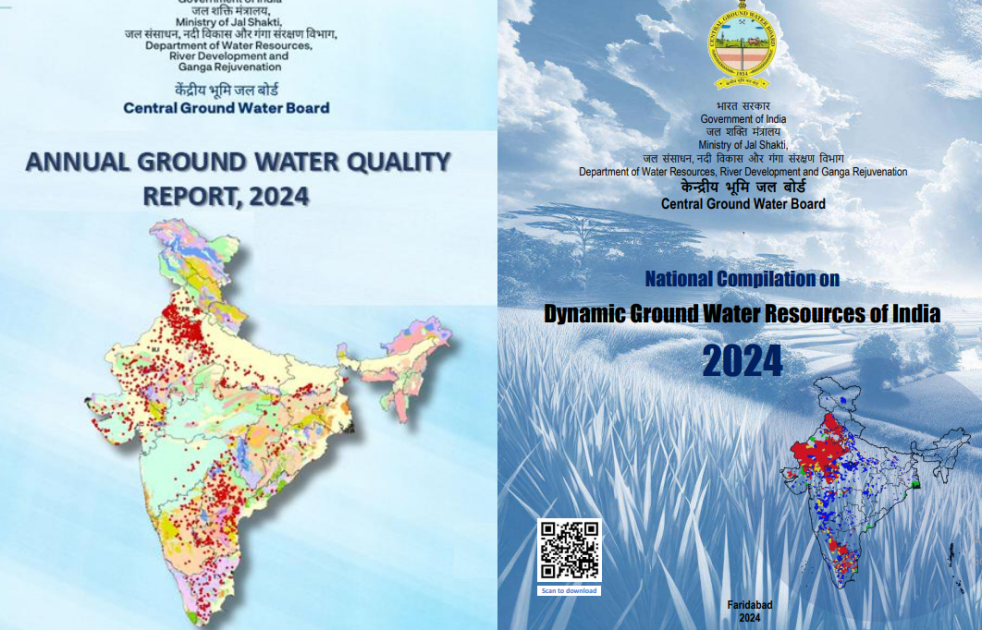
The Central Ground Water Board (CGWB) released two important reports last week. While the Annual Ground Water Quality Report 2024 reveals rise in nitrate fluoride, arsenic and uranium contimination of groundwater resource in India, the Dynamic Groundwater Resource Assessment Report 2024 claims substantial rise in annual groundwater recharge and decline in extraction of the resource.
As per the first report, the number of districts affected by high nitrate levels in groundwater has gone up to 440 (near 56% of all 779 districts in country) from 359 found in 2017 assessment which means in 7 years 81 more districts have been found having excessive nitrate levels in groundwater. This should concern us from a number of points of view.
Continue reading “DRP NB 060125: Concerns about & Contradictions in CGWB’s Reports”2024: Has NDSA made our dams any safer?
(Feature Image: Srisailam dam in Telangana. Source: Telangana Today)
This annual overview focusses on the functioning of National Dam Safety Authority (NDSA) and related institutions in 2024 to understand if the functioning of these institutions have made Indian Dams any safer? Here functioning of Central Water Commission (CWC) is also important as CWC people head all the dam safety panels. The dam safety related institutions were formed following the passage of Dam Safety Act 2021 and hence there were promises and hopes that these institutions will make our dams safer.
Continue reading “2024: Has NDSA made our dams any safer?”2024: Dam Induced Floods in India
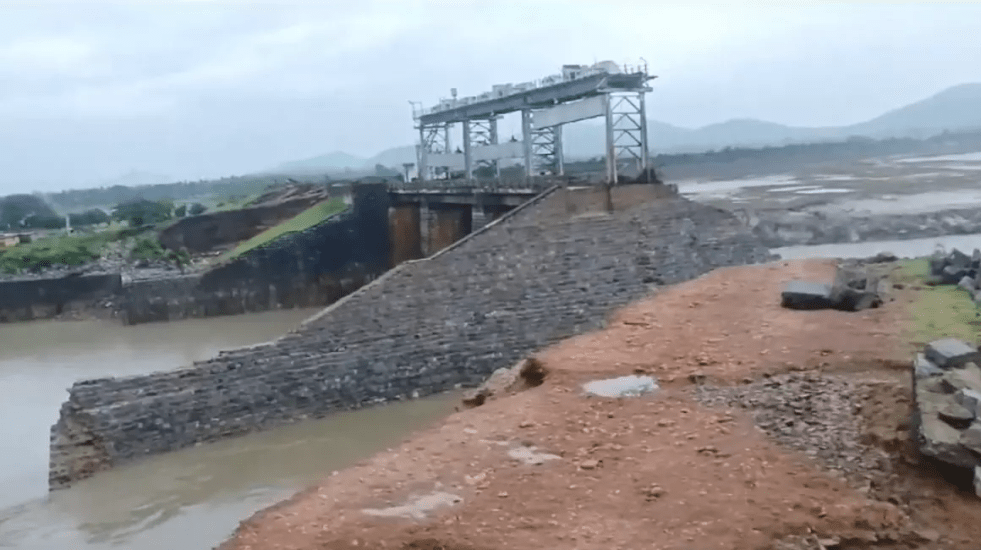
(Feature Image: Breach in the earth dam of Peddavagu project flooded several villages in Telangana & Andhra Pradesh on July 17, 2024. Source: DC)
India has seen several manmade flood disasters during the 2024 monsoon. The mismanagement of dams in Narmada valley including Bargi, and SSP inundated several dam affected villages despite adequate actionable advance warnings. The uninformed excess releases from DVC dams have led to flooding in large areas in West Bengal as repeatedly raised by the state government. The extensive floods in Tripura have revealed glaring loopholes in flood prevention and disaster management.
The floods in the year have also washed away or damaged several earthen dams, tanks in Madhya Pradesh and Rajasthan affecting human population, agricultural lands in their vicinity. Even during Northeast monsoon, the sudden releases from Sathanur and Veedur dams in Tamil Nadu created avoidable flood damage in downstream areas. Similarly, the states of Gujarat, Telangana, Haryana and Delhi have seen deluge due to mismanagement or breaches in the canals. The case of Narmada canal waters flooding large areas of Little Runn of Kutch is quite concerning.
Continue reading “2024: Dam Induced Floods in India”DRP NB 14×24: Big Dams, Long distance water will not solve Urban Water Crisis
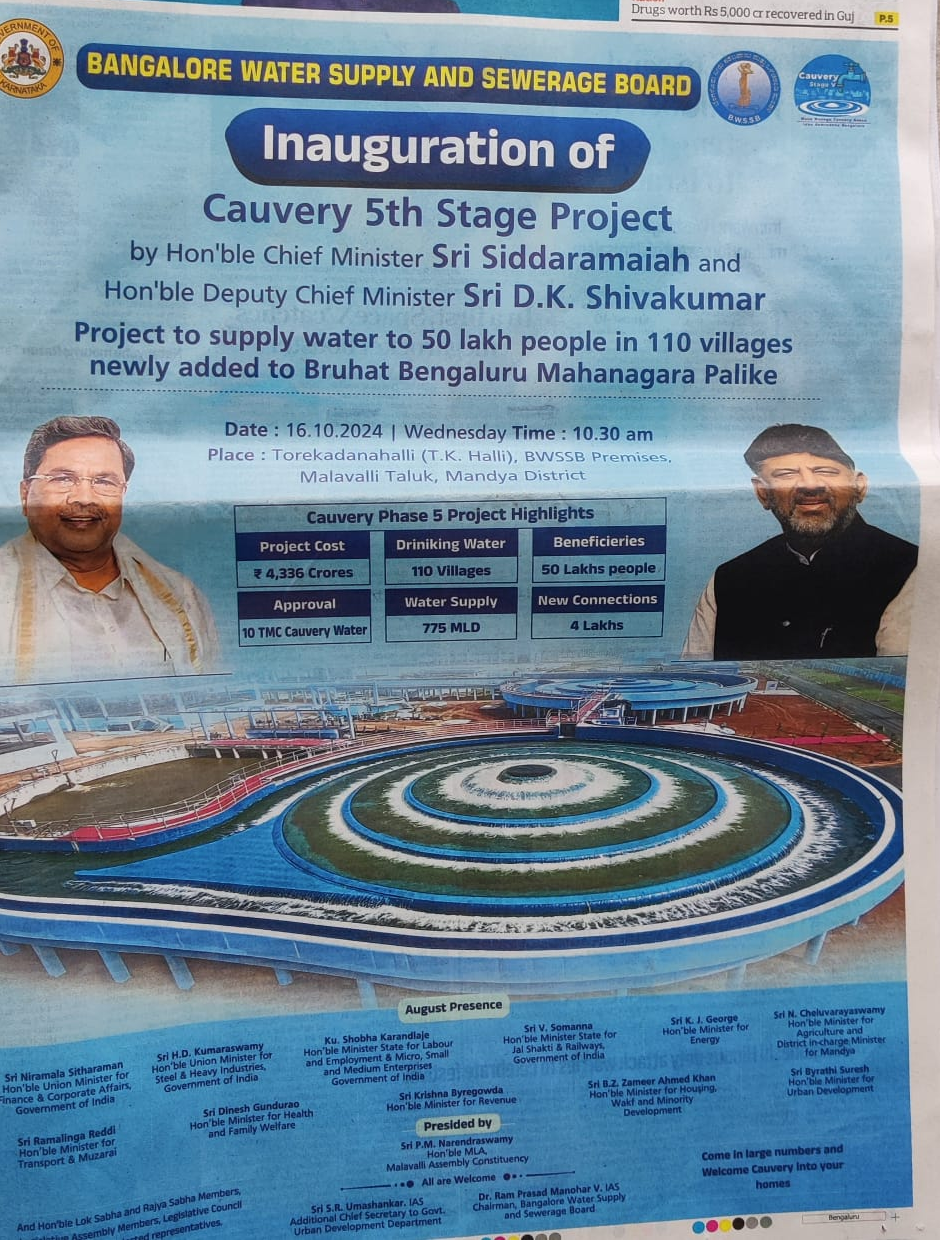
In a pointed article this week, Sachin Tiwale rightly writes that Mumbai does not need more dams, but needs to fix the distribution of more than enough water that it gets currently. Same is the case with highly capital and energy intensive 5th stage of Cauvery Water Supply being inaugurated on Oct 16 by the Karnataka Chief Minister and Deputy CM for Bangalore, advertised through full page advertisements today (Oct 14) in newspapers in Bangalore.
What the India’s cities need is to exhaust the potential of local water resources, including rain water, local water bodies including rivers, groundwater recharge, recycle and reuse of treated sewage and also demand side measures, including fixing the distribution and reducing transmission and distribution losses. All of this needs attention through a National Urban Water Policy that will also fix the Urban Water Governance.
Continue reading “DRP NB 14×24: Big Dams, Long distance water will not solve Urban Water Crisis”DRP NB 300924: Focus on River Studies
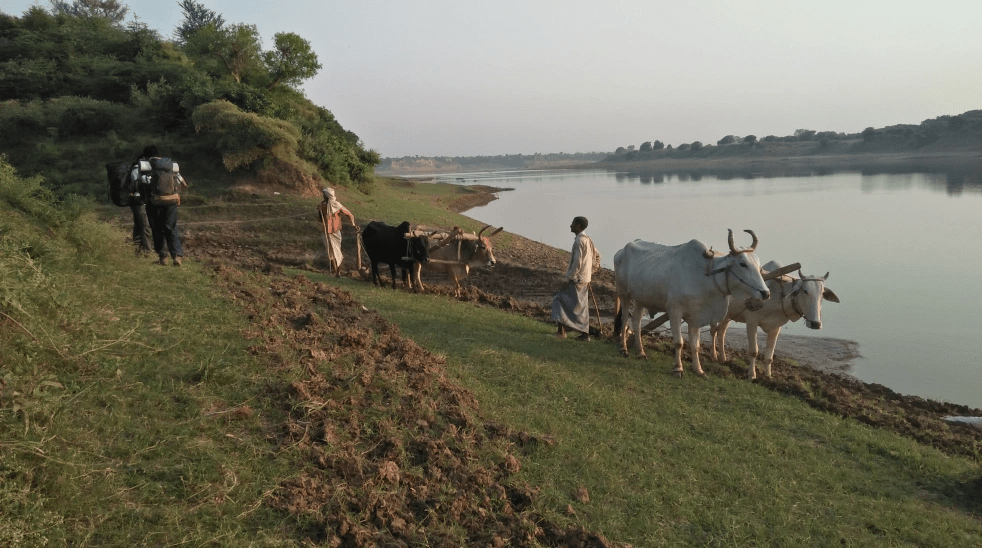
Rivers are the most important ecosystems (eco here includes ecology and economy) and yet possibly least studied entities. Some news below this week about some river studies brings the focus on need to take up many more river related studies.
Most important aspect of river related studies is the need for credible, independent studies, not influenced by the needs of the governments. Otherwise, the government is likely to not only influence the study, but also decide not to make it public as they did in case of the studies related to Joshimath town and role of Chamoli disaster.
Continue reading “DRP NB 300924: Focus on River Studies”Andhra Pradesh: Prakasam Barrage Damaged by ‘Sand Boats’ Again
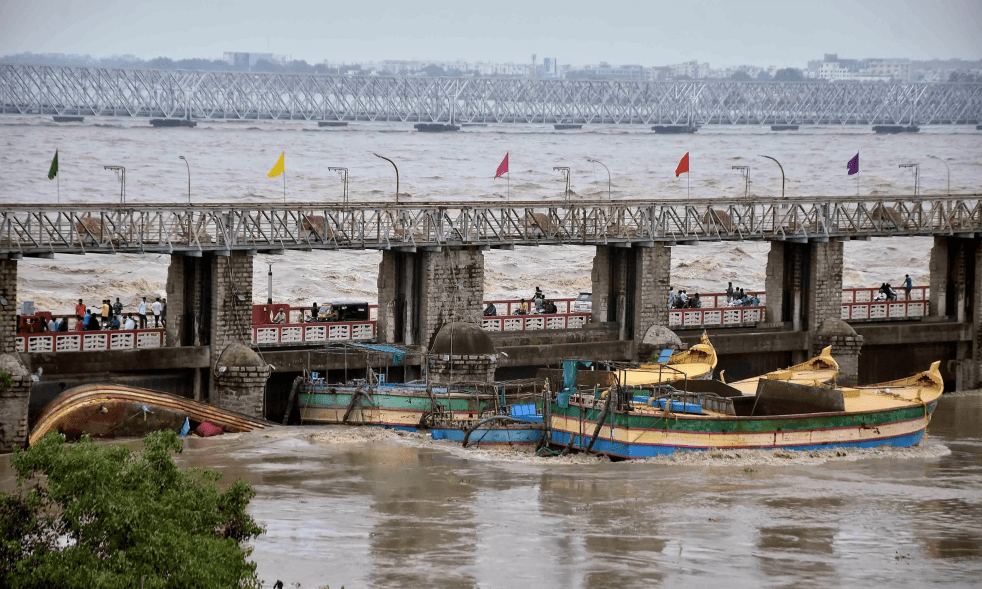
(Feature Image: Sand boats hit Prakasam Barrage gate no 69 while irrigation officials release 11.24 lakhs cusecs of flood water in Vijayawada on Monday (Sept. 02, 2024). Image Source: Deccan Chronicle)
Amid the unprecedented flood spell in Krishna river passing through the Prakasam barrage located in Vijaywada city of NTR district in Andhra Pradesh, an incident of ‘sand boats’ getting stuck and damaging the barrage in early morning of Sep. 2, 2024, has been reported. The number of boats varied from three to five. The incident became a cause of worry for the structural safety of the barrage.
The New Indian Express report mentioned above reported, quoting irrigation officials that all 70 gates of the barrage were lifted at 2200 hours on Sept. 2, 2024, passing 11.03 lakhs cusecs of water, highest in 70 year history of the barrage. The report stated: “Previously, the Krishna River saw historic floods from October 2 to 13, 2009, when the maximum inflow recorded at Prakasam Barrage was 11,10,404 cusecs at 11 pm on October 5.”
Continue reading “Andhra Pradesh: Prakasam Barrage Damaged by ‘Sand Boats’ Again”Tungabhadra Dam: A Crest Gate washed away in August 2024
In a major dam related disaster at around 10.50 pm on Aug 10, 2024[i], one of the crest gates at the Tungabhadra dam has broken[ii] near Hospete in Vijayanagara district in Karnataka, causing the release of 70,000 to 100,000 cusecs of stored water. The chain on the 19th (of total 33 gates) gate of Tungabhadra dam on Tungabhadra river, part of Krishna River Basin, got cut, snapped and was washed away about 100 m from the dam on Saturday. The chain that was used to operate the gate snapped as the welding gave way. The Tungabhadra gates only have chain and not chain and rope as in some other dams. The force of the water in the dam swept the 60-foot-by-20-foot gate, weighing around 20 tonnes, some 500 ft away, J Purushottham, president of the Tungabhadra Farmers’Association, said. This possibly happened due to heavy flows, but also due to wear and tear of over 70 years of operation of the dam. A temporary stop log gate is now being planned, as permanent crest gate will take time.
The disaster raises a number of questions about the operation and maintenance of the dam.
Continue reading “Tungabhadra Dam: A Crest Gate washed away in August 2024”