Dam Disaster · Dam Safety · Dams, Rivers & People

Kaleshwaram Project 2025: Inquiries Done, Actions Missing

Continue reading “Kaleshwaram Project 2025: Inquiries Done, Actions Missing”
Dam Safety

2025: Dam Safety Issues in India

Continue reading “2025: Dam Safety Issues in India”
Hydro Disaster

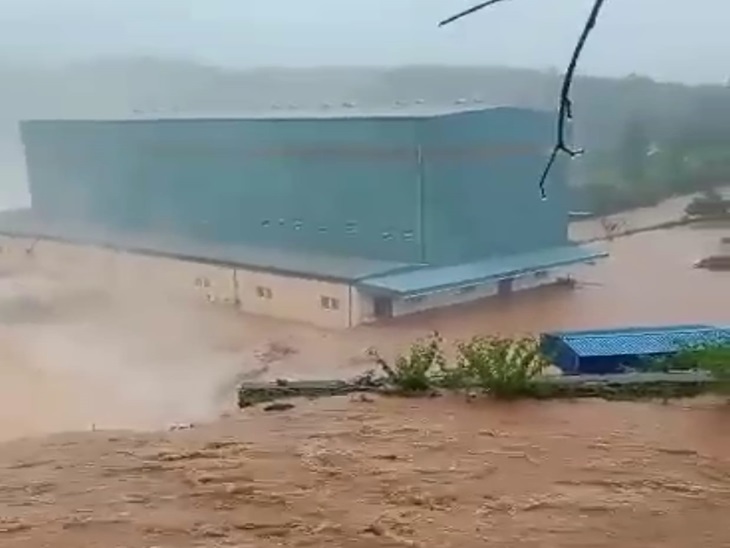
August 2024: Mismanagement Damages Mahan-III HEP In Chhattisgarh

Continue reading “August 2024: Mismanagement Damages Mahan-III HEP In Chhattisgarh”
Dams · decommissioning

Why India needs Dam Decommissioning policy and program

India’s Dams and decommissioning As per the Parliamentary Committee for Ministry of Jal Shakti, in its 20th report dated March 2023[i], the committee had asked the Department of Water Resources, River Development & Ganga Rejuvenation under the Ministry of Jal Shakti about the mechanism put in place in India to assess the viable lifespan and performance of dams and projects, which has a direct bearing upon the consideration for dam decommissioning. The Department had replied: “There is no mechanism to assess the viable lifespan and performance of dams… However, no information/recommendation from the dam owners has been submitted for de-commissioning of any of their dams.”

Continue reading “Why India needs Dam Decommissioning policy and program”
Dam Safety

Dam Safety Act & the role of Dams in the 2023 HP Floods

In order to have high standards of dam safety the prerequisites are designing and constructing dams with reasonable safety margins; operating and maintaining them safely; and having emergency arrangements to address situations that might arise. Operation of dam within its ambit also includes thorough understanding of likely impacts and its management in case of flooding, in any emergency situation or in the event of dam failure, both upstream and downstream on communities living there, their livelihoods and also on infrastructure and property which can get affected. In fact in many countries like Sweden and in many states of the USA, a dam is assigned a dam safety class i.e. A, B or C depending upon the significance of the damage that might occur in case of dam failure, class A being assigned to dams whose failure might cause significance loss of public life and property. Dam safety requirements are calibrated accordingly and a higher burden is put on dam owners of higher class, concerning safety management system, emergency plans, overall assessments, and annual dam safety reporting.

Continue reading “Dam Safety Act & the role of Dams in the 2023 HP Floods”
Dam Disaster · Madhya Pradesh

Bharudpura Dam in MP faces disaster after first filling in Aug 2022

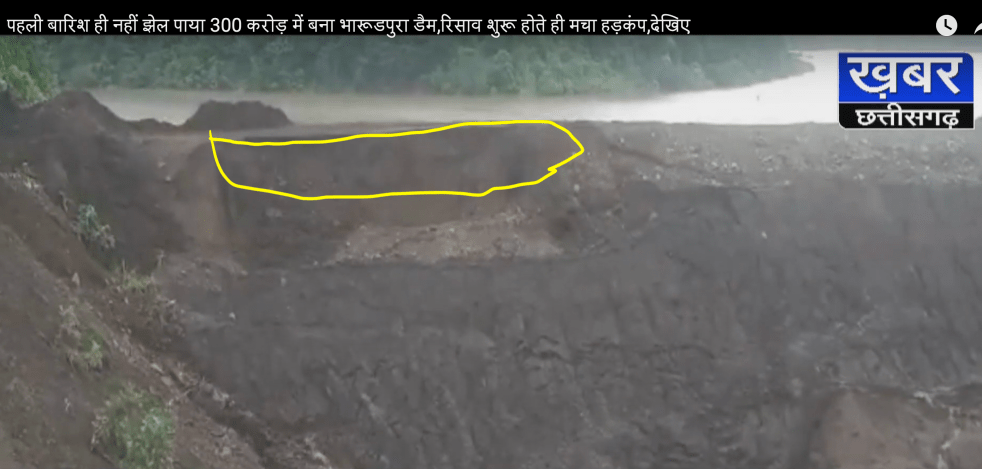
Bharudpura dam (also called Karam dam) on Karam river, a tributary of Narmada river, near Gujari village in Dharampuri Tehsil of Dhar district of Madhya Pradesh faced major disaster after the very first filling in August 2022 when there was seepage from and massive erosion of the dam wall starting from Aug 11, 2022. The disaster at the Rs 304.44 crore project whose construction started in 2018 created a major turbulence in Madhya Pradesh with allegations of sub-standard work, corruption and attempts to hush up the safety issues. As a precaution, the administration has on Aug 12, 2022 vacated 12 downstream villages in Dhar district and 6 in Khargone district[i] and stopped traffic on roads close to the dam[ii]. Dhar Collector also said that the efforts to stop the seepage were not successful and that possible reason for erosion is the use of black rather than red soil in the construction of the earthn dam.

Continue reading Bharudpura Dam in MP faces disaster after first filling in Aug 2022
DRP News Bulletin

DRP NB 17 Jan. 2022: Urban Water Mess visible in advocacy for Renuka and Mekedatu dams

This week brings heightened advocacy for major dams in the name of Urban Water supplies for cities that have no water policy, no worthwhile good water governance, but are happy demanding more and more water projects from further off places to cater to its unjustifiable demands. This is the underlying theme both in case of Renuka dam for Delhi and Mekedatu dam for Bangalore.

Some media reports are talking about need for additional storages, but in this advocacy there is no place for either efficient use of existing water storages, nor place for decentralised water storage options or underground water storage options, leave aside inclusion of soil moisture, which is a major storage option too.

Continue reading “DRP NB 17 Jan. 2022: Urban Water Mess visible in advocacy for Renuka and Mekedatu dams”