Climate Change · Dams · Floods

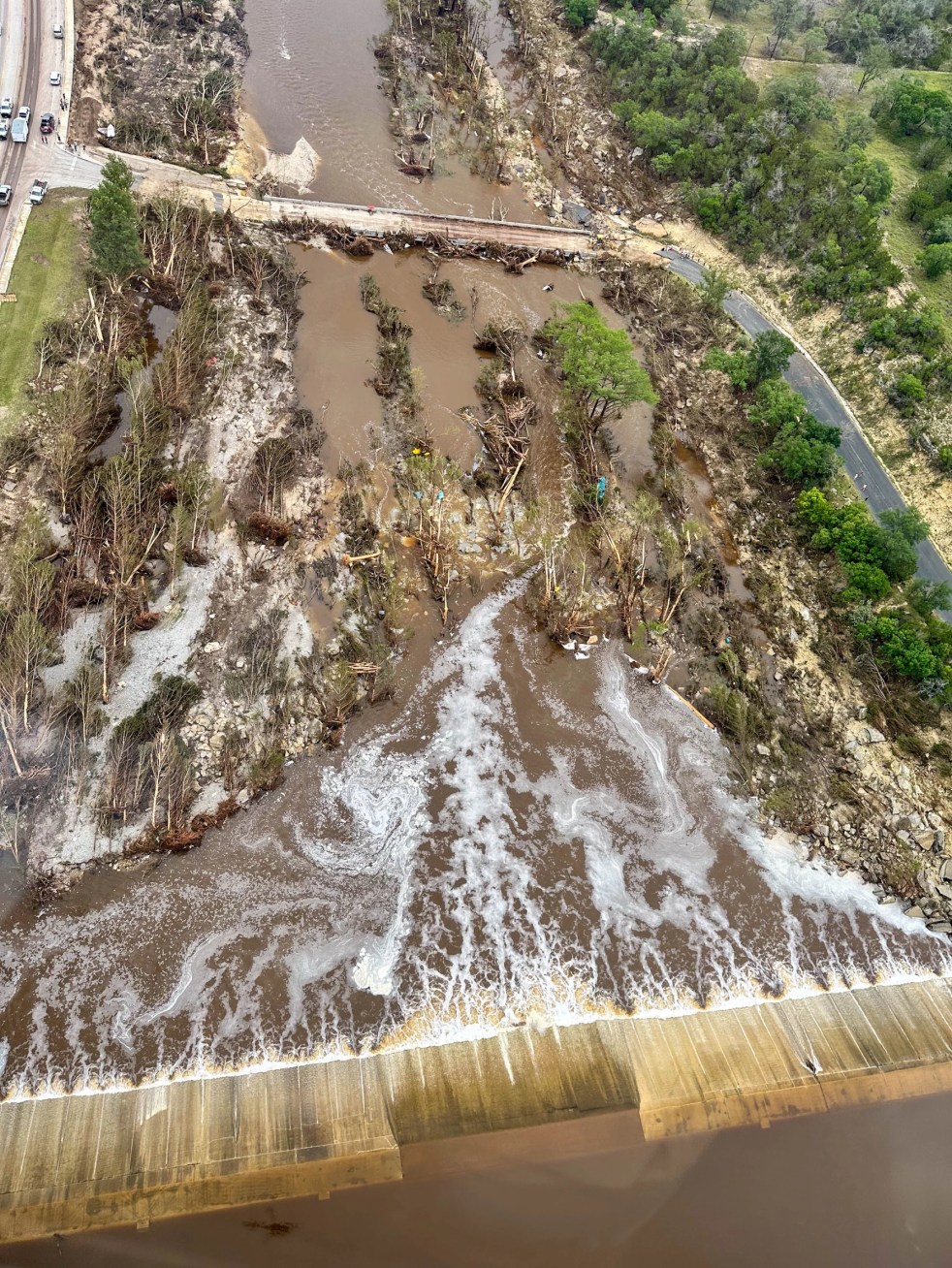
Guadalupe River Floods: Understanding the tragedy along ‘The Most Dangerous River valley in the USA’

“This is the most dangerous river valley in the United States, we deal with floods on a regular basis.” – Kerr County judge, Rob Kelly about Guadalupe River[i], 5th July 2025

“If you live in the Guadalupe River Basin, you also live in one of the three most dangerous regions in the U.S.A. for flash floods!”[ii] – Opening Statement of “Staying safe: A Guide to Flooding in the Guadalupe River Basin[iii]” published by the Guadalupe River basin Authority

Flash Flood Watch Alert from National Weather Service received 3 hrs 21 minutes ahead of the devastating “30 feet high tsunami ball of water[1]”.

“If you do not want to be flooded, do not build or live in a floodplain”Guadalupe-Blanco River Authority

And yet, several summer camp buildings built on not only floodplains, but on extremely dangerous floodways[iv]. more than 27 children lost to floods.

Continue reading “Guadalupe River Floods: Understanding the tragedy along ‘The Most Dangerous River valley in the USA’”
Groundwater · Photoblog · Rivers and Culture · Urban Rivers · Urban Water Sector · USA

Celebrating 30 years of protecting a Spring in a City

On the August 7 2022, more than 1500 Punekars made their way to the Hills of the city and came together to protect “Tekdi” from multiple shortsighted developmental pressures. Hills of Pune are the last bastions for urban wild spaces and are also the watersheds for several streams flowing in the city, now bundled under the misnomer of Nallas or drains.

Continue reading “Celebrating 30 years of protecting a Spring in a City”
Dams

“Streams don’t like to be in Channels” Interview: Stream Restoration, Austin Watershed Protection Department

I was standing in a waste dump, with pigs, garbage and dumped clothes all around me when Mr. Shailendra Patel told me to take off my shoes.

Just a few steps ahead of me was a miracle.

In the midst of the dump, Mr. Patel went down to a sparkling spring of clear water and kneeled down. This was a living stream in the heart of Pune city, with “development” all around, with a sewage carrying nallah flowing right next to it. Crystal clear water gushed out of rock crevices, there was a small sandy pool with tiny fish, water skaters and a desolate looking statue of a jaldevata on a stone ledge.

sahileshGandhi
Shailendra Patel at a stream in Bavdhan, Pune Photo: Parineeta Dandekar

Mr. Patel talked with ladies with their washing loads who came to the spring, with school children running past, late for the school, with construction workers brushing their teeth nonchalantly next to the spring. The problem was he could not talk with the people who stayed in huge apartment complexes right next to the spring. They find the place too filthy, despite the fact that the tankers that supply water to complexes fill up from springs like these.

One more problem was that the Pune city does not recognise existence of such springs and the City Development Plan has not marked this as a spring or stream. It is up for grabs. A building complex will be built over this at any time.

This led me thinking, how does a city recognise &  protect living streams and springs? How can we make the city development  plan leave them out of development activities? Are there examples where this happened somewhere? Continue reading ““Streams don’t like to be in Channels” Interview: Stream Restoration, Austin Watershed Protection Department”

Dams · Urban Water Sector

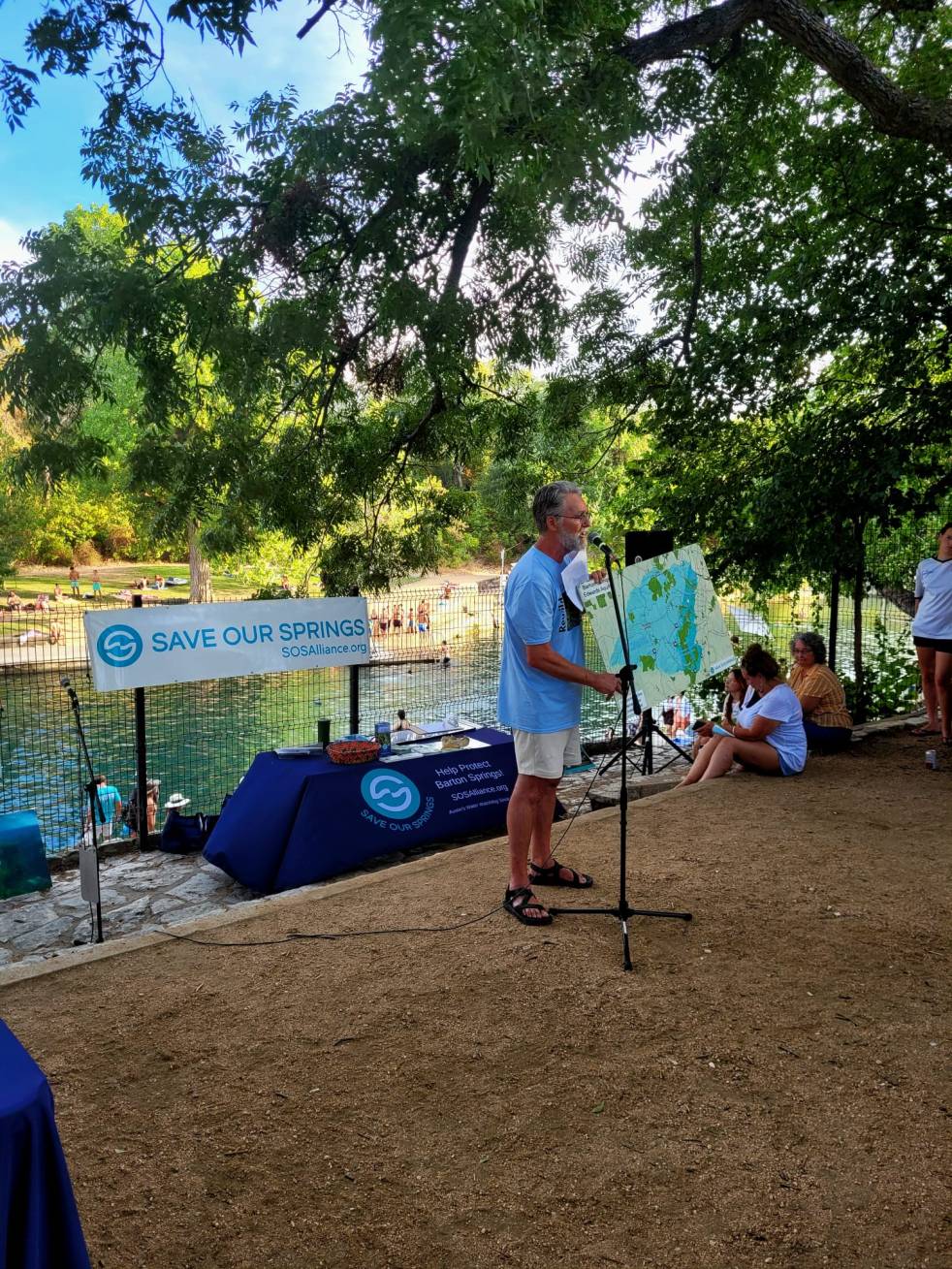
Watershed Protection in Austin: Governance structures we can learn from

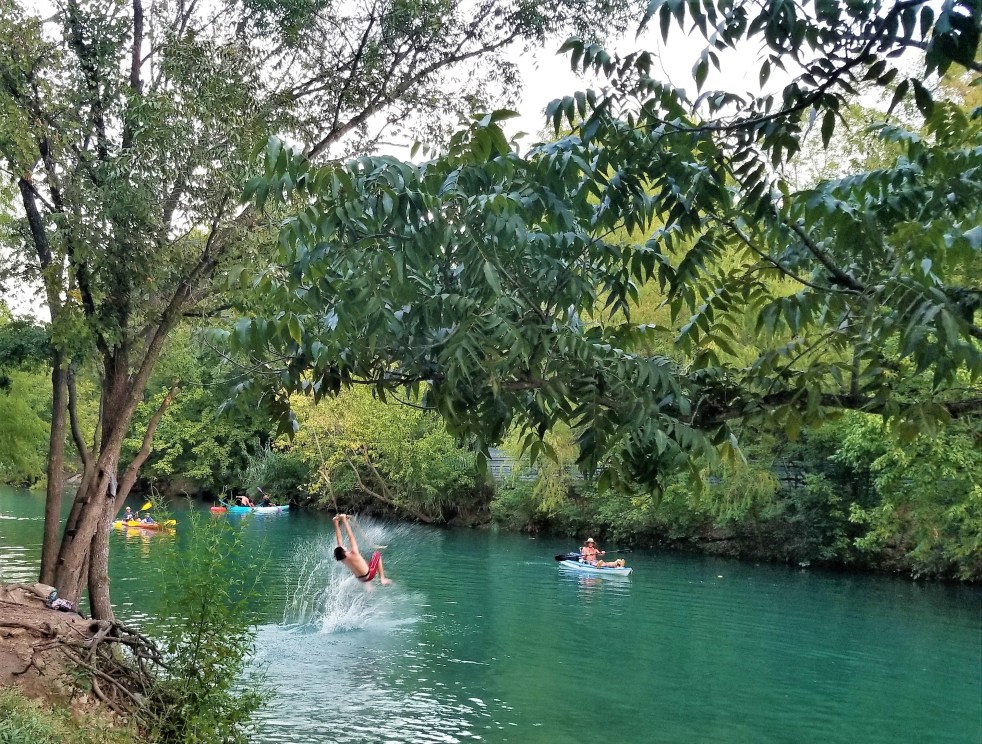
“I swam in the Barton Springs 20 years back. Austin saw explosive growth in these years and is one of the fastest growing cities in the US currently. I can still swim in the Barton Springs. I think this is the single biggest contribution of the Watershed Protection Department.”-Denise Delaney, Environment Program Coordinator, Watershed Protection Department, Austin, Texas.

When I came into Austin, the state Capital of Texas, Indian rivers were firmly on the mind. Pune River Restoration Plan was kicking up. The legal battle against a road inside the Pune riverbed was getting a favourable order from NGT. People of Delhi were fighting their long-drawn battle for protecting the floodplains of Yamuna. A huge People’s rally was held in Mumbai to protect the Dahisar River, which to some would appear beyond redemption. Bangalore Lakes were on fire again. People are looking for solutions, but transparent responsive governance around rivers seems like the biggest missing piece in the puzzle. Continue reading “Watershed Protection in Austin: Governance structures we can learn from”