“Wetlands and traditional knowledge: Celebrating cultural heritage” is theme for global World Wetlands Day (WWD) 2026 celebrated annually on Feb 2. On the occasion, we share reports about 21 Ramsar wetlands from various Indian states underlining the worsening plight of Ramsar sites in India. This does not necessarily mean that the Ramsar wetlands not listed here are in any better state, it only means that media attention has not brought their stories in public domain with sufficient prominence. The state of Ramsar wetlands in India clearly shows complete lack of any governance in place to ensure that the Ramsar sites get protection from degradation, threats and destruction. Worryingly, even Ramsar Convention seems completely disinterested in doing anything to ensure protection of the wetlands that get Ramsar tag.
Marking World Fisheries Day (WFD) 2025, we present some of important studies and reports highlighting the growing threats over freshwater fish species in India and across the globe. The multi-taxon global freshwater fauna assessment for The IUCN Red List of Threatened Species published this year is among most concerning report revealing looming extinction threats over 24% of freshwater fauna worldwide. This includes the hump-backed mahseer, subterranean snakehead and peninsular hill trout found in rivers and waterbodies of Western Ghats.
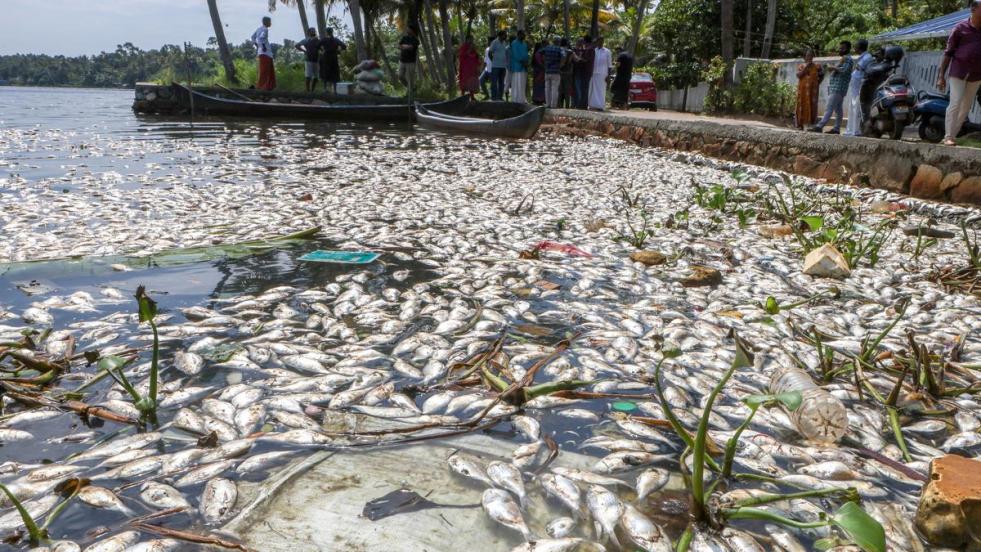
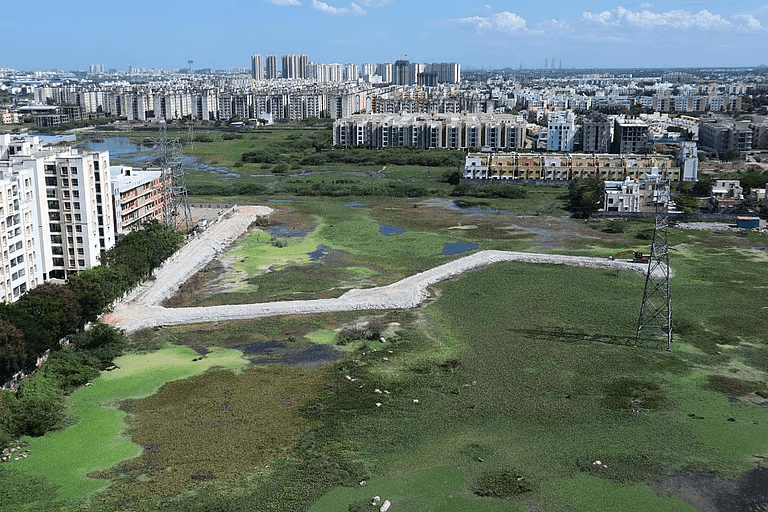
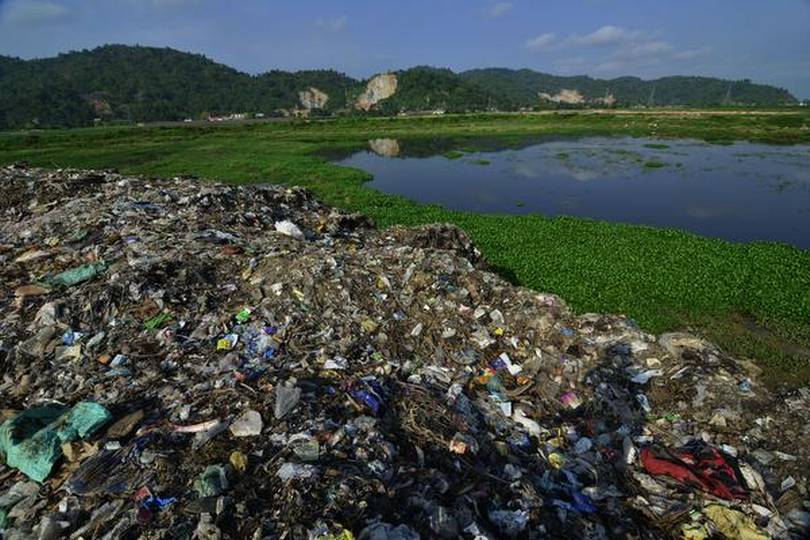
Indian government seems focusing more on increasing Ramsar wetlands number than ensuring the protection and conservation the existing Ramsar sites in country. Over the past one decade the numbers of Ramsar wetlands in India have sharply gone up from 26 in 2014 to 89 as of January 2025. Amid the thrust to increase the number, several existing or even recently declared Ramsar wetlands across the country have been facing multiple threats mainly due to governmental projects and constant negligence from the concerned authorities as can be seen from the reports from 2024 in this annual overview.
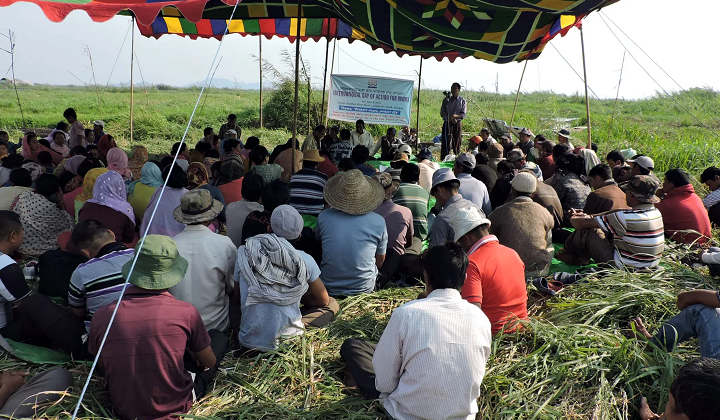
(Feature Image: Loktak fishers holding meeting at Champu Khangpok floating island village. Photo Credit: Vikalp Sangam)
World Wetland Day (WWD) is celebrated on February 2 annually to signify the environmental as well as socio-economic services and benefits provided by the wetlands both natural and man-made water bodies including rivers, lakes, ponds, reservoirs, swamps, marshlands deltas, coral reefs and mangroves. The theme of WWD 2024 is ‘Wetlands and Human Wellbeing’.
Ramsar Wetlands Convention selects Wetlands of International Importance, basically depending on nominations of the respective national governments and includes them under what is also known as the Ramsar List. However, it is not clear what exactly the Ramsar does for the protection of such designated wetlands. There are currently 75 Ramsar wetlands in India. In fact, the Ramsar sites have seen nearly a three-fold rise in the country in the past eight years decade (26 in 2014 to 75 in 2022). The complete list of 75 Ramsar wetlands in India can be seen here. The state of large number of these designated Ramsar Wetlands is pretty sad for years and decades and deteriorating, but it is not known if Ramsar convention is doing anything in this regard.
Wetlands are important part of hydrological cycle and play critical role in water purification, climate moderation, biodiversity conservation and flood regulation apart from offering innumerable environmental services to aquatic, wildlife and human beings for which they are also referred as ‘kidneys of the earth’. There are more than 2 lakh wetlands in India covering nearly 4.6 per cent of its geographical area. Despite their essential services and significance, the already neglected wetlands eco-system have been facing multiple existential threats.
As part of its annual overview for 2021, SANDRP in three part series attempts to highlight the state of wetlands in India during past one year. This first part compiles the 10 top critical reports representing the present day status of wetlands across the country. The second part would cover various actions and initiative taken by the state governments and central government all through 2021 impacting the wetlands. The final part would deal with the judicial interventions on wetlands.
Out of six states/ Union Territory in South India, three stares have five Ramsar wetlands sites which include one each in Andhra Pradesh and Tamil Nadu and three in Kerala. There are no Ramsar wetlands in Telangana, Karnataka and Puducherry. In order to understand and highlight the present day situation of Ramsar sites in India, SANDRP has compiled information on all 37 wetlands under North, West, North East and East zone. This account in the series describes the threats affecting the Ramsar sites in South Indian States.
State wetlands face multiple threats In March 2017, a book titled “Biodiversity Richness of Kerala” revealed that riverine ecosystem of Kerala were subjected to human pressures in form of deforestation, land use change, construction of dams, roads, encroachments and mining affecting water holding capacity of the catchments and leading to drying up the rivers and wetlands. Kerala constituted only 1.18 per cent of India’s geographical area but it accommodated 25.69 per cent of the flowering plants in the country. In 2004, Kerala had around 328,402 hectare of wetlands which over the years had fallen to 160,590 hectare dramatic 49 per cent decrease. http://www.business-standard.com/article/news-ians/kerala-wetlands-face-multiple-threats-says-book-117030200590_1.html (Business Standard, 2 March 2017)
Mining posing threat to mangrove forests In Feb. 2017, the district environment committee of the Kerala Sastra Sahithya Parishad alleged that the mineral sand-mining activity carried out by the public-sector Indian Rare Earths along Vellanathurutu in Alapad panchayat was causing widespread damage to the naturally growing mangrove forests in the area. Calling for immediate ban on mining activity the committee complained that a destructive mechanical process was being applied in the area instead of applying the more eco-friendly beach washing method of mining. According to committee the activity had already destroyed over 2 ha of mangrove forests at estuary where the Pallikkal River met the sea. At least 12 mangrove species, some of them threatened or endangered, were growing in the region. http://www.thehindu.com/todays-paper/tp-national/tp-kerala/Mineral-sand-mining-posing-threat-to-mangrove-forests/article17281729.ece (The Hindu, 10 Feb. 2017)
The mining area of the Indian Rare Earths at Vellanathuruthu where mangrove forests have been destroyed. (Image Source: The Hindu)



 SANDRP