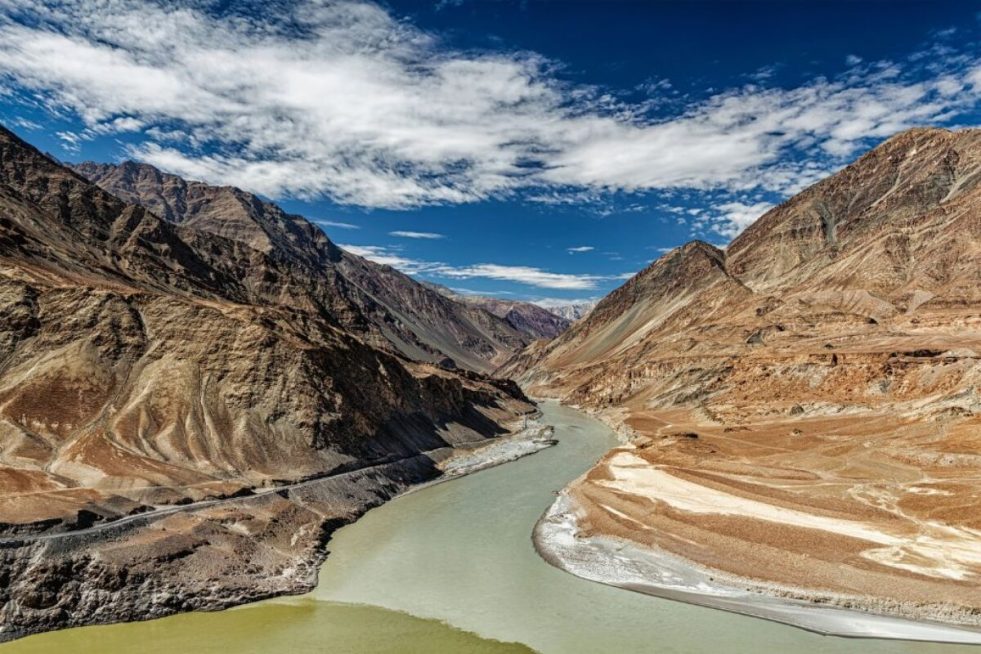
INDUS RIVER: Stephen Alter, in his article “With the River by My Side” says about Indus River that some rivers are older than the landscape through which they pass: “Nowhere is this clash between hydrological and geological history more apparent than along the Indus, as it passed through Ladakh. This seemingly eternal river has followed its winding course since long before the Himalaya were formed, tossing and tumbling over. Boulders, stones and pebbles that the water polishes and grinds into sand. Eroded flanks of the mountains on either side of the river are scarred and twisted by tectonic forces that lifted giant slabs of rock more than eight kilometres into the clouds but failed to block the persistent flow of the Indus. Driving along the highway that runs parallel to the river, from Leh to Kargil, it feels as if the landscape is a timeless epic that the waters of the Indus have etched in stone.”
Continue reading “DRP 16 June 2025: “Indus River older than its landscape, Himalayas””Category: Groundwater
The Moon River: People’s Story of Chenab
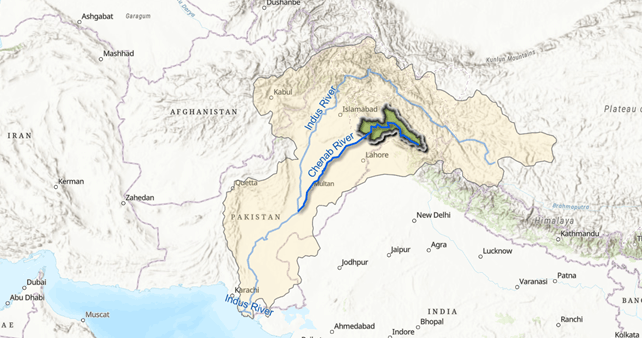
Chenab, which translates as the Moon River is the largest of the five tributaries of River Indus. It flows for about 974 kilometers from the High Himalayas of Lahaul to the forests of Jammu and Kashmir and onto the plains of Pakistan. Its main tributaries in India include Miyar, Marusudhar and Tawi. In the vast plains of Punjab in Pakistan, it is met by Jhelum, Ravi and Sutlej to form the mighty Panjnad before it meets the Indus. Its catchment, spread across 67,430 km2, is shared between the two countries.

Chenab is Chandrabhaga (Crescent Moon) in its headwaters. It was the River Asikni in Rigveda, and the Acesines for the ancient Greek. From sparse mountain settlements of Lahaul to the bustling urban centers of Sialkot, more than 10 million people live and prosper along the Chenab. Hydropower projects operational and under constructions on the river have an installed capacity of more than 5000 MW (Central Electricity Authority 2024), and its canals irrigate hundreds of thousands of acres in Pakistan and India (Shakir et al).
Continue reading “The Moon River: People’s Story of Chenab”World Water Day 2025: Positive Farmer Efforts in India
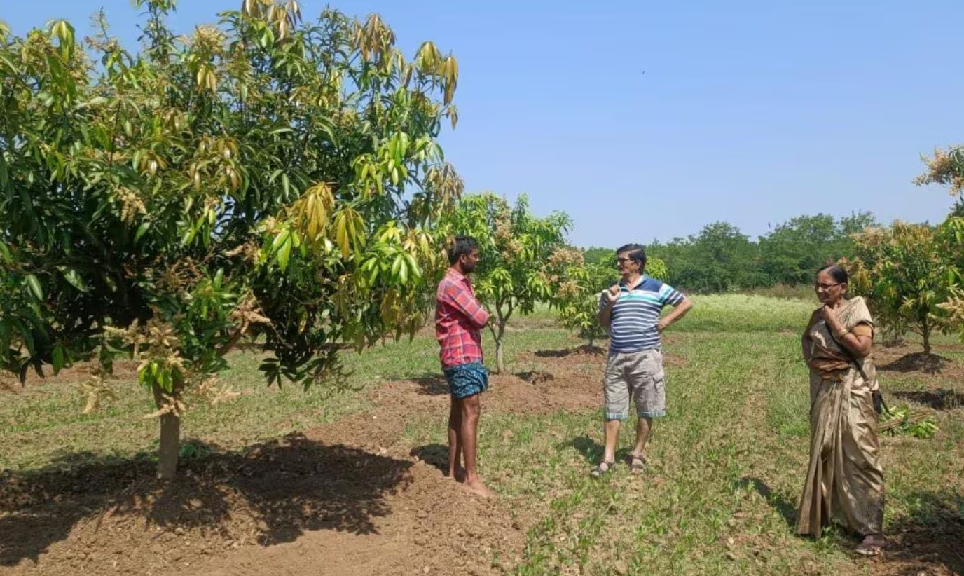
(Feature Image: Horticulture cultivation in Punjab records a 42% increase in area and four-fold increase in produce value in a decade. Source: Express File Photo)
Aiming to advocate sustainable management of freshwater resources, the day of March 22 is annually celebrated as World Water Day across the world since 1993. The theme for this year’s 33rd such event is Glacier Preservation. Since agriculture sector is biggest user of surface as well as groundwater, SANDRP marks the day by presenting top ten reports which highlight the water efficient practices being adopted by farmers and some of these also being supported by the governments in India during 2024.
Continue reading “World Water Day 2025: Positive Farmer Efforts in India “2024 Bengaluru Groundwater: Top ten Reports: Problems, Causes & Solutions
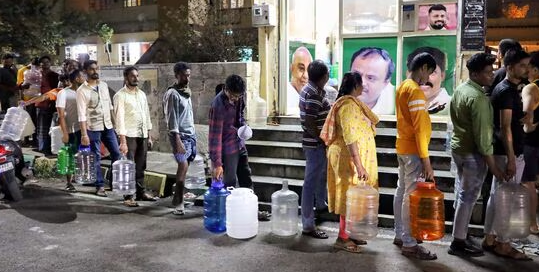
(Feature Image: People stand in a queue with water cans to get drinking water at Jnana Jyothi Nagar, in Bengaluru. Image Source: PTI/Live Mint, 10 March 2024)
This annual overview complies the top ten reports regarding the continual depletion in groundwater levels in Bengaluru, the factors responsible for it and its impact on the citizens. It also highlights relevant steps taken by government agencies and some cost-effective sustainable alternatives suggested by experts and civil society groups.
Continue reading “2024 Bengaluru Groundwater: Top ten Reports: Problems, Causes & Solutions”Urban Groundwater 2024: Top Ten Judicial Interventions
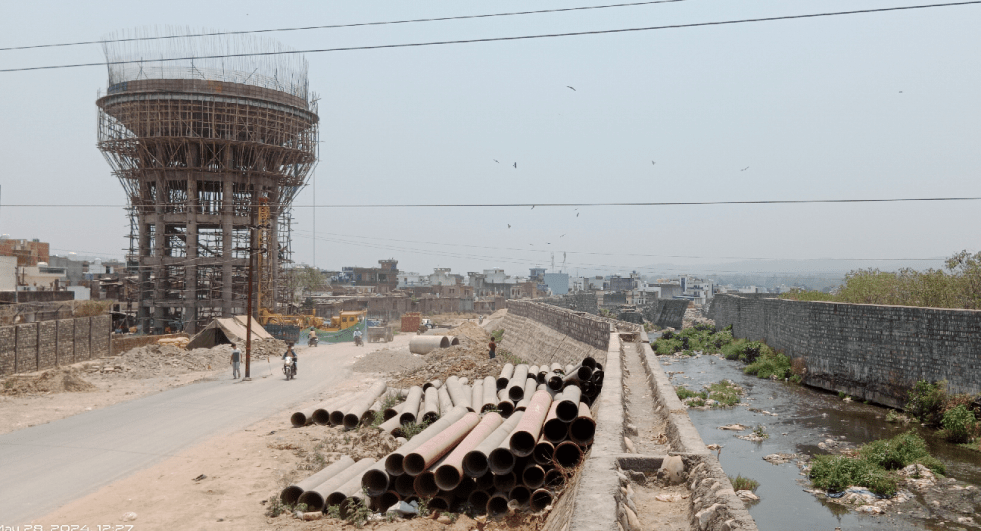
(Feature Image: Underconstruction overhead water tank along Bindal river in Dehradun. B. S. Rawat/SANDRP/May 2024)
This annual overview includes the top ten reports from 2024 on judicial interventions regarding groundwater in urban India. The overview shows that the judicial bodies, particularly the NGT, have been dealing with various cases concerning the violations of groundwater extraction norms, including permission, use of treated sewage and rainwater harvesting by residential projects, and groundwater pollution by landfill sites and industrial waste across the country.
The overview of the court proceedings broadly suggest that the concerned governing bodies have been showing casual approach when it comes to ensuring the compliance to norms and improve governance, thus failing to stop the depletion & contamination of GW in Urban India.
Continue reading “Urban Groundwater 2024: Top Ten Judicial Interventions”Urban Groundwater 2024: Top Ten Government Actions
(Feature Image: A tubewell installed under JJM scheme along dried up Tons river bank in Sahaspur, Dehradun. B. S. Rawat/SANDRP/May 2024)
This annual overview covers relevant media reports from ten cities, highlighting the groundwater management and recharge efforts made by the governments during 2024. The earlier overviews on the subject of Groundwater in India have focused on important studies done in 2024, general scenario on groundwater contamination & depletion, relevant government actions, significant judicial intervention and groundwater issues in urban India.
Continue reading “Urban Groundwater 2024: Top Ten Government Actions”Groundwater 2024: Urban Issues
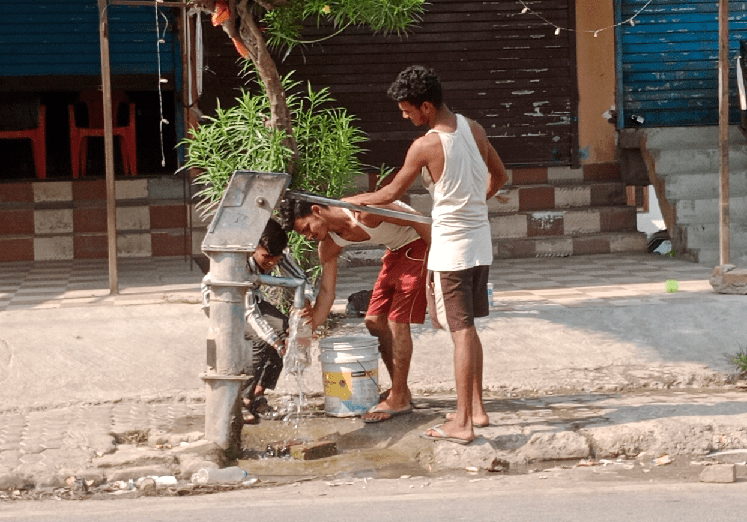
(Feature Image: Children extracting groundwater from a handpump in Dehradun. B. S. Rawat/SANDRP/May 2024)
This overview complies top ten reports from 2024 to highlight the growing concerns over groundwater depletion and contamination in various Indian cities. Though several cities in India are already being supplied surface water from dams and rivers, groundwater use is increasing to meet significant portion of potable water demand. The unabated unplanned urbanization on one side has been damaging the groundwater recharge functions, sources and on the other putting more pressure on surface and underground water resources. At the same time the cities have been failing to adequately treat wastewater and harvest rainwater. The situation is only deteriorating fast in absence of a National Urban Water Policy.
Continue reading “Groundwater 2024: Urban Issues”Groundwater 2024: Top Ten stories on how Depletion continues alarmingly
(Feature Image: A villager is taking his cattle through the bone-dry Nimi River, a tributary of Tons in Dehradun after feeding it water from a syntex tank placed in riverbed. The tank is filled with groundwater by a submersible installed on the bank of the river. B. S. Rawat/SANDRP/May 2024)
Like growing contamination of groundwater in India, its depletion is also increasing at alarming level as shows the top ten relevant reports from 2024 which we are able to compile in this third annual overview on the subject. At central level two reports on Atal Bhujal Yojna highlight that funds allocated for the flagship scheme have been grossly underutilized and the scheme is focusing more on meeting the deadlines and facing challenges in large scale community mobilization. The CGWB’s 2023 report published in June 2024 shows that the situation is worsening contradicting MoJS claim that the groundwater depletion situation is improving. About 87% of total groundwater extraction is used in farming.
Continue reading “Groundwater 2024: Top Ten stories on how Depletion continues alarmingly”Groundwater 2024: Top Ten Judicial Decisions
(Feature Image: A water conservation message painted on a wall in Dehradun. BS Rawat/SANDRP, May 2024)
This fifth part of annual groundwater overview covers top ten judicial interventions regarding groundwater in India in 2024. The first part of the overview compiles important groundwater studies published in 2024. The second part and third part have compiled the reports revealing rising contamination and depletion of groundwater resources in India. The fourth part has focused the top ten relevant decisions taken by various governments regarding management and conservation of the finite natural resource in the country.
Continue reading “Groundwater 2024: Top Ten Judicial Decisions”Groundwater 2024: Top ten Actions by Governments
(Feature Image: A water conservation message painted on a wall in Dehradun. BS Rawat/SANDRP, May 2024)
The fourth part of annual overview covers the top ten actions taken by central and various state governments regarding conservation and recharge of groundwater India in 2024. The 1st part of the yearend round documents important studies and the 2nd part and 3rd part highlights reports on the proverbial toxic-berg, rising contamination and depletion of groundwater quality in India. The fifth part covers top ten judicial interventions dealing with groundwater issues during 2024.
Continue reading “Groundwater 2024: Top ten Actions by Governments”