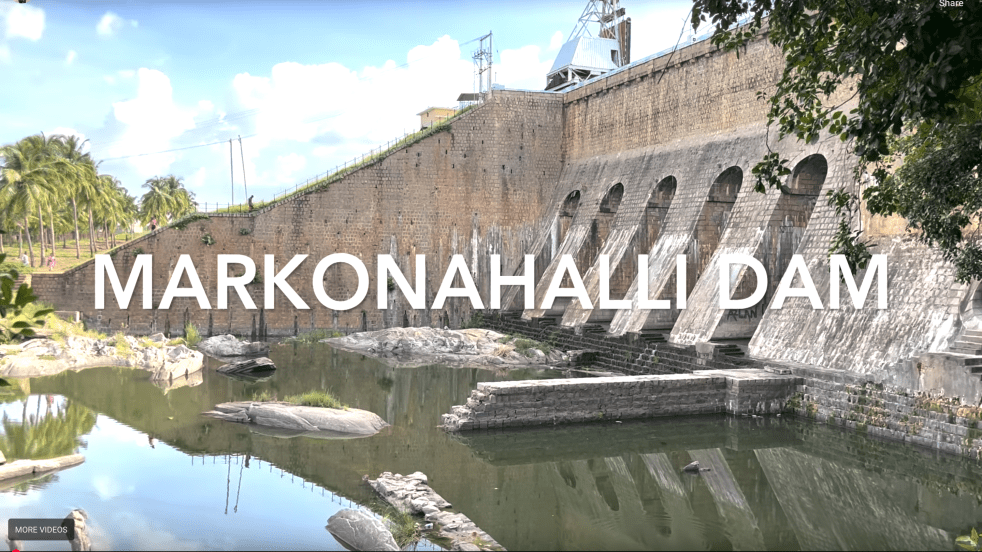
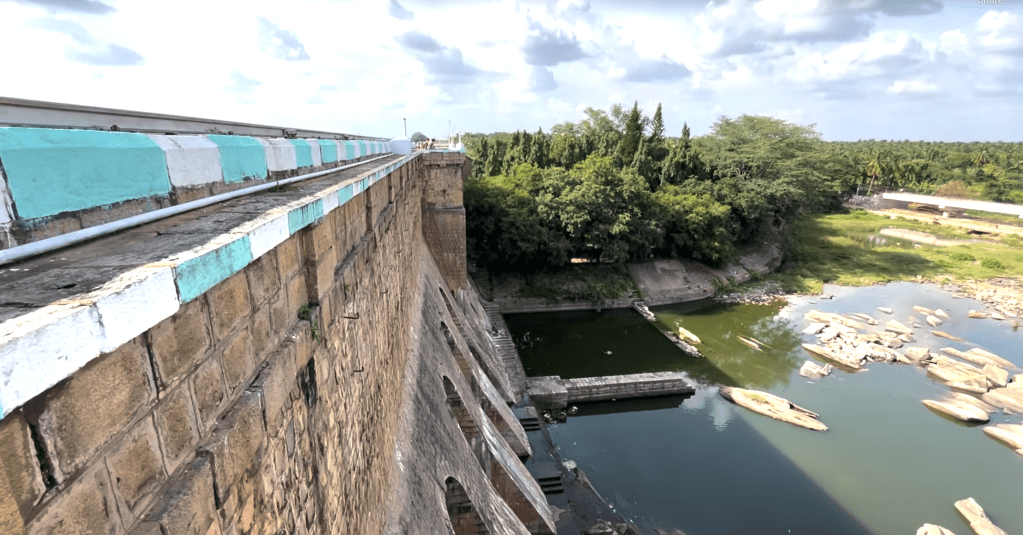
In a dam induced tragedy, six people died, of them four bodies have been found and two more are being searched for. This happened after gates of the Markonahalli dam across Shimsha river (a 221 km long tributary of Cauvery River) in Mandya district in Karnataka suddenly opened on Oct 7 at around 3.30 pm. The tragedy occurred in a village near Yadiyur in Kunigal taluk of Tumakuru district on the border of Tumakuru and Mandya districts, about 100 km from Bengaluru. The Hindu reported earlier in Oct 2000 that the dam gates are poorly maintained.
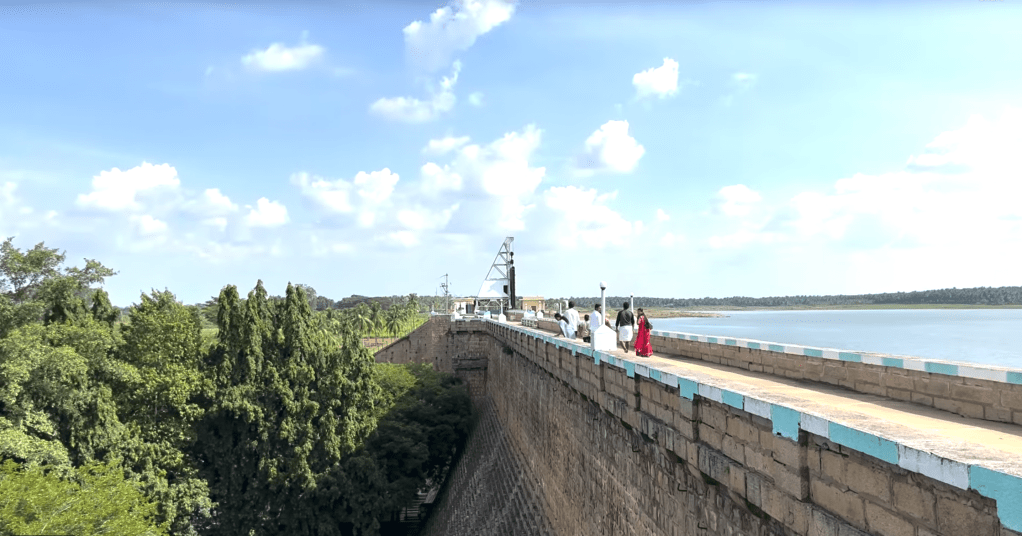
The incident occurred when the siphon system suddenly released water, creating a powerful flow. According to dam engineers, the incident occurred due to a sudden increase in water flow. Police said whenever the dam is filled to capacity, sluice gates open automatically without the need for human intervention.
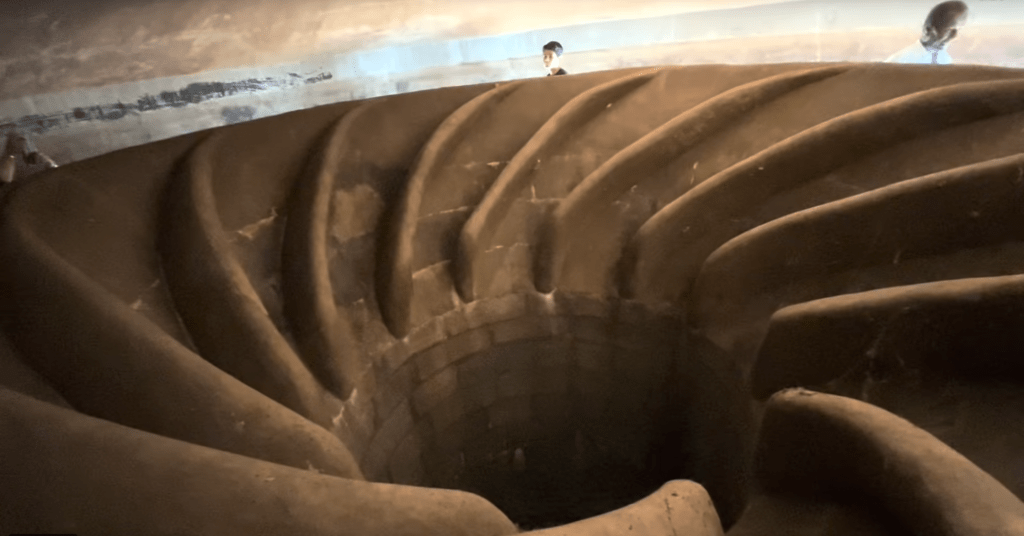
Markonahalli dam was built in the 1930s under the supervision of renowned civil engineer Sir M Visvesvaraya. With water from Gorur dam flowing towards it, Marconahalli works on siphoning effect resulting in sluice gates opening automatically whenever filled to capacity. No siren or caution had been sounded off in the past in such cases, a police officer said.
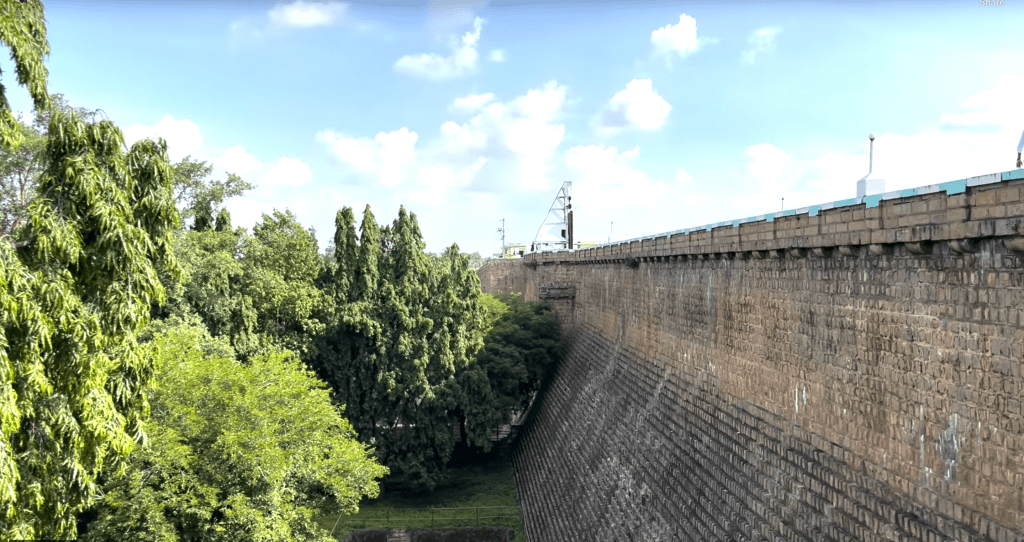
At least seven members of the family were in the water when the crest gate automatically opened, releasing a surge of water. All seven were swept away out of a total of 15 visiting the dam site. Police recovered the bodies of two women later.
Four bodies— that of Sajia (23), Arbin (26), Tabassum (45) and Mahib (1) have been recovered (two each on Oct 7 & 8) so far, 44-year-old Shabnam and 4-year-old Mifra were still missing. The 7th person, a 30-year-old man, Nawaz, rescued is in a critical condition.
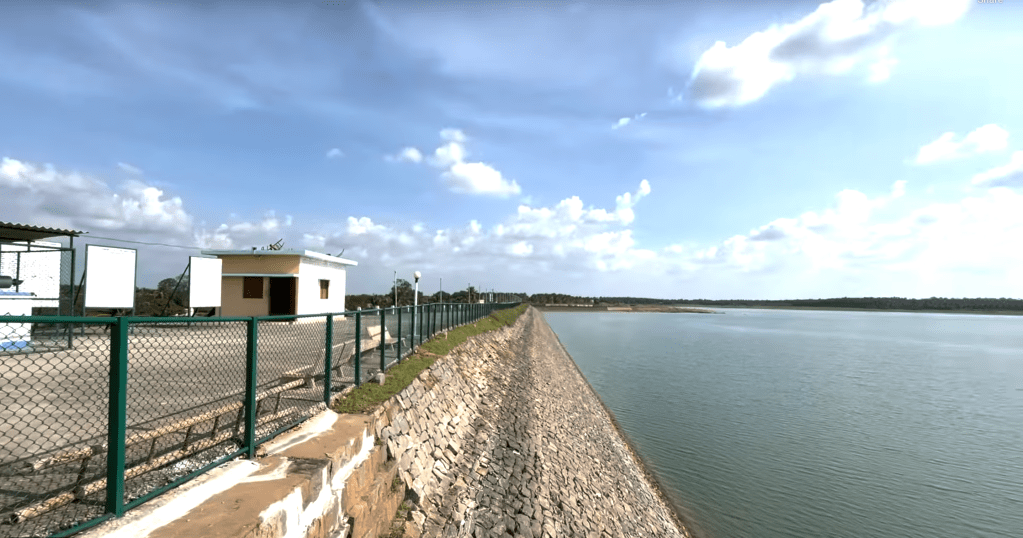
Markonahalli Dam is a dam built across the river Shimsha in the Kunigal Taluk of Tumkur district. It was built by Krishnaraja Wodeyar IV, the king of Mysore under the guidance of his Diwan, Sir M Visweswaraiah. It was built to irrigate 6070 hectares of land and has a masonry structure of 139 m and a pair of earth dams extending to 1470 metres on either side. The reservoir has a catchment area of 4,103 km2 and can hold 68 Million Cubic Meters water at a full reservoir level of 731.57 m above the mean sea level. The reservoir is located 18 km SW of Kunigal town.
According to CWC’s National Register of Large Dams, Markonahalli dam commissioned in 1940 has height 22.25 m above lowest foundation, live storage capacity of 64 MCM and gross storage capacity of 68 MCM, reservoir area of 13.38 sq km, spillway capacity of 1700 m3/sec. It is a composite dam of length 1812 m, with earthen portions on both sides and masonary portion in between where spillway gates are located.
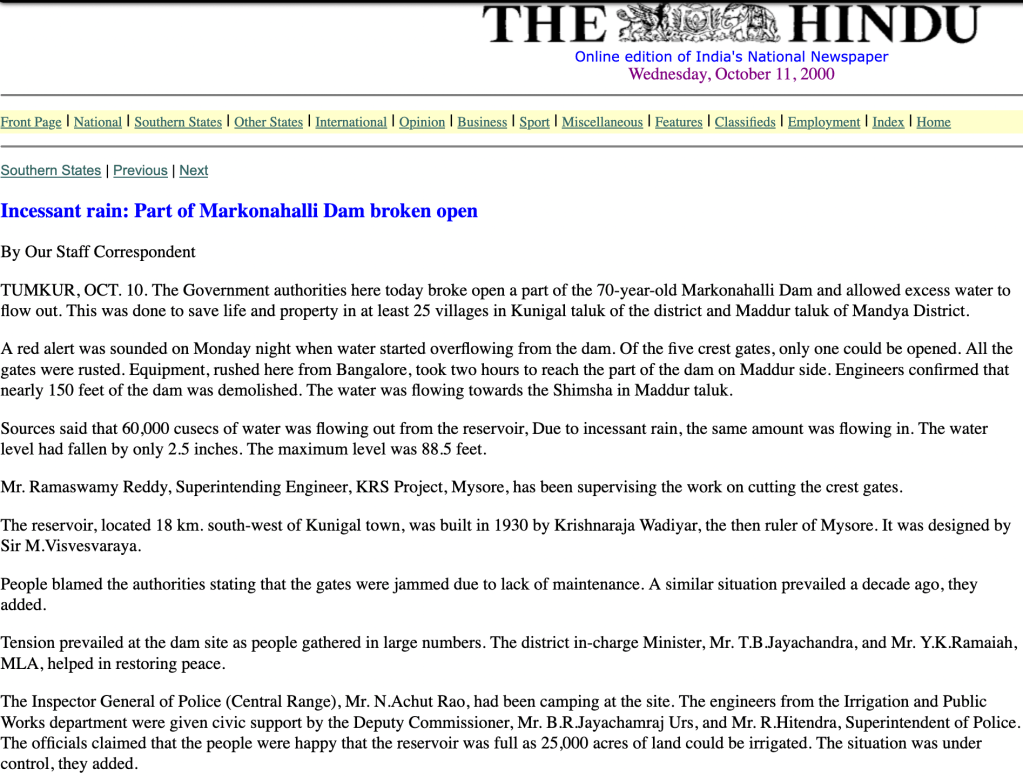
Poor Maintenance The maintenance of the dam has been poor according to the Hindu Report in Oct 2000. In Oct 2000, about 150 ft of the dam had to be demolished to allow excess water to flow out, prevent floods and save 25 villages of Kunigal Taluk of Tumkuru district and Maddur Taluk of Mandya district. This became necessary as water started overflowing the dam as only one of the five crest gates could be opened. A similar situation of jammed spillway gates had prevailed a decade earlier too.
What can be done One hopes the Karnataka state government and National Dam Safety Authority (NDSA) will take notice of this, institute independent probe and suggest urgent remedial measures so that such incidents are avoided in future. There should be provision of sufficient sirens and boards in the downstream areas to alert the people coming to the river.
The way dams make the rivers in downstream areas dangerous is another major aspect that needs urgent attention, consideration during EIA, dam decision making and necessary actions urgently, both for existing dams, under construction projects and also future proposals. NDSA and Dam Safety Act needs to look into this aspect, as such incidents are likely to only increase, due to old stock of dams, poor maintenance and also changing rainfall pattern in the context of climate change.
SANDRP

 SANDRP