
In an event which is seem like an emergency, in. the morning of Aug 27 2025, Chenab and its tributaries have crossed Highest Flood Levels (HFL) at three hydrological observation sites between the under-construction 850 MW Ratle Hydropower Project in Kishtwar District and 900 MW Baglihar Hydropower Project in Ramban District in Jammu. Similarly, River Tawi is experiencing “Extreme Flood” in Jammu and has crossed its HFL.
At least 30 people have died at landslide near Vaishno Devi Pilgrimage site, Reuters reported.
From Central Water Commission

Three hydrological observation sites that have recorded levels above the highest flood levels between Ratle and Baglihar Hydropower Projects are: Kalnai Nallah, Premnagar and Neeru Nalla.
Momentous rainfall has been received in Jammu as recorded by Indian Meteorological Department in just 12 hrs between 8.30 am to 8.30 pm on the 26th of August 2025. Udhampur and Jammu gets historical highest rainfall for 24 hrs ending at 0830 mm on Aug 27.
Jammu: 296.0 mm (Previous record: 272.6 mm on 09 Aug 1973 Broken)
Udhampur: 629.4 mm (Previous record: 342.0 mm on 31 Jul 2019 Broken)
IMD forecasts ‘Heavy Rainfall’ for next 5 days in the region.
| Place | Rainfall in mm |
| Udhampur IAF | 540 |
| Jammu | 310 |
| Awantipur IAF | 30 |
| Srinagar | 20 |
This is in addition to the huge rainfall reported by IMD in the 24 hours ending at 0830 hrs on Aug 26 in some of the districts of J&K: Doda: 107.2 mm, Kathua: 112.2 mm, Jammu: 48.5 mm, Reasi: 66.6 mm, Samba: 99.5 mm, Ramban: 31.6 mm, Udhampur: 55.2 mm. In the upper Chenab and Ravi catchments in Himachal Pradesh and Punjab too IMD reported very high rainfall in the same 24 hours period. IMD’s falshflood bulletin at 1830 hours on Aug 26 too showed worrying situation.
All this can have very severe impacts on densely populated towns like Thatthri, Premnagar, Doda and Pul Doda. Vaishno Devi is about 35 kms from here as the crow flies and Doda Kishtwar Highway is also in the impact zone of this flood. At least 11 pilgrims have died on route to Vaishno Devi (now that number is 30) due to landslide from Trikoot hill near Ardh Kunwari temple near Katra town in Reasi district, about 6 km from the Vaishno Devi Shrine and the route has been suspended now. It should have been suspended much earlier. This feeling is also echoed by J&K Chief Minister Omar Abdullah on Aug 27. The incident happened in older of the two routes to the shrine at around 3 pm on Aug 26. The new route was closed earlier in the morning. In Doda district 4 people of died in collapse of a building. Huge damages have also been experienced in Ramban, Kishtwar, Poonch and Rajouri districts.
The water level in the Sheshnag Nallah in the Betaab Valley of Pahalgam breached its all-time highest level of 5.68 feet and was flowing at 6.02 feet, officials said. While the flood alarm level for the stream is 4.59 feet, the danger mark is 5.09 feet. According to officials, the sudden rise in the water level in the stream suggests that a cloudburst or very heavy rainfall might have occurred in the upper reaches of the region.
Amid this crisis, environmentalists and river activists are drawing attention towards the Tawi Riverfront Development Project in Jammu city, which they claim is one of the reasons for the present situation in the city. We had been warning against encroaching Tawi’s riverbed for construction purposes as envisaged under the Tawi Riverfront Development project. The project, which is divided into two phases, has already completed its phase 1 and has reclaimed and concretised parts of the riverbank between Bhagwati Nagar Barrage to Bikram Chowk Bridge,” Anmol Ohri, Founder of Climate Front India, a Jammu-based non-profit, told Kashmir Times. “Just a couple of months ago, we had warned of such floods and destruction. This riverfront project is a real estate project and has nothing to do with protection of Tawi or its banks,” alleged Ohri.
Rescue teams from NDRF are reaching the site and we hope that immediate action is also taken by Hydropower dam authorities, looking at the seriousness of the situation.
We would also like to highlight the fact that sections of the under-construction Ratle Hydropower project had dumped enormous amounts of muck directly inside the Chenab Mainstem. Actions like these increase the impact of flash floods tremendously. As. we have seen in recent floods in J&K, HP and Uttarakhand, in the severe flood situations it is not just the water, but the debris flowing with it multiply the flood’s impacts. We hope responsible authorities are held accountable for obstructing flow of the river and increasing the impact of floods by dumping muck into the riverbeds.

Proposed, Commissioned and under Construction Hydropower Projects, HFL sites, Landslide affected areas and High Risk Lakes in Chenab Basin in Jammu Map: SANDRP
As can be seen from the map above, the region is dense with commissioned, under construction and planned hydropower and other infrastructure development. At the same time, the region is also under threat of extreme weather events as highlighted by the study by Kashmir University and Central Jammu University. According to the authors, “Rapid expansion of the proglacial Mundiksar Lake has potential to affect the critical infrastructure such as Bursar and Pakal Dul dam sites in the downstream region.”
However, there is no publicly communicated strategy for dam releases in India some key aspects of which include:
- Rule Curve for making dam releases which is available in the public domain
- Dam releases made keeping carrying capacity and flood situation of the downstream river in mind. Many places in the downstream of dams are hugely populated, they encroach upon the riverbed, and the catchment is so developed that little release from the dam result in immediate flood peak in the river.
- Dam releases and overall management taking place keeping latest rainfall in the upstream and downstream, IMD forecasts, CWC forecasts and flood warnings in mind
- Incorporating scientific studies and climate change predictions and credible impact assessments while siting, clearing, constructing and operating hydropower dams and other infrastructure in the Himalayas.
Several people have lost their lives in just this year in Jammu and Kashmir Himalayas in monsoon-related tragedies. As risk-prone river basins in Himalayas get crowded with tourism, towns, settlements, hydropower projects, infrastructure, in addition to extreme weather events worsened by climate change, there is no option but to respond to all of these factors proactively and keeping human safety as the foremost priority.
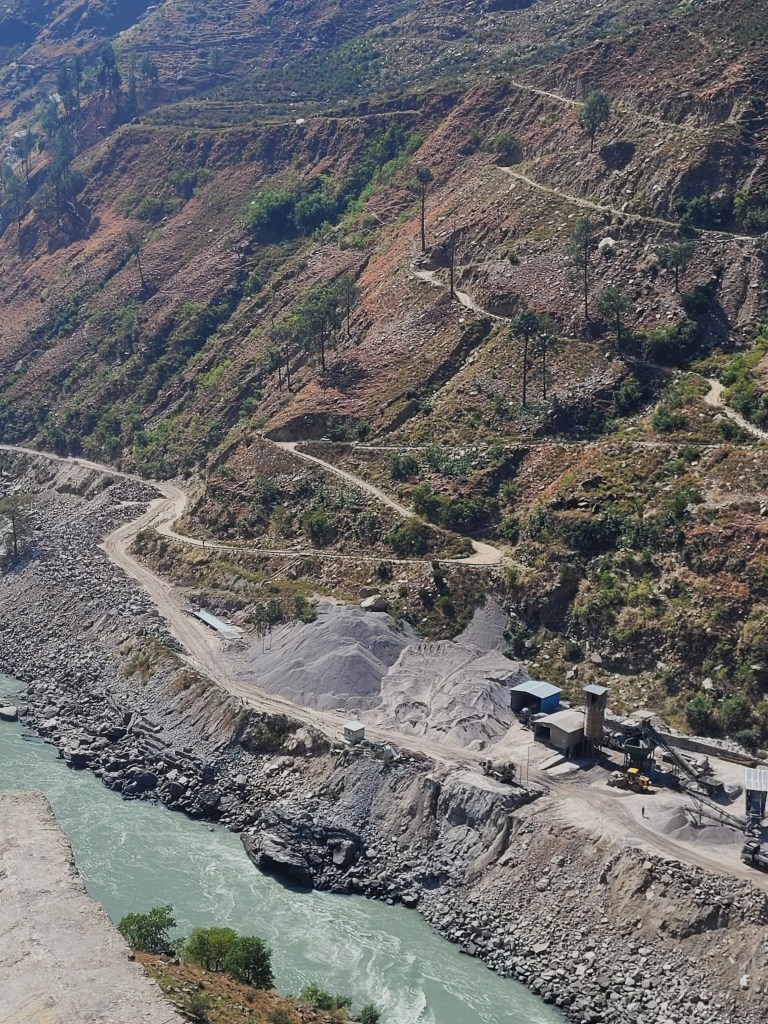
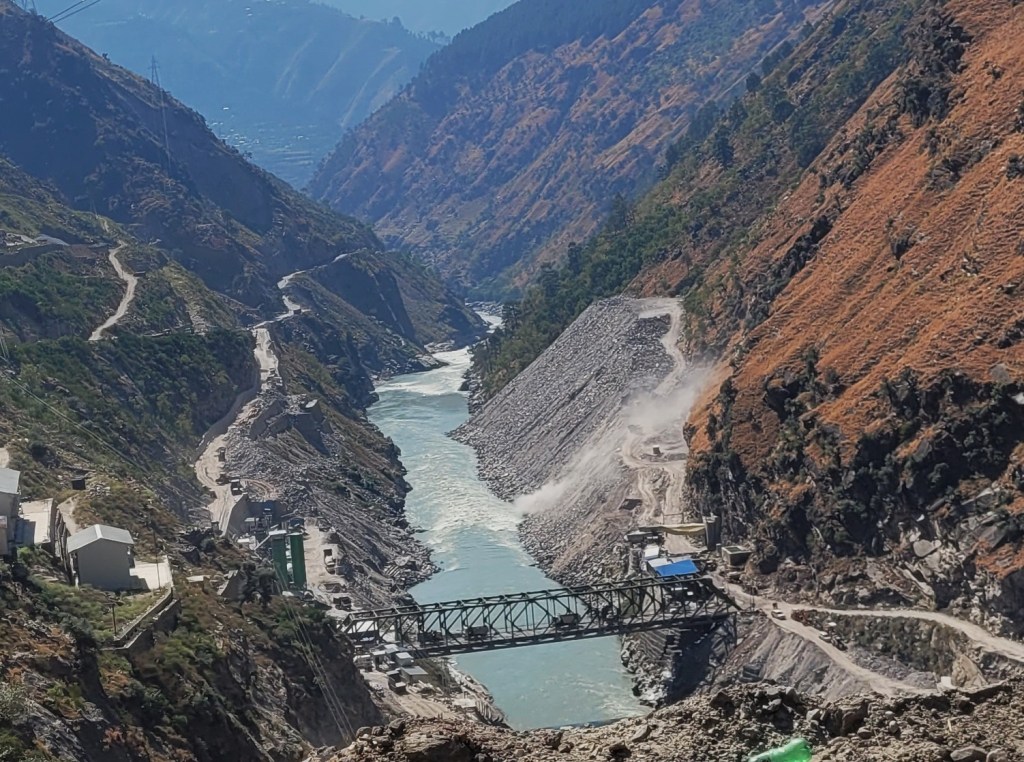
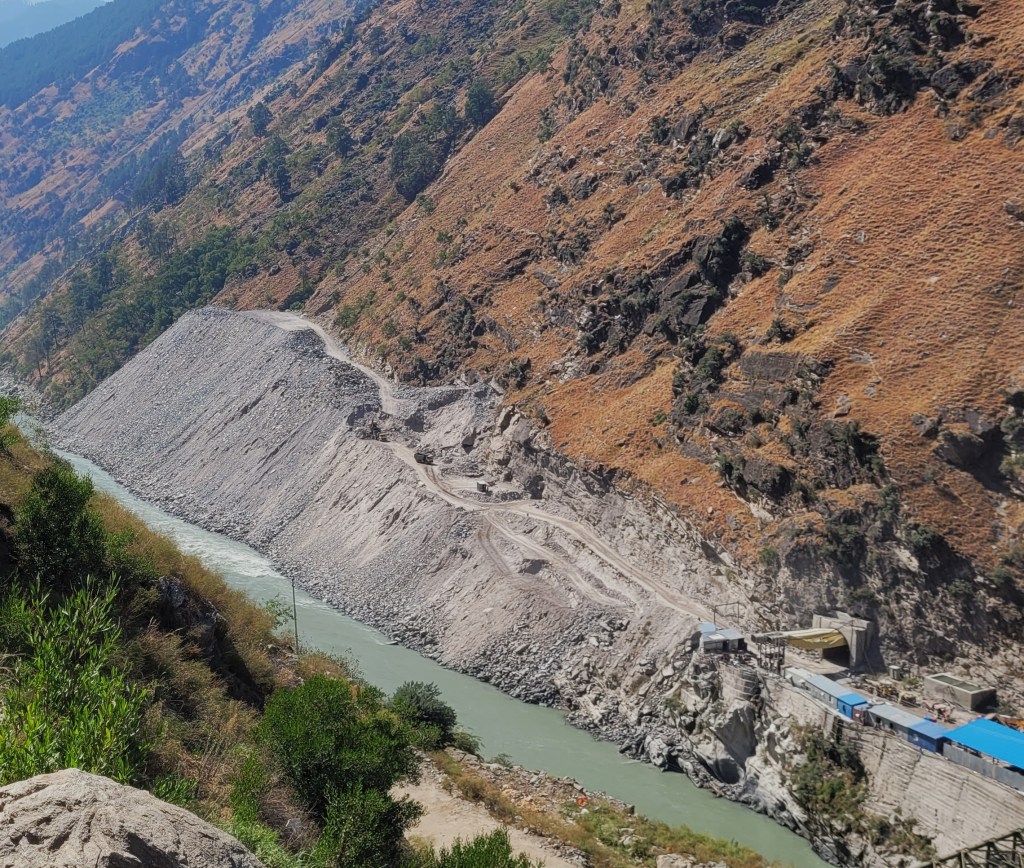

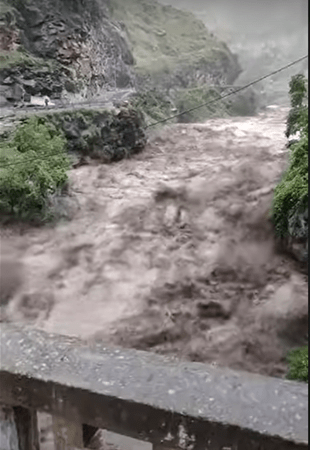
After the series of the ongoing disasters, it may help to institute an independent inquiry to understand how the disaster unfolded, what role various infrastructure and agencies played and what lessons we can learn for the future.
SANDRP

 SANDRP
Despite repeated monsoon forecast of orange and red alert for rain at peak season in these regions, Manimahesh and Vaishno Devi yatra were conducted.
My father’s elder brother traveled in this entire region of himachal and Uttarakhand which are now battered by extreme damages, during 1950s on foot. When he narrated those pilgrimage, I thought that someday, I would go there myself.
Though I have visited Vaishno Devi entirely on foot in 2011, didn’t have the chance to trek to Manimahesh lake. Now these yatras are being conducted in July August which were earlier a no-go season for the himalayas.
It’s quite surprising how policies get changed under changed leadership. Human life now has less value.
LikeLiked by 1 person